
Torres del Paine Guide for First Timers
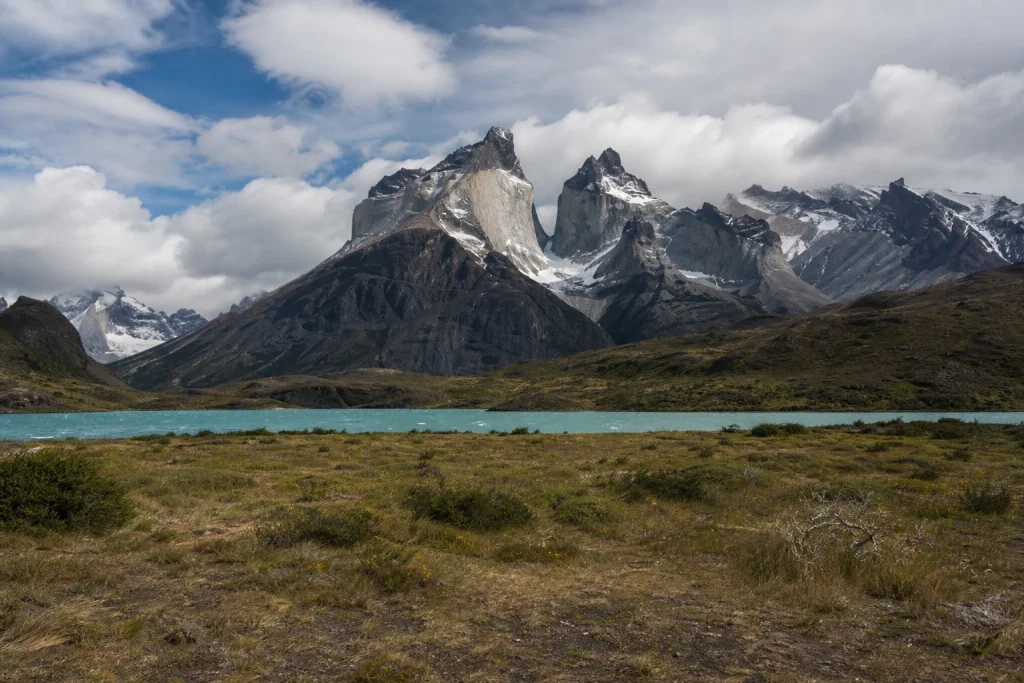
Torres del Paine National Park sits in Chilean Patagonia, a landscape of enormous mountain views, changing skies, and travel logistics that reward a little forethought. For a first visit, the smart approach is to choose your travel style early, base yourself sensibly, and treat weather and trail status as central parts of the plan. Argentina can fit naturally into a wider Patagonia itinerary, but Torres del Paine itself is in Chile.
- Use Puerto Natales as the practical launch point. It is about 80 km from the park, with daily bus connections to key entrances.
- Buy park admission in advance. Overnight hikers also need confirmed campsite or refuge reservations before entering trails.
- Choose between bus travel, a rental car, or a vehicle-focused scenic visit before setting the rest of the itinerary.
- Pack layers and a waterproof windbreaker because Patagonian weather can change within minutes.
- For an August 2026 visit, Base Torres requires an authorized guide and the O Circuit is seasonally closed.
Begin by choosing the kind of first visit you want
Set the shape of the trip before reserving flights or accommodation. A vehicle-centered visit, a marked-route day hike, and an overnight trek all require different transport, timing, and bookings. A scenic day by vehicle works especially well for travelers who want the Paine Massif in view without making hiking the focus. An overnight itinerary requires more coordination, beginning with confirmed places to sleep.
This decision matters even more in winter. Current access rules can determine which plans are realistic, while high-season air service affects how easily you reach the region. Build the trip around the activities and conditions available during your dates, rather than fitting a fixed wish list into the calendar.
Use Puerto Natales as your base and gateway
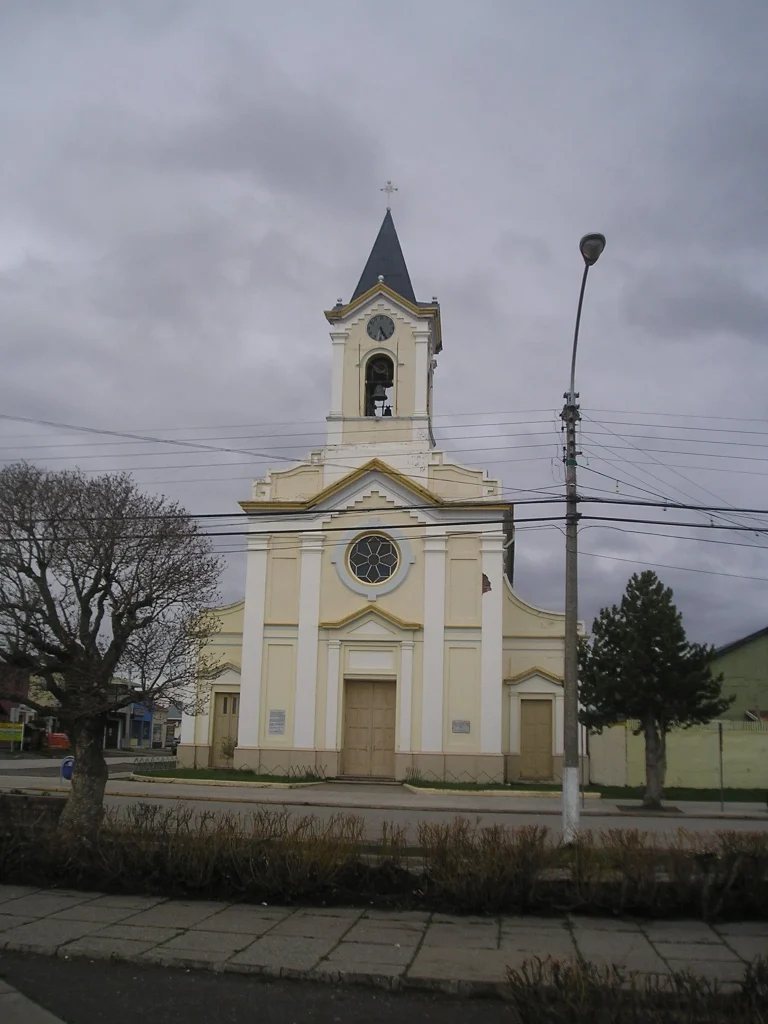
Puerto Natales is the most practical base for most first-timers. The town is about 80 km from Torres del Paine, and daily buses leave its terminal for the Laguna Amarga, Sarmiento, and Serrano areas. The trip takes roughly two hours, making the town a useful place to organize transport, sleep before and after the park, and keep the arrival day simple.

Fly through Punta Arenas or Puerto Natales
Punta Arenas Airport, or PUQ, is the more frequent year-round flight option, followed by overland travel to Puerto Natales. Flights from Santiago to Puerto Natales Airport, or PNT, are mostly a high-season option. Both routes can work well, but the season should guide the decision. Check flight times alongside your onward ground transport before locking in the itinerary.
Compare buses, rental cars, and scenic vehicle travel
| Travel style | What it is good for | Key planning point |
|---|---|---|
| Bus from Puerto Natales | A straightforward park visit without driving | Daily buses connect to Laguna Amarga, Sarmiento, and Serrano in roughly two hours. |
| Rental car | Flexibility between dispersed viewpoints and trailheads | Route 9 is paved to Cerro Castillo, then continues on gravel in good condition to the park entrance. |
| Scenic touring by vehicle | Seeing the Paine Massif without centering the day on hiking | The vehicular route includes six signed interpretive viewpoints. |
A rental car gives the greatest freedom to pause at viewpoints and connect a day around your own priorities. It also means driving on gravel after Cerro Castillo, so treat it as a Patagonia road trip rather than an urban-style drive. Bus travel is a workable alternative from Puerto Natales. Operator schedules, fares, and baggage terms can change, so review the current details when reserving.
Secure tickets and overnight reservations before the park
Buy your park ticket before arrival. For an overnight trek, confirmed campsite or refuge reservations are also required before heading onto the trails. These are separate pieces of the plan: park admission gives access to the national park, while an overnight reservation establishes where you can legally stay. Do not leave either to the last minute.
Budget for more than admission
The 2026 admission schedule distinguishes between daily and more-than-two-day visits, with the amount depending on visitor category. Park entry is only one part of the overall budget. Transport, accommodation, any guide required by current conditions, and equipment needs all sit outside that admission cost. Choose the correct visitor category in the booking flow and review the current rate before paying.
Use gate hours to shape the day
For the May through September 2026 period, the Laguna Amarga, Sarmiento, and Serrano gates are listed as open from 08:30 to 18:00. The administrative office is listed from 08:00 to 19:00 year-round. These hours are important when coordinating transfers or a self-drive day, but operational schedules can change, so reconfirm them before departure.
Let the season determine your route choices
Torres del Paine is a destination where weather is part of the experience and part of the logistics. Conditions can change within minutes, which is why layers and a waterproof windbreaker are core gear rather than optional extras. Winter brings further trail restrictions and technical requirements, while Puerto Natales flight service is mainly associated with the high season.
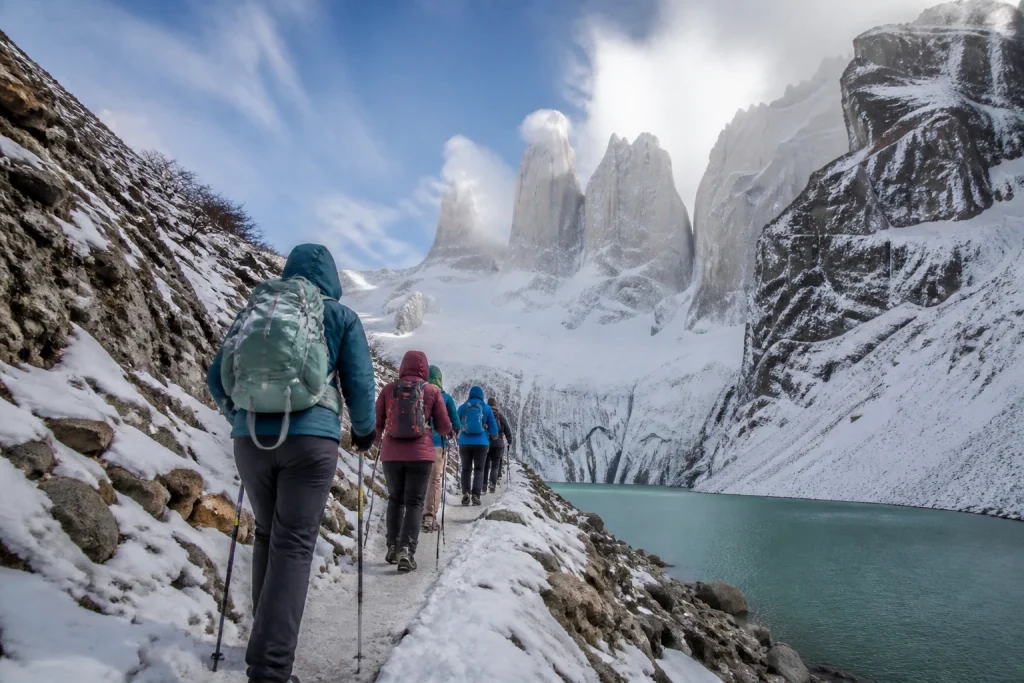
August 2026: Base Torres is guided and the O Circuit is closed
For visits on August 17, 2026, the Base Torres trail requires an authorized guide through August 30. The Macizo Paine, or O Circuit, closes from May through at least October 31, 2026. Do not plan either as an independently available option during this period. Check the live park trail-status information shortly before travel, especially if your dates fall near a change in seasonal rules.
A first trip does not need to be defined by a single famous hike. On dates when trail rules are more restrictive, a guided outing or a vehicle-focused day can make better use of the park. That approach also leaves room to enjoy the constantly shifting mountain views without building the entire visit around one long route.
Hike safely or see the park without hiking
For independent hiking where it is permitted, follow the park rules closely: hike in daylight, go with another person, and remain on authorized, marked routes. Do not camp outside designated sites, and do not smoke in the park. These are essential safety rules, not small-print details. Fatal accidents have occurred when people walked alone or left marked trails.
Plan multi-day routes with reservations and current conditions in mind
Overnight trekking calls for a confirmed sleeping plan before you enter the trails. For route-specific logistics, the W Trek in Torres del Paine, Planned Properly is a useful companion to this first-timer overview. Match any detailed route plan to the park’s current trail notices, since seasonal closures and guide rules take priority over a standard itinerary.
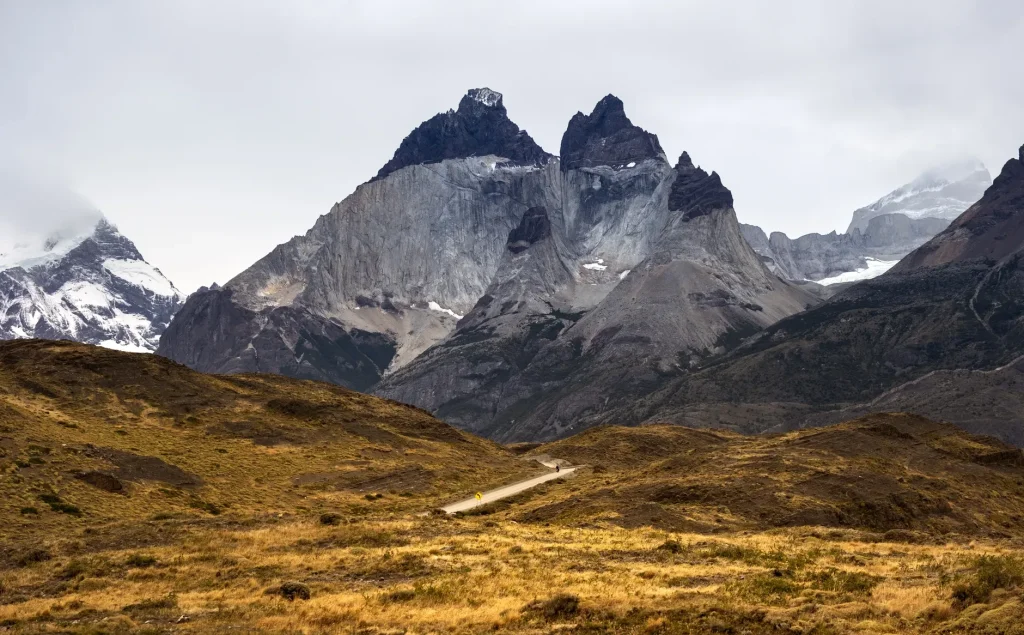
Travelers who do not want to hike can still plan a satisfying park day. The vehicular route has six signed interpretive viewpoints with different perspectives on the Paine Massif. This is the clearest option for seeing the landscape at a gentler pace, and it works especially well when access rules or personal mobility make a long trail unsuitable.
Pack for fast-changing Patagonia weather
Think in layers rather than a single heavy outfit. A waterproof windbreaker belongs at the center of the packing list because weather can shift quickly across the park. For winter travel, use the current park guidance for any itinerary-specific technical requirements. Keeping a flexible plan is equally useful: a change in conditions can influence what is sensible to do on a given day.
Before leaving Puerto Natales, check the latest gate, transport, and trail information against the day’s plan. This is particularly important for guided hikes, bus connections, and seasonal access. A well-prepared first visit has room to adjust without losing sight of the main goal: spending meaningful time in the park rather than racing between uncertain connections.
Make a vehicle itinerary work for different mobility needs
A sightseeing-focused vehicle route is the best-supported alternative for visitors who want to limit walking. Its six signed viewpoints provide different views of the Paine Massif. Still, a scenic drive alone does not guarantee step-free vehicles, wheelchair-friendly surfaces, accessible restrooms, or other specific facilities. Travelers who need those arrangements should confirm them with their transport provider and the park before booking.
A five-step planning checklist for first-timers
- Choose travel dates, then check what seasonal trail rules and weather requirements apply.
- Pick an arrival route: Punta Arenas for the more frequent year-round flight option, or Puerto Natales when high-season flights fit your dates.
- Decide how you will move around: scheduled bus, rental car on paved and gravel roads, or a vehicle-centered sightseeing plan.
- Purchase park admission in advance and, for any overnight trek, secure confirmed campsite or refuge reservations.
- Recheck gate hours, trail status, and booked transport details before leaving Puerto Natales.
This sequence keeps the important dependencies in order. There is little value in booking a complicated trek before confirming that the route is open, guided where required, and supported by overnight reservations. Once those pieces are set, the rest of the trip becomes far easier to organize around the views and the time you want to spend outdoors.
The essential first-timer takeaway
Torres del Paine rewards travelers who plan with the landscape rather than against it. Puerto Natales gives most visitors a practical base, a rental car or bus provides access according to travel style, and advance reservations remove the biggest avoidable complications. Build in flexibility for weather and seasonal rules. Then choose the right version of the park for your dates, from a scenic vehicle day to a properly organized overnight trek.
Frequently asked questions
Is Torres del Paine in Argentina or Chile?
Torres del Paine National Park is in Chilean Patagonia. It can be combined with an Argentina itinerary, but the park itself is in Chile.
Where should first-time visitors stay for Torres del Paine?
Puerto Natales is the most practical base for most first-time visitors. It is about 80 km from the park and has daily bus connections to Laguna Amarga, Sarmiento, and Serrano.
Do I need to book Torres del Paine in advance?
Yes. Buy park admission before arrival, and secure confirmed campsite or refuge reservations before starting any overnight trek.
Can I hike Base Torres independently in August 2026?
No. From April 27 through August 30, 2026, the Base Torres trail requires an authorized guide. Check current trail status before traveling because seasonal rules can change.
Can I visit Torres del Paine without hiking?
Yes. The park’s vehicular route includes six signed interpretive viewpoints with different views of the Paine Massif, making it a strong sightseeing option for non-hikers.
What should I wear in Torres del Paine?
Wear layers and bring a waterproof windbreaker. The weather can change within minutes, and winter itineraries can involve additional technical requirements.
More bookable experiences
Three tours to compare
Review current provider details before booking. Discover Andes may earn a commission at no extra cost to you.
Continue exploring
More practical guides selected from the Discover Andes library.
Cusco Airport Layover Guide
Planning a layover at Cusco Airport? Learn when to stay at the terminal, how to approach a focused…

One Day in The Andes Itinerary
Plan a one-day trip from Mendoza along Ruta Nacional 7 to Potrerillos, Uspallata, the Aconcagua area, and Puente…
Best Mountains in the Andes
Compare four standout mountains in Argentina’s Andes, including Aconcagua, Fitz Roy, Cerro Tronador, and Lanín, with practical guidance…
Best Markets in the Andes
Plan a craft-focused route through northwest Argentina with Cafayate’s artisan fairs, Seclantás’s textile makers, San Lorenzo, San Francisco…