
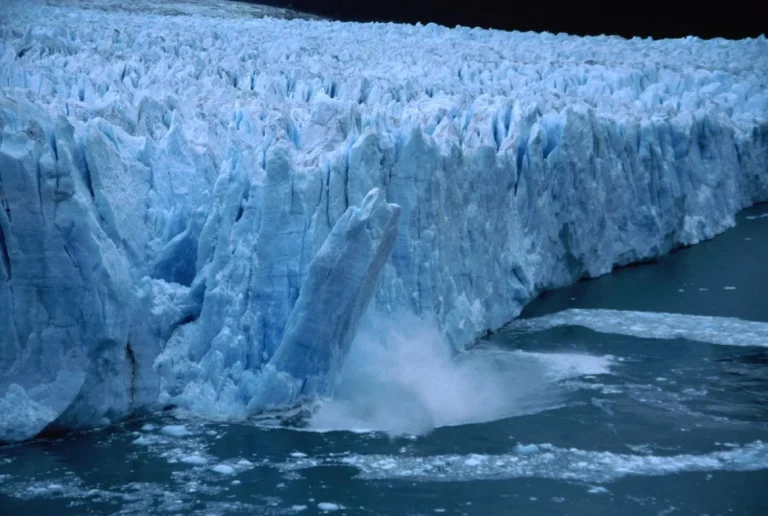
The Andes Travel Tips for First Timers
Plan a first trip to the Argentine Andes with smarter route choices, altitude preparation, Los Glaciares logistics, seasonal hiking rules, and budgeting tips.
Read guideBrowse by topic
Practical Discover Andes articles collected for this region and travel style.
Plan a first trip to the Argentine Andes with smarter route choices, altitude preparation, Los Glaciares logistics, seasonal hiking rules, and budgeting tips.
Read guide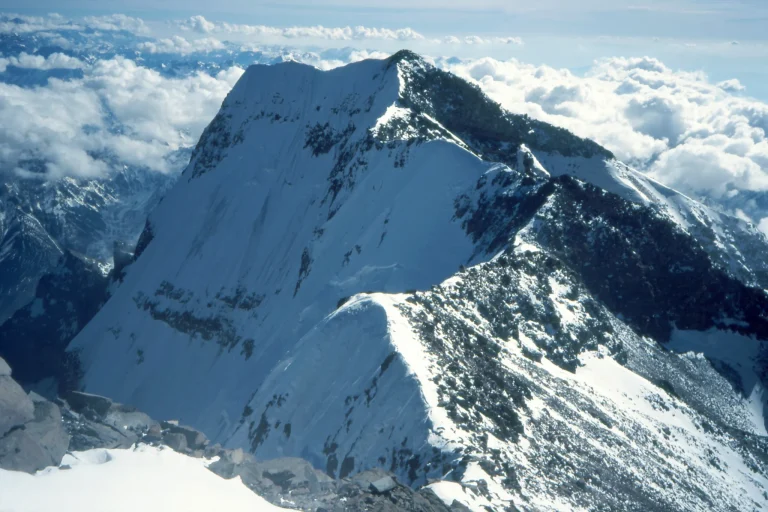
Plan a stronger Argentina Andes photography trip with a flexible Aconcagua base, current protected-area entry costs, winter road checks, and practical guidance for permits…
Read guide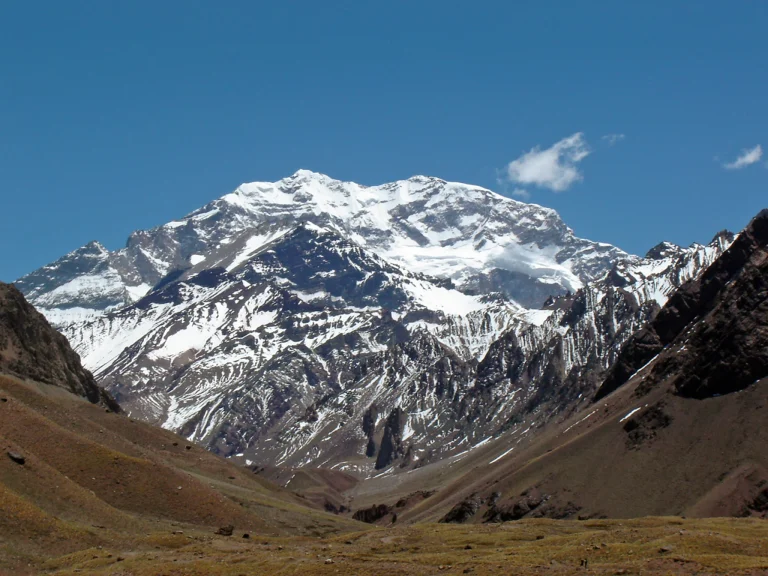
Plan a practical car-free Andes escape from Mendoza, using a guided Alta Montaña day trip, a flexible third day, and careful winter road checks.
Read guide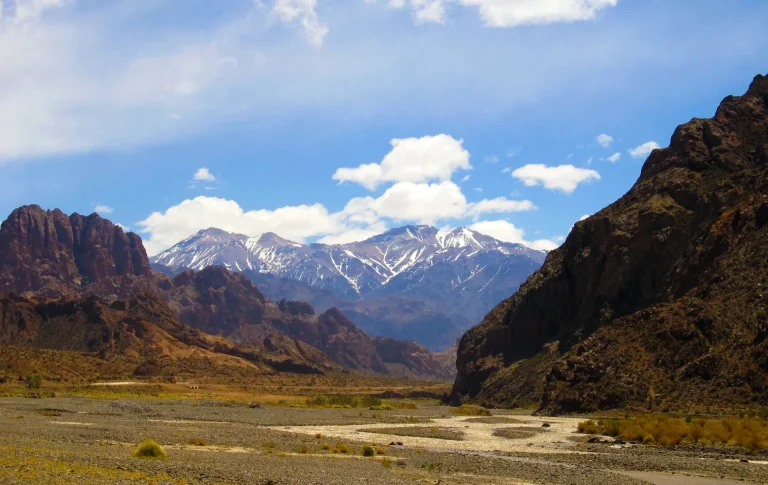
Plan an Argentine Andes trip month by month, with clear distinctions between Mendoza’s foothills, the high Andes, winter snow season, and road conditions.
Read guide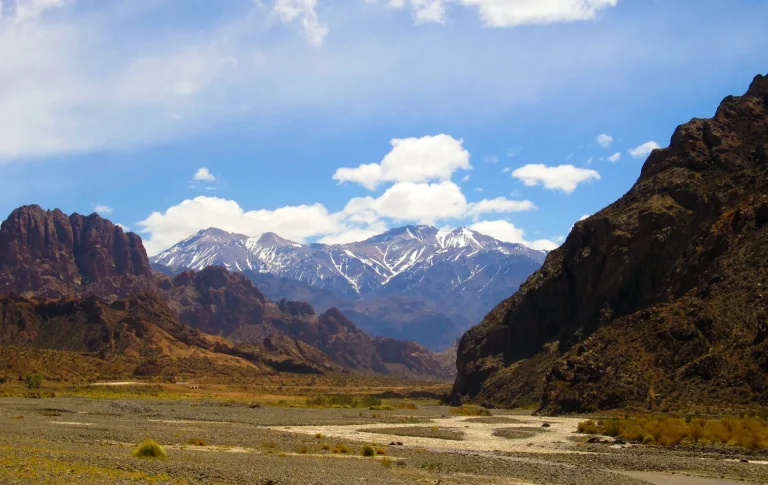
The best time to visit Argentina’s Andes depends on the region and the trip. Compare seasons for Patagonia, Mendoza, the northwest, hiking, skiing, and…
Read guide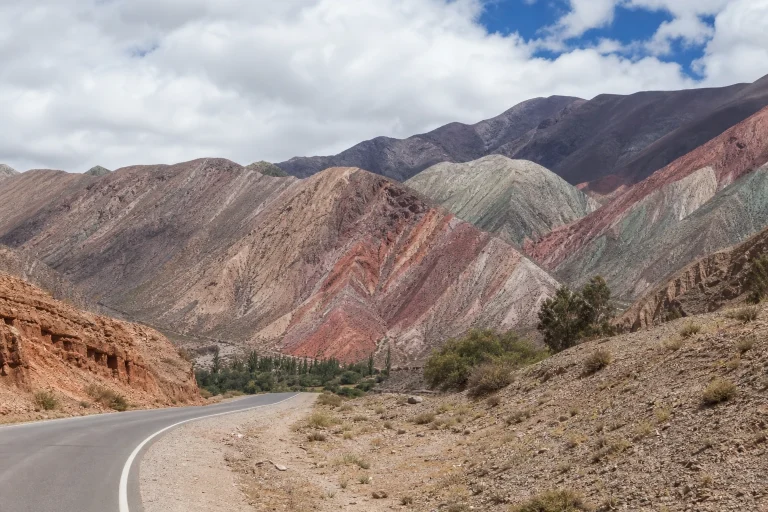
Explore Argentina’s Andes without driving by combining regional hubs, domestic flights, long-distance coaches, selected trains, pre-booked transfers, and organized excursions.
Read guide
Avoid the common planning mistakes that can derail an Argentine Andes trip, from overambitious routes and seasonal assumptions to trail safety, Aconcagua logistics, transport,…
Read guide
Practical Andes safety tips for Argentina, covering altitude acclimatisation, hiking registration, remote travel, mountain driving, seasonal conditions, and route-specific planning.
Read guide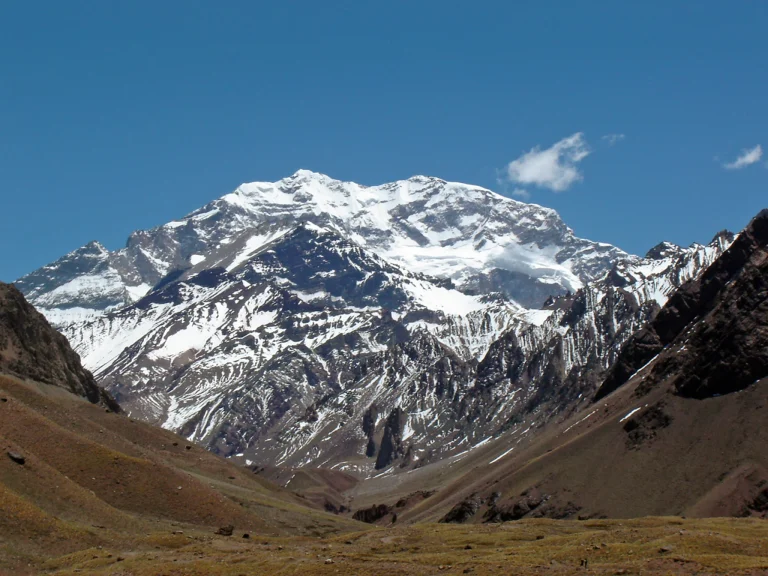
A practical Andes packing list for Argentina, with adaptable layers, sun protection, sturdy footwear, high-altitude essentials, snow-season additions, and Aconcagua-specific planning advice.
Read guide