
7 Days in The Andes Itinerary
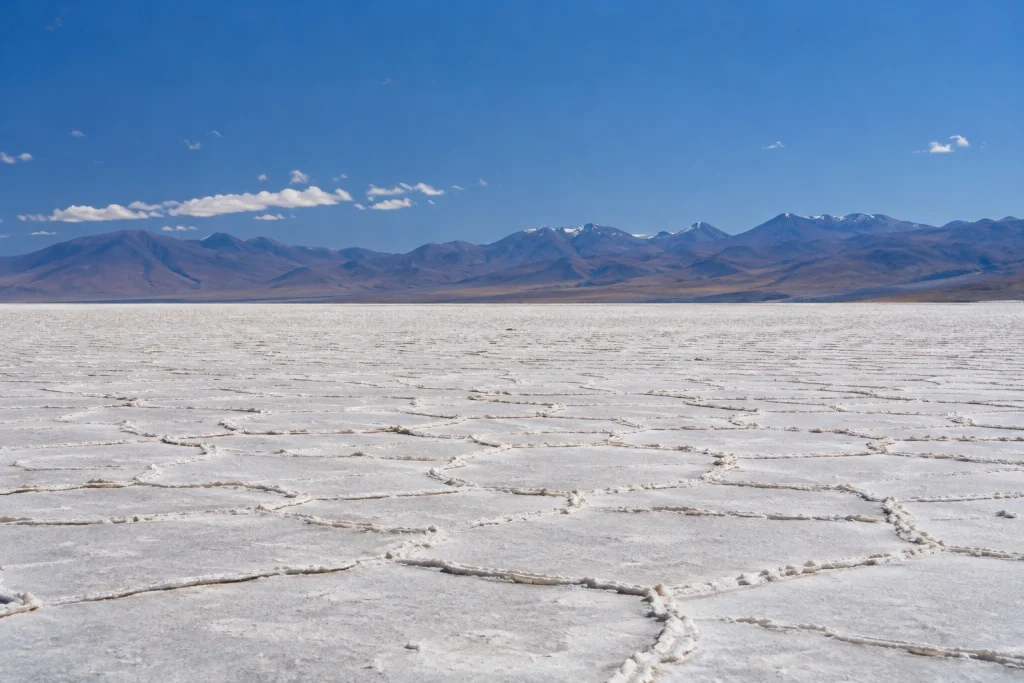
This 7 days in the Andes itinerary focuses on Argentina’s Northern Andes, linking Salta with Jujuy’s Quebrada de Humahuaca and Salinas Grandes. It is a compact regional trip, not a tour of every Andean landscape in Argentina. Mendoza and Aconcagua are better saved for a separate journey.
- Begin and end in Salta, with several nights in Tilcara or Purmamarca.
- Leave time to explore Quebrada towns such as Maimará, Humahuaca, Tilcara, and Purmamarca.
- Visit Salinas Grandes after a few days in the region; the salt flats sit above 3,300 metres.
- Keep one day flexible for a slower pace or changes to your plans.
- Confirm current flights, road conditions, and excursion schedules before high-elevation outings.
Why focus on Salta and Jujuy for one week?
Salta and Jujuy make a practical regional pairing. Salta is a useful arrival and departure base, while Jujuy’s Quebrada towns and Salinas Grandes provide the core of the highland portion. Rather than trying to cross the country, this route concentrates on a manageable northern circuit and leaves room for a slower day.
Plan on two bases: Salta for the start and finish, and either Tilcara or Purmamarca for the Quebrada. Tilcara is a strong base for exploring the region’s towns. Purmamarca is another useful choice, particularly if you want to stay in the Quebrada rather than return to Salta between outings. The tradeoff is simple: an extra hotel change can reduce backtracking.
If you are starting in Buenos Aires, a direct flight to San Salvador de Jujuy takes about 2 hours 15 minutes, compared with roughly 23 hours by bus. Those figures help explain why flying is more practical for a one-week trip, but they do not settle which airport best fits your route. Check current flights and plan your arrival and departure around your chosen bases.
The 7-day Andes itinerary at a glance
| Day | Suggested overnight | Plan |
|---|---|---|
| 1 | Salta | Arrive, settle in, and keep the first day light. |
| 2 | Tilcara or Purmamarca | Travel to Jujuy and settle into a Quebrada base. |
| 3 | Tilcara or Purmamarca | Explore a selection of Quebrada towns. |
| 4 | Tilcara or Purmamarca | Visit Salinas Grandes, allowing for the altitude. |
| 5 | Tilcara or Purmamarca | Keep a flexible day for a slower visit or a change of plan. |
| 6 | Salta | Return to Salta and keep the rest of the day adaptable. |
| 7 | Salta or onward | Depart, or consider the Cafayate side only if transport and timing suit. |
How to spend each day in the Northern Andes
This schedule is a planning framework, not a guaranteed public-transport timetable. Your exact sequence will depend on how you travel between Salta, your Jujuy base, and the high-elevation stops. Keep the order flexible until you have confirmed transport.

Day 1: Arrive in Salta and take it easy
Use Salta as your soft landing. Check in, get oriented, and resist the urge to fill an arrival day with a long excursion. The city works well as a base for the route and offers a practical place to begin before moving toward Jujuy’s higher landscapes.
Keep the first day free of high-elevation plans. A gentle start gives you space to settle in and adjust your schedule if travel takes longer than expected. If you are arriving late, avoid arranging an onward connection that leaves no margin.
Day 2: Travel to the Quebrada and choose a base
Head north into Jujuy and check in at Tilcara or Purmamarca for several nights. Tilcara is a useful base for exploring the Quebrada towns. Purmamarca is also a good option if you prefer to stay within the highland circuit. Either choice cuts down on the repeated returns to Salta that would make the week feel like a series of transfers.
Choose your transport before setting a tight departure plan. A rental car, private driver, and organized excursion each create a different balance of independence, cost, and effort. Leave room for the route to take longer than your ideal schedule, and avoid depending on an unconfirmed connection.
Day 3: Explore the Quebrada de Humahuaca towns
Give the Quebrada a full day. Purmamarca, Tilcara, Maimará, and Humahuaca are key stops in the circuit, but there is no need to squeeze every one into a single outing. Choose a few that fit your base and transport. A less crowded schedule leaves more room to enjoy the changing mountain landscape and the places between the better-known stops.
Keep this day at a comfortable pace and notice how you feel before the salt-flat excursion. Pack sun protection, water, and warm layers so you can adjust to the conditions as the day unfolds. Save your highest planned stop for later in the itinerary rather than stacking it immediately after arrival.
Day 4: Visit Salinas Grandes at a measured pace
Make Salinas Grandes the week’s main high-altitude outing. The salt flats sit above 3,300 metres, so treat this as a substantial day rather than a quick stop to tack onto an already full schedule. The pale expanse and open highland setting are a striking change of scene, but the elevation deserves as much attention as the view.
Use a transport arrangement that fits your starting point and gives you a sensible return plan. Check current road conditions and your excursion details before leaving, then avoid adding another demanding activity to the same day. If you have health concerns or a history of altitude problems, speak with a medical professional before travel.
Day 5: Keep a flexible day in Jujuy
Keep Day 5 open for a second look at the Quebrada, a slower day in your base, or a buffer after the salt-flat outing. Flexibility is useful on a road-based trip, especially when you are planning around altitude and transport that you have arranged yourself. It is also a chance to enjoy a place without treating every stop as a checklist item.
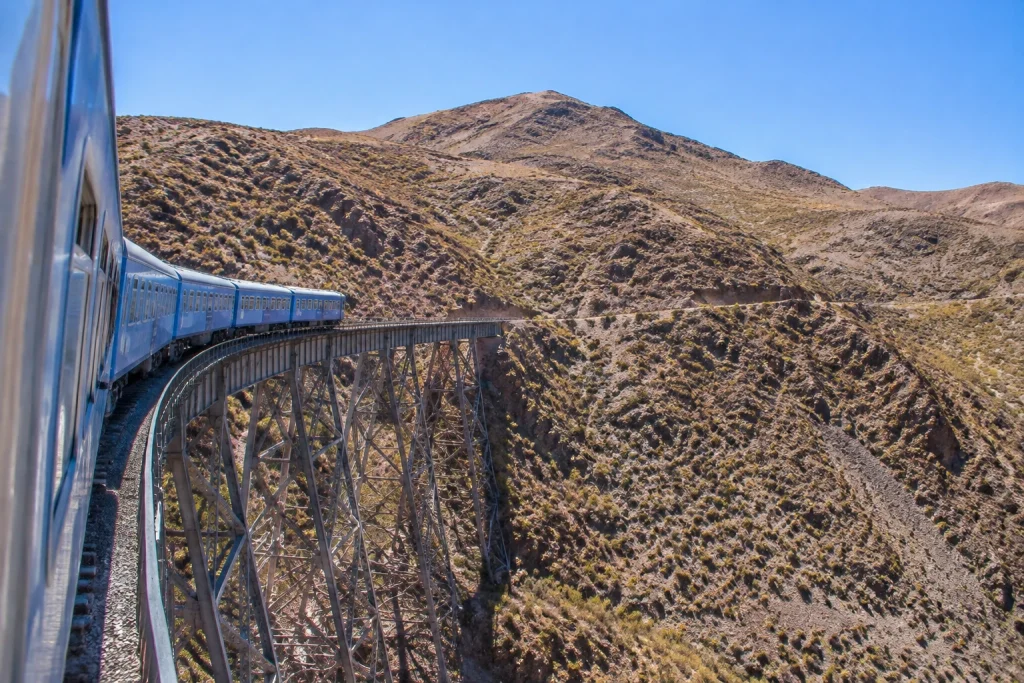
The Train to the Clouds can be an appealing addition, but it is not an automatic fit for this itinerary. It reaches 4,220 metres, higher than Salinas Grandes, and its operating schedule needs checking for your dates. Consider it only if the timing works and you are comfortable adding another high-elevation experience.
Day 6: Return to Salta and leave room in the schedule
Return to Salta and spend the night there before your final day or departure. This gives you a useful buffer after several days based in Jujuy and can make onward travel less dependent on a tight connection. Keep the rest of the day simple rather than setting off on another long excursion.
If you have arranged transport for the western side of Salta, you can consider using the final part of the trip for the Quebrada del Río de las Conchas and Cafayate. Treat that as an optional branch, not a standard extension. Its fit depends on your departure plans and transport, so keep the simpler Salta option if the timing is tight.
Day 7: Depart or take an optional Cafayate side route
For the most straightforward finish, spend your final day in Salta and leave for your next destination. If you have additional time within the week, confirmed transport, and a departure plan that allows it, consider the Quebrada del Río de las Conchas and Cafayate instead. Do not force the detour into a day that already has a flight or other fixed commitment.
Choose transport to match your route and budget
A rental car offers independence, while a private driver or small-group excursion can reduce the work of navigating a highland road itinerary. The right option depends on your comfort with driving, preferred pace, and budget. Compare the full transport plan, including the transfer between bases and the Salinas Grandes outing, instead of booking each day in isolation.
Do not treat the itinerary as a public-transport timetable. Exact connections and travel times need to be checked for your dates, and the route is easier to plan once you know whether you will drive, hire a driver, or join excursions. Book accommodation and transport in a sequence that lets you keep the Jujuy portion together and return to Salta with a margin.
There is no useful fixed trip total: airfare, lodging, rental cars, drivers, and activities all depend on dates and choices. Get current quotes for the parts that matter to you, then decide whether the convenience of an extra Jujuy night is worth changing hotels. Before departure, check your flight and road plans, and review excursion details again before high-elevation days.
Plan around altitude, not just distance
Altitude is the main physical consideration on this route. Salinas Grandes is above 3,300 metres, and the Train to the Clouds reaches 4,220 metres. Starting with time in Salta and the Quebrada before the salt flats gives you a more gradual itinerary than heading straight to the highest stops. It does not guarantee that everyone will feel comfortable at elevation.
Pay attention to how you feel and do not let a short trip push you into adding more altitude than suits you. If you have a relevant health concern or previous difficulty at elevation, seek medical advice before travelling. For more preparation, read Altitude in the Andes: A Plain-English Acclimatisation Guide alongside this itinerary.
Choose your season and check conditions close to travel
Winter can be a rewarding time to visit Salta: rain is usually scarce and skies are often clear. Autumn, from April to June, and spring, from September to November, are also considered favorable periods for outdoor sightseeing in Salta and Jujuy. Jujuy is promoted as a year-round destination, but seasonal patterns are not a forecast for your specific travel dates.
Before setting out, check current road conditions, flight schedules, and the operating calendar for any planned excursion, especially the Train to the Clouds. Recheck conditions before high-elevation day trips. If step-free access, an adapted vehicle, accessible toilets, or other assistance is important, confirm the arrangements with your hotel and the specific transport or activity provider before booking.
Treat Mendoza and Aconcagua as a separate Andes trip
Mendoza suits a different kind of Andes week, with wineries, Cordillera scenery, rafting, and Aconcagua among its draws. It is a compelling alternative for travelers who want that combination, but it is not a casual extension of the Salta–Jujuy route. Combining both regions in seven days would add transport and expense while leaving less time in each.
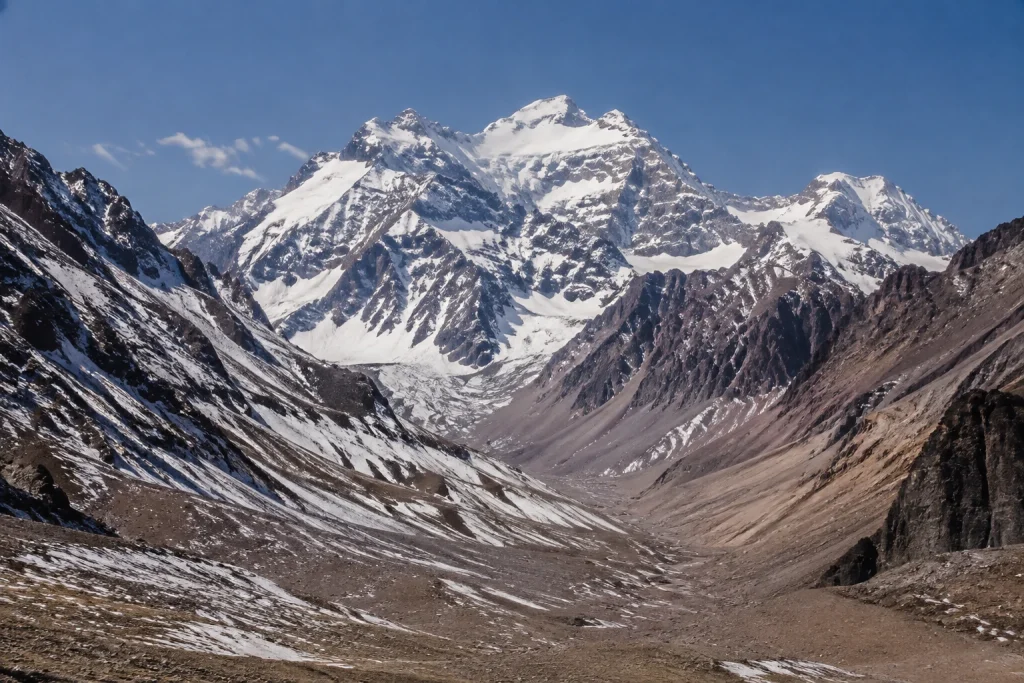
Aconcagua requires its own advance planning. Check the current park permit process, fees, opening status, and activity rules before committing to a visit. For a Mendoza trip in August or September, keep plans adaptable because the Zonda wind can be especially intense during those months.
For a satisfying week in Argentina’s Northern Andes, make Salta, a Jujuy base, and Salinas Grandes the core of the plan. The route suits travelers who want a focused highland trip and can be flexible about transport. Its main tradeoff is altitude, so protect the buffer day, check conditions before setting out, and add Cafayate only when the logistics genuinely work.
Frequently asked questions
Can you see the Andes in Argentina in seven days?
Yes, if you focus on one region. This itinerary covers the Northern Argentine Andes around Salta and Jujuy, including the Quebrada towns and Salinas Grandes, rather than combining the north with Mendoza.
Where should I stay on a Northern Argentina itinerary?
Use Salta as your arrival and departure base, then spend several nights in Tilcara or Purmamarca. Tilcara is a useful base for the Quebrada, and either Jujuy option reduces backtracking before the Salinas Grandes outing.
How high is Salinas Grandes?
Salinas Grandes sits above 3,300 metres. Allow time in Salta and the Quebrada before visiting, avoid stacking several high-altitude activities together, and seek medical advice before travel if you have relevant health concerns.
Is winter a good time to visit Salta and Jujuy?
Winter can be a good time for Salta, when rain is usually scarce and skies are often clear. Jujuy is promoted as a year-round destination, but you should still check weather and road conditions close to your dates.
Should I add Mendoza and Aconcagua to this itinerary?
No, not on a one-week Northern Argentina trip. Mendoza is better treated as a separate itinerary focused on wine country, the Cordillera, and Aconcagua, which requires its own planning and current permit checks.
More bookable experiences
Three tours to compare
Review current provider details before booking. Discover Andes may earn a commission at no extra cost to you.
Continue exploring
More practical guides selected from the Discover Andes library.
Cusco Airport Layover Guide
Planning a layover at Cusco Airport? Learn when to stay at the terminal, how to approach a focused…

One Day in The Andes Itinerary
Plan a one-day trip from Mendoza along Ruta Nacional 7 to Potrerillos, Uspallata, the Aconcagua area, and Puente…
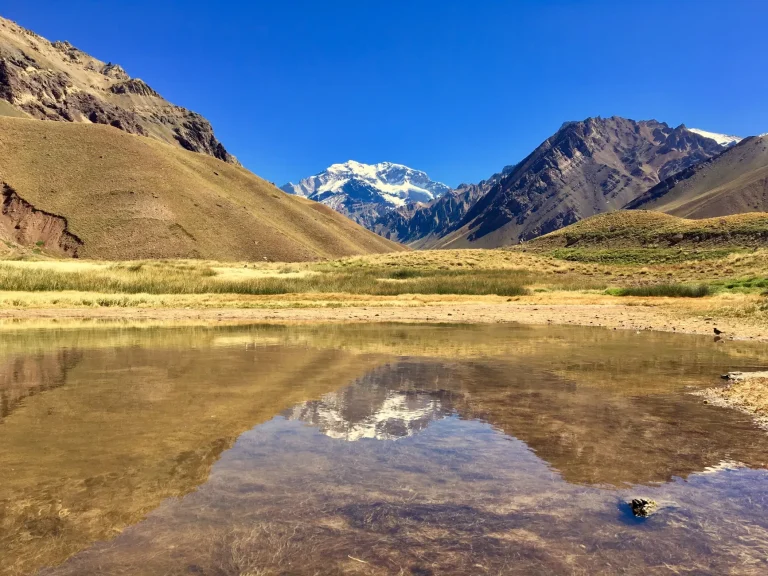
Best Mountains in the Andes
Compare four standout mountains in Argentina’s Andes, including Aconcagua, Fitz Roy, Cerro Tronador, and Lanín, with practical guidance…
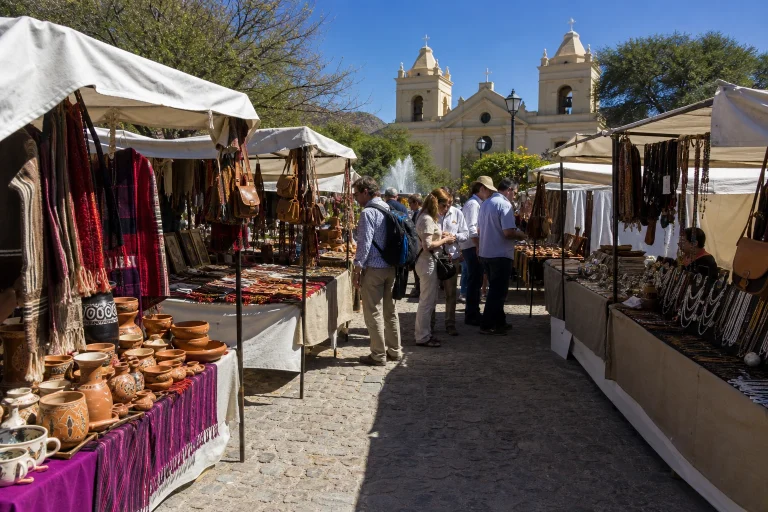
Best Markets in the Andes
Plan a craft-focused route through northwest Argentina with Cafayate’s artisan fairs, Seclantás’s textile makers, San Lorenzo, San Francisco…