The Andes Winter Travel Guide
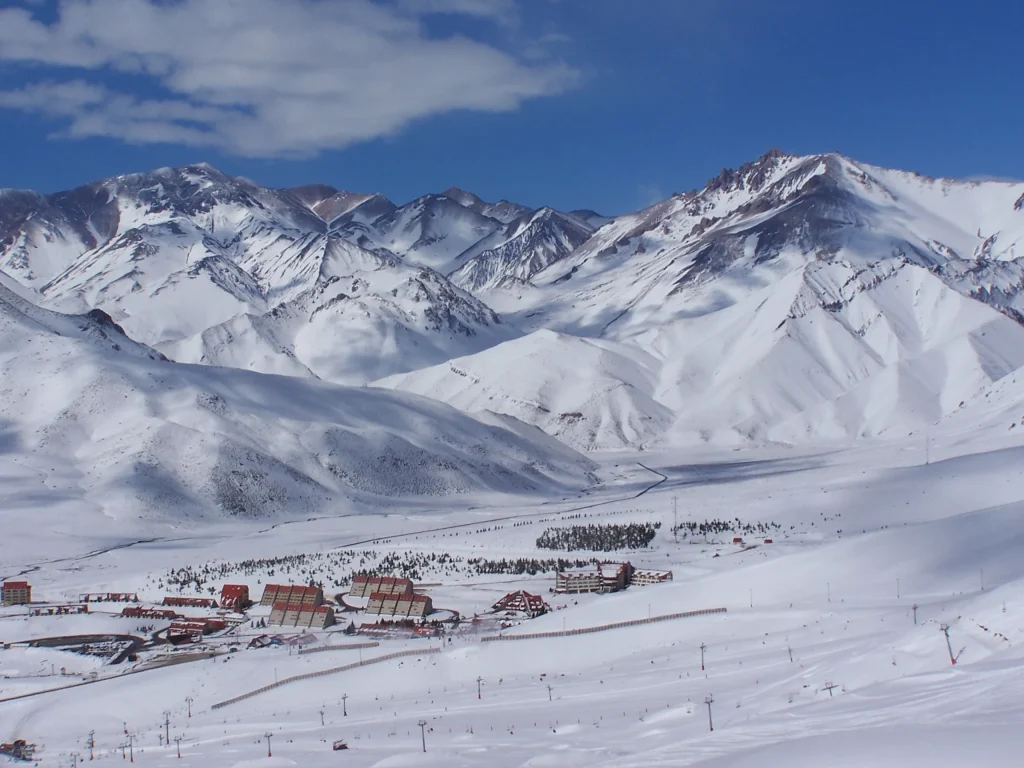
The Andes Winter Travel Guide focuses on Argentina, where winter travel takes on distinct forms rather than following one interchangeable mountain formula. Mendoza combines snowy Andes scenery with wine, hot springs and Las Leñas. In northern Patagonia, Bariloche and Cerro Catedral offer one base, while San Martín de los Andes and Chapelco offer another. The right choice depends on whether you want a snow-centered break, a broader mountain road trip, or a flexible mix of both.
Start with the winter experience you want
- Choose Mendoza for a winter itinerary that can combine snow time with wine, hot springs and Las Leñas.
- For skiing in Mendoza, place July and August at the top of your planning window, then check current snow, lift and road conditions close to travel.
- Use Bariloche and Cerro Catedral or San Martín de los Andes and Chapelco for northern Patagonia snow travel.
- Leave room for weather changes. Winter can alter road access, park circuits, trail conditions and activity schedules.
- Use transfers or buses if you do not want winter-driving responsibilities. In snowy conditions, a rental car requires serious preparation.
- Budget separately for major variable costs such as ski access, equipment rental, lodging and transport. National-park entry fees are only one part of the trip.
A successful winter itinerary begins with a realistic pace. Pick one main snow experience, add a second activity that works in poor visibility or fresh snowfall, and keep a weather buffer before any important onward journey. This makes a shorter trip more enjoyable than trying to connect several mountain towns on a rigid daily schedule.
Mendoza for snow with food, wine and warm-water downtime
Mendoza suits travelers who want their Andes winter trip to extend beyond the slopes. Its winter appeal combines mountain scenery and snow with the region’s wine, hot springs and Las Leñas. This is the better fit for a trip where a snowy day is important but does not need to fill every day. Build the route around one or more snow days, then keep the remaining time open for the experiences that make Mendoza feel distinct.
Northern Patagonia for mountain-town bases and snow centers
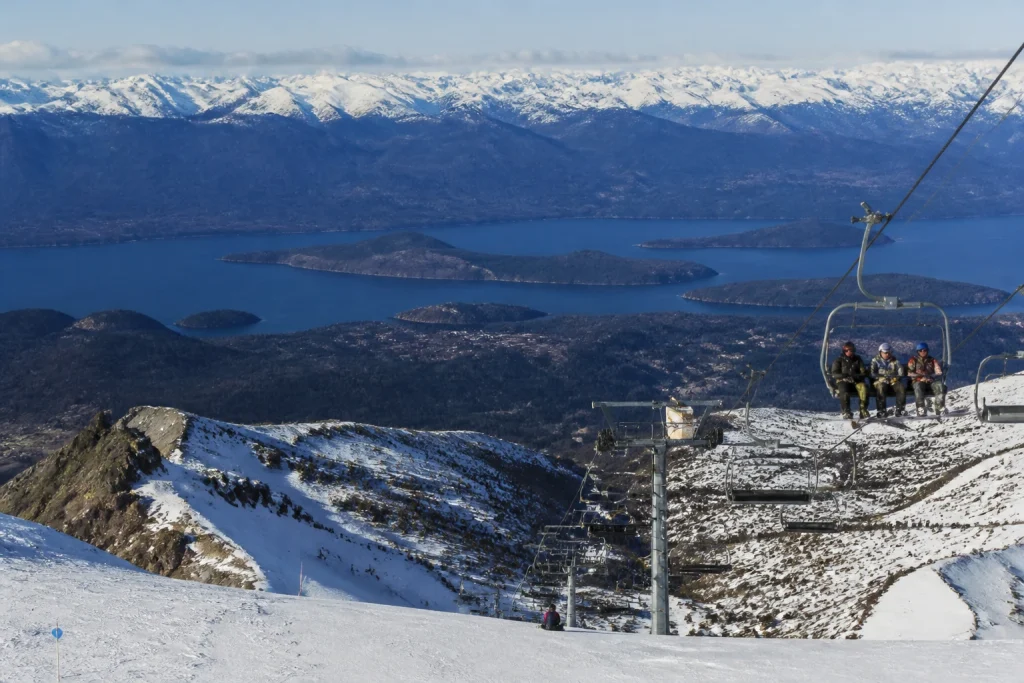
Northern Patagonia gives you two practical clusters. Bariloche and Cerro Catedral work naturally together, with Villa La Angostura within reach for travelers building a wider lakes-and-mountains route. San Martín de los Andes is another strong base: Chapelco lies about 24 kilometres away via RN 40 and RP 19, and the surrounding Lanín area also includes snow parks and the Lago Hermoso mountain-activity center.
Choose one cluster as your anchor rather than treating all of Patagonia as a single resort area. A Bariloche stay is useful for travelers who value its airport gateway and access toward Villa La Angostura. San Martín de los Andes is a compelling alternative for those who want Chapelco alongside beginner-oriented snow activities in the Lanín area. Both reward an itinerary that gives weather the final say.
Pick dates with snow conditions and daylight in mind
July and August are the months Argentina’s national tourism board highlights for skiing in Mendoza. That seasonal window is a useful starting point, not a promise of identical conditions every day. Snowfall, lift operations and mountain-road access can change quickly, so check the selected ski center’s current operating information and the road report shortly before departure.
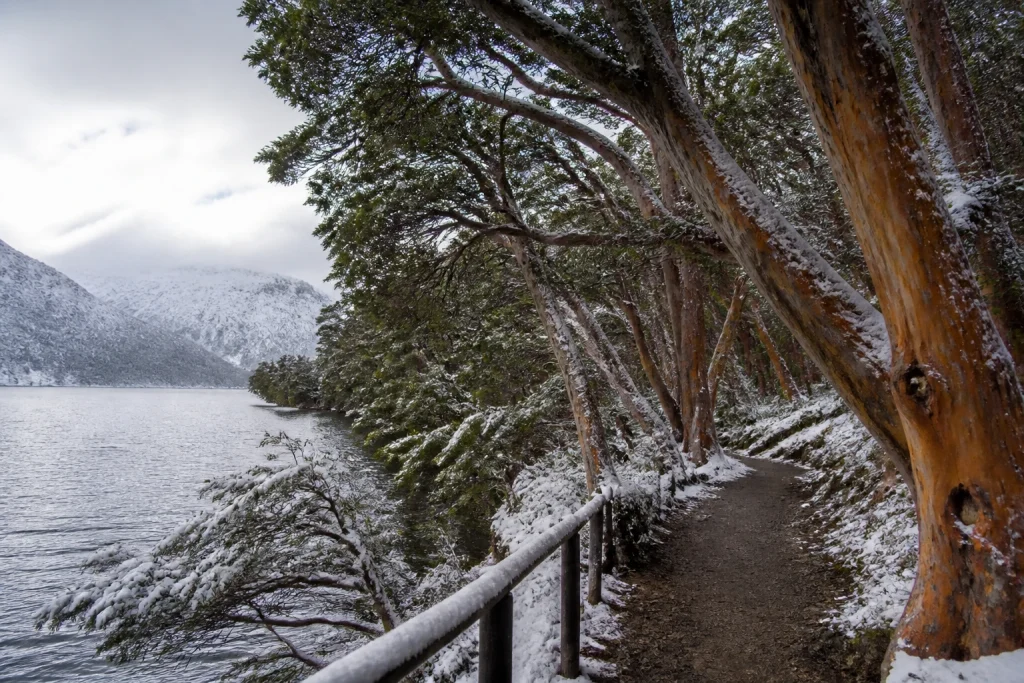
Winter also changes the rhythm of sightseeing. Los Arrayanes National Park uses a winter schedule from March 16 through October 31, with earlier final entry times for walking, cycling and boat-linked visits than in summer. Plan park activities early in the day, particularly when transport, weather and reduced daylight must all line up.
Avoid packing each day with fixed commitments. A clear morning can turn into an icy drive or a closure later in the day, while a delayed snow activity can be perfectly worthwhile on the following morning. Treat the forecast, road status and enabled activities as part of the day’s breakfast routine.
Choose snow play or technical winter trekking with care
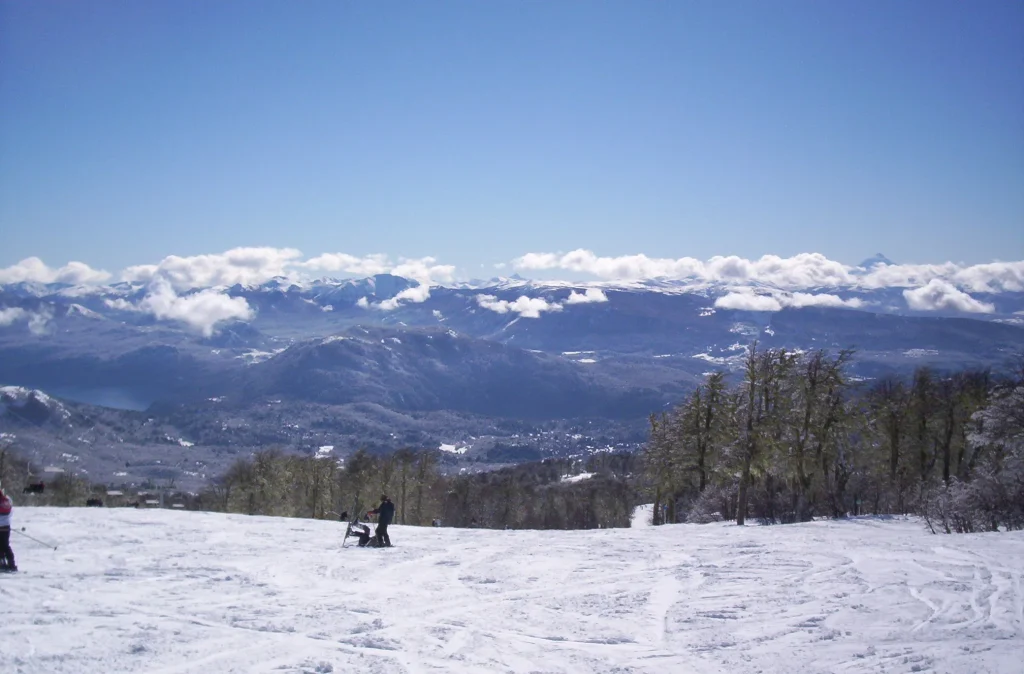
For first-timers, families and travelers who want a straightforward day in the snow, look toward the beginner and family-oriented options around Catedral, Chapelco and Lanín-area snow parks. These experiences let you enjoy snow travel without turning the trip into a technical expedition. Confirm the day’s available activities directly with the chosen center, as weather and operating conditions shape what runs.

Winter hiking is a separate kind of trip
Do not approach a winter trail as a cooler version of a summer walk. In Los Glaciares National Park, trails can become extremely difficult between May and September because of ice, mud and snow. The park requires poles and crampons for winter hiking. Choose this kind of outing only with suitable equipment, relevant experience and an up-to-date check of trail conditions and permitted activities.
Frozen lakes, ponds and other bodies of water are never a shortcut. National Parks guidance specifically warns visitors not to enter frozen water. Stay on enabled routes, tell someone your plan when heading into a remote sector, and do not count on mobile coverage once you leave more populated areas.
A simple weather-flexible trip structure
Start with one arrival and orientation day, followed by a primary snow day while conditions are favorable. Keep the next day for a lower-commitment snow activity, a park visit with suitable access, or Mendoza’s wine and hot-spring side of the trip. Save one final day as a buffer before flights or long overland connections. This rhythm works better in winter than a tightly sequenced route with no recovery time.
Use the right gateway and do not overpromise transport connections
For the Bariloche and Villa La Angostura area, Teniente Luis Candelaria Airport in Bariloche is followed by an 83-kilometre overland journey to Villa La Angostura. Aviador Carlos Campos Airport near San Martín de los Andes is another gateway, with a 132-kilometre overland journey to Villa La Angostura. Transfers and long-distance buses are among the options, and Bariloche city bus line 72 connects the city with its bus terminal.
Air routes vary by season, so build the plan around the flights and ground connections actually available for your dates rather than assuming a particular nonstop service. For Chapelco, San Martín de los Andes offers a clear base, with the ski center about 24 kilometres away via RN 40 and RP 19. Check departure points and pickup details in the booking confirmation before planning the rest of the day.
Decide between a winter rental car and transfers
A car creates freedom to link mountain towns, viewpoints and parks at your own pace. It also makes you responsible for changing surfaces, equipment and timing. In Los Glaciares National Park, winter road travel requires approved chain-link chains and/or studded tires because snow, frost and ice affect park roads. Persistent ice can be hard to spot in shaded sections.
That requirement applies to Los Glaciares and should not be treated as a universal rule for every Argentine Andes destination. Still, it captures the essential winter trade-off: drive only if you are prepared for the conditions and local requirements. Transfers and buses remove the driving burden, but their schedules remain vulnerable to weather and road disruptions.
Budget for variable mountain costs and fixed park fees
Ski access, rental gear, accommodation, airport transfers and intercity transport are the big variables in a winter Andes budget. Prices differ by date, provider and booking type, so obtain current quotes for the specific ski center, carrier and lodging you choose. Avoid building a budget around an old package price or a fixed foreign-currency conversion.
| National park | Listed general daily entry fee | Effective date |
|---|---|---|
| Nahuel Huapi National Park | ARS 35,000 | June 1, 2026 |
| Los Arrayanes National Park | ARS 35,000 | June 1, 2026 |
| Los Alerces National Park | ARS 35,000 | June 1, 2026 |
| Lanín National Park | ARS 35,000 | June 1, 2026 |
| Los Glaciares National Park | ARS 50,000 | June 1, 2026 |
These are the listed general daily rates, not an all-in trip cost. Argentina’s National Parks Administration also lists lower categories for Argentine nationals, provincial residents and students. Re-check the entry fee before purchase, since park charges are denominated in Argentine pesos and can change.
Pack in layers and make day-of-travel checks routine
Use a layering approach for snow travel so you can adjust as temperatures, wind and activity levels change. Gear can be rented or purchased in major winter gateways including Mendoza and Bariloche, which can lighten a flight bag. Confirm rental inventory, sizing and current opening hours locally, especially during busy snow periods.
- Check the updated forecast, road report and enabled activities before setting out.
- Expect closures of roads, circuits and trails when weather demands it.
- Carry the equipment required for the specific activity and park, rather than assuming one winter kit works everywhere.
- Stay out of frozen bodies of water.
- Assume mobile reception can be weak or absent in remote park sectors and plan accordingly.
Winter access needs deserve planning early. Details on step-free transfers, adaptive snow-sport equipment, accessible toilets and trail surfaces vary by provider and are not uniform across the region. Travelers with mobility, sensory or medical access needs should contact their chosen ski center, accommodation and transfer provider before booking, then leave room for weather-related changes.
Travelers adding higher-elevation stops can also use Altitude in the Andes: A Plain-English Acclimatisation Guide as a companion resource while shaping a broader mountain itinerary. It is most useful to settle practical preparation before the first busy day in the snow.
Make Argentina’s Andes winter work for your travel style
Argentina’s Andes are a rewarding winter choice for travelers who plan around one region, one priority snow experience and a little weather flexibility. Pick Mendoza for a varied break that pairs mountain time with wine and hot springs. Pick northern Patagonia for Bariloche, Cerro Catedral, San Martín de los Andes and Chapelco. The main limitation is winter volatility, so check conditions close to departure and let the mountains set the daily pace.
Frequently asked questions
When is the best time to ski in Mendoza?
July and August are the months highlighted for skiing in Mendoza. Check current snow conditions, lift operations and road access close to travel, since the seasonal window does not guarantee the same conditions every day.
Which Argentine Andes base is best for a first winter trip?
Mendoza is a strong choice for travelers who want snow alongside wine and hot springs, while Bariloche and San Martín de los Andes are better fits for northern Patagonia snow travel. Choose one base that matches your priorities instead of trying to cover every mountain area in one trip.
Can beginners enjoy snow activities in the Argentine Andes?
Yes. Family and beginner-oriented snow options are available around Catedral, Chapelco and snow parks in the Lanín area. Confirm the activities available on your date because weather and operating conditions can affect the program.
Do I need a car for an Andes winter trip?
No. Transfers and buses are available in the Bariloche and Villa La Angostura area, and San Martín de los Andes is a base for reaching Chapelco. A car gives more flexibility, but winter driving can require specialized equipment and close attention to road conditions.
How much are Argentina’s national-park entry fees in 2026?
The listed general daily rate effective June 1, 2026 is ARS 35,000 for Nahuel Huapi, Los Arrayanes, Los Alerces and Lanín, and ARS 50,000 for Los Glaciares. Re-check before purchase because fees can change and lower categories apply to some visitors.
Is winter hiking in Patagonia suitable for casual walkers?
Winter hiking requires more preparation than a summer walk. In Los Glaciares, May-to-September trails can become extremely difficult because of ice, mud and snow, and poles and crampons are required for winter hiking.
Las Leñas brings a snow-focused dimension to a broader Mendoza winter trip by Andre Charland from Canada, CC BY 2.0.
