The Andes Spa and Wellness Guide
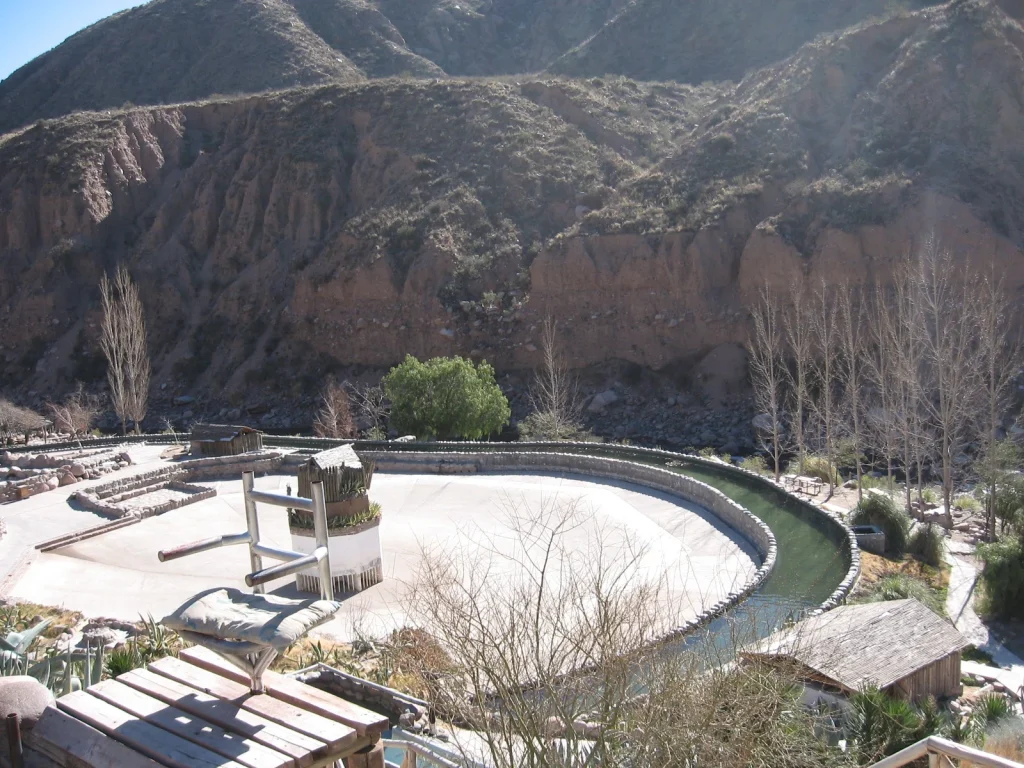
Argentina’s Andean wellness scene is shaped by thermal water and mountain terrain. The main experiences include open-air hot springs, hydrotherapy-style facilities, hotel spas, mud and steam treatments, and naturally formed pools. They are spread across several provinces rather than joined into one continuous luxury-spa circuit, so choosing the right base matters as much as choosing the treatment.
Cacheuta is the clearest starting point for a first wellness trip, especially when Mendoza is already on the itinerary. Termas de Reyes works well near San Salvador de Jujuy, while Fiambalá, Copahue, Rosario de la Frontera, and Termas del Jordán reward travelers willing to devote more time to the journey or landscape.
- Choose Cacheuta for convenient access from Mendoza and the broadest mix of pools and spa-style facilities.
- Pair Termas de Reyes with San Salvador de Jujuy for a relatively short northern escape.
- Pick Termas del Jordán when natural turquoise pools and a Yungas setting matter more than resort amenities.
- Allow dedicated travel time for Fiambalá, Copahue, or Rosario de la Frontera.
- Reserve early for high season and long weekends, then recheck weather, roads, and operating status before departure.
How wellness travel works in the Argentine Andes
The defining experience is a thermal soak framed by dry foothills, forested valleys, or volcanic terrain. Some destinations add restaurants, lodging, showers, massage-style treatments, and structured bathing facilities. Others are valued for naturally occurring pools and the surrounding landscape. That distinction should guide the itinerary: a developed complex is easier for a spa day, while a remote natural setting calls for more transport planning.
These places should be approached as wellness and recreation destinations, not as substitutes for medical care. Tourism descriptions often emphasize the qualities of mineral or thermal water, but they do not establish that a soak will treat a health condition. Travelers with heart conditions or blood-pressure issues are advised to consult a doctor before using thermal facilities.
A successful plan leaves room around the soak. Mountain temperatures can change sharply, roads can be affected by weather, and the most remote springs require meaningful overland travel. Avoid squeezing a major drive and a lengthy thermal session into an already crowded sightseeing day. The point is to slow the pace, not to turn relaxation into another race against the clock.
Compare the main Andean thermal destinations
| Destination | Best suited to | Setting and facilities | Planning commitment |
|---|---|---|---|
| Cacheuta, Mendoza | First visits and Mendoza-based trips | Outdoor mountain pools, spa-style bathing facilities, restaurants, and lodging options | About 40 km from Mendoza city; one or two days work well |
| Termas de Reyes, Jujuy | A short wellness break near a provincial capital | Hot thermal water, viewpoints, restaurant, and hotel stay | About 19 km north of San Salvador de Jujuy |
| Termas del Jordán, Jujuy | Nature-led bathing | Naturally occurring turquoise pools in the Yungas and Calilegua area | Requires more preparation than a city spa add-on |
| Termas de Fiambalá, Catamarca | A remote Andes-focused journey | Fourteen mountainside pools with varied temperatures | About 15 km beyond Fiambalá after a substantial overland approach |
| Rosario de la Frontera, Salta | Hotel-based thermal treatments | Thermal baths and treatments linked to a hotel setting | About 174 km from Salta city |
| Copahue, Neuquén | Volcanic thermal experiences | Water, mud, steam, algae, and lagoons near the Andes | Best treated as a specialist destination rather than a simple city day trip |
There is no single choice that suits every traveler. Cacheuta offers the easiest balance of access and amenities. Reyes reduces travel time in northern Argentina. Jordán emphasizes nature, while Fiambalá and Copahue make the thermal landscape a central reason for the journey. Rosario de la Frontera suits travelers comfortable building a longer detour around a hotel-based stay.
Cacheuta combines Mendoza access with extensive facilities
Cacheuta is the most straightforward thermal addition to a Mendoza itinerary. It lies about 40 km from the city along Provincial Route 82, and the journey is described as taking about one hour. The destination sits at roughly 1,245 meters above sea level. A full day is enough for a focused visit, while one or two days allow a less hurried stay.
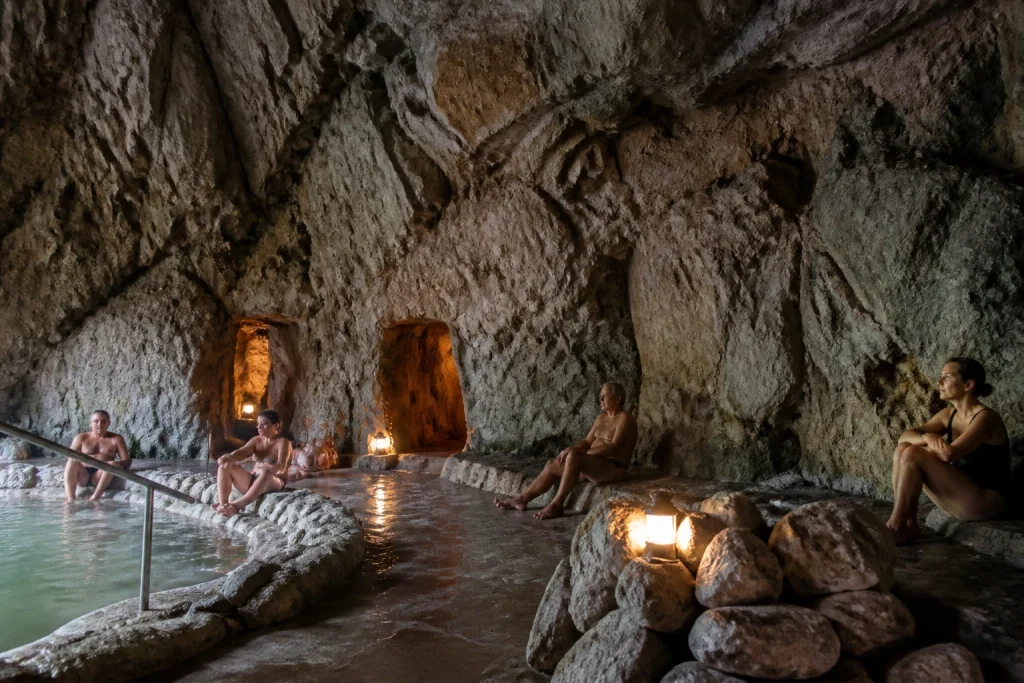
Its appeal lies in variety. Outdoor mountain pools are joined by foot baths, hydromassage showers, bubble baths, a solarium, Finnish and Scottish showers, and a sauna inside a natural cave. Restaurant service, hotel facilities, a thermal water park, and an adventure-tourism base broaden the experience beyond soaking alone.
Cacheuta works particularly well for travelers who want a wellness day without redesigning an entire Argentina itinerary. Build it into the Mendoza portion of the trip and resist adding a long list of unrelated stops that afternoon. Anyone extending the journey across the border or deeper into the region can use the Chile and Argentina destination guide to frame the wider route.
Autumn, spring, and winter are especially suitable seasons for Cacheuta. Summers are dry and can bring large temperature swings. Winters are more humid, and snowfall is possible. Pack for the air temperature as well as the water, and check the road, forecast, and facility status close to departure.
Termas de Reyes is the easiest northern city escape
Termas de Reyes sits about 19 km north of San Salvador de Jujuy, making it the most convenient northern option in this guide. Its thermal water exceeds 40°C, and the visit can include viewpoints, a restaurant, and a hotel stay. This combination works for a day outside the city or a short overnight break.
San Salvador de Jujuy is reached by air through Dr. Horacio Guzmán Airport. Direct flights from Buenos Aires take about two hours and 15 minutes. Travelers arriving by air should still plan the final ground transfer before booking a thermal session, since the airport, city accommodation, and springs are separate parts of the journey.
Reyes is the practical choice when time is limited but a city-based spa is not the goal. Its valley setting adds scenery without demanding the deeper expedition associated with Termas del Jordán. Staying overnight can also create a useful pause before continuing through Jujuy, though the ideal length depends on the wider route.
Termas del Jordán favors nature over resort polish
Termas del Jordán offers a distinctly nature-led experience in the Yungas and Calilegua National Park area. Naturally occurring turquoise pools sit within dense subtropical surroundings, and the water is described at around 30°C. The atmosphere is shaped more by forest and natural color than by an extensive menu of developed spa facilities.
Choose Jordán for the setting, not for convenience. Its deeper location demands more preparation than a short transfer outside San Salvador de Jujuy. Transport, trail or access conditions, weather, and current entry arrangements should all be settled before setting out. Keep the day flexible enough to respond to conditions in the Yungas.
Autumn and spring are generally the more comfortable periods for travel in Jujuy. Summer can be hot, and rainfall is abundant in the province’s southeast, where the greener Yungas landscape differs sharply from the arid highlands. Seasonal conditions therefore affect more than comfort; they can also shape access and the pace of the excursion.
Fiambalá turns the thermal stay into an Andean journey
Termas de Fiambalá is built around 14 mountainside pools with temperatures ranging between 28°C and 51°C. The springs sit about 15 km from Fiambalá in Catamarca, placing stark Andean terrain at the center of the experience. This is a strong choice for travelers who want the journey and landscape to feel as important as the soak.
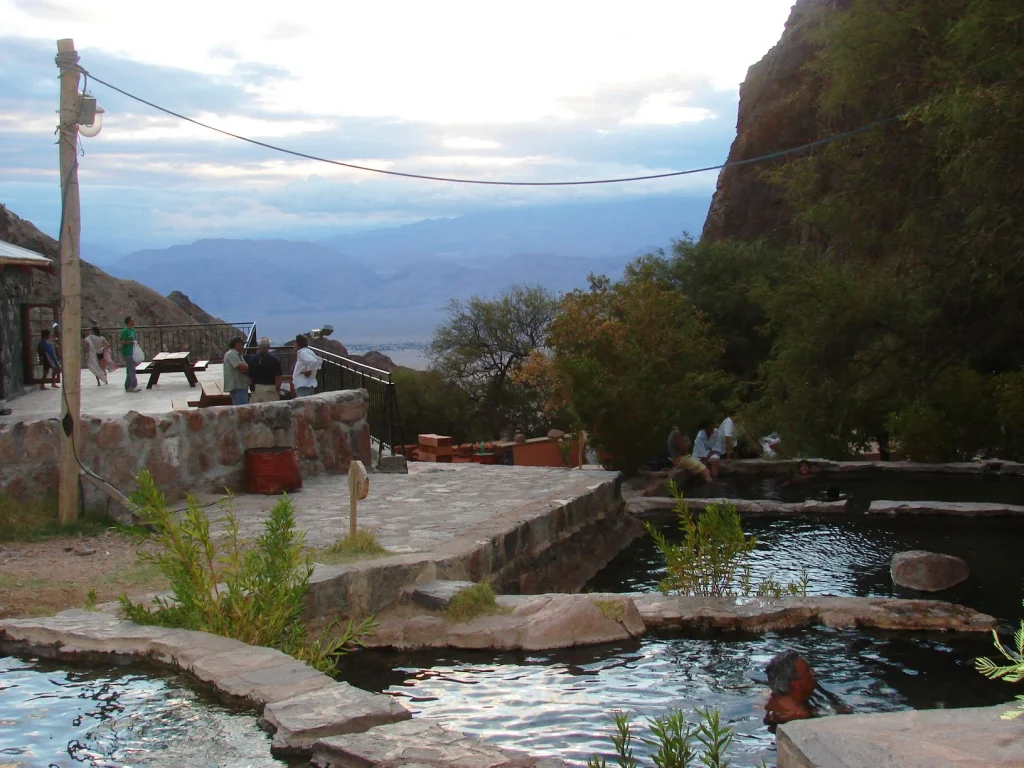

The overland approach from San Fernando del Valle de Catamarca follows National Route 60 through several towns. Tinogasta is roughly 70 km from Fiambalá, followed by another 15 km on a paved road to the springs. These distances make Fiambalá better suited to a dedicated road itinerary than an improvised day trip from the provincial capital.
Plan the sequence before committing to accommodation or entry. Decide where to sleep, how the final road segment fits into daylight hours, and how much time to leave for the pools. A slower schedule also provides room for rest after the drive instead of forcing an immediate turnaround.
Copahue and Rosario de la Frontera suit specialist detours
Copahue in Neuquén stands apart for its volcanic thermal environment at the foot of the Andes. Its wellness offering includes water, mud, steam, algae, and lagoons. Travelers drawn to geothermal landscapes and a wider range of thermal materials will find a different experience here than at a conventional hotel spa or a single hot pool.
Rosario de la Frontera offers hotel-based thermal baths and treatments in Salta Province. At about 174 km from Salta city, it requires more commitment than a short urban excursion. It makes the most sense when the stay itself is a substantial part of the itinerary rather than a minor stop between city attractions.
Treat both destinations as specialist choices. Their value lies in making thermal wellness a central theme, but the additional travel reduces their usefulness for a tightly scheduled first visit. Confirm current operating status and local conditions before building flights, long drives, or nonrefundable lodging around either destination.
Choose the season around climate and road conditions
Thermal travel is promoted as a year-round possibility in Argentina, but that broad idea does not guarantee access to every pool on every date. Weather, road conditions, maintenance, and local operating seasons can change the practical picture. Check the specific destination shortly before travel, especially when a long drive or winter weather is involved.
| Period | Planning advantages | Main considerations |
|---|---|---|
| Autumn | Comfortable conditions in Jujuy and a recommended period for Cacheuta | Cooler air calls for layers around outdoor pools |
| Winter | A recommended Cacheuta season and a natural fit for hot-water bathing | Snowfall is possible around Cacheuta; check roads and forecasts |
| Spring | Generally comfortable in Jujuy and recommended for Cacheuta | Book ahead around high-demand weekends |
| Summer | Longer daylight can help with road itineraries | Cacheuta has dry conditions and large temperature swings; Jujuy can be hot, with abundant rain in the southeast |
High season and long weekends call for advance reservations. This is particularly important when accommodation, meals, treatments, or a transfer must work together. Recheck the forecast and road information close to departure rather than assuming the conditions seen in the nearest city will match those at the springs.
Build an itinerary around one thermal region
A focused itinerary is more rewarding than trying to connect every destination. For a first trip, base in Mendoza and give Cacheuta a full day or overnight stay. In northern Argentina, combine San Salvador de Jujuy with Termas de Reyes, then consider Jordán only if time, transport, and conditions support a more nature-led outing.
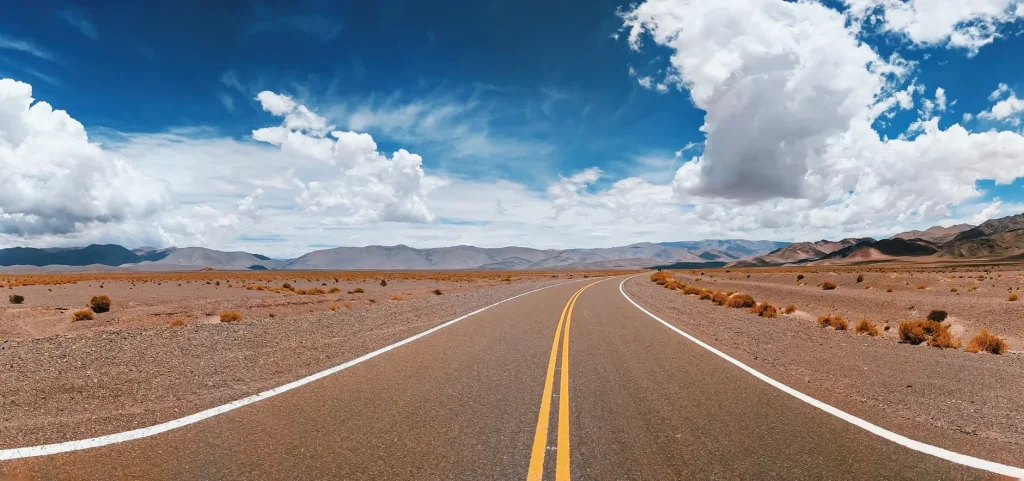
Fiambalá deserves its own Catamarca road segment. Copahue and Rosario de la Frontera also work better as anchors than as rushed additions. This approach reduces backtracking and gives each thermal stop enough breathing room to feel restorative. The wider article on the best places to visit in the Andes for first-time visitors can help balance wellness days with broader regional highlights.
Some travelers will combine a thermal stop with higher Andean destinations elsewhere in the trip. In that case, use the plain-English Andes acclimatisation guide to plan gradual altitude changes. Do not assume that time spent at one spa prepares the body for a later high-elevation excursion, particularly when the itinerary climbs substantially afterward.
Confirm prices, access, and health needs before booking
Admission, treatments, meals, accommodation, and transfers can be sold separately or combined, depending on the facility and date. Obtain a dated quote from the specific operator before booking. Pay particular attention to weekend and holiday terms, treatment inclusions, meal arrangements, transfer details, payment methods, and cancellation conditions.
Do not assume that a developed thermal complex is step-free. Travelers needing mobility accommodations should request confirmation for the exact facility and date, including changing areas, routes to the pools, water-entry assistance, adapted rooms, and transportation. Natural pools and mountain settings can create additional obstacles even when the main access road is paved.
People with heart conditions or blood-pressure issues should consult a doctor before visiting thermal facilities. Follow any on-site instructions concerning bathing duration and facility use. If a destination offers treatments involving mud, steam, or other thermal materials, choose them as wellness experiences rather than relying on unsupported medical promises.
Pack for hot water and cool mountain air
A swimsuit, sunscreen, and warm layers form the core packing list for Cacheuta and make sense for a wider thermal itinerary. The contrast between hot water and mountain air can be sharp, particularly outside summer. Choose layers that are easy to remove and put back on after bathing.
- Swimsuit and a dry change of clothes
- Sunscreen for exposed outdoor pool areas
- Warm, easy-to-layer clothing
- Secure footwear suited to the specific facility or natural setting
- Booking confirmation and transport details
- Any personal items required for health or mobility needs
Check whether towels, robes, lockers, and bathing accessories are included before packing. Their availability can depend on the chosen admission or accommodation package. For remote outings, keep essential clothing and booking details with you rather than buried in luggage that will remain at another hotel.
Select the experience that matches your travel pace
Choose Cacheuta for the simplest introduction to Andean wellness and a strong range of facilities. Pick Termas de Reyes for an efficient break near San Salvador de Jujuy, or Jordán for a more natural Yungas setting. Commit to Fiambalá, Copahue, or Rosario de la Frontera when thermal landscapes and treatments deserve a larger share of the itinerary.
The main limitation is distance. Argentina’s Andean thermal destinations are dispersed, and several demand long road segments or careful seasonal planning. Select one region, confirm the current conditions and booking details, and leave enough time to enjoy the water without watching the clock. That slower rhythm is what turns a hot-spring stop into a genuine wellness journey.
Frequently asked questions
Which Andean spa destination is best for a first visit to Argentina?
Cacheuta is the most straightforward choice for a first visit. It is about 40 km from Mendoza city and combines outdoor pools with spa-style facilities, restaurants, and lodging options.
Can Cacheuta be visited as a day trip from Mendoza?
Yes, Cacheuta works well as a full-day trip from Mendoza. The journey is described as taking about one hour, while an overnight stay allows a slower experience.
Which hot spring is closest to San Salvador de Jujuy?
Termas de Reyes is the convenient choice near San Salvador de Jujuy. It sits about 19 km north of the city and includes thermal water, viewpoints, a restaurant, and hotel accommodation.
Where can I find natural turquoise thermal pools in Jujuy?
Termas del Jordán has naturally occurring turquoise pools in the Yungas and Calilegua National Park area. Its deeper natural setting requires more preparation than a city-based thermal visit.
What is the best season for an Andean thermal trip?
Autumn and spring offer comfortable conditions for several destinations, while winter is also recommended for Cacheuta. Weather, roads, and facility schedules still need to be checked for the specific travel date.
How much do Andean hot springs cost?
Prices depend on the destination, date, and selected combination of entry, treatments, meals, lodging, and transport. Obtain a dated quote from the specific operator before booking, especially for weekends and holidays.
Are Argentina’s Andean thermal facilities accessible?
Accessibility differs by facility and should be confirmed for the exact destination and date. Ask specifically about step-free routes, changing areas, pool entry, adapted rooms, and transportation arrangements.
Are hot springs suitable for travelers with heart or blood-pressure conditions?
Travelers with heart conditions or blood-pressure issues should consult a doctor before using thermal facilities. Thermal experiences should not be treated as substitutes for medical care.