The Andes Travel Mistakes to Avoid
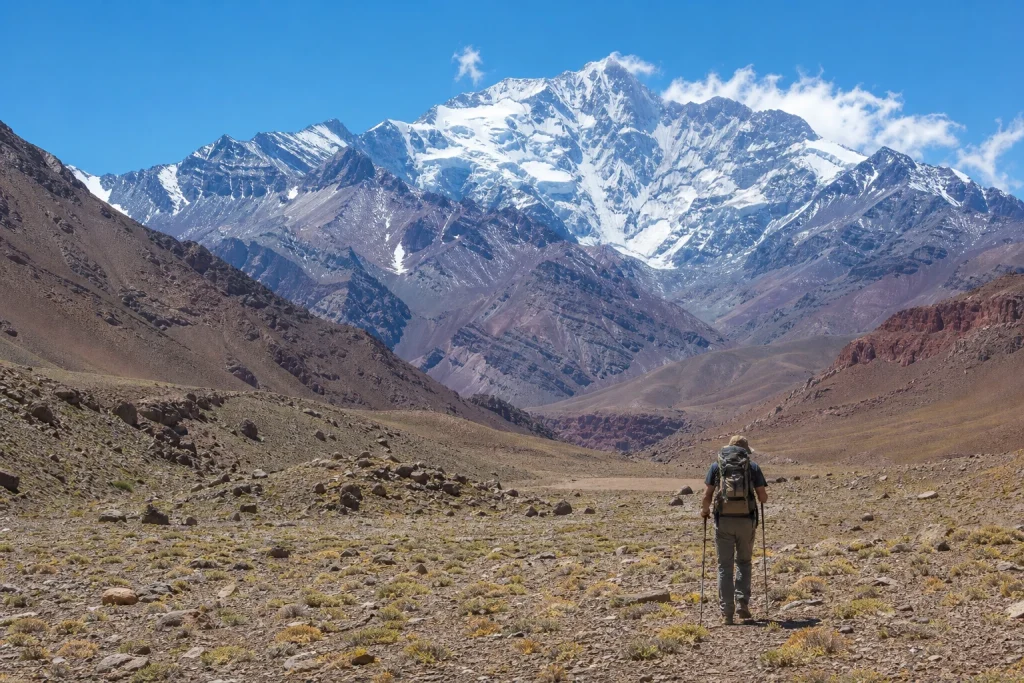
The Argentine Andes reward thoughtful planning. Snowy peaks, windswept trails, glacial lakes, vineyard country, and long mountain roads belong to the same broad mountain world, but they do not share one season, one pace, or one set of logistics. The most expensive mistakes usually begin before departure: trying to cover too much ground, packing for the wrong conditions, or treating serious mountain terrain like a casual detour.
- Choose one or two mountain regions rather than building a cross-country checklist.
- Match your dates to the activity and destination, not to a generic idea of Andean weather.
- Treat Aconcagua, remote roads, and marked hiking trails as plans that require preparation.
- Carry layers, sun protection, water, and enough supplies for changing conditions.
- Price transport, lodging, guides, permits, and equipment separately for your exact dates.
Mistake 1: Treating the Argentine Andes as one easy itinerary
Argentina stretches for more than 4,300 kilometres from north to south, and its mountain destinations are spread across enormous distances. Mendoza, Bariloche, El Chaltén, and Ushuaia should not be treated as nearby stops on a single road trip. Flights serve major gateways, while long-distance buses connect many regional destinations, but travel days still shape the rhythm of a trip.
A better approach is to choose a single base region and build outward. Mendoza suits a trip centered on the Central Andes and Aconcagua country. Northern Patagonia works for lake districts, winter sports, and forested mountain roads. Patagonia hiking itineraries need their own time and weather buffer. For a broader shortlist, Best Places to Visit in the Andes for First-Time Visitors is a useful companion for narrowing the map before booking transport.
Plan travel days as part of the holiday
Do not bury flights, bus journeys, car collection, and return travel beneath a packed sightseeing schedule. A route with fewer bases usually gives you more time for the good parts: lingering over a lake view, adjusting to wind or rain, or choosing a hike after checking local conditions. In the Andes, an unhurried itinerary is a practical advantage, not a compromise.
Mistake 2: Choosing dates by calendar month alone
Argentina is in the Southern Hemisphere, with summer running from December 21 to March 20 and winter from June 21 to September 20. For Patagonia hiking and other outdoor activities, November through March is a strong planning window. For winter sports around Bariloche, Villa La Angostura, and San Martín de los Andes, June through September is the established winter period.
Those windows are useful starting points, not promises of perfect conditions. Snowfall, road access, lift operations, wind, visibility, and trail status change with the weather. Check local forecasts and the current status of roads, lifts, parks, and planned trails shortly before leaving. Build a flexible day into any itinerary that depends on mountain scenery or outdoor activity.
Mistake 3: Adding Aconcagua as a quick Mendoza side trip
Aconcagua is a serious high-mountain environment, not an interchangeable add-on to a city break in Mendoza. Horcones, the park access area, sits at 2,800 metres and lies 185 kilometres from Mendoza city via National Route 7. Official guidance recommends allowing two to five days for the area, while the operating season is generally November through March because weather governs access.
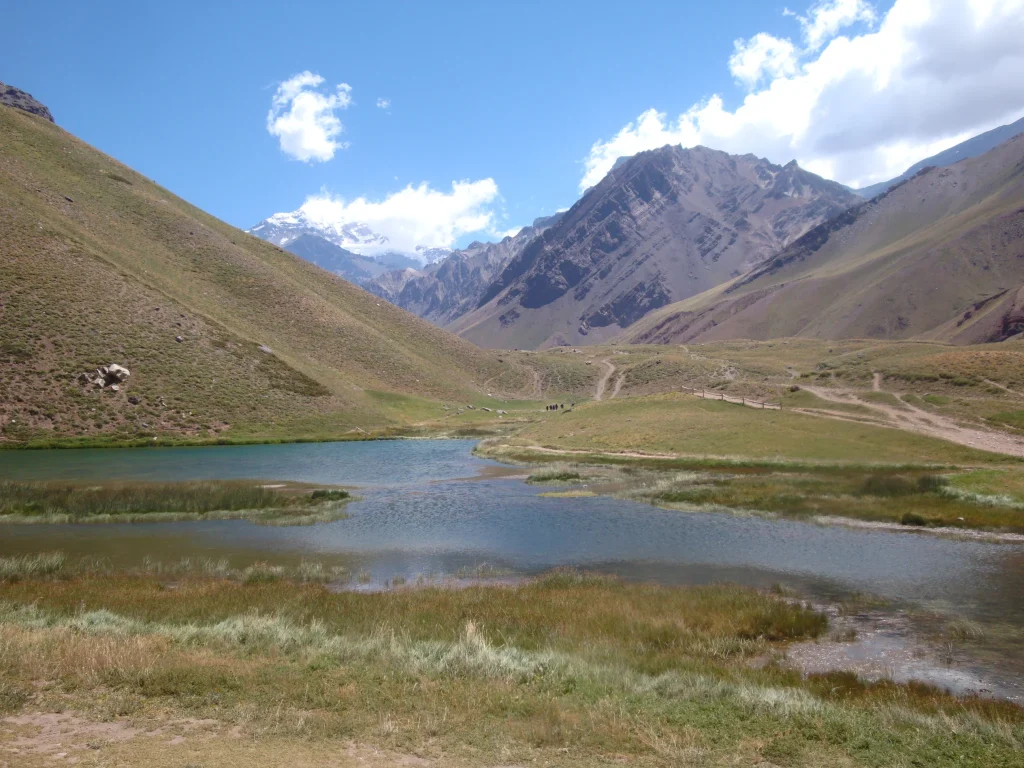

The mountain also demands the right distinction between sightseeing and mountaineering. Aconcagua requires technical mountaineering equipment, so never assume that a standard daypack and enthusiasm are enough for a higher-altitude objective. Set aside time for the journey, altitude, park procedures, and weather. A plan that feels modest on a map can become demanding once the road climbs into the mountains.
Give the high country its own place in the itinerary
If Aconcagua country is a priority, make it the centerpiece of several days rather than squeezing it between winery visits and a departure flight. Suitable medical and evacuation coverage is especially important for remote or high-altitude travel. The same principle applies throughout the Argentine Andes: the more isolated the setting, the less sensible it is to trim the preparation.
Mistake 4: Packing for town weather instead of mountain weather
Mountain temperatures can swing sharply across a day, and sunshine at altitude is unforgiving. Pack adjustable layers, a waterproof outer layer, sturdy footwear suited to your activity, sun protection, water, snacks, and a small first-aid kit. Plan rest breaks and hydrate regularly. These basics matter more than a suitcase full of outfits that only work for a warm café terrace.
Bariloche illustrates the range. Summer days can reach 33°C, while winter temperatures can drop to -15°C, and nights can turn cool even in summer. Bring warm clothing year-round, then add activity-specific equipment only when it matches the conditions and the route. The site’s Altitude in the Andes: A Plain-English Acclimatisation Guide is particularly useful reading before building a high-elevation itinerary.
Mistake 5: Starting a trail without a current safety plan
A trail name on a map is not a green light to go. Before an authorized hike, register where required, speak with rangers, check the forecast, understand the route’s difficulty, and make sure you have enough daylight. Stay on marked paths and carry sufficient food and water. Conditions in protected mountain landscapes can shift far faster than a plan made over breakfast.
- Confirm the route, expected conditions, and turnaround time before setting off.
- Register before authorized hikes and follow ranger instructions.
- Carry enough water and food for the full route, plus a practical reserve.
- Do not rely on water from rivers or streams being safe to drink.
- Download or carry essential route information before departure because mobile coverage can be absent.
Do not improvise a campfire after a long day outdoors. Avoid fires where possible, use only permitted sites when one is necessary, and avoid lighting fires during drought. Protected areas are wild environments, with natural hazards that cannot be entirely controlled. Respecting those rules protects both the landscape and the people sharing it.
Mistake 6: Assuming buses and rental cars solve the same problem
Buses link many Patagonian destinations and can be a practical choice when you want to avoid driving. They do not erase the region’s long distances or provide the freedom to stop at trailheads, viewpoints, and small settlements on your own timetable. A rental car is useful for exploring remote areas, especially when your route depends on flexibility rather than city-to-city travel.
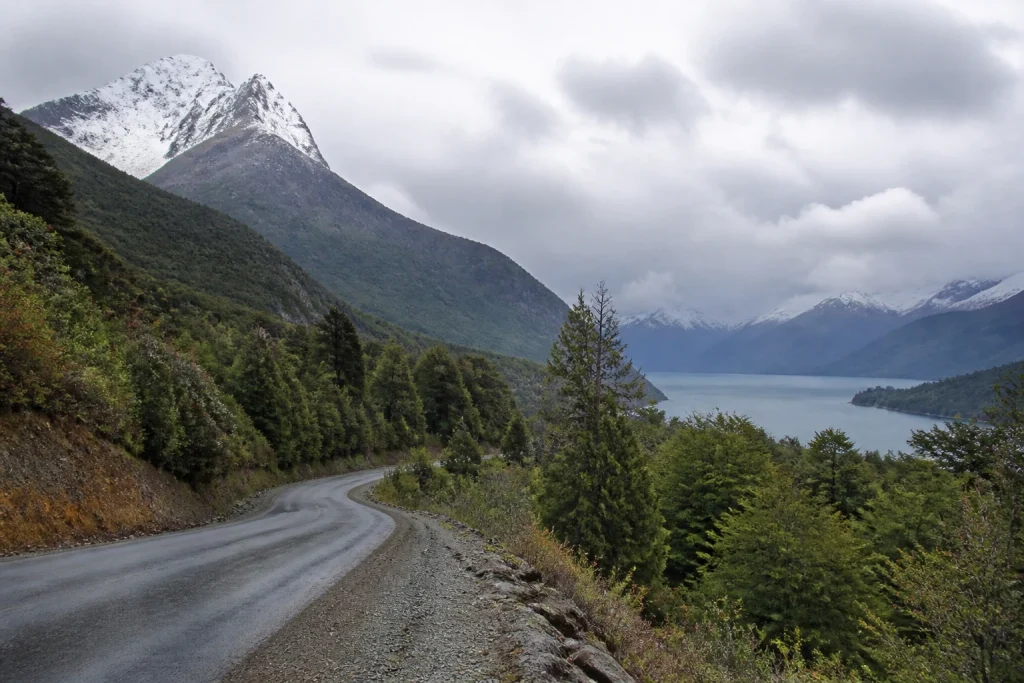
The tradeoff is responsibility. Drivers need to monitor route conditions, weather, and local driving requirements, particularly in winter or during changing mountain weather. Choose transport after deciding what you actually want to do each day. A bus-based city and lodge itinerary is very different from a road trip built around independent walks and remote scenery.
Mistake 7: Using one fixed number for an Andes budget
There is no single useful price for an Argentine Andes trip. Costs vary substantially by region, season, accommodation style, transport choice, park access, guiding needs, equipment rental, and insurance. A winter stay in a ski gateway has different priorities from a self-drive trip in Patagonia or an Aconcagua-focused mountain itinerary.
Build a live budget line by line for the exact route: transport into the region, local transfers or car hire, lodging, food, park or activity costs, guiding where needed, equipment, and insurance. Record each quote with the date checked and currency. This method is less glamorous than a single headline figure, but it prevents the planning mistake that matters most: discovering a major cost after everything else is fixed.
Mistake 8: Making assumptions about access, health cover, and conditions
Accessibility in the Andes is specific to the accommodation, vehicle, activity, and exact route. Do not assume a scenic road, hiking path, ski facility, transfer, or excursion has step-free access, adaptive equipment, or suitable assistance. Before booking, ask the relevant accommodation, transport provider, and activity operator to confirm the arrangements that matter to you in writing.
Likewise, do not cut medical and evacuation cover to save money. Remote travel and high altitude can make a simple problem much harder to manage. Choose insurance that fits the activities on your itinerary and includes medical and evacuation assistance. Review the policy’s activity and altitude terms before paying, especially if guided climbing, skiing, or remote hiking is part of the plan.
A better Argentine Andes trip starts with a narrower plan
The smartest Andes itinerary leaves room for distance, weather, and the simple pleasure of being in the mountains. Pick a region that fits your season and interests, allow genuine travel time, prepare properly for the terrain, and confirm the moving details close to departure. That approach suits first-time visitors and repeat travelers alike, and it turns a rushed checklist into a trip with space to breathe.
Frequently asked questions
How long should I allow for an Argentine Andes trip?
Allow enough time to focus on one or two mountain clusters rather than attempting a cross-country itinerary. Argentina’s north-to-south distances are vast, so flights, buses, and road travel need to be built into the trip rather than treated as quick connections.
What is the best season for hiking in Argentine Patagonia?
November through March is a strong period for Patagonia hiking and outdoor activities. Trail conditions and weather still need checking close to departure, as mountain access and visibility can change quickly.
Can I visit Aconcagua from Mendoza in a day?
Do not treat Aconcagua as a casual day trip. Horcones is 185 kilometres from Mendoza city and sits at 2,800 metres; official guidance recommends allowing two to five days for the area, with the usual operating season running from November through March.
Is it better to rent a car or travel by bus in the Argentine Andes?
A car offers useful flexibility for remote areas, trailheads, and independent sightseeing, while buses connect many regional destinations. Choose based on your route, then account for long distances and, if driving, current weather and road conditions.
What should I check before an Andean hike?
Check the specific route, forecast, difficulty, daylight, registration requirements, and ranger advice before setting out. Carry enough food and water, stay on marked paths, and do not depend on mobile coverage or untreated stream water.