The Andes for Couples Guide
Argentina’s Andes work best for couples when the journey is designed around one distinct region. Mendoza brings vineyard stays, wine tasting, and mountain or adventure activities into the same trip. Salta and Jujuy lean toward high-desert landscapes, colonial towns, regional food, folk music, and long scenic routes. Treat them as two different kinds of shared escape, then choose the pace and scenery that suit you both.
Choose the Argentine Andes experience you want to share
- Choose Mendoza for vineyard stays, tastings, mountain scenery, and adventure-oriented days.
- Choose Salta and Jujuy for high-desert landscapes, colonial towns, regional culture, and road or rail sightseeing.
- Match the season to the region, since Mendoza and the northwest have different strengths.
- Use regional gateways instead of trying to force the two areas into one hurried overland route.
- Give high-altitude experiences room in the schedule, especially the Train to the Clouds.
A short trip is more rewarding when it stays focused. Argentina is vast enough that seeing major highlights across its regions requires substantial time, so Mendoza and the far northwest should not be treated as interchangeable stops on a quick itinerary. For most couples, committing to one region creates more time for unhurried meals, changing weather, and the simple pleasure of not repacking every morning.
Mendoza for vineyards, mountains, and a slower shared rhythm
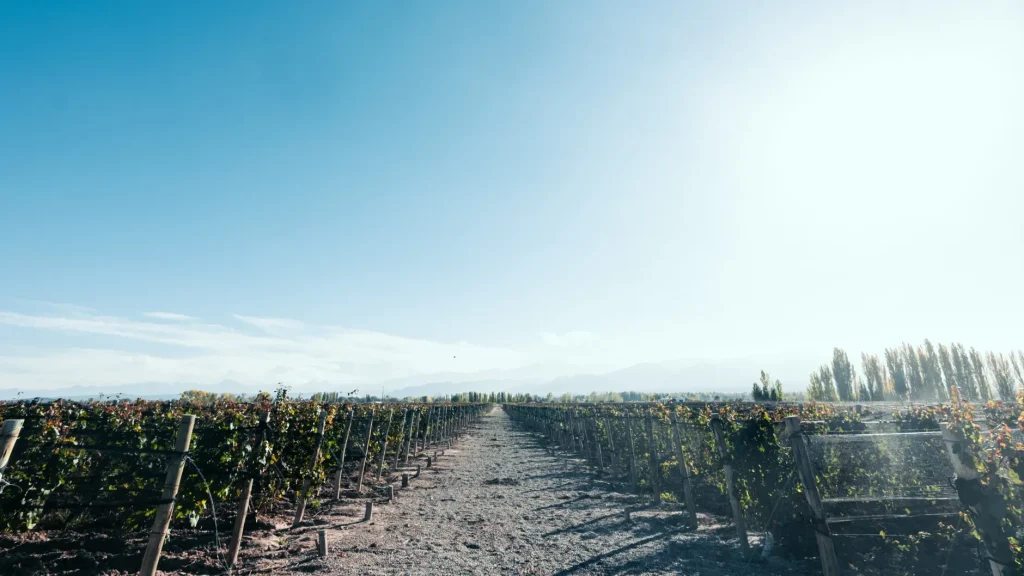
Mendoza is the natural choice for couples who want wine country and the mountains in one trip. The region combines vineyard stays and wine tasting with mountain and adventure activities, allowing a flexible balance between a leisurely day and a more active one. It suits travelers who would rather use a comfortable base and choose a few meaningful outings than cover a large sweep of terrain.
Build in contrast, not a packed checklist
A satisfying Mendoza plan alternates its two strongest themes. Let a vineyard stay or tasting set the tone for one day, then choose a mountain or adventure activity for another. This approach leaves room for the conversation and downtime that make a couples trip feel like a holiday, while still giving the Andes a central role in the experience.
For broader trip inspiration, the Best Places to Visit in the Andes for First-Time Visitors can help put an Argentina-only escape in the context of the wider mountain range. For this guide, the useful decision is simpler: choose Mendoza when vineyard experiences and a mountain backdrop matter more than covering the greatest possible distance.
Time Mendoza around the season
Autumn and spring are the recommended seasons for a general visit to Mendoza. July and August also coincide with ski season. Summers are dry, while winters are more humid and can bring heavy snow. The Zonda wind is stronger in August and September, so couples planning mountain activities or weather-sensitive road time during that period should reconfirm local conditions before committing to the day’s plan.
Salta and Jujuy for high-desert scenery and a road-trip feel
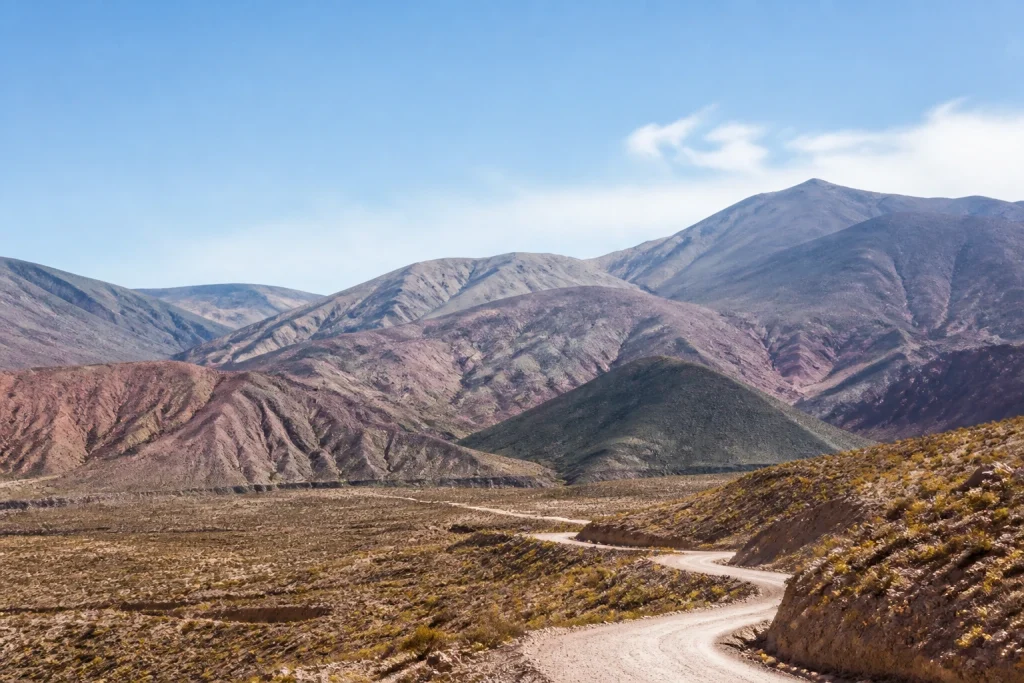
Salta and Jujuy offer a more expansive, high-desert version of an Andes trip. Their appeal lies in broad landscapes, colonial towns, regional food, folk music, and journeys where the road itself becomes part of the day. This is a strong choice for couples who enjoy watching the terrain change over a longer drive and who value culture and scenery as much as a single headline attraction.
Use Salta city as the easy base
Salta city is a practical base for couples who prefer reliable accommodation, dining options, and transport connections while taking day trips into the surrounding region. It also has air links with Buenos Aires, Córdoba, Rosario, Mendoza, Neuquén, and Iguazú. Staying put for several nights is the comfort-first approach, especially if one of you would rather return to the same room after a long day of sightseeing.
A self-drive or private circuit through the Calchaquí valleys and Jujuy offers greater geographic range, but it asks more of the schedule. Choose that approach only if both travelers are happy with longer travel days and high-altitude terrain. Couples who want a relaxed trip often get more from a Salta base and carefully chosen day trips than from trying to turn every day into a major transfer.
Make the Train to the Clouds a headline day
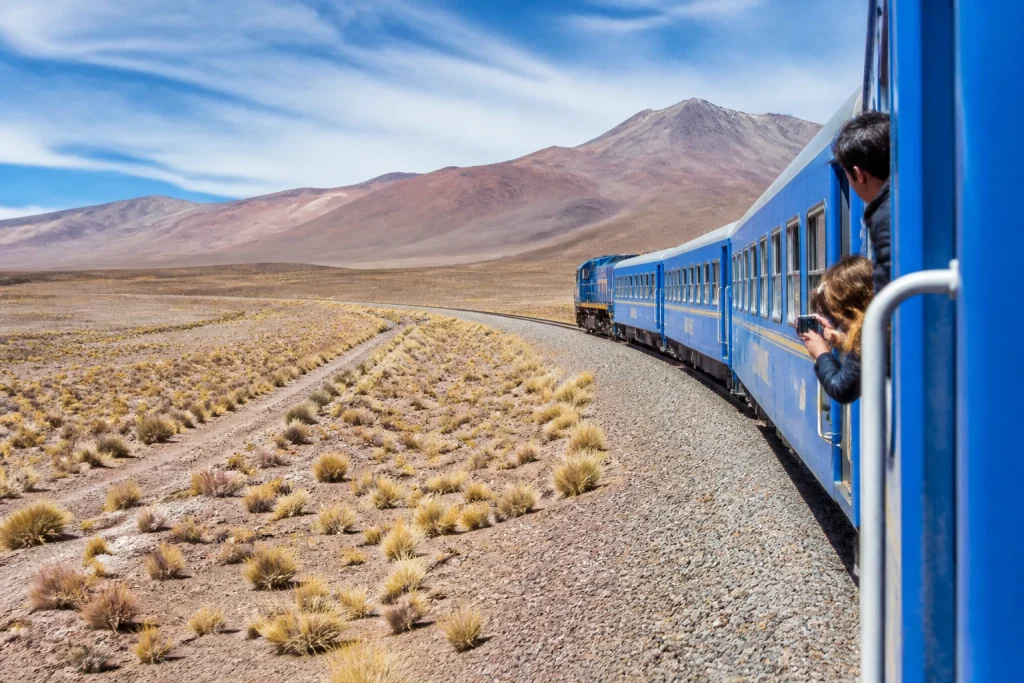
The Train to the Clouds is a combined road-and-rail experience in the northwest that reaches 4,220 metres in the Puna. Its appeal is the scale of the high landscape and the sense of traveling through it rather than simply viewing it from a lookout. Keep the rest of that day light. The elevation makes this an experience to savor at an unhurried pace, not one to sandwich between demanding activities.
Match the season to your route, not to a single Andes rule
There is no one best season for every Argentine Andes trip. Winter is especially favorable for Salta and the northwest, where there is very little rain, clear skies, and generally passable roads for scenic driving and high-desert sightseeing. Mendoza’s broad recommendation is autumn or spring, while July and August serve travelers focused on ski season. The right answer depends on the style of trip you choose.
For an August departure, the northwest is a particularly compelling option for dry, clear high-desert days. Mendoza remains a worthwhile winter choice for ski-season plans, but mountain conditions and the stronger late-winter Zonda wind deserve extra flexibility. Leave space in the itinerary for a changed route or a quieter day rather than treating every booking as immovable.
Treat altitude as part of the itinerary design
The northern route’s great tradeoff is elevation. The Train to the Clouds reaches 4,220 metres, making altitude a real pacing consideration even for active travelers. Avoid making a high-elevation outing the most tightly scheduled or physically ambitious day of the trip. Build in time to move slowly, enjoy the views, and keep your plans flexible if either of you is not feeling at your best.
Discuss your shared comfort level before booking the highest excursions. A plain-English altitude acclimatisation guide for the Andes is a useful companion when planning a trip that includes the Puna. If either traveler has a health concern, seek personal medical advice before committing to a high-altitude itinerary, and ensure your travel insurance includes medical evacuation for remote mountain plans.
Use regional gateways instead of a single long transit plan
Think of Mendoza and the northwest as separate gateways, not neighboring stops. For Jujuy, a direct flight from Buenos Aires to San Salvador de Jujuy takes about 2 hours and 15 minutes, compared with roughly 23 hours by bus. That contrast makes flying the practical choice for couples with limited time and leaves more of the trip available for the destination itself.
Salta is particularly well positioned as an arrival and overnight base because of its accommodation, connectivity, and domestic air links. If you are considering both Mendoza and the north, give each region enough nights to feel distinct. The country’s scale rewards a focused plan far more than an itinerary built around collecting place names.
Two couple-friendly ways to pace the trip
The Mendoza stay: comfort with a mountain interlude
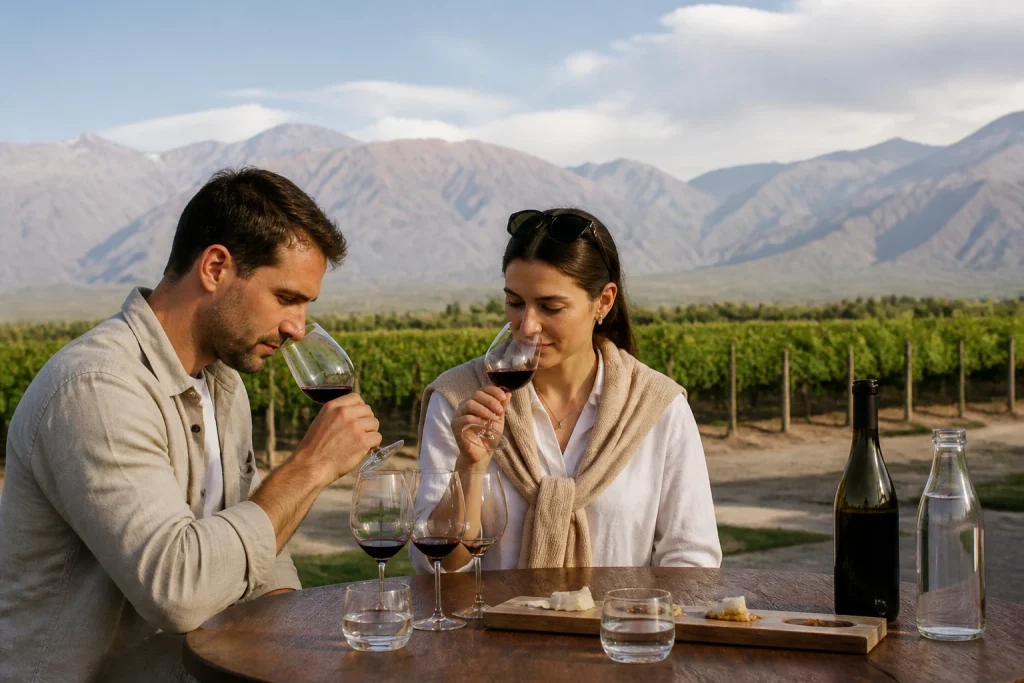
Choose a Mendoza-focused stay if the two of you want vineyard accommodation and wine tasting as the trip’s anchor, with mountain or adventure activities added selectively. This format favors a gentler rhythm. Plan a few fixed experiences, then protect some open time for a second tasting, a change in weather, or a day when the best plan is simply to enjoy where you are staying.
The northern circuit: a base plus scenic range
Choose Salta and Jujuy if you are both energized by big landscapes, colonial towns, regional culture, and a fuller day on the road. Use Salta city as a base for ease, or choose a self-drive or private circuit when the greater range is worth the longer days. The winning version is not the one with the most stops. It is the one that preserves enough time to absorb the high-desert setting together.
Budget by booking component and confirm accessibility early
Avoid using a single advertised “Andes couples budget” for this trip. Costs depend on the region, accommodation, transport style, wine experiences, excursions, and park visits. As one dated benchmark, the national-parks tariff effective June 1, 2026 listed a general daily entry to Parque Nacional Los Cardones at ARS 25,000, with ARS 12,000 for national residents. That is a park-entry example, not a total trip cost.
Check current prices for the individual experiences you want before booking, particularly rail excursions, private transport, and accommodation. Accessibility also needs direct, experience-by-experience confirmation. Ask each winery, hotel, transfer provider, and Train to the Clouds operator about step-free boarding, walking distances, restroom access, transfer vehicles, companion arrangements, and any altitude-related support that matters to your trip.
Travel confidently and keep the trip well paced
For U.S. travelers, Argentina is listed at Level 1, meaning normal precautions are advised. Petty crime can occur in popular tourist areas, so keep the usual close watch on valuables. For remote or high-altitude plans, travel insurance with medical evacuation cover is a sensible safeguard. Pair those basics with weather flexibility and a realistic daily pace, and the logistics stay in proportion to the pleasure of the trip.
The best Argentina Andes trip for two is the one you do not rush
Pick Mendoza for vineyard stays, tastings, and mountain time in a comfortable rhythm. Pick Salta and Jujuy for high-desert scenery, cultural routes, and the romance of a well-paced road journey. The main limitation is distance: these are not two regions to squeeze into a few days. Choose one, book the experiences that matter most to you both, and leave enough empty space for the Andes to set the tempo.
Frequently asked questions
Which Argentine Andes region is best for couples?
Mendoza is best for couples who want vineyard stays, wine tasting, and mountain or adventure activities in one region. Salta and Jujuy are better for high-desert scenery, colonial towns, regional culture, and scenic road or rail experiences.
Is winter a good time for an Andes couples trip in Argentina?
Winter is especially good for Salta and the Argentine northwest because conditions are typically dry, clear, and favorable for high-desert sightseeing. Mendoza also has a winter draw for ski season, while autumn and spring are recommended for a general visit.
How high does the Train to the Clouds go?
The Train to the Clouds reaches 4,220 metres in the Puna. Treat it as a high-altitude day and avoid combining it with an overly demanding schedule.
Should couples combine Mendoza with Salta and Jujuy on one trip?
Combine them only when you have enough nights to give each region proper time. Argentina’s scale makes a single-region plan the better choice for a short trip, while Mendoza and the northwest work best as separate regional experiences.
Can travelers with mobility needs plan an Andes trip in Argentina?
Yes, but accessibility must be confirmed directly with each hotel, winery, transfer, excursion, and rail operator. Ask about step-free access, walking distances, restrooms, vehicles, companion arrangements, and support relevant to high-altitude excursions before booking.
Mendoza combines vineyard stays and wine tasting with mountain experiences by Alex Dos Santos, Pexels.