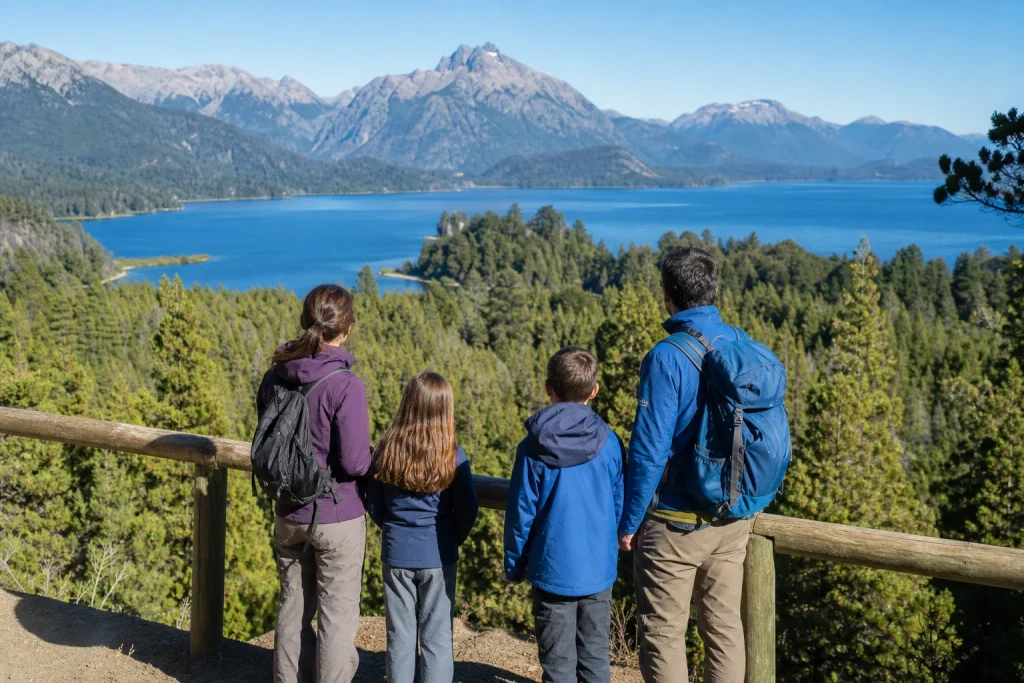
The Andes With Kids Guide
Argentina’s Andes offer several very different family holidays. Mendoza combines mountain valleys with vineyards, rivers, and adventure activities. Salta opens the door to gorges, cultural routes, and the high plains. Bariloche brings together lakes, forests, walking, boating, and winter sports. The best choice depends on your children’s ages, the season, and how much time everyone tolerates in a vehicle.
- Choose one main gateway instead of trying to cover the entire Argentine Andes in a single trip.
- Mendoza suits families seeking mountain scenery, varied activities, and vineyard country.
- Salta rewards road-trip families, but winding routes and high elevations require measured pacing.
- Bariloche is the strongest all-season choice for lakes, forests, walking, boating, and snow sports.
- Treat Los Glaciares as a separate southern extension, with its own weather, transport, and safety planning.
A successful family plan usually has fewer transfers, flexible afternoons, and one substantial outing per day. Build around a comfortable base, then add day trips that match the youngest traveler’s stamina. If this is your first Andean journey, Best Places to Visit in the Andes for First-Time Visitors offers a broader comparison of the region’s major destinations.
Choose the Argentine Andes region that fits your family
| Gateway | Best family fit | Main planning challenge |
|---|---|---|
| Mendoza | Mountain valleys, vineyards, rivers, and adaptable outdoor days | Winter demand and activity-specific age or safety rules |
| Salta | Scenic drives, gorges, high plains, and cultural routes | Winding roads, long driving days, and altitude |
| Bariloche | Lakes, forests, hiking, boating, and snow sports | Cold winter conditions and cool nights even in summer |
| El Calafate and El Chaltén | A separate Patagonia extension focused on Los Glaciares | Rapid weather changes and demanding winter trail conditions |
Families who want the simplest introduction should compare Mendoza and Bariloche first. Both allow days to be scaled up or down without making altitude the central feature of the holiday. Salta is compelling for older children who enjoy changing landscapes and road journeys. It needs more care if anyone struggles with mountain roads or long periods in a car.
Mendoza works well for flexible mountain days
Mendoza offers vineyards, valleys, rivers, and adventure activities beneath the Andes. That variety helps families alternate active excursions with easier days. A cautious plan is to choose activities individually rather than assuming every advertised mountain experience accepts young children. Age limits, equipment requirements, and operating conditions depend on the provider and activity selected.
Plan early for Mendoza’s winter demand
Mendoza’s snow season generally runs from June through September. Accommodation demand is high during this period, so winter families should reserve their base well ahead. Keep the itinerary flexible enough to absorb changing mountain conditions, especially when an excursion depends on road access or snow.
- Schedule the most important mountain outing early in the stay so there is room to rearrange plans.
- Ask activity providers about minimum ages, supervision, equipment, and weather cancellation terms before booking.
- Pair active days with an easy local day rather than stacking major excursions back to back.
- Pack warm layers even when lower areas feel mild because conditions change with elevation.
- Choose accommodation that reduces unnecessary daily driving.
Salta combines cultural routes with high-altitude scenery
Salta city is a practical base because it has accommodation choices and flight connections. Many travelers rent a car to explore the valleys, but the mountain routes include winding passes. The freedom to stop is useful with children, while the driving can be tiring. Families prone to motion sickness should plan short road stages and avoid treating every scenic route as a single-day challenge.

Treat the highest outings as optional
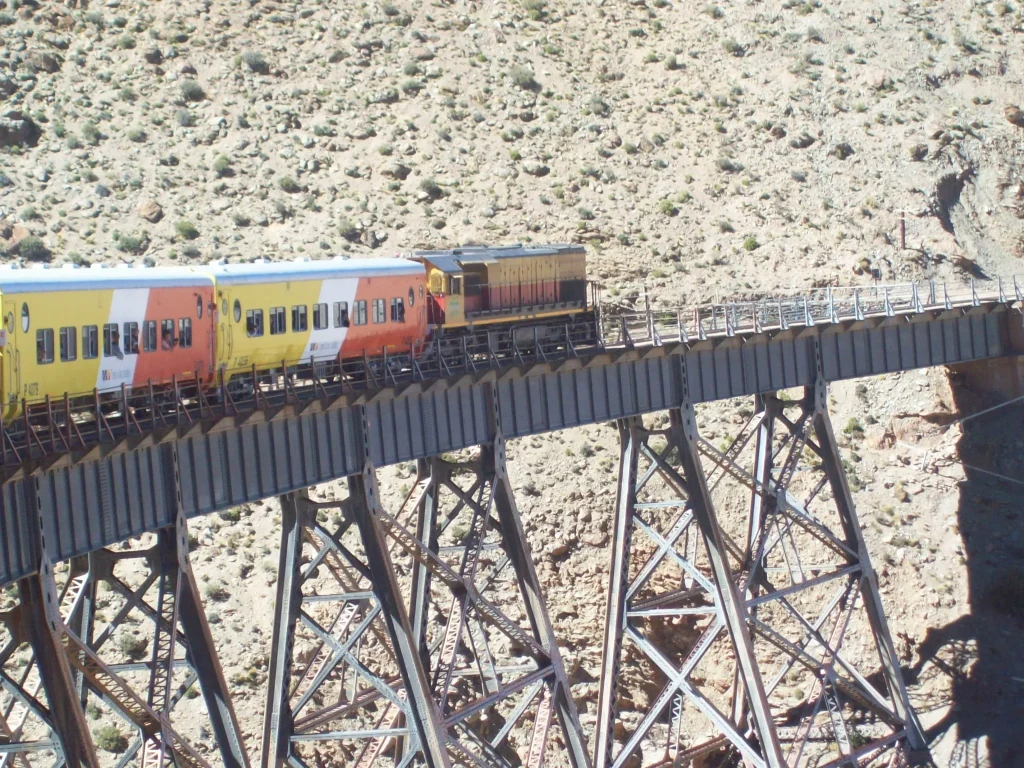
The Train to the Clouds reaches 4,220 metres above sea level, making altitude a serious planning factor rather than a minor detail. Families with very young children, relevant health concerns, or little experience at elevation should seek individualized medical advice. Lower-elevation valley outings provide an alternative when a long, high-altitude day does not suit the group.
Winter is one of the recommended seasons for Salta because rainfall is low, skies are often clear, and roads are generally more passable. That seasonal pattern does not replace a same-day road check. A clear forecast in the city also says little about how an individual mountain pass will feel several hours later.
Bariloche offers lakes, forests, and snow sports
Bariloche is a versatile base for families who want lakes, forests, hiking, boating, or snow sports. Its range of seasonal activities makes it easier to plan around different energy levels. One parent can choose an active outing with an older child while the rest of the family keeps a gentler day, provided transport and supervision are arranged in advance.
Winter requires serious cold-weather preparation. Temperatures can reach minus 15°C, while summer nights can still feel cool. Bring insulating layers rather than relying on one heavy coat. Winter activity availability, equipment, instruction, and child participation rules should be checked with the selected operator.
- Choose lake and forest days when the weather favors being outdoors.
- Leave room for a slower morning after a demanding snow or hiking day.
- Carry an extra warm layer for each child, including during summer.
- Confirm child equipment and participation rules before paying for an activity.
- Avoid building every day around a fixed, weather-dependent reservation.
Add Los Glaciares only when the extra distance makes sense
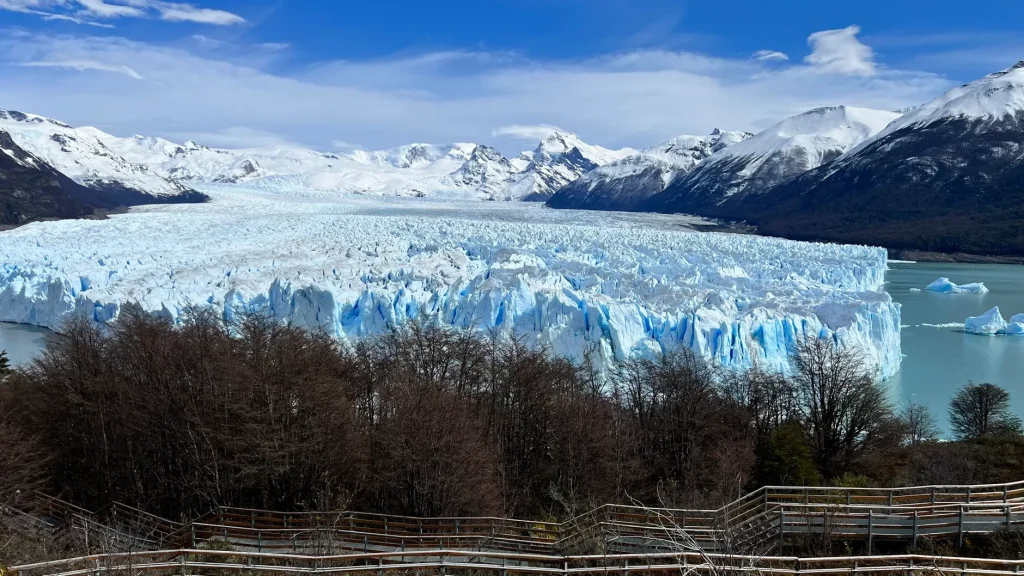
Los Glaciares National Park belongs in a separate Patagonia extension rather than a casual side trip from Mendoza, Salta, or Bariloche. Perito Moreno Glacier is 80 kilometres from El Calafate along Provincial Route 11. Bus services connect El Calafate and El Chaltén with several Argentine locations and with Punta Arenas and Puerto Natales in Chile. Northern park services and trails begin in El Chaltén.
For the Perito Moreno corridor, the published winter access period from May 1 through August 31 uses an entry window of 9:00 to 16:00, with visitors allowed to remain until 18:00. Reconfirm the schedule shortly before departure because operating arrangements can change. Starting early provides more breathing room for stops, road conditions, and children who need an unhurried pace.
Weather in Los Glaciares can shift rapidly during any season, and mobile signal is weak or absent in some areas. Between May and September, northern trails can have ice, mud, and snow. The park describes affected routes as extremely difficult and requires poles and crampons. These conditions make a sightseeing-focused visit more sensible than an ambitious hiking schedule for many winter families.
In Los Glaciares, turn back based on time, weather, and the least comfortable person in the group, not the most energetic hiker.
Match the season to the experience you want
| Seasonal choice | Where it fits best | Family planning focus |
|---|---|---|
| Winter | Snow-focused Mendoza or Bariloche trips, and drier-season travel around Salta | Reserve popular accommodation, pack for cold, and monitor roads |
| Summer | Bariloche lake, forest, boating, and hiking plans | Carry layers because nights can remain cool |
| Winter in Los Glaciares | Glacier sightseeing with conservative scheduling | Reconfirm access, avoid unsuitable trails, and expect ice or snow |
| Shoulder periods | Flexible families prioritizing a slower itinerary | Check seasonal activity and transport availability before booking |
There is no single best month for the full Argentine Andes. Snow changes the character of Mendoza and Bariloche, while Salta’s drier winter weather favors road exploration. Families tied to school holidays should select the experience first, then book a region suited to that season. Trying to force the same activity list into every month creates unnecessary disappointment.
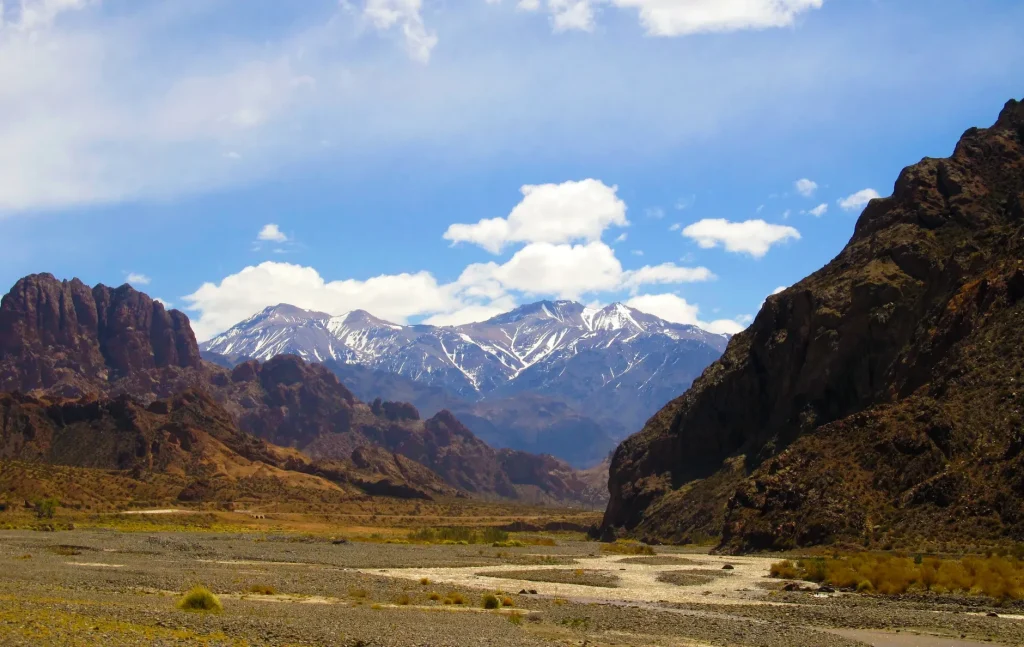
Use altitude-friendly pacing in northern Argentina
- Begin with an easy day near your base instead of driving directly to the highest point.
- Increase elevation gradually where the route allows.
- Keep meals, water, rest, and warm clothing readily available.
- Do not combine the highest excursion with the longest driving day.
- Give children simple ways to describe headache, nausea, dizziness, or unusual tiredness.
- Descend and seek appropriate help if someone becomes unwell rather than pushing through the plan.
Altitude affects people differently, and fitness does not guarantee comfort at elevation. Parents should discuss relevant health concerns with a qualified clinician before the trip. Altitude in the Andes: A Plain-English Acclimatisation Guide explains gradual ascent and practical preparation in more detail.
Keep transport simple and road days realistic
The most efficient transport plan begins with one regional gateway and a small number of bases. Salta provides flight connectivity and access to valley drives, while El Calafate and El Chaltén serve different parts of a Los Glaciares visit. Do not judge a road day by distance alone. Mountain bends, viewpoints, weather, meals, and child breaks can make a modest route feel long.
| Transport style | Family advantage | Point to check |
|---|---|---|
| Rental car | Flexible stops, luggage access, and control over departure time | Road confidence, suitable child restraints, weather, and rental conditions |
| Private transfer | No driving responsibility and easier point-to-point movement | Vehicle size, child restraints, pickup details, and luggage capacity |
| Organized excursion | Transport and activity logistics combined | Age limits, duration, inclusions, meeting point, and cancellation policy |
| Intercity bus | Useful on some links, including access to El Calafate and El Chaltén | Current timetable, luggage rules, and the length of the journey |
Reserve the correct child restraint rather than assuming a rental or transfer includes one. Ask for the vehicle type and luggage capacity when traveling with a stroller, winter equipment, or several large bags. Check the final pickup or meeting details once, then save them offline in case mobile coverage drops.
Build a family budget beyond park admission
National park charges are only one part of the budget. The following examples were effective June 1, 2026 and should be checked again before travel because tariffs can change.
| National park | General daily entry example | Relevant exemption example |
|---|---|---|
| Los Glaciares National Park | ARS 50,000 | Children aged 0 through 6 inclusive are listed as exempt |
| Nahuel Huapi National Park | ARS 35,000 | Children aged 0 through 6 inclusive are listed as exempt |
People with disabilities and several other visitor categories are also listed among the exemptions, subject to eligibility requirements. Park entry does not cover the full excursion. Transport, guides, boat trips, ski equipment, food, accommodation, rental vehicles, and insurance are separate costs. Obtain current quotes for the services your family intends to use rather than treating admission as the day’s total price.
- Accommodation in a convenient location
- Airport, bus, or private transfers
- Rental vehicle, fuel, parking, and child restraints
- Guided excursions or activity instruction
- Winter clothing or equipment rental
- Meals, snacks, insurance, and a contingency allowance
Choose accommodation for recovery, not just scenery
A useful family base reduces daily friction. Prioritize enough sleeping space, dependable heating in winter, food options that fit your routine, and practical access to planned departure points. A dramatic view loses some charm when every excursion starts with a difficult transfer. In Salta, staying in the city can simplify access to accommodation and transport before valley journeys.
- Ask about room layout and whether sleeping spaces are separated.
- Check heating, hot water, laundry options, and food availability.
- Confirm stairs, lifts, bathroom layout, and entrance surfaces when mobility matters.
- Compare the location with excursion pickup points and expected driving routes.
- Find out how late arrivals are handled before booking a flight or long transfer.
Accessibility varies by hotel, vehicle, attraction, and activity. Do not assume a route is suitable for a wheelchair or stroller based on a destination-wide description. Confirm step-free access, adapted bathrooms, transfer arrangements, surfaces, and equipment directly with each relevant provider before paying.
Pack for rapid changes in temperature and weather
- A moisture-managing base layer, insulating mid-layer, and weather-resistant outer layer
- Warm hats, gloves, and spare socks for cold or wet conditions
- Sun protection, including sunscreen, hats, and sunglasses
- Refillable water bottles and enough snacks for delays
- Any regular medication carried in an accessible day bag
- A charged phone, portable power, and offline copies of essential details
- A small torch for walks where a delayed return is possible
Los Glaciares trails have no provisions, so hikers must carry water, food, warm clothing, sun protection, and a torch. Start with enough time to return before dark. For most families, that guidance favors shorter, low-complexity walks over a day planned around reaching a distant objective.
Adjust the trip to your children’s ages
Babies and toddlers
Keep transfers short, protect sleep periods, and build each day around one main commitment. Avoid making a very high-elevation excursion the centerpiece without individualized medical advice. Stroller access cannot be assumed on mountain routes, so confirm surfaces and steps or bring a suitable alternative carrying system.
Primary-school children
Short walks, lake outings, snow play, and scenic stops can create a varied schedule without turning the holiday into an endurance test. Give children a clear picture of the day’s duration and allow time for food and rest. Check every organized activity’s minimum age and equipment rules before presenting it as a promised highlight.
Teenagers
Teenagers can help choose between adventure activities, cultural routes, hikes, and snow sports. Their enthusiasm should still be balanced against operator rules, weather, altitude, and the abilities of the whole group. In winter Los Glaciares, demanding trail conditions remain demanding regardless of age or general fitness.
Use a one-region itinerary instead of collecting gateways
| Trip shape | Suggested rhythm | Who it suits |
|---|---|---|
| Mendoza base | Arrival day, alternating mountain and easier days, then a flexible final day | Families wanting variety without a high-altitude focus |
| Salta base | Easy city arrival, short valley outing, rest day, then a carefully selected longer route | Families comfortable with scenic driving and gradual altitude planning |
| Bariloche base | Lake or forest day, recovery day, weather-dependent activity, then another flexible outing | Families balancing nature, boating, walking, or snow sports |
| Los Glaciares extension | El Calafate base for glacier sightseeing, with El Chaltén treated as a separate hiking base | Families with enough time for a distinct Patagonia segment |
Leave the final full day flexible whenever the holiday depends on mountain weather. It can absorb a postponed excursion or become a relaxed day if everything runs on time. This simple buffer is especially valuable in winter, when access and road conditions can affect even carefully planned reservations.
Keep safety checks short and specific
- Check the day’s road, trail, and weather conditions before leaving.
- Carry food, water, warm layers, and sun protection on park walks.
- Save essential information offline where mobile service is unreliable.
- Follow operator age, health, clothing, and equipment requirements.
- Begin walks early enough to return before dark.
- Change the plan if altitude, cold, road bends, or fatigue are affecting a child.
Conditions in the Andes can change faster than a family schedule. A backup plan should be a normal part of the itinerary, not a sign that the day has failed. An easy meal, a shorter drive, or time near the accommodation can protect everyone’s energy for the next good weather window.
Is the Argentine Andes right for your family?
The Argentine Andes suit families willing to trade a packed checklist for deeper time in one region. Mendoza offers flexible variety, Salta brings distinctive road journeys and altitude, and Bariloche combines lakes, forests, and seasonal activities. Los Glaciares is a rewarding but logistically separate addition. Choose the gateway that matches your season, limit long transfers, and leave enough space for weather, rest, and a child’s changing energy.
Frequently asked questions
Which part of the Argentine Andes is best with children?
Bariloche and Mendoza are the most adaptable starting points for many families. Bariloche combines lakes, forests, walking, boating, and snow sports, while Mendoza offers valleys, vineyards, rivers, and varied activities. Salta is better suited to families comfortable with longer drives and altitude planning.
Is Salta too high for children?
Salta includes both lower and very high outings, so the exact route matters. The Train to the Clouds reaches 4,220 metres. Families with young children or relevant health concerns should seek individualized medical advice and consider lower-elevation alternatives.
When is the snow season in Mendoza?
Mendoza’s snow season generally runs from June through September. Winter demand can be high, so reserve accommodation early and confirm current conditions for mountain activities.
How cold does Bariloche get?
Bariloche temperatures can reach minus 15°C in winter. Nights can also be cool during summer, so layered clothing belongs in the luggage throughout the year.
How far is Perito Moreno Glacier from El Calafate?
Perito Moreno Glacier is 80 kilometres from El Calafate via Provincial Route 11. Allow additional time for stops, weather, and the needs of younger travelers.
Are Los Glaciares trails suitable for children in winter?
Many winter trails are unsuitable for an ordinary family walk. Between May and September, affected northern trails can have ice, mud, and snow, and the park requires poles and crampons. Families should check current trail status and choose short, low-complexity options when conditions permit.
How much does national park admission cost for a family?
Prices depend on the park and visitor category. Rates effective June 1, 2026 listed general daily admission at ARS 50,000 for Los Glaciares and ARS 35,000 for Nahuel Huapi, with children aged 0 through 6 inclusive listed as exempt. Check current tariffs and eligibility before visiting.
Is the Argentine Andes accessible with a stroller or wheelchair?
Accessibility must be checked for each hotel, vehicle, attraction, and activity. Confirm step-free entrances, bathroom facilities, transfer arrangements, surfaces, and stroller suitability directly with the relevant providers before booking.