Best Museums in The Andes
The most rewarding museums in Argentina’s northern Andes connect archaeological objects, colonial history, and the independence era with the landscapes where those stories unfolded. This guide focuses on three strong choices in Jujuy: a broad provincial history museum, a historic flag interpretation center, and a museum along the Quebrada de Humahuaca route. Each serves a different kind of trip, so the best choice depends on where you are staying and how much time you can give it.
- Choose Museo Histórico Provincial Juan Galo Lavalle for the broadest city-based introduction to Jujuy’s past.
- Visit Museo Posta de Hornillos when traveling through the Quebrada de Humahuaca by road.
- Pick the Bandera Nacional de la Libertad Civil interpretation center for focused independence history and multimedia presentation.
- Avoid scheduling the main museum visits on Monday, when several provincial venues are listed as closed.
- Check current schedules shortly before visiting, especially around holidays and cultural events.
This is a focused northern Argentina selection rather than a ranking of every museum along the immense Andean chain. Jujuy works particularly well for travelers combining cultural visits with the Quebrada de Humahuaca. If this is your first highland journey, a broader guide to the best places to visit in the Andes for first-time visitors can help place the region within a longer itinerary.
The best northern Andes museums at a glance
| Museum or center | Location | Best for | Main tradeoff |
|---|---|---|---|
| Museo Histórico Provincial Juan Galo Lavalle | San Salvador de Jujuy | A broad introduction to provincial history | Less convenient if your itinerary remains entirely in the Quebrada |
| Museo Posta de Hornillos | RN 9 at km 73, Maimará | Archaeology and history during a Quebrada road trip | Requires route planning rather than a simple city visit |
| Centro de Interpretación de la Bandera Nacional de la Libertad Civil | Casa de Gobierno, San Martín 450, San Salvador de Jujuy | Independence history and an immersive presentation | Narrower in scope than a general historical museum |
For a first museum in Jujuy, Museo Histórico Provincial Juan Galo Lavalle is the most versatile choice. Its seven rooms cover a wider historical span than the flag interpretation center, while its city location avoids the extra route planning required for Posta de Hornillos. Travelers already driving north through Maimará should reverse that priority and make Posta de Hornillos part of the journey.
1. Museo Histórico Provincial Juan Galo Lavalle for the broadest context
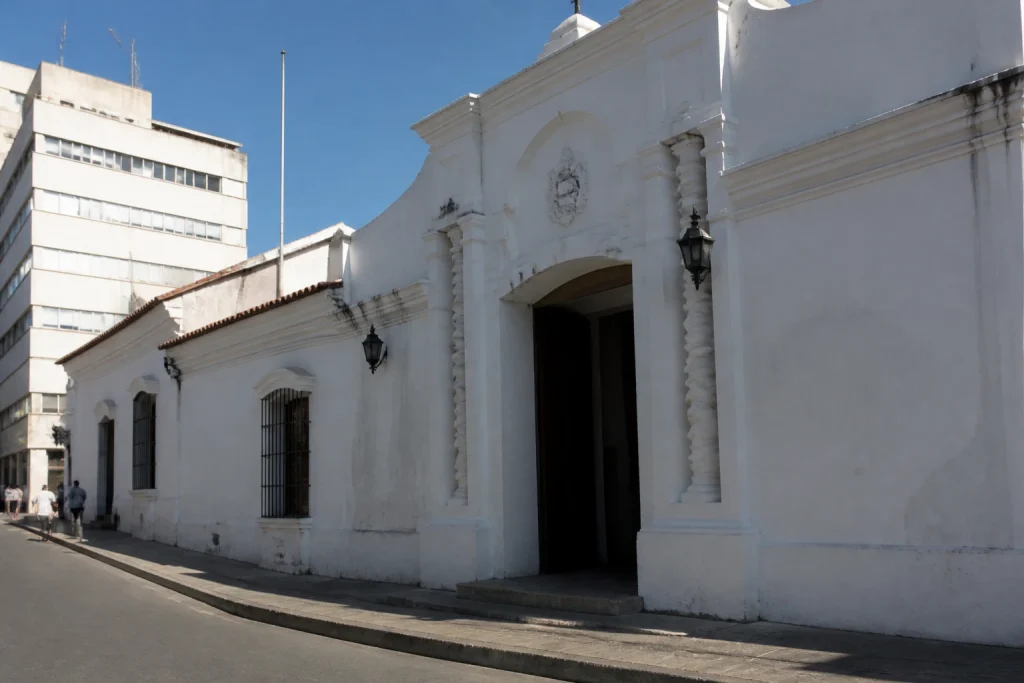
Museo Histórico Provincial Juan Galo Lavalle is the strongest all-round choice for travelers based in San Salvador de Jujuy. Seven rooms trace provincial history from the colonial period into the early 20th century. The collections include Indigenous archaeological material, colonial religious and military objects, documents, furnishings, and other historical pieces. That range makes the museum useful near the beginning of a Jujuy itinerary.
The variety is its main strength. Archaeological material introduces the region’s deeper Indigenous past, while documents and household objects bring later political and social history closer to everyday life. Religious and military pieces add context for the colonial and independence periods. Visitors who prefer a chronological foundation before exploring historic landscapes will get the most from this sequence.
The provincial listing publishes hours of 8:00 a.m. to 7:00 p.m. Tuesday through Friday and 9:00 a.m. to 7:00 p.m. on weekends and holidays. Monday is listed as the closing day, and admission is listed as free. Schedules and entry policies can change for holidays or special events, so confirm the current listing before arranging the rest of your day around the visit.
Who should choose it
Choose this museum if you have only one cultural stop in San Salvador de Jujuy, want a substantial regional introduction, or need an indoor activity that does not require a transfer into the Quebrada. Its limitation is focus rather than quality: travelers interested specifically in the historic flag or an immersive independence presentation will find the nearby interpretation center more targeted.
2. Museo Posta de Hornillos for a Quebrada road trip
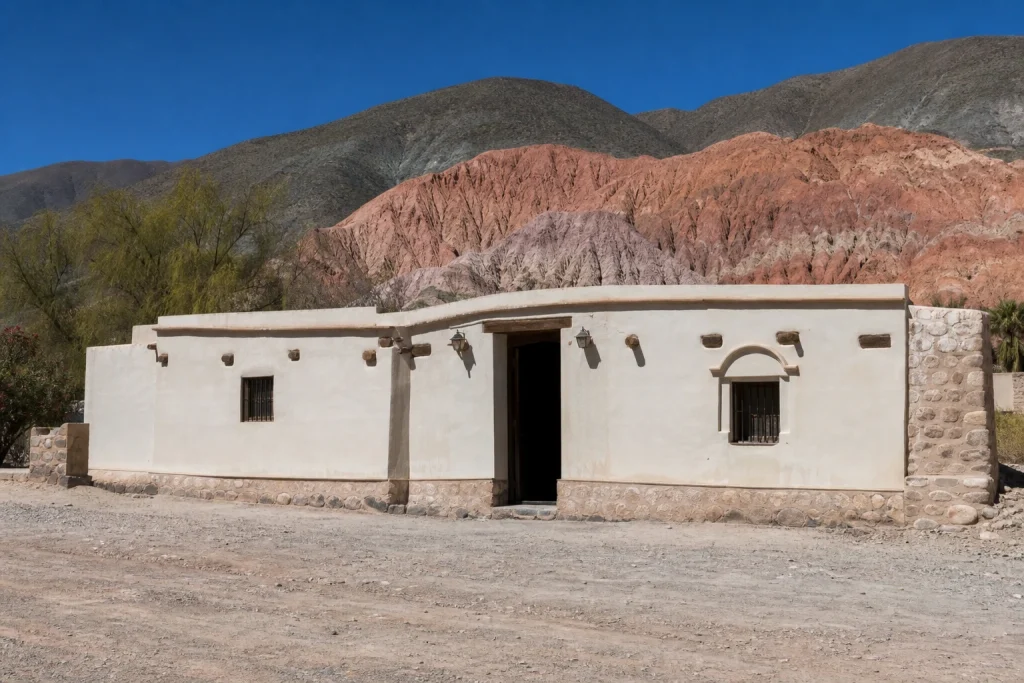
Museo Posta de Hornillos is the most compelling choice for travelers already following RN 9 through the Quebrada de Humahuaca. It stands at kilometer 73 in Maimará, so it fits naturally into a route involving Maimará, Tilcara, or Humahuaca. Unlike the two city-based choices, this museum is best treated as a planned road-trip stop rather than a casual addition to a walk around central Jujuy.
Its collections cover an unusually long timeline. Indigenous archaeological material ranges from 10,000 BC through the Inca period. Colonial objects and displays connected with the independence era continue the story into later centuries. That sweep rewards travelers who want to understand how several historical layers occupy the same Andean corridor.
The provincial schedule lists the museum as open from 9:00 a.m. to 6:00 p.m. Tuesday through Sunday and on holidays, with Monday closure and free entry. Confirm those details before departure. No fixed public-transport schedule should be assumed, so decide how you will reach the site before setting out and leave enough flexibility for other Quebrada stops.
How to fit it into the route
Give Posta de Hornillos its own place in the day rather than squeezing it between too many villages. Confirm the opening schedule first, then build the route around the museum and one or two nearby destinations. This approach leaves room to absorb the archaeological sequence instead of racing through the displays simply to return to the road.
If Jujuy forms one section of a cross-border or southern Andes itinerary, a broader Chile and Argentina destination guide can help connect the museum day with the rest of the trip. Keep the local plan conservative, however. Mountain routes, cultural visits, and scenic stops are more enjoyable when every hour is not assigned in advance.
3. Bandera Nacional de la Libertad Civil center for independence history
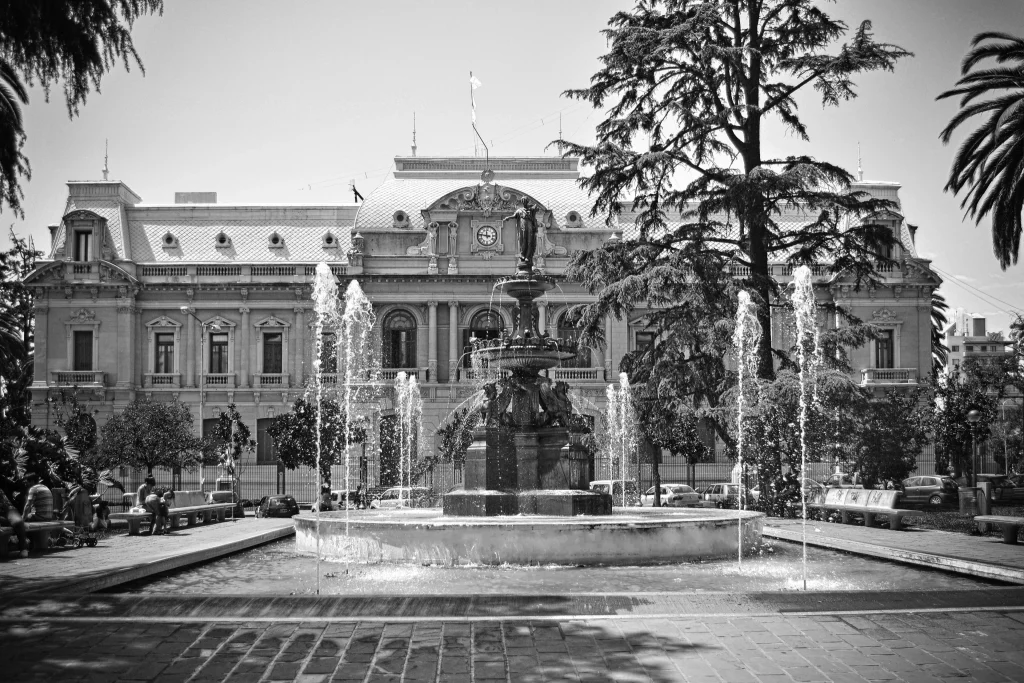
The Centro de Interpretación de la Bandera Nacional de la Libertad Civil offers the most focused experience on this list. It is inside the Casa de Gobierno at San Martín 450 in San Salvador de Jujuy. Interpretation rooms present the historic flag, while the immersive Experiencia Éxodo adds a multimedia dimension. This is a companion to a museum day rather than a replacement for a large archaeological collection.
Choose it when time is limited or when the independence era is your main interest. Its central setting makes it a practical match with other activities in San Salvador de Jujuy. Pairing it with Museo Histórico Provincial Juan Galo Lavalle creates a useful progression: the provincial museum provides the wider historical frame, then the interpretation center concentrates on a specific symbol and episode.
Guided visits are listed from 9:00 a.m. to 8:00 p.m. Monday through Friday and from 10:00 a.m. to 7:00 p.m. on weekends and holidays. Entry is listed as free. School groups and organized tour groups need an advance appointment. Independent travelers should still check current access before visiting because government buildings and special events can affect arrangements.
How to choose the right museum for your itinerary
For one museum in San Salvador de Jujuy
Start with Museo Histórico Provincial Juan Galo Lavalle. Its combination of archaeological, colonial, military, religious, documentary, and domestic material gives the fullest introduction among the city choices. Add the flag interpretation center if your schedule allows and you want a more concentrated look at independence history.
For a drive through the Quebrada de Humahuaca
Make Museo Posta de Hornillos the priority. Its location on RN 9 at Maimará turns the museum into part of the route rather than a detour back into the provincial capital. The long chronological range also prepares visitors to recognize how deep the Quebrada’s human history extends.
For a focused and time-efficient visit
Choose the Bandera Nacional de la Libertad Civil center. The interpretation rooms and Experiencia Éxodo concentrate on a defined historical subject, making the visit easier to place within a busy city day. Travelers seeking broad archaeological depth should choose one of the two museums instead.
A practical two-part museum plan
- Begin in San Salvador de Jujuy with Museo Histórico Provincial Juan Galo Lavalle for the broad historical sequence.
- Add the Bandera Nacional de la Libertad Civil interpretation center if you want a focused independence presentation.
- Schedule the Quebrada route on a separate day rather than combining every venue into one rushed circuit.
- Stop at Museo Posta de Hornillos while traveling through Maimará, after confirming the current schedule and transport plan.
Separating the city visits from the Quebrada stop keeps the itinerary realistic. It also lets each place do a different job: the provincial museum establishes a broad timeline, the interpretation center narrows the lens, and Posta de Hornillos reconnects the historical sequence with the northern route. Travelers should resist assigning exact transfer times without checking their chosen transport arrangements.

Museum days can also provide a gentler pace within a longer highland journey. If Jujuy is part of an itinerary involving higher Andean destinations, consult a plain-English Andes acclimatisation guide before finalizing the wider route. A measured schedule leaves more room for both cultural visits and the practical demands of mountain travel.
Published hours, admission, and schedule cautions
| Venue | Published visiting schedule | Published admission |
|---|---|---|
| Museo Histórico Provincial Juan Galo Lavalle | Tuesday to Friday, 8:00 a.m. to 7:00 p.m.; weekends and holidays, 9:00 a.m. to 7:00 p.m.; closed Monday | Free |
| Museo Posta de Hornillos | Tuesday to Sunday and holidays, 9:00 a.m. to 6:00 p.m.; closed Monday | Free |
| Bandera Nacional de la Libertad Civil center | Monday to Friday, 9:00 a.m. to 8:00 p.m.; weekends and holidays, 10:00 a.m. to 7:00 p.m. | Free |
Treat these as planning hours rather than a guarantee for a specific travel date. Museum-week programs, holidays, and other cultural events can alter access or extend programming. Check the provincial culture listing shortly before visiting, particularly if a museum is central to the day or if you are traveling with an organized group.
Accessibility requires advance planning
Travelers who need step-free routes, accessible toilets, tactile interpretation, seating, or other accommodations should contact each venue before making a long transfer. Published information does not establish consistent physical accessibility across these museums. Specific needs are best discussed before the travel day rather than after arrival.
Jujuy has introduced at least one targeted museum-access initiative. A May 2026 provincial announcement described QR-based audio descriptions for works at Museo Jorge Mendoza. That program is encouraging, but it should not be treated as evidence that the same service or full physical access is available at every venue in this guide.
What these collections reveal about northern Argentina
Together, the three venues offer a layered historical sequence. Posta de Hornillos reaches back through Indigenous archaeological material dated from 10,000 BC and continues through the Inca, colonial, and independence periods. Museo Histórico Provincial Juan Galo Lavalle adds documents, furnishings, religious pieces, and military objects extending into the early 20th century.
The interpretation center then examines a more concentrated independence story through the historic flag and Experiencia Éxodo. Visiting more than one venue therefore adds perspective without merely repeating the same collection. Archaeology provides the long view, historical objects bring later periods into focus, and multimedia interpretation concentrates attention on a defining regional narrative.
Make the museum visit count
Museo Histórico Provincial Juan Galo Lavalle is the best starting point for most city-based visitors. Museo Posta de Hornillos is the stronger match for a Quebrada road trip, while the Bandera Nacional de la Libertad Civil center suits travelers seeking a focused independence story. The main limitation is geography: seeing all three requires separating the city experience from the RN 9 route. Choose the venue that fits your itinerary, verify the current schedule, and give the collections enough time to shape how you see the surrounding Andes.
Frequently asked questions
What area does this guide to the best museums in the Andes cover?
This guide focuses on Jujuy in Argentina’s northern Andes. It covers two cultural venues in San Salvador de Jujuy and Museo Posta de Hornillos in Maimará along the Quebrada de Humahuaca route.
Which Jujuy museum is best for a first visit?
Museo Histórico Provincial Juan Galo Lavalle is the strongest first choice for broad historical context. Its seven rooms cover Indigenous archaeology, the colonial era, later provincial history, and collections extending into the early 20th century.
Are these museums free to enter?
The current provincial listings describe all three featured venues as free. Admission policies can change, so check the current listing before your visit, particularly during holidays or special programs.
Are the museums open on Monday?
Museo Posta de Hornillos and Museo Histórico Provincial Juan Galo Lavalle are listed as closed on Monday. The Bandera Nacional de la Libertad Civil interpretation center lists guided visits on weekdays, including Monday.
Can I visit Museo Posta de Hornillos as a city museum stop?
Museo Posta de Hornillos works better as part of a Quebrada de Humahuaca route than as a casual city stop. It is on RN 9 at kilometer 73 in Maimará, so arrange transport before departure and combine it thoughtfully with nearby route destinations.
Are the recommended museums accessible?
Accessibility arrangements should be confirmed directly with each venue. A 2026 initiative introduced QR-based audio descriptions at Museo Jorge Mendoza, but published information does not establish complete physical or interpretive accessibility across the museums featured here.
Do groups need to book in advance?
School and organized tour groups need advance appointments for the Bandera Nacional de la Libertad Civil interpretation center. Other groups should check current arrangements before visiting, especially during event periods.
More bookable experiences
Three tours to compare
Review current provider details before booking. Discover Andes may earn a commission at no extra cost to you.
Continue exploring
More practical guides selected from the Discover Andes library.
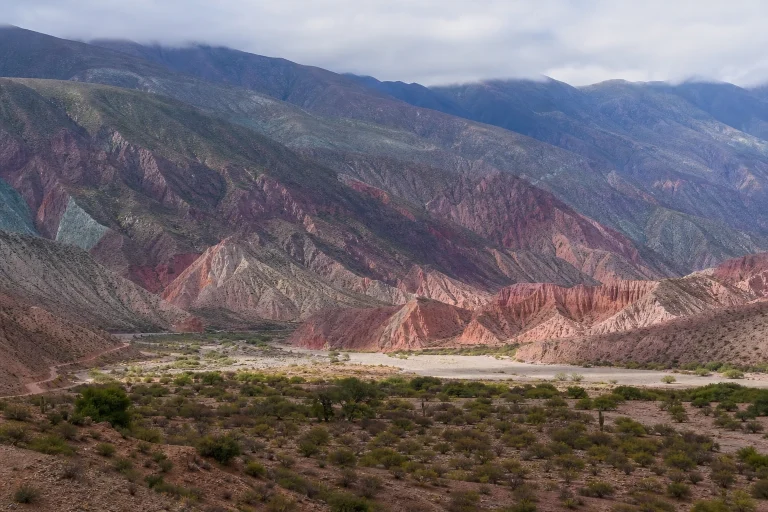
Best Day Trips From The Andes
Compare the best Argentine Andes day trips from Salta, Jujuy, Mendoza, and Bariloche, including Cafayate, Humahuaca, Aconcagua, Circuito…
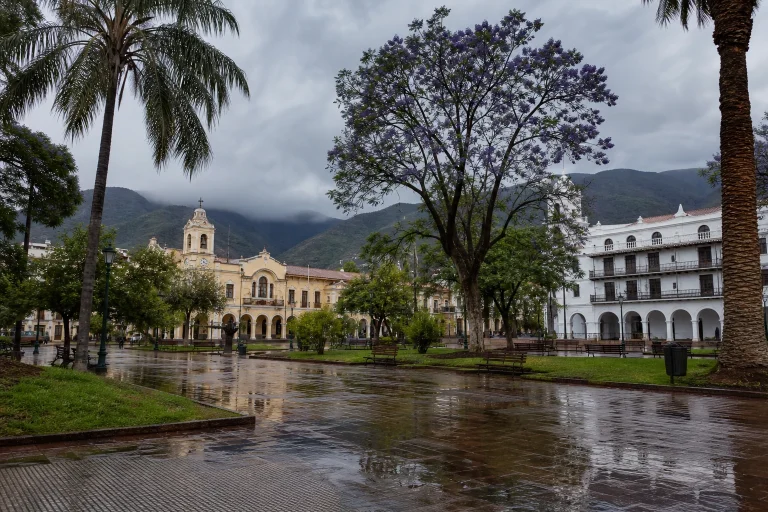
Rainy Day Things to Do in The Andes
Build a rewarding bad-weather day in Argentina’s Andes with winery tastings, thermal baths, museums, regional food, markets, and…
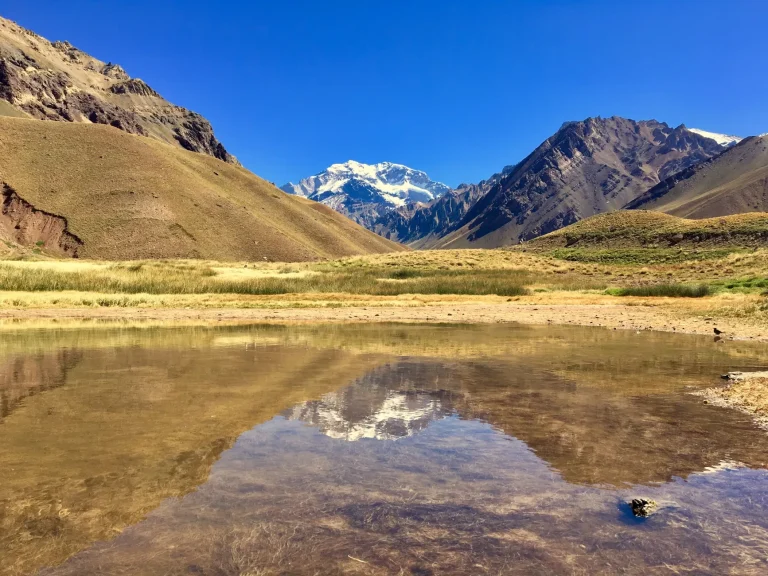
4 Days in The Andes Itinerary
Spend four days exploring Argentina’s Andes through Mendoza and the RN 7 high-mountain corridor, with stops at Potrerillos,…
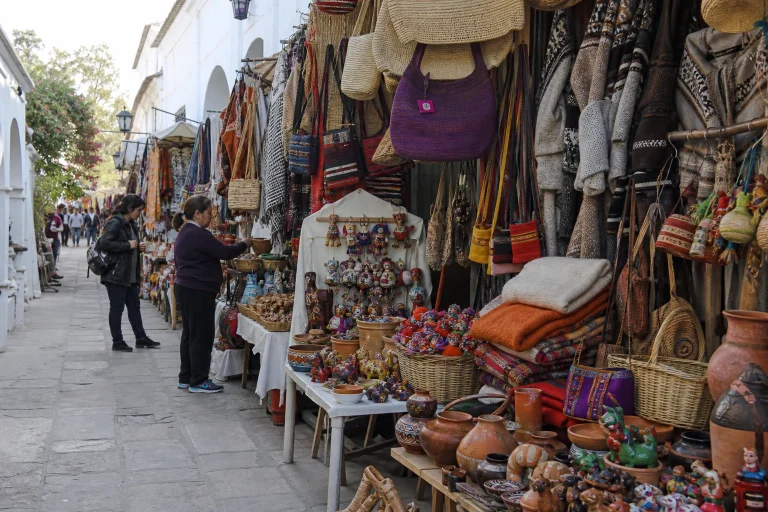
The Andes Souvenir Shopping Guide
Shop the Argentine Andes with confidence, using Salta as a base for regional textiles, ceramics, woodwork, basketry, gaucho…