
Rainy Day Things to Do in The Andes
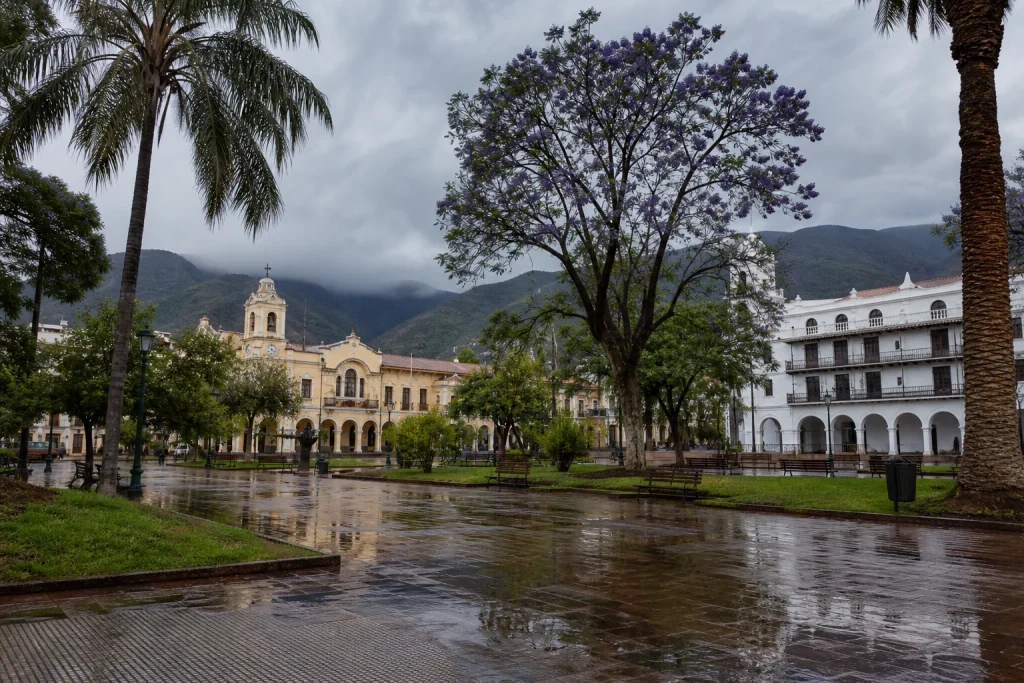
Rain can erase a mountain view in minutes, but it does not have to erase the day. The best rainy day things to do in the Andes depend on where you are staying. In Argentina, Mendoza and Salta offer the strongest mix of museums, wine experiences, food, markets, music, and weather-tolerant thermal bathing. The key is to plan around a city or wine-region hub rather than treating the entire mountain chain as one destination.
- Use Mendoza or Salta city as a flexible base when unsettled weather is forecast.
- Reserve winery tastings in advance, especially around Mendoza and the Uco Valley.
- Choose museums, city dining, markets, and a folk peña when roads or visibility deteriorate.
- Treat Cacheuta’s hot springs as weather-tolerant rather than completely weatherproof.
- Check road, weather, and operator updates before leaving for mountain routes.
- Carry a warm layer because conditions can differ sharply between a city and a higher valley.
A rainy day in central Mendoza is not the same as a storm in the Uco Valley, a wet summer afternoon in Salta, or a cold disruption near the Puna. Elevation, wind, visibility, road exposure, and seasonal rainfall all change across the Argentine Andes. A useful backup plan therefore starts with your overnight base, the day’s conditions, and how much travel the activity requires.
Keep one indoor-first plan and one weather-tolerant plan ready. Indoor-first choices include museum visits, wine tastings, dining, and evening music. Weather-tolerant options, such as thermal bathing or moving between historic buildings, still involve some exposure. If wind, snow, poor visibility, or a road closure is the real problem, switch plans rather than assuming an umbrella solves it.
Choose Mendoza or Salta as Your Bad-Weather Base
Mendoza works particularly well for travelers interested in wine, thermal bathing, and long meals in the provincial capital. Salta city offers a more culture-led day built around its historic center, the High Mountain Archaeology Museum, browsing, regional food, and a folk peña. Cafayate adds wineries and the Museum of Grapevine and Wine, provided the journey there remains sensible.
| Base | Strong rainy-day choices | Main planning issue |
|---|---|---|
| Mendoza city | Reserved wine tasting, city gastronomy, Cacheuta hot springs | Conditions can differ outside the city, especially at higher elevations |
| Salta city | MAAM, historic center, markets, dining, folk peña | Use same-day checks before replacing the city plan with a mountain excursion |
| Cafayate | Winery tastings and the Museum of Grapevine and Wine | Confirm road conditions before traveling there in poor weather |
Travelers still deciding where to stay can use a guide to the best places to visit in the Andes for first-time visitors to compare the wider region. Once accommodation is fixed, favor activities close to that base. A rainy day is rarely the ideal moment to add a long transfer simply because another city has a better indoor attraction.
Reserve a Mendoza Winery Visit
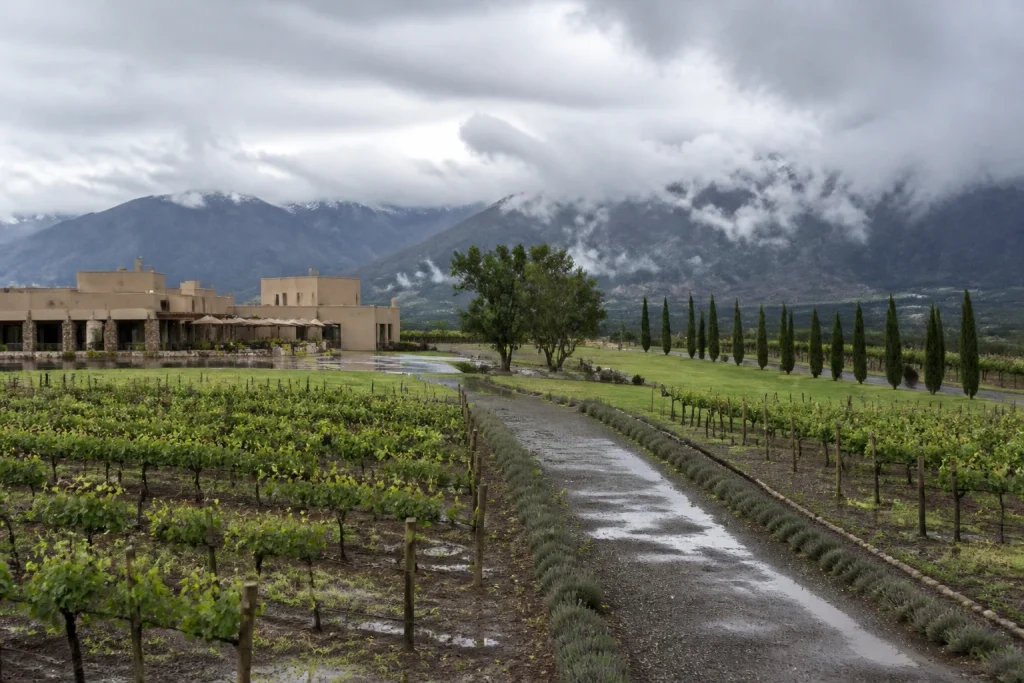
A pre-booked winery visit is one of Mendoza’s most dependable bad-weather activities. Tastings and the indoor portions of a winery experience give the day a clear focus even when cloud hides the mountains. Winery visits should be reserved in advance, so this option works best as a planned backup rather than a last-minute assumption.
Check exactly what the reservation includes. A tasting, guided visit, meal, and transportation can be separate components, and prices vary by venue and booking. Confirm the start time, meeting point, and transport plan before leaving the city. Avoid building a tight chain of reservations on a day when traffic or weather could slow the journey.
The Uco Valley is reached from Mendoza city via National Route 40 and sits at about 1,700 meters above sea level. Temperature changes can be substantial, so take a warm layer even if central Mendoza feels mild. Conditions in the valley should not be inferred from a glance out of a city hotel window.
Make the Tasting Day More Resilient
- Select one main winery experience rather than several distant appointments.
- Confirm whether transportation is part of the booking.
- Wear a warm layer and shoes that cope with wet ground.
- Leave unscheduled time for a meal or café stop in Mendoza city.
- Check same-day weather and road information before departure.
Pair Cacheuta’s Hot Springs With Mendoza City Food
Cacheuta’s hot springs can turn a gray day into part of the experience, with thermal water offering an appealing contrast to cool air. Treat the outing as weather-tolerant, not immune to weather. Parts of the visit and the journey can remain exposed, and severe wind, snow, or road trouble calls for a city-based alternative.
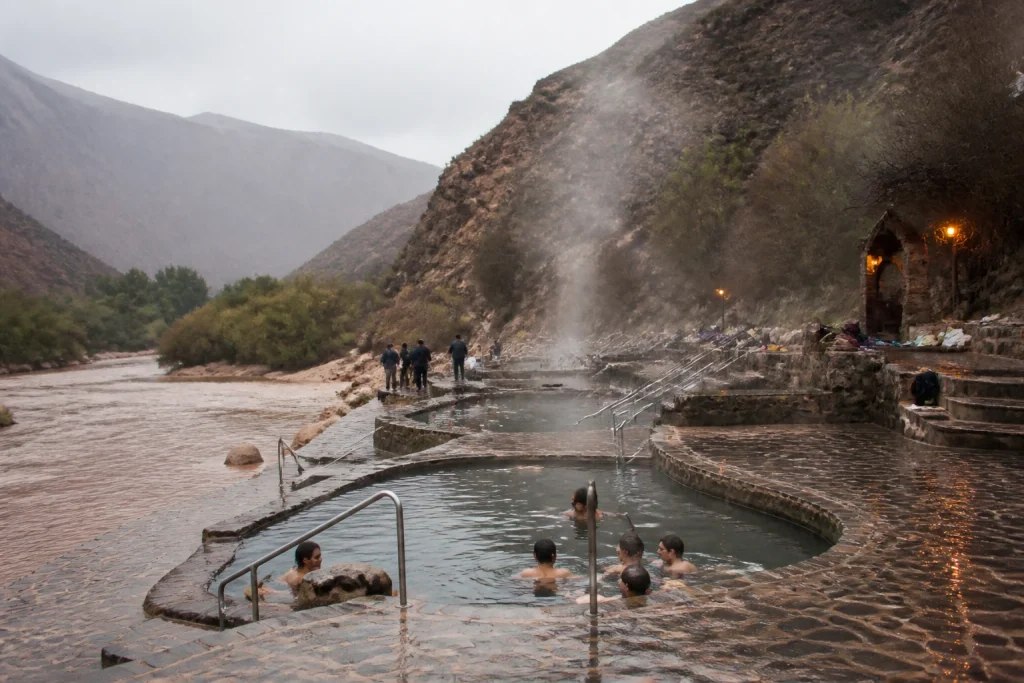
Admission arrangements and services can vary, so review the selected entry before setting out. If conditions make the trip unwise, keep the day in Mendoza capital. A food-focused afternoon or evening is a credible rainy-day substitute and avoids committing to mountain roads when visibility or weather is deteriorating.
This combination is best for travelers who want a relaxed day rather than a checklist. Reserve the principal experience, leave room for a long meal, and avoid forcing Aconcagua, rafting, trekking, or another exposed mountain activity into poor conditions. Those outings depend much more heavily on safe access and suitable weather.
Build a Museum Day Around Salta’s Historic Center
Salta’s historic center concentrates several useful wet-weather stops. Make the High Mountain Archaeology Museum, commonly known as MAAM, the anchor. The Cathedral and Cabildo area can then shape a compact route with short walks between shelter, food, and cultural attractions. This plan remains flexible if a burst of rain arrives during the day.
- Begin with MAAM at the time confirmed for your visit.
- Explore the Cathedral and Cabildo area when conditions permit.
- Pause for a regional meal instead of crossing the city in heavy rain.
- Use nearby browsing or another indoor stop to fill the remaining afternoon.
Salta city is served by Martín Miguel de Güemes International Airport, National Route 9, and intercity buses. That connectivity makes the city a practical base for waiting out uncertain mountain weather. It is often more sensible to enjoy the center first and reconsider longer outings after checking conditions.
Browse, Dine, and Spend the Evening at a Folk Peña
Craft and market browsing provides a flexible bridge between Salta’s museums and dinner. It can be shortened when the rain eases or extended when the streets remain wet. Pair it with regional dining so the schedule does not depend on distant viewpoints or exposed trails.
An evening folk peña gives the day a lively finish through regional music and social atmosphere. Check the venue’s current program, reservation arrangements, and any separate charges before going. Schedules and availability can change, so choose the evening venue before settling into a long dinner elsewhere.
This museum, meal, market, and music combination is especially useful when the weather is unpleasant but city travel remains straightforward. It also avoids treating rain as a reason to spend the entire day indoors at the hotel. Short, purposeful movements between venues keep the plan adaptable.
Use Cafayate’s Wine Culture as a Local Backup
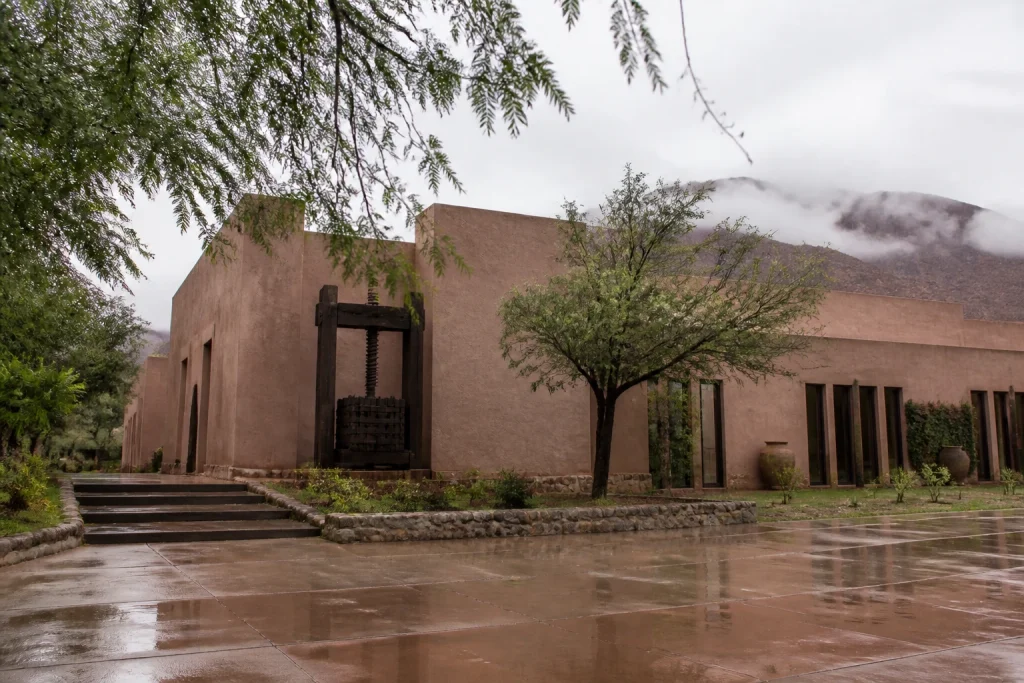
If you are already based in Cafayate, winery tastings and the Museum of Grapevine and Wine provide a strong alternative to scenic-road touring. Both keep the focus on the Calchaquí Valleys’ wine culture without making distant landscapes the day’s only reward.
Do not automatically transfer from Salta to Cafayate simply because rain has arrived. Precipitation, poor visibility, wind, snow, and rapid temperature changes can affect exposed routes differently. Check the day’s road and weather information before committing to the drive, and remain in Salta if the journey is the weak point in the plan.
Winery visits, museum admission, transportation, and tastings can be priced separately. Confirm the selected experience and its schedule before departure. A simple museum-and-one-winery plan is easier to protect against delays than several appointments scattered across the valley.
Match the Backup Plan to the Actual Weather Hazard
Rain is only one cause of disruption in the Andes. Wind can make an exposed outing unpleasant even under a bright sky. Snow can affect access, while low cloud can remove the visibility that makes a scenic drive worthwhile. Rapid temperature changes add another concern at elevation. Identify the hazard before choosing the substitute activity.
| Condition | Better response | Poor response |
|---|---|---|
| Steady city rain | Museum, reserved tasting, dining, market browsing | Adding a long transfer without checking conditions |
| Strong wind | Stay with sheltered city activities | Assuming clear skies mean exposed routes are comfortable |
| Snow or possible road disruption | Remain near the overnight base and verify access | Departing based on a fixed itinerary alone |
| Low cloud or poor visibility | Choose cultural and food experiences | Using a scenic drive as the main attraction |
| Large temperature swing | Carry layers and shorten exposed portions | Dressing only for conditions in the city |
Salta’s principal rainy season runs from December through March, while winter is generally drier. The Puna receives little precipitation but can experience sharp temperature changes during the same day. Mendoza has humid winters, and the Zonda wind is more intense in August and September. These patterns explain why one universal bad-weather calendar does not work across the Argentine Andes.
Travelers heading into higher terrain can also consult a plain-English acclimatisation guide to altitude in the Andes. Even when the day’s main activity is indoors, elevation and temperature shifts should still influence clothing, pacing, and the decision to add a higher excursion.
Check Conditions Before Leaving the City
Mountain-road, rail, and outdoor plans can change because of precipitation, wind, snow, visibility, or sudden temperature shifts. Check the relevant operator and road or weather authority on the day of travel. Do not assume a route or attraction is operating simply because it was available when the itinerary was booked.
- Identify whether rain, wind, snow, visibility, or temperature is the main concern.
- Check the route and the attraction, since one can operate while the other is disrupted.
- Review the booking confirmation for the meeting point and timing.
- Keep a nearby city alternative ready before canceling the whole day.
- Recheck conditions before the return journey.
Salta also has local buses from the city terminal to nearby San Lorenzo. Public transport can expand your options, but it does not remove the need to check current service and weather. When conditions are unstable, a compact plan in central Salta remains easier to adjust than an itinerary dependent on several connections.
For a longer regional journey, a Chile and Argentina destination guide can help place these cities within a broader itinerary. On the disrupted day itself, keep decisions local. Cross-border ambitions and fixed mountain transfers should not override current road and weather information.
Use These Flexible One-Day Itineraries
These sequences avoid exact hours because schedules differ by date and venue. Reserve the main activity first, then arrange the flexible stops around it. If conditions worsen, remove the segment requiring the longest or most exposed journey.
Rainy Day in Mendoza
- Check city and wine-region conditions before leaving your accommodation.
- Attend one reserved winery visit or tasting.
- Choose a meal connected to Mendoza’s city gastronomy.
- Add Cacheuta only if access and conditions remain suitable.
- Return to the capital for a flexible food-focused evening.
Rainy Day in Salta
- Start with the High Mountain Archaeology Museum.
- Explore the Cathedral and Cabildo area during a lighter spell.
- Pause for regional food near the historic center.
- Browse crafts or a market without committing to a distant excursion.
- Finish at a folk peña with a current program that suits your schedule.
Travelers already in Cafayate can replace the Salta sequence with the Museum of Grapevine and Wine, a reserved tasting, and a meal. Keep scenic driving optional. The aim is to enjoy the wine region without relying on clear views or adding unnecessary road exposure.
Plan Reservations, Costs, and Accessibility
Wineries, thermal spas, museums, tours, and transportation can each carry separate charges. Prices and inclusions vary, so review the selected booking rather than relying on an old trip budget. Mendoza winery visits should be booked in advance, and other named activities are also easier to organize once their current schedule and availability are confirmed.
Do not assume step-free access, adapted toilets, accessible interpretation, assistance services, or wheelchair-ready transportation at the museums, wineries, hot springs, buses, or excursions mentioned here. Travelers with access requirements should confirm the complete route with each venue and transport provider before committing.
For any reserved experience, keep the confirmation available and note which parts depend on transportation. A venue can remain open while the transfer becomes impractical. One well-chosen reservation near the overnight base usually creates a more dependable bad-weather day than several tightly timed bookings.
Pack a Small Andes Weather Kit
- A waterproof outer layer that works in wind as well as rain
- A warm mid-layer for higher valleys and sudden temperature changes
- Shoes with dependable grip on wet paving and outdoor paths
- A compact umbrella for sheltered city streets, not exposed mountain terrain
- A dry pouch for travel documents, tickets, and electronics
- Water and any personal essentials needed during transport delays
Pack for the highest and most exposed part of the planned day, not only for the hotel neighborhood. The Uco Valley’s elevation and the Puna’s sharp temperature changes make layers particularly useful. If the kit still feels inadequate for the conditions, shorten the route rather than trying to outdress unsafe weather.
Make the Forecast Work in Your Favor
A rainy Andes day works best when the plan is local, reserved where necessary, and easy to shorten. Mendoza suits wine, thermal bathing, and city dining. Salta favors museums, historic-center stops, markets, food, and folk music, while Cafayate rewards travelers who are already there with wine-focused alternatives. The main limitation is transport exposure. Check conditions, protect one worthwhile activity, and let the mountains wait for clearer weather.
Frequently asked questions
What are the best rainy day things to do in the Argentine Andes?
The strongest options are reserved winery tastings, Mendoza city dining, Cacheuta’s hot springs, Salta’s High Mountain Archaeology Museum, historic-center attractions, markets, folk peñas, and Cafayate’s Museum of Grapevine and Wine. Choose activities near your overnight base to reduce weather-sensitive travel.
Is Mendoza or Salta better for a rainy day?
Mendoza is better for a wine, thermal bath, and food-focused day, while Salta offers the stronger museum, historic-center, market, and folk-music plan. The better choice is normally the city where you are already staying.
Do Mendoza winery visits need to be booked in advance?
Yes, advance booking is recommended for Mendoza winery visits. Confirm the included tasting, meal, tour, transportation, meeting point, and current price for the selected reservation.
Can I visit Cacheuta’s hot springs when it rains?
Cacheuta can be a weather-tolerant rainy-day choice, but it is not immune to severe conditions or transport disruption. Check the operator, weather, and road situation before leaving Mendoza.
Is it safe to drive into the Andes in bad weather?
Safety depends on the route and the specific hazard, including rain, snow, wind, visibility, and rapid temperature changes. Check the relevant road and weather authority on the day, and stay near your base if access is uncertain.
Are the museums, wineries, and hot springs wheelchair accessible?
Accessibility must be confirmed with each venue and transport provider. Do not assume step-free routes, adapted toilets, accessible interpretation, assistance services, or wheelchair-ready transportation are available throughout the journey.
When is Salta’s rainy season?
Salta’s principal rainy season runs from December through March, while winter is generally drier. Conditions still vary across the province, and the Puna can have sharp temperature changes despite receiving little precipitation.

Gaucho Day Tour Ranch at an Estancia from Buenos Aires
Enjoy a full-day, shared tour and visit the town of San Antonio de Areco , which is one of the most traditional in the Pampas. You will get to know th...

Buenos Aires Hop-On Hop-Off Bus, Free Walking Tours & Discounts
Discover Buenos Aires at your own pace aboard the Hop-On Hop-Off Tourist Bus, a comfortable, convenient, and flexibl...

Buenos Aires Small-Group City Tour
This service is unique due to its specific characteristics: small groups of people per tour, one language per vehicl...

Discover penguins on Martillo Island in the Beagle Channel & more
Get ready to live one of the most unforgettable adventures at the End of the World. The Beagle Channel awaits you wi...

Early Tango Dinner Show in Buenos Aires
Make your evening in Buenos Aires unforgettable with the most authentic tango experience in town! Travel to a traditional tanguería nestled in the h...

Cooking Class with Empanadas Steak & Flan by Argentine Experience
Experience the vibrant culinary culture of Buenos Aires with our unique Asado or Argentine cooking class in the hear...

Buenos Aires Private City Tour with Local Guide
Enjoy an Exclusive Private Tour of Buenos Aires Discover the best of Buenos Aires with our exclusive private city to...

Shore Tours Punta Tombo Cruise Ship Passengers Puerto Madryn
This excursion is designed especially for cruise ship passengers arriving in Puerto Madryn, such as the following: P...
More bookable experiences
Three tours to compare
Review current provider details before booking. Discover Andes may earn a commission at no extra cost to you.
Continue exploring
More practical guides selected from the Discover Andes library.
The Andes New Year’s Eve Guide
Plan New Year's Eve in the Argentine Andes with practical advice on Mendoza, the Uco Valley, Bariloche, summer…
Best Bars in The Andes
Explore the strongest drinks experiences in Argentina’s Andes, including Mendoza’s urban bar districts, vineyard tasting venues, an urban…
The Andes by Night Guide
Plan an evening or overnight journey into Argentina’s high Andes, with practical guidance on Salta and Jujuy gateways,…

The Andes First Night Guide
Use Mendoza as a practical first-night base for Argentina’s central Andes, then prepare for Aconcagua, Horcones, Puente del…