The Andes Art and Culture Guide
Argentina’s most rewarding Andean art and culture journey unfolds in the northwest, especially across Salta, Jujuy and the Quebrada de Humahuaca. This is not one uniform culture packaged for visitors. It is a region shaped by Indigenous traditions, Pachamama observance, Carnival, crafts, archaeology, colonial architecture, music and food. Plan a trip that gives these layers room to breathe rather than treating the Quebrada as a scenic detour.
- Focus on Salta, Jujuy and the Quebrada de Humahuaca for the richest concentration of northwestern Argentine cultural experiences.
- Use Salta for museums, historic architecture, restaurants and peñas; choose a Jujuy and Quebrada stay for village culture, crafts and high-desert landscapes.
- Follow National Route 9 through the Quebrada slowly, allowing time for village stops instead of rushing through the corridor.
- Treat altitude as a core part of the plan, especially for Salinas Grandes and the Train to the Clouds.
- Travel in autumn, spring or the dry winter months for the broadest balance of comfortable conditions, and recheck local road conditions before departure.
See the northwest as a cultural region, not a checklist
Salta and San Salvador de Jujuy are the practical gateways, each with its own airport. Salta is the better starting point for an urban cultural immersion, while Jujuy places travelers closer to the Quebrada corridor. A direct flight from Buenos Aires to Jujuy takes about two hours and 15 minutes, making the north accessible without turning the first day into a long overland transfer.
The choice of base shapes the trip. Salta suits travelers who want museums, historic streets, peñas, restaurants and a wider range of accommodation and transport options. A Jujuy or Quebrada-focused stay puts the emphasis on village crafts, archaeological context and colored high-desert terrain, but it also means more time on the road and greater altitude exposure. Both belong in a fuller cultural itinerary.
Begin in Salta’s museums and historic center
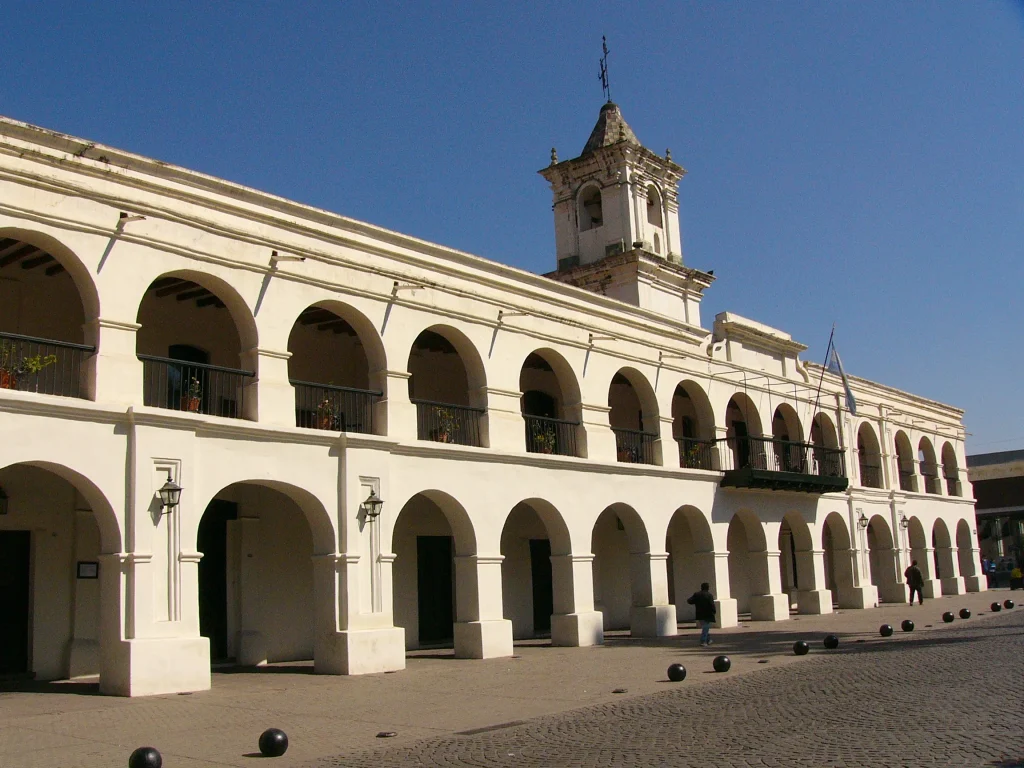
Salta city is the region’s strongest urban culture anchor. Start in the historic center, where the cathedral and cabildo give a useful architectural frame to the city, then make time for the Museo de Arqueología de Alta Montaña, known as MAAM, and the Güemes Museum. This combination connects colonial-era streetscapes with archaeology and the story of a key figure in Argentine independence.
Visit MAAM with care and attention
MAAM’s interpretation of the Llullaillaco children concerns sacred archaeological human remains, so it deserves more thought than a quick stop between landmarks. Read the museum’s framing, allow time to absorb the context and treat the subject with respect. Exhibition arrangements can change, so confirm the current display details directly with MAAM before building a visit around a particular gallery.
Give Salta at least a full day for its central cultural institutions and streets, then leave space for an evening that includes regional music or a peña. The city rewards an unhurried rhythm: museum interiors, a walk through the historic core and a meal can form a more meaningful cultural day than trying to cover every nearby attraction.
Read the Quebrada de Humahuaca as a living cultural landscape
The Quebrada de Humahuaca is central to any Argentina Andes art and culture guide because its history extends for more than 10,000 years. It was inscribed as a World Heritage cultural landscape in 2003. The designation matters because the valley is not simply a dramatic setting for photographs. Its villages, routes, archaeological context and continuing traditions are part of the landscape’s meaning.
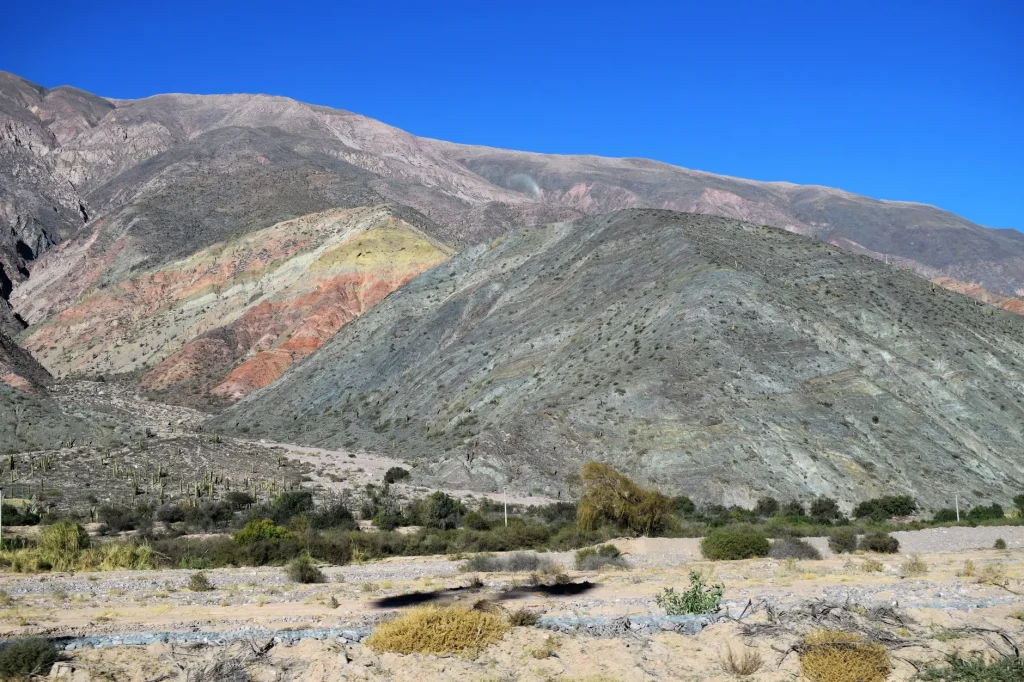
National Route 9 follows roughly 150 kilometers between Volcán and Tres Cruces, linking the Quebrada’s village stops. The road is the practical spine of the journey, but the best cultural approach is to slow down. Build time for walking, conversations, craft browsing and pauses between viewpoints instead of treating every stop as a photo opportunity with a strict departure time.
Approach crafts as cultural work
Craft traditions are one of the region’s most immediate ways to engage with place. Buy with attention rather than collecting souvenirs at speed: ask about the maker’s process when conversation is welcome, handle work carefully and agree on a price before completing a purchase. Ask before photographing people, their work or religious activity. Courtesy is part of good cultural travel.
Make music, food and Carnival part of the cultural plan
Music and food belong alongside museums and landscape in northwest Argentina. In Salta, peñas offer a natural setting to include regional music in an evening plan. Across Salta and Jujuy, food, local gatherings and seasonal celebrations give cultural travel a lived-in dimension that a road itinerary alone cannot provide. Leave open time in your schedule rather than filling every hour with transfers.
Carnival has deep cultural importance in Jujuy and the wider north, but it should not be approached as a generic festival add-on. Exact dates and local arrangements vary, so research the particular communities and events you hope to experience before committing to flights or accommodation. A little planning helps travelers participate with better timing and more respect for local practice.
Choose a Salta base, a Jujuy base or a combined route
For a city-centered cultural trip, Salta is the easiest place to settle in. Official tourism guidance suggests three to six days for Salta and nearby San Lorenzo, a useful range for travelers who want museums, architecture and evenings in town without a rushed schedule. Add a Jujuy and Quebrada segment when crafts, village life and the cultural landscape are primary goals.
| Trip phase | Best cultural focus | Planning priority |
|---|---|---|
| Days 1 and 2 in Salta | Historic center, cathedral, cabildo, MAAM and the Güemes Museum | Keep the first two days walkable and museum-focused. |
| A Salta evening | Regional music, food and a peña | Leave time for an unhurried evening rather than a late transfer. |
| Jujuy and Quebrada segment | Village stops, crafts, archaeology and the Quebrada cultural landscape | Allow flexibility for road travel and slower exploration. |
| Optional high-altitude day | Salinas Grandes or the Train to the Clouds | Attempt it only after gradual pacing and with altitude in mind. |
A combined route works best when it does not force a false choice between city and countryside. Salta provides the museum depth and historic urban fabric; Jujuy and the Quebrada provide the broader cultural landscape. If time is short, choose the emphasis that fits your interests instead of squeezing both into a hurried overnight circuit.
Get around with flexibility, but understand the tradeoff
A rental car gives the greatest freedom for a Quebrada journey because it allows travelers to stop in villages and at viewpoints on their own schedule. Buses reduce the responsibility of driving but are less flexible for stop-by-stop exploration. For culture-focused travelers, the decision is simple: choose a car when independent pacing matters most, and choose organized transport when simpler logistics matter more.
_01.jpg)
Avoid building this trip around fixed cost assumptions. Independent travel can bring flexibility while adding vehicle, fuel and parking expenses. Organized day trips simplify transport but restrict time in villages and markets. Check current transport, tour, train, accommodation and museum costs directly before booking, then compare the experience each option gives you rather than only the headline fare.
Treat altitude as part of the itinerary design
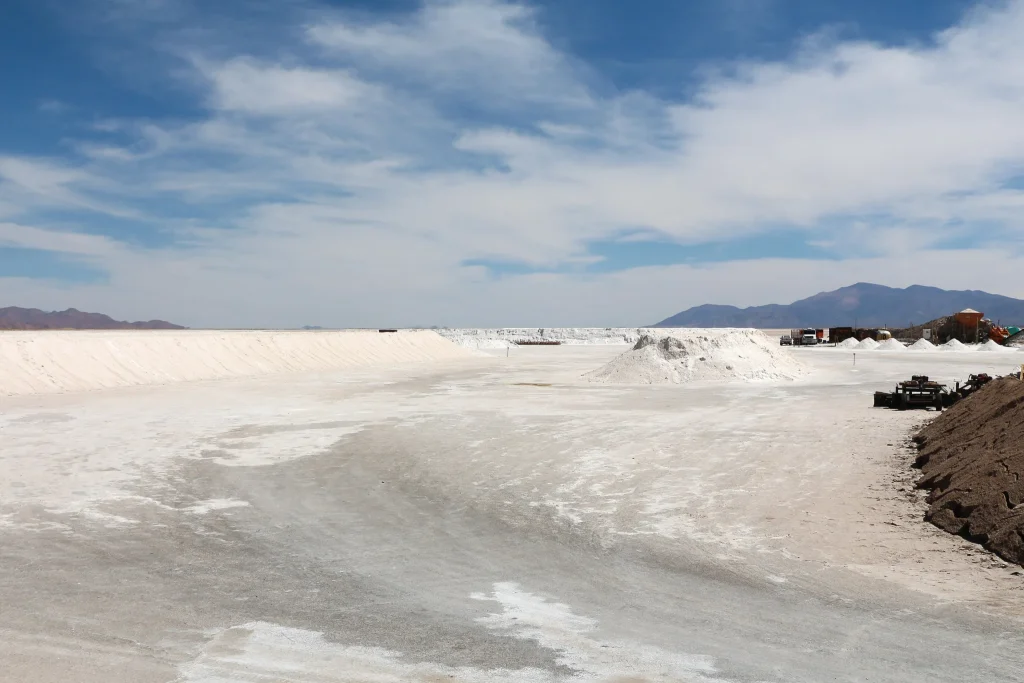
High altitude is one of the main practical limits on an ambitious northwest itinerary. Salinas Grandes sits above 3,300 meters, while the Train to the Clouds experience reaches about 4,220 meters. Do not stack either high-altitude outing onto your arrival day. Start with lower-key museum and city time, pace yourself gradually, and seek individualized clinical advice before travel if a health condition could be affected by altitude.
For a deeper explanation of gradual pacing, use the site’s plain-English guide to altitude acclimatisation in the Andes before deciding how soon to schedule a salt-flat or high-rail excursion. The key cultural benefit of slower acclimatisation is simple: you are more likely to enjoy the journey, conversations and landscape instead of spending the day managing how you feel.
Pick the season that suits your priorities
April through June and September through November offer the broadest compromise for Salta and Jujuy, with pleasant temperatures and generally clearer conditions. Winter is especially attractive for dry weather and clear skies. In Salta, December through February brings heavier rainfall, which can make a route built around easy road travel less predictable.
Before leaving for the Quebrada, recheck road conditions, weather and any operator arrangements for the days you will travel. This is particularly important in summer and before high-altitude excursions. It is a short final planning step that protects the parts of the trip that are hardest to rearrange once you are on the road.
Plan access and respectful encounters individually
Do not assume that a museum, small-town lodging, bus or excursion has step-free access or adapted facilities. The Quebrada’s altitude, small towns and road-based sightseeing can add mobility and stamina challenges. Travelers with access requirements should contact each museum, accommodation and operator directly before booking to discuss current entrances, toilets, transport and assistance arrangements.
The most satisfying cultural encounters are usually the least performative. Arrive with time, listen before asking questions, ask permission for photographs and remember that community traditions are not staged solely for visitors. This approach makes room for the region’s complexity, from Salta’s urban institutions to the Quebrada’s long-lived cultural landscape.
The case for a slower Argentina Andes culture trip
This journey suits travelers who want more than landmark collecting. Salta provides the museums and architectural context; Jujuy and the Quebrada bring the wider Indigenous, archaeological and living cultural landscape into view. The main limitation is that distances and altitude discourage rushing. Give the route enough days, make altitude decisions thoughtfully and let the museums, crafts, music and villages set the pace.
If this is part of a longer journey, the site’s first-time visitor guide to the best places in the Andes can help you compare northwest Argentina with other major Andean regions. For this particular corner of the range, a combined Salta and Jujuy plan offers the clearest cultural story.
Frequently asked questions about art and culture in Argentina’s Andes
Frequently asked questions
Where should an Argentina Andes art and culture trip focus?
Focus on Salta, Jujuy and the Quebrada de Humahuaca. Together they combine museums, colonial architecture, Indigenous traditions, crafts, music, food, archaeology and a cultural landscape with more than 10,000 years of history.
Should I stay in Salta or Jujuy for a cultural trip?
Stay in Salta for museums, historic architecture, peñas and city conveniences; use Jujuy or the Quebrada for village crafts, archaeological context and high-desert experiences. A combined itinerary gives the fullest picture when you have enough time.
How long should I allow for Salta and the Quebrada?
Allow three to six days for Salta and nearby San Lorenzo, then add time for Jujuy and the Quebrada if those are part of your plan. The Quebrada is better explored with room for village stops rather than as a rushed drive.
Is altitude a concern in northwest Argentina?
Yes, altitude should shape your itinerary, especially for Salinas Grandes above 3,300 meters and the Train to the Clouds at about 4,220 meters. Build up gradually and avoid scheduling a high-altitude outing immediately after arrival.
When is the best time for an Andes culture trip in Salta and Jujuy?
April to June and September to November offer a strong balance of pleasant temperatures and clearer conditions, while winter is dry and clear. Salta receives heavier rainfall from December through February, so check current road conditions before a summer trip.
Are museums, transport and Quebrada villages accessible for wheelchair users?
Accessibility needs to be planned venue by venue because step-free entry, adapted transport and other facilities are not consistent assumptions for this route. Contact museums, accommodation providers and excursion operators directly before booking.
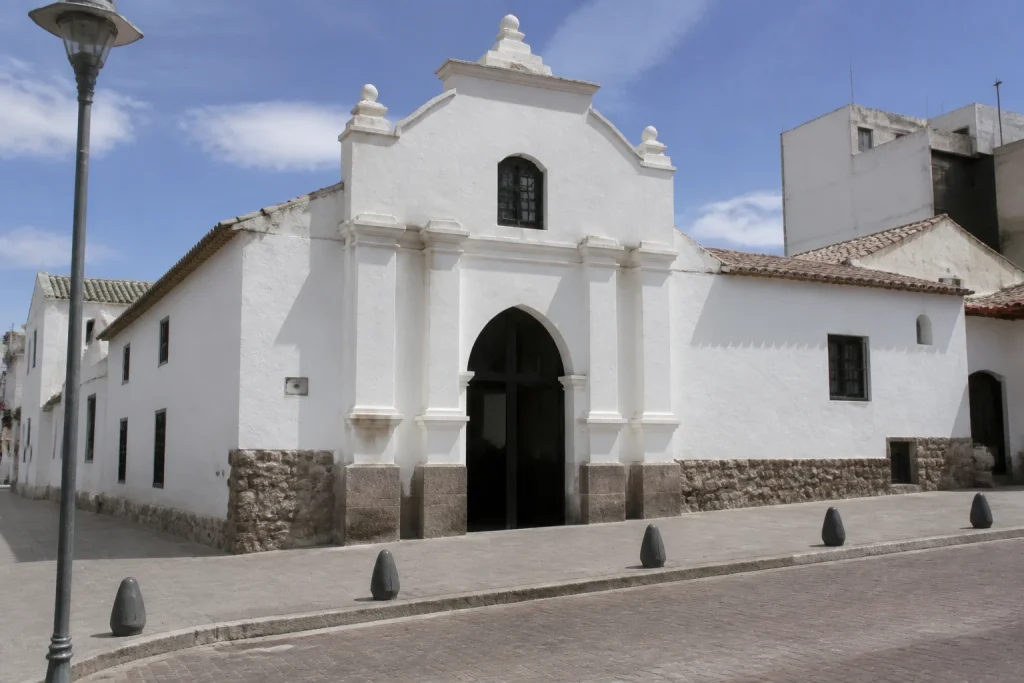
The Cabildo is part of Salta’s historic center by Fulviusbsas, CC BY-SA 3.0.

More bookable experiences
Three tours to compare
Review current provider details before booking. Discover Andes may earn a commission at no extra cost to you.
Continue exploring
More practical guides selected from the Discover Andes library.
The Andes New Year’s Eve Guide
Plan New Year's Eve in the Argentine Andes with practical advice on Mendoza, the Uco Valley, Bariloche, summer…
Best Bars in The Andes
Explore the strongest drinks experiences in Argentina’s Andes, including Mendoza’s urban bar districts, vineyard tasting venues, an urban…
The Andes by Night Guide
Plan an evening or overnight journey into Argentina’s high Andes, with practical guidance on Salta and Jujuy gateways,…

The Andes First Night Guide
Use Mendoza as a practical first-night base for Argentina’s central Andes, then prepare for Aconcagua, Horcones, Puente del…