The Andes by Night Guide
Northern Argentina takes on a different character after sunset. City lights and folkloric music animate Salta, while the high Puna becomes colder, darker, and far more remote. In this guide, “the Andes by night” describes a style of travel rather than a single attraction or branded tour. The goal is to help you choose between an evening in the city and a properly planned highland excursion.
- Use Salta, San Salvador de Jujuy, or a town in the Quebrada de Humahuaca as your gateway.
- Treat a Salta evening and a remote Puna overnight as separate plans, not casual late-night add-ons.
- Prepare for high elevation, intense daytime sun, and sharp temperature drops after sunset.
- Favor the dry-season windows of April to May and October to November for Puna travel.
- Arrange vetted transport and confirm what your quote includes before leaving the city.
The strongest itinerary matches the night experience to your comfort level. Salta offers restaurants, bars, and folkloric peñas without requiring a remote transfer. A Puna journey provides the high-elevation setting many travelers imagine, but it introduces colder conditions, altitude concerns, longer road movements, and fewer urban services.
Choose between a Salta evening and a Puna overnight
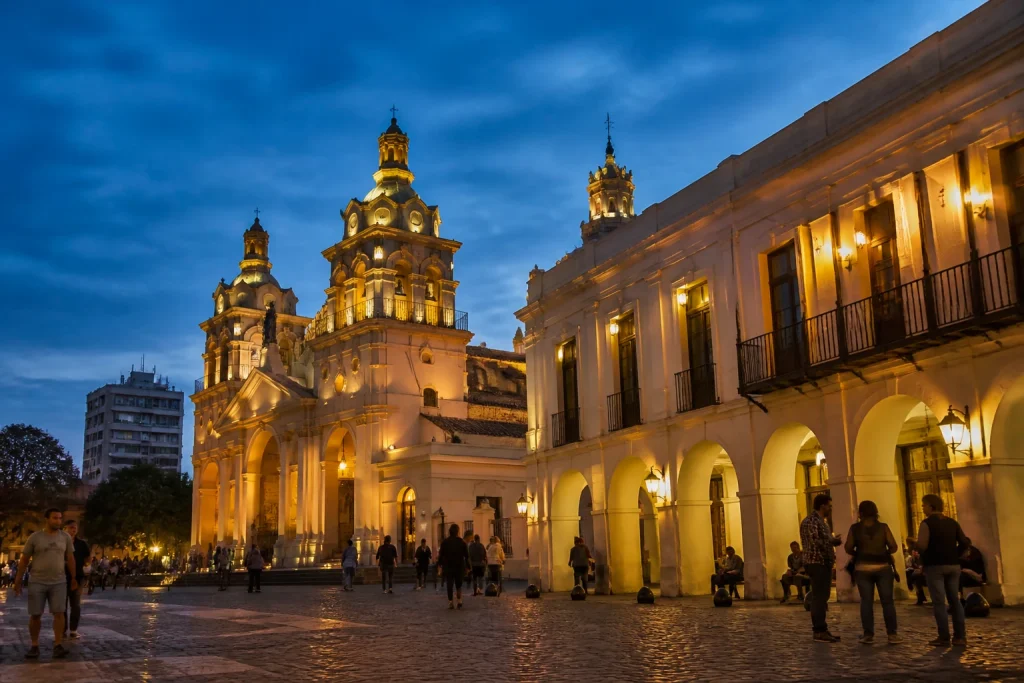
Choose Salta for the easier night out. The city has evening dining, bars, and peñas where folkloric performance is part of the experience. You can return to established city accommodation afterward instead of adding a high-altitude road journey in darkness. This format suits a first night in the region or a traveler who wants local atmosphere without committing to a remote excursion.
Choose a Puna overnight when the landscape is the main reason for traveling. These highland areas lie far from large urban centers, so the trip needs planned transport, suitable clothing, water, and a clear overnight arrangement. Do not build the schedule around freely moving between Salta and distant mountain stops late at night. Treat the highland component as its own excursion.
| Plan | Best suited to | Main consideration |
|---|---|---|
| Evening in Salta | Travelers seeking food, bars, and folkloric peñas | Urban convenience and no remote overnight required |
| Guided Puna excursion | Travelers prioritizing high-altitude landscapes | Altitude, cold, road conditions, and long transfers |
| Highland overnight | Travelers with more time and a confirmed lodging plan | Accommodation, meals, transport, and support must be clear before departure |
Start from the right northern Argentina gateway
Salta, San Salvador de Jujuy, and towns in the Quebrada de Humahuaca are practical starting points for guided Puna trips. Salta works well when you want to combine a city evening with a separate highland journey. A base in Jujuy or the Quebrada can place you closer to some mountain routes, reducing the need to return to Salta after every outing.
Reaching Salinas Grandes from Purmamarca
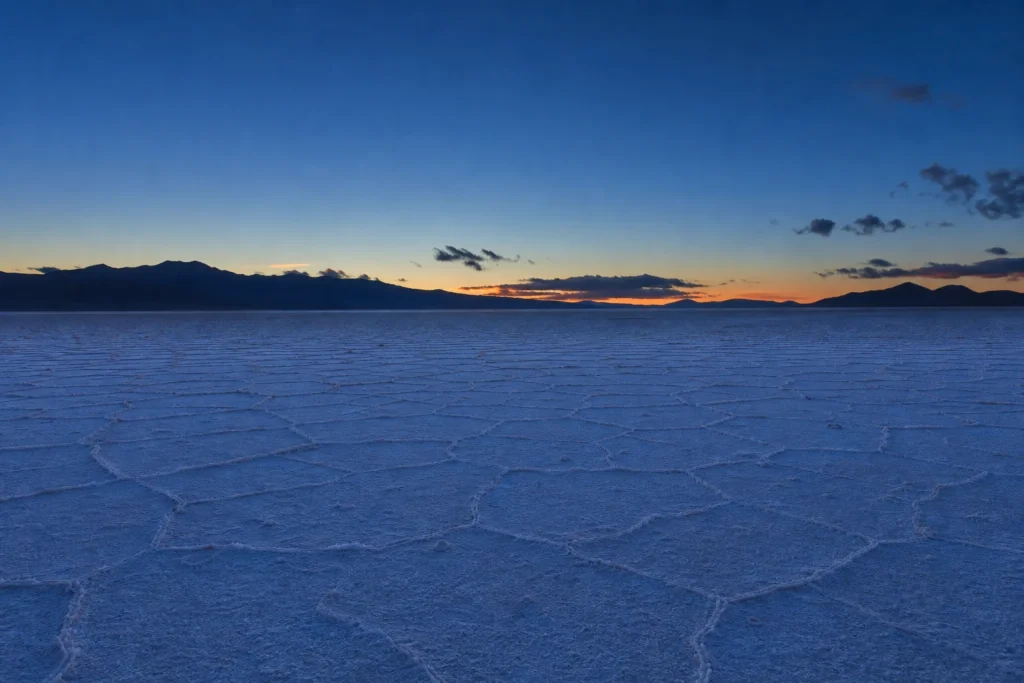
Salinas Grandes lies 66 kilometers from Purmamarca via National Route 52. The approach crosses Cuesta de Lipán at 4,170 meters before reaching the salt flats, which average about 3,450 meters. Visitors can travel by car or hired transport, but the elevation makes this more demanding than the distance alone suggests.
Salt-flat travelers comparing several Andean destinations can also consult the three-day Bolivian Altiplano guide to Uyuni Salt Flats. Keep the two journeys separate when planning transport, weather, and altitude, since this guide focuses on the Argentine Puna around Salta and Jujuy.
Using Susques as a highland reference point
Susques is listed at 3,896 meters, and the principal road there from Purmamarca is paved. That road access is useful, but pavement does not remove the effects of elevation, cold, or changing weather. Any night-focused plan should still account for the return journey or include confirmed overnight accommodation.
Pick a season that supports reliable Puna travel
April to May and October to November are the preferred dry-season windows for visiting the Puna. These periods offer a better planning baseline for a route involving remote roads and outdoor stops. Conditions still need checking close to departure because highland weather and temperatures can change quickly.
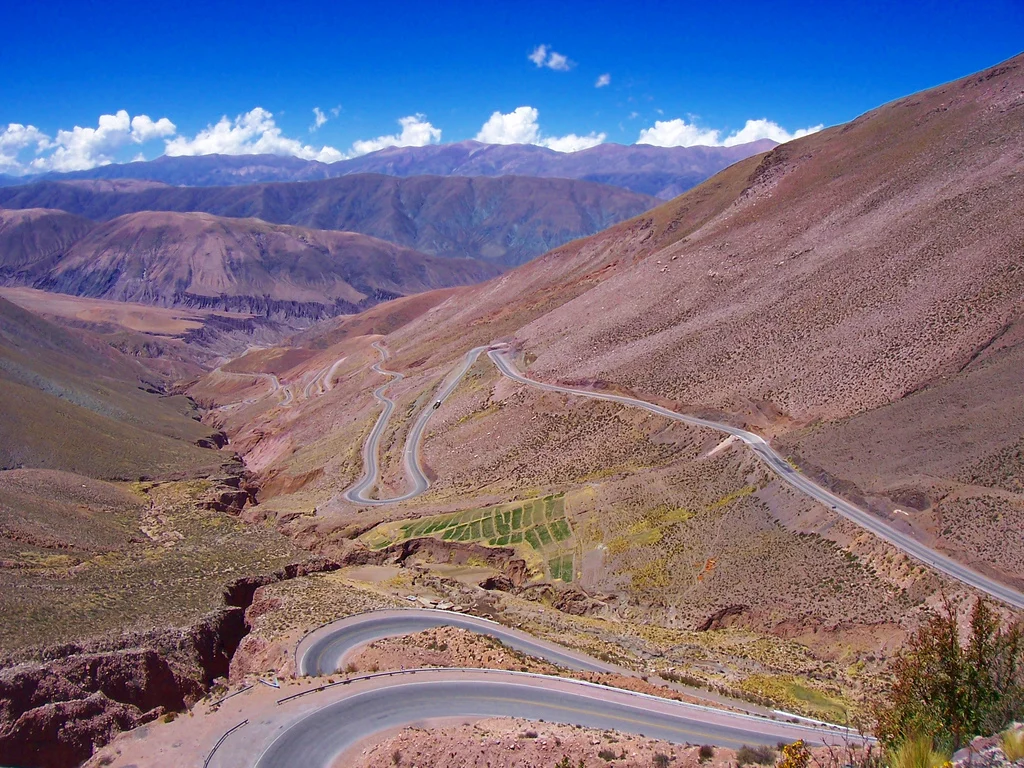

December through March is generally rainy, and some roads can become impassable. A rigid night itinerary is a poor fit for that uncertainty. Leave room for route changes and confirm the day’s transport plan before departing your gateway. Weather-related alternatives and cancellations should also be addressed when arranging a guided trip.
Cold is relevant in every season. The Puna has large temperature swings between day and night, and high-elevation temperatures can be very low even during summer nights. Plan for strong sun during daytime travel and a much colder return or overnight stay.
Put altitude at the center of the plan
Elevation is the main physical constraint in the Argentine Puna. Salinas Grandes averages 3,450 meters, Susques stands at 3,896 meters, and Cuesta de Lipán reaches 4,170 meters. These figures matter even if most of the outing takes place inside a vehicle. Build a less demanding schedule than you would use near sea level and avoid packing the day with unnecessary extra stops.
Take precautions against altitude sickness and dehydration, and carry enough drinking water for remote travel. Travelers with diabetes, high blood pressure, or another condition affected by elevation should consult a clinician before visiting high-altitude areas. Our plain-English Andes acclimatisation guide provides additional planning context for adjusting to elevation.
Avoid treating oxygen or medical support as an automatic inclusion. If either matters to your group, ask the operator to identify what is carried and how emergencies are handled. The answer should be part of the practical decision about the trip, especially when the itinerary reaches elevations above 3,000 meters.
Build an itinerary that avoids rushed night transfers
A good night-oriented plan separates the atmospheric part of the trip from the difficult transport. It does not rely on an improvised late return across unfamiliar highland roads. Choose the format before booking accommodation, then make sure the driver, meeting point, final stop, and overnight arrangements all support that choice.
- For a city evening, stay in Salta and plan dinner, a bar, or a folkloric peña within the urban area.
- For a highland excursion, travel with a clear route and an agreed return or overnight plan rather than adding a spontaneous night drive.
- For an overnight journey, confirm accommodation, meals, drinking water, transport, guide services, and the response to weather-related route changes.
- Keep the following morning flexible if the trip involves a long return from high elevation.
Do not promise yourself a particular sky or fixed outdoor schedule. The practical value of the journey comes from being present in the high Andes after the day’s heat has faded, while having a safe and organized way to remain there or return. A flexible plan is more useful than a tightly timed list of viewpoints.
Arrange transport before leaving the city
Road access exists to major sights, including Salinas Grandes by car or hired transport. The main Purmamarca to Susques road is paved. These facts do not establish that unscheduled nighttime self-driving is advisable on every Puna route. Use a vetted transport provider when you are unfamiliar with the roads, and agree on the full movement plan before departure.
Check the pickup point, destination, planned stops, return location, and overnight arrangements. Ask how weather or an impassable road would change the itinerary. If you are joining a tour, review the booking confirmation once for these details rather than assuming the advertised destination explains the entire journey.
Use ordinary security precautions during transfers. Keep valuables out of view, particularly in public places, and carry sealed drinking water outside urban areas because rural tap water may not be safe to drink. Store essential medication and a warm layer where you can reach them without unloading every bag beside the road.
Pack for sun before sunset and cold afterward
The packing challenge is the temperature swing. A departure under intense highland sun can end in very cold conditions after dark. Dress in adjustable layers rather than relying on one heavy item, and keep the warmest layer inside the vehicle instead of buried under luggage.
- Layered warm clothing, including an outer layer suitable for a cold highland evening
- Sunglasses and a hat for strong daytime exposure
- Sun protection for outdoor stops before sunset
- Sturdy footwear appropriate for uneven outdoor surfaces
- Sealed drinking water for remote and rural travel
- Personal medication and a small bag that stays with you during transfers
Pack for the activity named in your itinerary. A short roadside stop, a longer outdoor walk, and an overnight stay have different clothing and footwear needs. The dependable common ground is protection from daytime sun, preparation for cold after dark, and enough water for a remote journey.
Compare quotes by inclusions, not by a headline price
Prices depend on the route, provider, group size, transport, and overnight arrangements. Request an itemized quote from a licensed local operator. It should make clear whether the price includes transport, guide services, meals, entrance fees, accommodation, oxygen or medical support, and changes caused by weather or road conditions.
Compare the complete plan rather than selecting the shortest list of inclusions. A low quote can become inconvenient if it omits the return transfer, a meal during a long excursion, or the expected overnight stay. Also check the cancellation terms when traveling during the rainy period, when road access can be disrupted.
Confirm accessibility for the exact vehicle and stops
Accessibility is specific to the operator, vehicle, accommodation, and selected stops. Road access alone does not confirm wheelchair space, adapted transport, accessible toilets, or step-free lodging. Travelers who need these features should obtain written confirmation for the complete itinerary before booking, including boarding arrangements and overnight access.
Decide if a night-focused Andes trip suits you
A Salta evening suits travelers who want food, music, and regional culture with city convenience. A Puna overnight is better for those prepared for remote distances, sharp temperature changes, and elevations above 3,000 meters. The highland option demands more planning, but it places the landscape at the center of the journey.
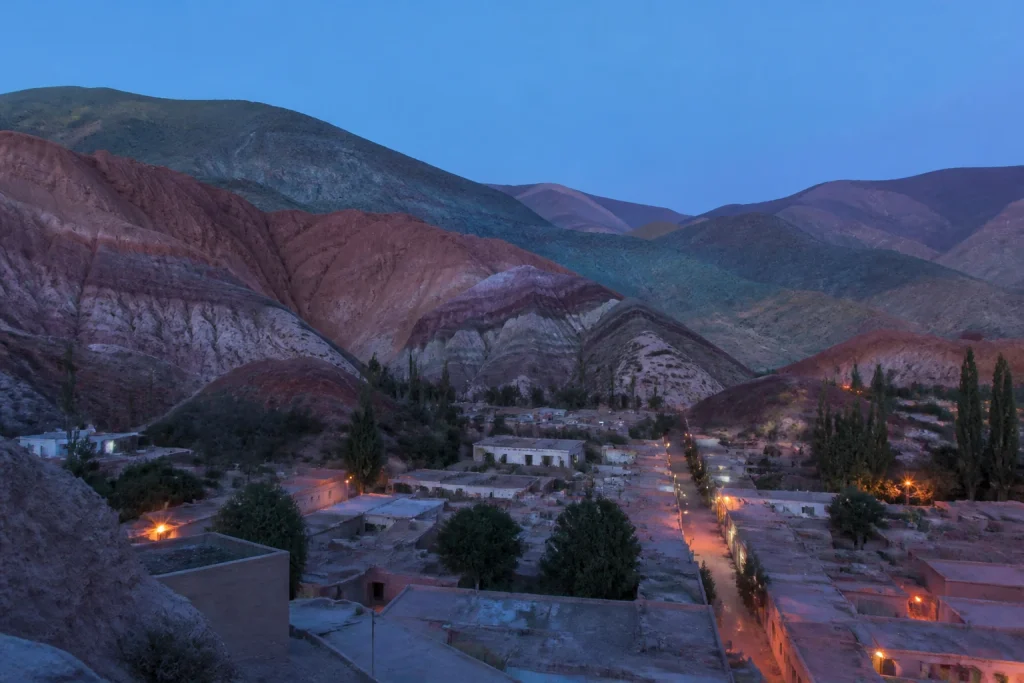
First-time visitors still deciding where this experience fits can use our guide to the best places to visit in the Andes for first-time visitors. For northern Argentina, begin by choosing the gateway, season, and altitude level you can manage comfortably. Only then should you compare operators and overnight arrangements.
The essential decision is simple: enjoy an easy evening in Salta, or commit to a structured highland excursion. Do not blur the two with a rushed late transfer. With suitable transport, warm layers, water, and a realistic approach to altitude, nighttime can become a memorable part of an Argentine Andes itinerary rather than its most stressful section.
Frequently asked questions
Is The Andes by Night a specific attraction or tour in Argentina?
No. This guide uses “The Andes by Night” as an editorial description for evening and overnight travel in the high Andes of northern Argentina, not as the name of a confirmed attraction or branded tour.
Where should I start a Puna night or overnight trip?
Salta, San Salvador de Jujuy, and towns in the Quebrada de Humahuaca are practical gateways. The best base depends on your route, transport arrangement, and whether you also want an evening in Salta.
What is the best time of year for a night-focused Puna trip?
April to May and October to November are the preferred dry-season windows. December through March is generally rainy, and some roads can become impassable.
How cold does the Argentine Puna get at night?
High-elevation temperatures can be very low, including on summer nights. Bring layered warm clothing and prepare for a sharp change between sunny daytime conditions and the evening cold.
Is altitude a concern at Salinas Grandes?
Yes. Salinas Grandes averages about 3,450 meters, while the approach over Cuesta de Lipán reaches 4,170 meters. Take precautions for altitude sickness and dehydration, and seek medical advice before traveling if you have a condition affected by elevation.
Can I drive to Salinas Grandes?
Yes. Salinas Grandes can be reached from Purmamarca by car or hired transport along National Route 52, a journey of 66 kilometers. This does not mean every Puna route is suitable for an improvised nighttime drive, so arrange the full transport plan in advance.
How much does an Andes overnight excursion cost?
Costs vary by route, provider, group size, transport, and accommodation. Request an itemized quote showing whether guide services, meals, entrance fees, overnight lodging, medical support, and weather-related changes are included.
Are Puna excursions wheelchair accessible?
Accessibility depends on the exact vehicle, stops, and accommodation. Confirm wheelchair space, boarding assistance, accessible toilets, and step-free lodging in writing before booking.
More bookable experiences
Three tours to compare
Review current provider details before booking. Discover Andes may earn a commission at no extra cost to you.
Continue exploring
More practical guides selected from the Discover Andes library.
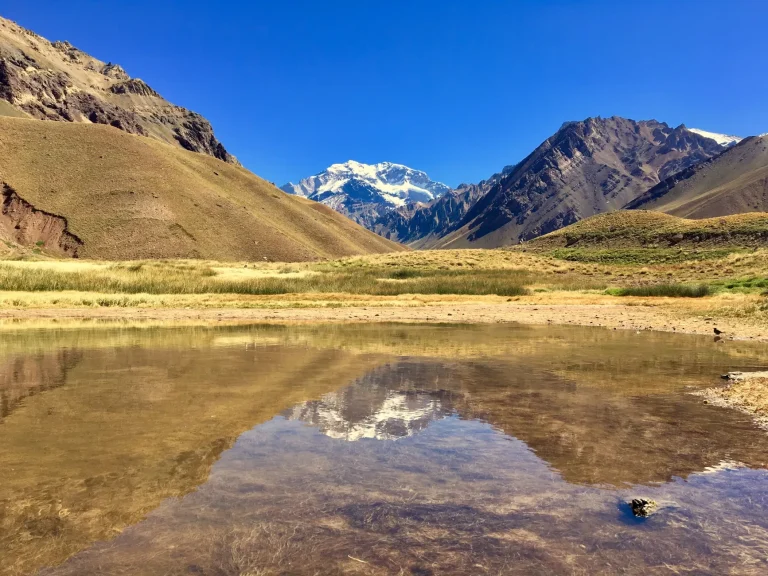
Best Mountains in the Andes
Compare four standout mountains in Argentina’s Andes, including Aconcagua, Fitz Roy, Cerro Tronador, and Lanín, with practical guidance…

Best The Andes Photo Spots
Plan a photography-focused trip to El Chaltén, Argentina, with Laguna de los Tres, Laguna Capri, Laguna Torre, and…
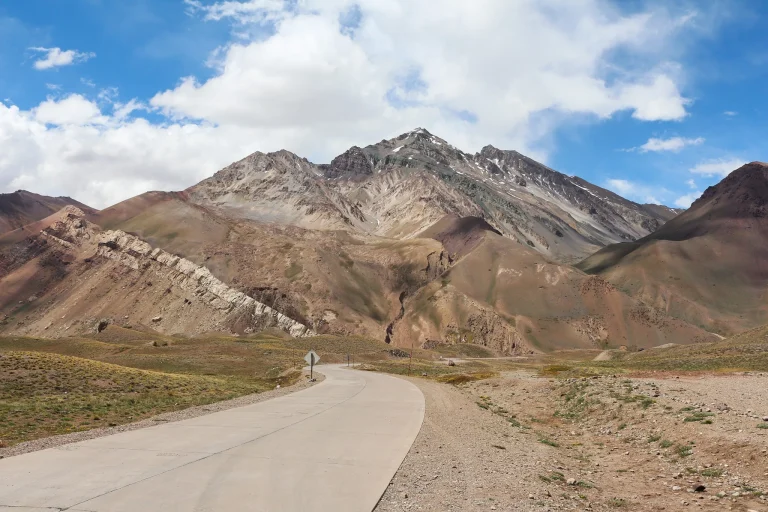
The Andes Solo Travel Guide
Plan a rewarding solo trip through Argentina’s Andes by choosing the right region, timing mountain travel carefully, and…
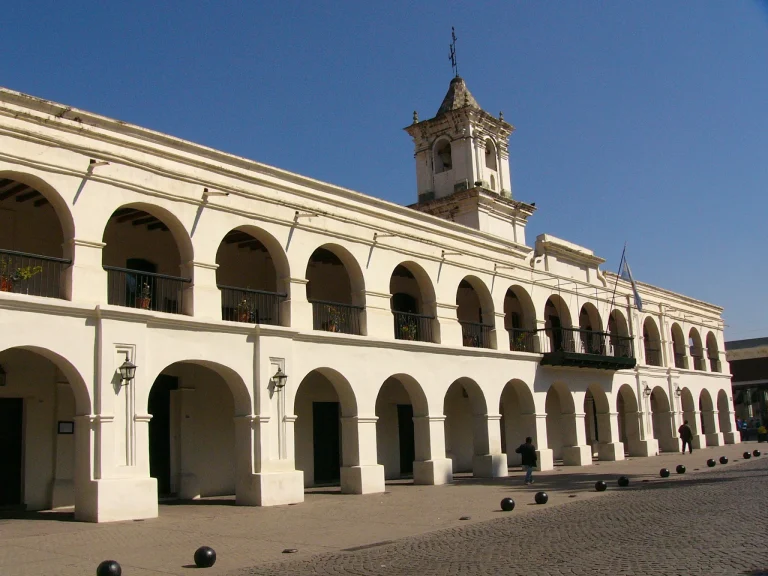
The Andes Art and Culture Guide
Explore the art, living traditions, museums, historic streets, crafts and high-desert cultural landscapes of Argentina’s northwest, with practical…