The Andes Neighborhoods Guide
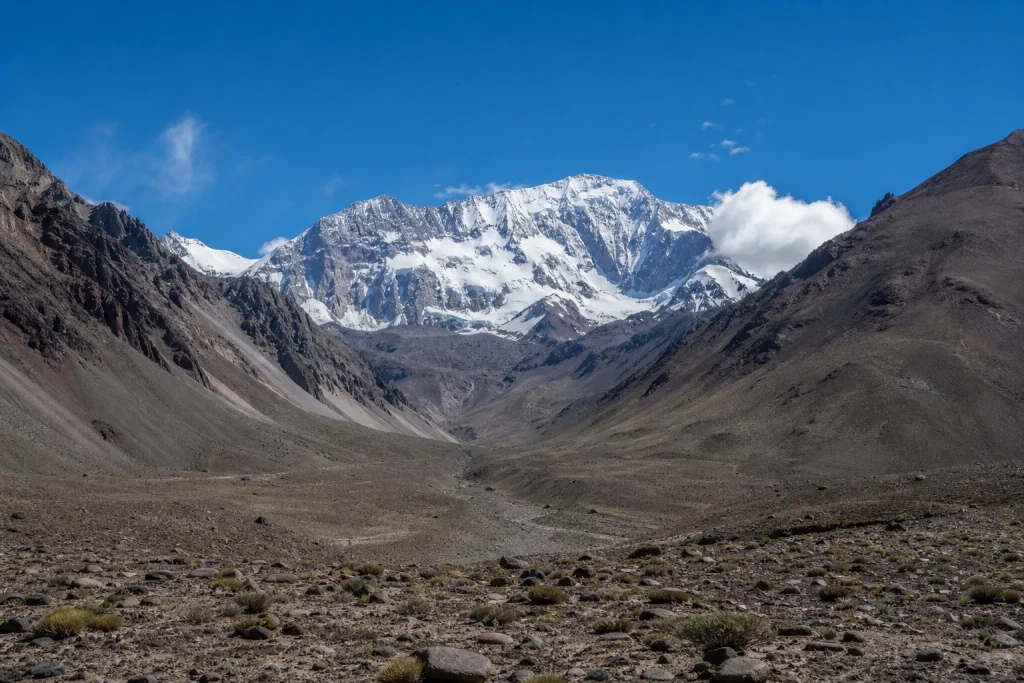
Argentina’s Andes are a long corridor, not one city with adjoining districts. In this guide, “neighborhood” means the base that shapes your days: a wine city, a northern gateway, a highland town, a lake-and-mountain hub, or a trekking center. Mendoza, Salta and Jujuy, Bariloche, El Chaltén, and Ushuaia belong to distinct Andean travel areas, so choose a base for the trip you want rather than trying to connect them as a single urban itinerary.
- Pick Mendoza for an urban base with wineries, Aconcagua Provincial Park, hot springs, and adventure activities within the wider destination.
- Start in Salta, San Salvador de Jujuy, or San Fernando del Valle de Catamarca when guided exploration of remote Puna landscapes is a priority.
- Choose a Quebrada de Humahuaca or Puna base for closer contact with highland scenery, while accepting fewer urban conveniences.
- Make Bariloche your base for a lake-and-mountain itinerary, outdoor adventure, or winter sports.
- Settle on El Chaltén when trekking is the central purpose of the southern part of your trip.
- Plan timing by subregion, and treat altitude and current mountain conditions as major itinerary factors.
Choose an Andean base, not a literal neighborhood
Think in terms of daily rhythm. Mendoza suits travelers who want a city anchor and varied day trips. Northern bases around Salta and Jujuy lead toward cultural landscapes, remote Puna routes, and higher elevations. Bariloche favors lake-and-mountain activity, while El Chaltén is the focused choice for trekking. The strongest base is the one that keeps your main interest close to the center of the itinerary.

Local Foodie Adventure in Buenos Aires with Sherpa Food Tours
We begin at a cozy, hidden deli with mouth-watering empanadas and pizza, one of the best pizza you'll ever have! The next stop will be a very cool sp...

Intimate Underground Tango Show by Secreto Tango Society
Experience tango like never before in an intimate, unscripted performance that brings you face-to-face with the soul...

Buenos Aires Small-Group City Tour
This service is unique due to its specific characteristics: small groups of people per tour, one language per vehicl...

All Day, Small Group, Luxury Wine Tour with Gourmet Lunch
This is a luxury, small group (nine people) wine tour of Mendoza´s fine wine region. We spend the day visiting...
| Base | Best for | Key planning trade-off |
|---|---|---|
| Mendoza | City time, wineries, Aconcagua Provincial Park, hot springs, and adventure activities | Urban convenience and flexible day trips rather than a fully remote mountain stay |
| Salta or San Salvador de Jujuy | A service-rich start for guided Puna exploration | More city amenities, with highland landscapes reached as excursions |
| Quebrada de Humahuaca or Puna | A closer highland setting and small-town scale | Fewer urban conveniences and more attention to altitude and route conditions |
| Bariloche | Lake-and-mountain adventure and winter sports | An outdoor-oriented base that stands apart from the northern Andes |
| El Chaltén | A trekking-centered southern itinerary | Best when hiking, rather than city life or wine culture, is the trip’s main focus |
If your decision is still regional rather than Argentina-specific, Best Places To Visit In The Andes provides a useful broader comparison before you commit to one country or base.
Mendoza for city energy, wine, and mountain day trips
Mendoza is the clearest choice for travelers who want their Andean trip to begin with a proper city base. The destination brings together wineries, the city itself, Aconcagua Provincial Park, hot springs, and adventure activities. That mix gives your stay variety without requiring every day to revolve around a remote mountain settlement.
Autumn and spring are the broad recommended windows for touring Mendoza. July and August are associated with skiing, while the Zonda wind can be stronger in August and September. These are useful seasonal patterns for shaping a trip, not a substitute for checking current weather, road, and mountain conditions before departure.
Who should choose Mendoza
Choose Mendoza if the ideal day can shift between a winery visit, a city meal, a hot-springs stop, or a mountain outing. It is especially practical for travelers who value a larger base and prefer to keep lodging in one place while exploring different sides of the region.
Salta, Jujuy, the Quebrada, and the Puna for northern highlands
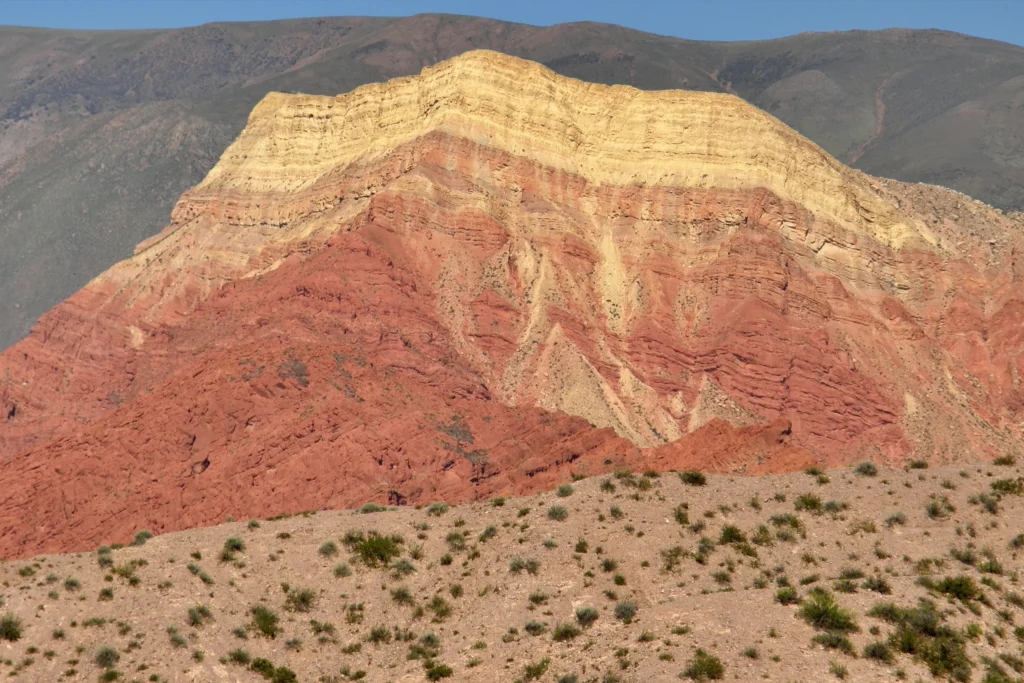
Salta, San Salvador de Jujuy, and San Fernando del Valle de Catamarca are practical starting points for the Argentine Puna. Many sights in this highland region are remote, and guided tours depart from these cities and from towns in the Quebrada de Humahuaca. A city base makes sense when you want services around the edges of big landscape days.
.JPG)
A Quebrada or Puna town changes the rhythm. You trade some city convenience for a closer connection to small highland communities and the surrounding landscape. This is a compelling fit for travelers who want the north to feel like the heart of the trip, rather than a series of outings from an urban hotel.
Treat altitude as part of the route plan
High crossings demand more preparation than ordinary sightseeing. The Cruce de los Andes route reaches 4,500 meters, and official guidance calls for warm layers, sun protection, physical readiness, and time to complete the journey. Read Altitude in the Andes: A Plain-English Acclimatisation Guide before committing to a high-elevation route, then choose activities that match your comfort and preparation.
When to consider the northern bases
Autumn and spring are generally pleasant seasons for touring Jujuy. That makes them sensible starting points for planning a northwestern itinerary, particularly when the trip includes the Quebrada and Puna. For any specific route, confirm live road, weather, and activity conditions shortly before setting out.
Bariloche for lake-and-mountain adventure
Bariloche is the base to consider when lake-and-mountain adventure or winter sports are at the top of the list. It belongs in a different trip category from Mendoza’s wine-and-city blend and the northern highlands around Salta and Jujuy. Give it its own place in the itinerary rather than treating it as a nearby add-on to those regions.
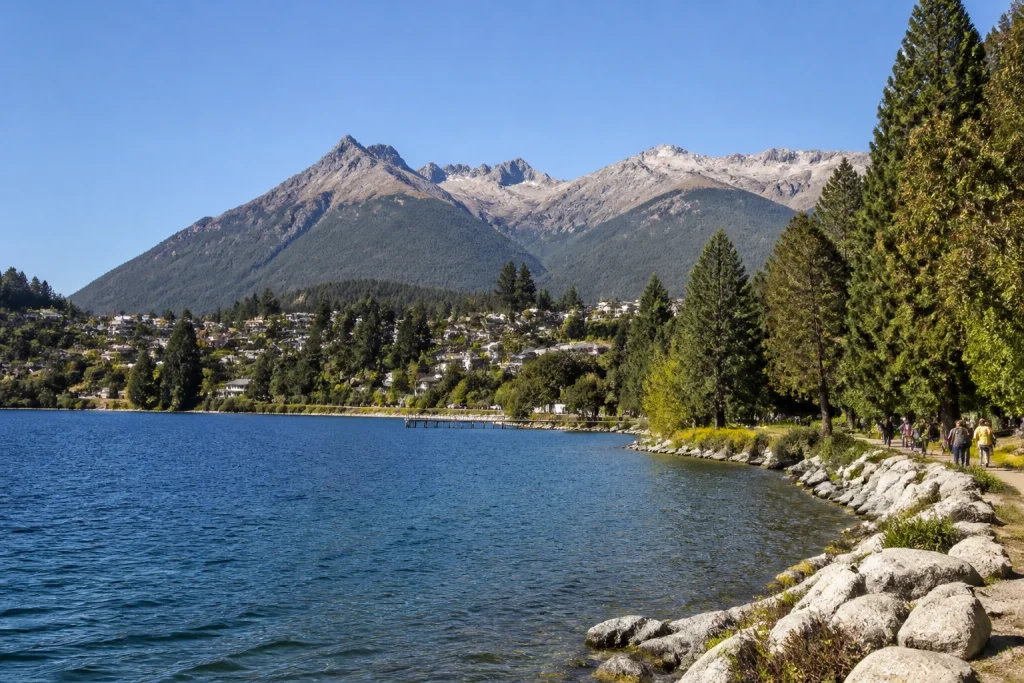
This is a strong match for travelers who want their base to support outdoor days and a mountain setting. If winter sports are the main reason to go, check the current operating details and conditions for the specific activity you plan to book.
El Chaltén for a trekking-first southern stay
El Chaltén works best as a trekking-oriented southern base. Choose it when walking routes and time outside are the organizing idea of the trip, not a side activity between urban attractions. It rewards a focused plan with enough space for weather and trail conditions to shape the day.
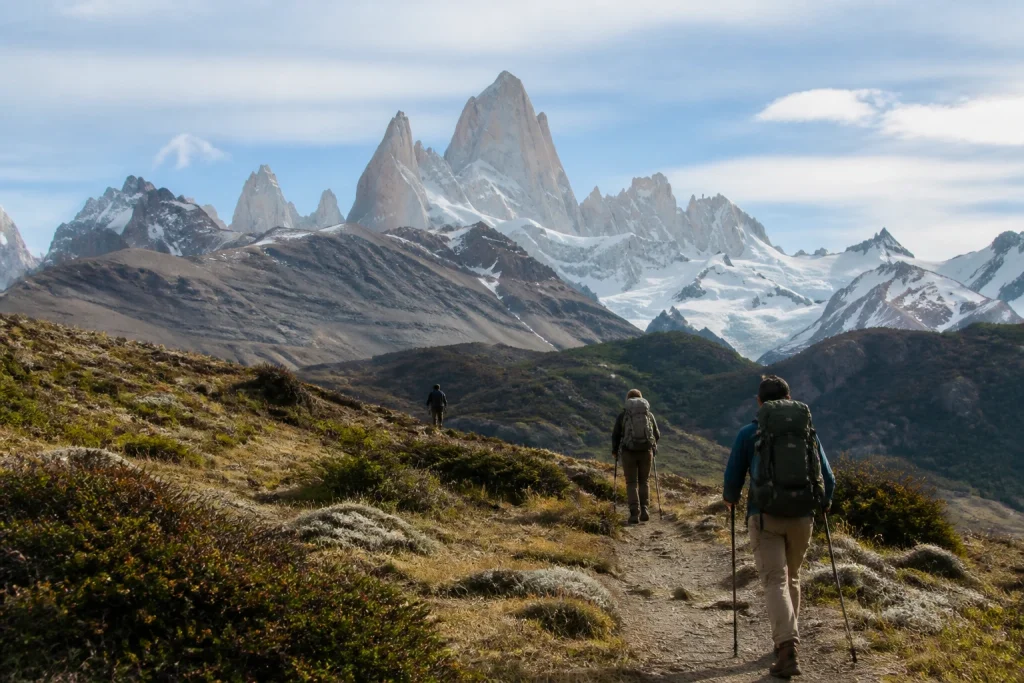
Argentina’s wider Andean map also includes destinations such as Ushuaia. The useful lesson is scale: these are separate travel areas with different priorities, not interchangeable districts of one mountain city. Build a southern plan around the activity that matters most, then avoid overloading it with distant bases.
Use a different seasonal lens for each region
There is no single “best time for the Andes” in Argentina. Mendoza’s broad touring sweet spots are autumn and spring, with July and August linked to skiing. Jujuy also tends to be pleasant for touring in autumn and spring. These patterns help with first decisions, but they cannot predict snow, wind, pass status, trails, or roads on your exact travel dates.
- Use autumn or spring as a starting point for Mendoza and Jujuy touring plans.
- Consider July and August in Mendoza if skiing is a central goal.
- Expect the Zonda wind to be more of a consideration in Mendoza during August and September.
- Check current local conditions before committing to a mountain drive, crossing, trek, or winter activity.
Handle logistics, costs, accessibility, and safety with care
For remote Puna sightseeing, guided departures from Salta, San Salvador de Jujuy, San Fernando del Valle de Catamarca, and Quebrada towns can simplify the day. This is often more practical than trying to treat isolated highland sights as casual city excursions. Review the pickup point, route, inclusions, and activity level when selecting a tour.
Avoid relying on evergreen daily-budget figures for an Argentine Andes trip. Lodging, tours, meals, local transport, park access, and ski activities can shift with date, provider, and changing exchange conditions. Compare current prices for the exact base and travel dates after you decide what kind of trip you are building.
Do not assume that mountain lodging, transport, trails, or activities are step-free or equipped for every access need. Confirm the specific features that matter to you with each accommodation, transport provider, park, or operator before booking. That detail is especially important when a route includes remote highland terrain.
For national context, the U.S. Department of State lists Argentina at Level 1, “Exercise Normal Precautions,” and notes petty crime in tourist areas. Use routine care with bags, documents, and valuables, then check local information for the specific roads, weather, altitude, and mountain conditions that affect your chosen base.
Match your base to the trip you actually want
- Choose Mendoza when city life, wineries, hot springs, and varied day trips matter most.
- Choose Salta or San Salvador de Jujuy when you want urban services around northern guided excursions.
- Choose a Quebrada or Puna town when the highland landscape and small-town setting are the point of the stay.
- Choose Bariloche for lake-and-mountain activity or winter sports.
- Choose El Chaltén when trekking should set the pace of the southern itinerary.
The decisive question is simple: what do you want to wake up ready to do? Wine-country city days, highland exploration, lake-and-mountain activity, and trekking each call for a different base. Once that choice is clear, the rest of the planning becomes more focused, including timing, tours, accommodation, and the amount of altitude preparation needed.
The right Andes base makes the trip feel coherent
Mendoza suits city-and-wine travelers who also want mountain variety. Salta, Jujuy, the Quebrada, and the Puna suit travelers drawn to northern culture, remote landscapes, and high-altitude routes. Bariloche and El Chaltén serve more outdoor-focused trips, with winter sports or trekking setting the agenda. Pick one clear center of gravity, leave room for conditions, and plan outward from there.
Frequently asked questions
Does this guide cover one Andes neighborhood in Argentina?
No. It compares separate Argentine Andes bases that function as distinct travel areas, including Mendoza, northern gateways around Salta and Jujuy, Bariloche, El Chaltén, and Ushuaia.
Which Argentine Andes base is best for wineries and city time?
Mendoza is the strongest fit for an urban base paired with wineries, Aconcagua Provincial Park, hot springs, and adventure activities.
Where should I stay to explore the Puna?
Salta, San Salvador de Jujuy, San Fernando del Valle de Catamarca, and towns in the Quebrada de Humahuaca are practical starting points for Puna exploration. Many remote sights are visited on guided tours departing from these places.
When is a good time to visit Mendoza or Jujuy?
Autumn and spring are broad planning sweet spots for both Mendoza and Jujuy. Mendoza also has a July and August ski season, while exact weather, wind, road, and activity conditions require a current check.
Do I need to prepare for altitude in the Argentine Andes?
Yes, especially for high mountain crossings and Puna-focused itineraries. The Cruce de los Andes route reaches 4,500 meters, and official guidance recommends warm layers, sun protection, physical readiness, and sufficient time for the journey.
Are Andes accommodations and activities accessible for travelers with disabilities?
Accessibility needs to be confirmed property by property and operator by operator. Step-free rooms, adapted transport, accessible trails, and activity arrangements should not be assumed in mountain or remote highland settings.

Cooking Class with Empanadas Steak & Flan by Argentine Experience
Experience the vibrant culinary culture of Buenos Aires with our unique Asado or Argentine cooking class in the heart of Palermo. Unlike typical cooki...

Argentine Cooking, Wine & Beef Tasting at Argentine Experience
This experience stands out by transforming a traditional dinner into an immersive, interactive journey through Argen...

Gaucho Small-Group Full Day at a Farm in Buenos Aires
Enjoy a small-group tour from Buenos Aires to San Antonio de Areco and have a chance to see the pampas as you drive...

Gaucho Day Tour Ranch at an Estancia from Buenos Aires
Enjoy a full-day, shared tour and visit the town of San Antonio de Areco , which is one of the most traditional in t...
More bookable experiences
Three tours to compare
Review current provider details before booking. Discover Andes may earn a commission at no extra cost to you.
Continue exploring
More practical guides selected from the Discover Andes library.
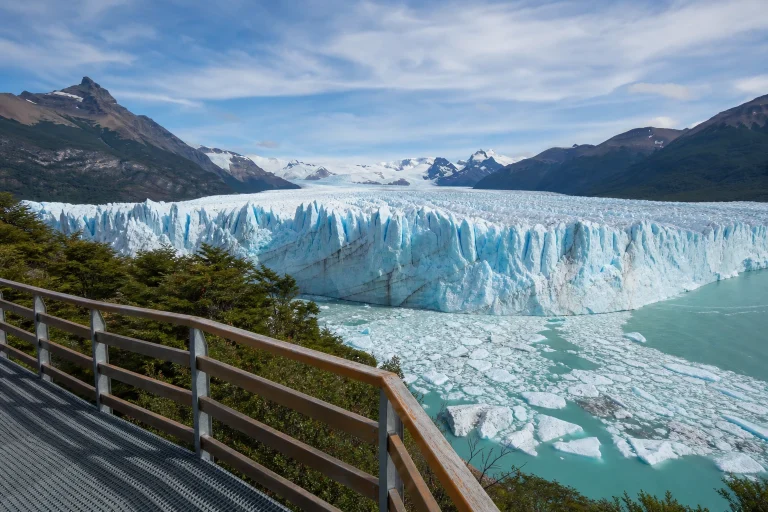
Best Parks and Gardens in The Andes
Plan a nature-focused stop in the Argentine Andes with this practical guide to Los Glaciares National Park, including…
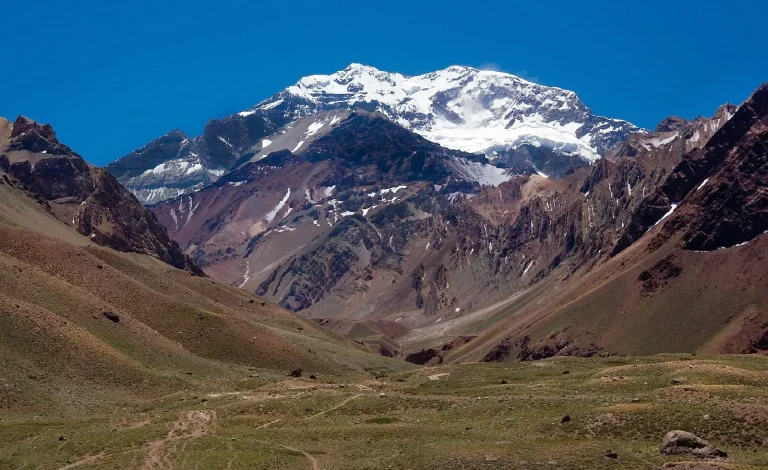
The Andes Spring Travel Guide
Plan a rewarding Argentina Andes trip in spring with a practical choice between Mendoza’s wine country and Jujuy’s…

The Andes Girls Trip Guide
Plan an Andes girls trip in Argentina with practical comparisons of Mendoza, Jujuy, El Calafate, and El Chaltén,…
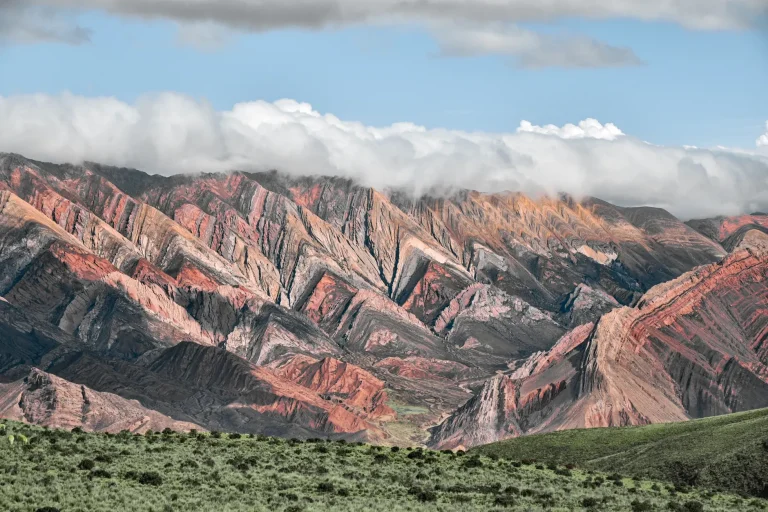
Rainbow Mountain Day Trip Guide
Plan a day trip from Humahuaca to Argentina’s Rainbow Mountain, Serranía de Hornocal, with practical advice on transport,…