First-Timers
Best Places to Visit in the Andes for First-Time Visitors
By Discover Andes Editors · · 9 min read
The Andes are not one trip. They are a 7,000-kilometre mountain range that crosses seven countries, three climate zones, and most of the languages spoken in South America. A first visit usually picks one or two regions and gives them enough room to breathe.
This is the guide we'd hand a friend who has never been. It assumes you have around two weeks, you'd rather come home rested than crossed off a list, and you want a route that respects altitude.
1. Cusco and the Sacred Valley, Peru
If you only see one corner of the Andes, make it this one. The old Inca capital sits at 3,400 metres and rewards two unhurried nights with cobblestones, San Pedro market, and the Qorikancha sun temple. The Sacred Valley below (Pisac, Urubamba, Ollantaytambo) sits about 600 metres lower and is the right place to actually sleep while you adjust.
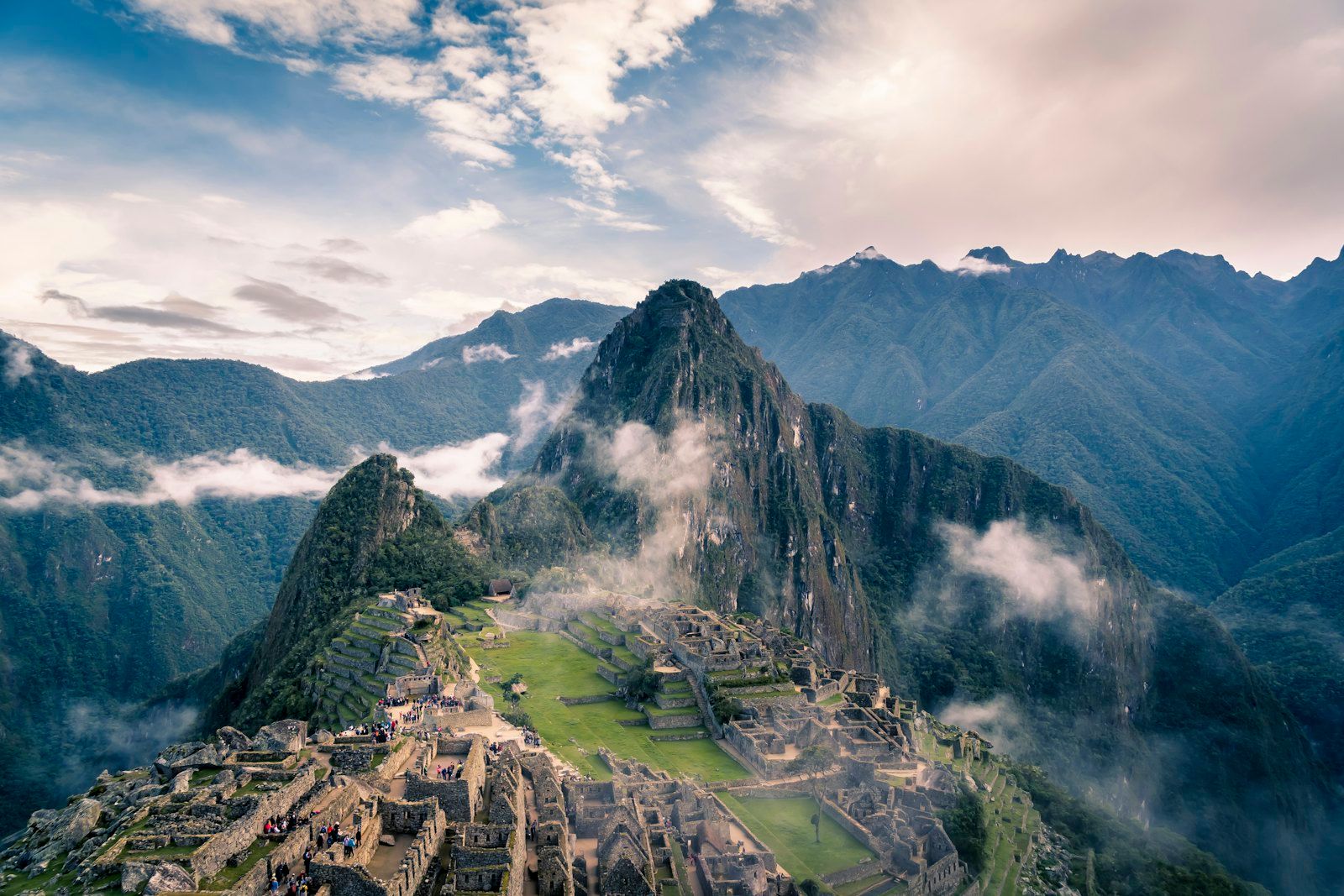
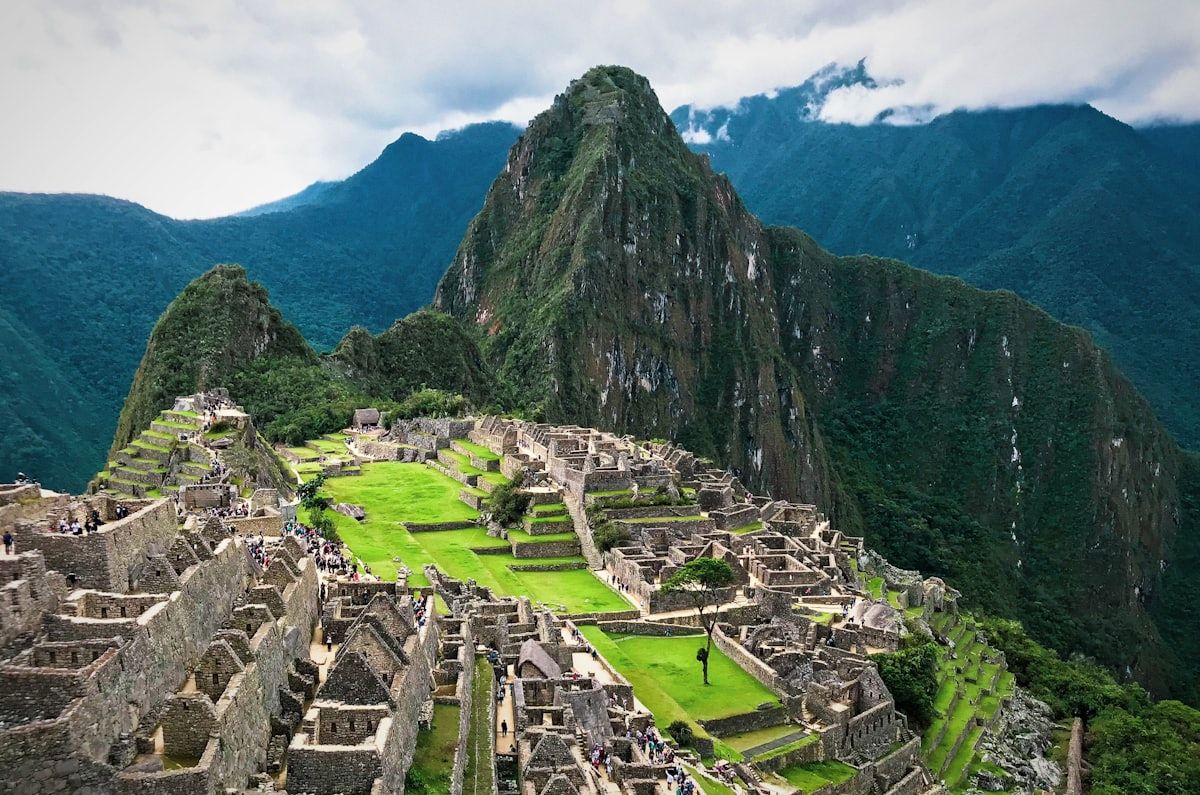
From Ollantaytambo, the train winds down to Machu Picchu in under two hours. Book the timed entry first, then the train. The ruins reward early arrival and a second visit on the next morning's first bus, if your schedule allows.
2. Lake Titicaca, on either shore
The world's highest navigable lake sits between Peru and Bolivia at 3,810 metres. Puno on the Peruvian side is functional rather than charming; the Capachica peninsula or a homestay on Amantani offers a quieter version. On the Bolivian side, Copacabana is more atmospheric and Isla del Sol makes a fine overnight walk if conditions allow.
3. La Paz and the Bolivian altiplano
La Paz is unlike any other capital. Built into a canyon, with a satellite city (El Alto) rising on the rim, the city is best understood from the Mi Teleférico cable cars that connect the two. Spend a day on the Red and Yellow lines, eat salteñas mid-morning, and visit the Witches' Market for the cultural context.
Where to add Uyuni
Three days on the Uyuni salt flats are among the most cinematic in South America. Tours run from Uyuni town and most loop down through the Eduardo Avaroa reserve to the Chilean border at San Pedro de Atacama, which is a useful overland connection if you're heading south.
Altitude reality check
Cusco 3,400m. Puno 3,810m. La Paz 3,600m+. Uyuni 3,670m. If your itinerary stays above 3,000m for more than a couple of days, plan two acclimatisation nights at altitude before anything strenuous, drink more water than you think you need, and talk to your doctor about medication if you have a history of altitude problems.
4. Quito and the Avenue of the Volcanoes, Ecuador
Ecuador packs a lot into a small country. Quito's old town is the best-preserved colonial centre in the Andes. South of the city, the Panamericana runs between perfect cones (Cotopaxi, Chimborazo) with Indigenous markets and hacienda lodges along the way. Otavalo's Saturday market is one of the great market days on the continent.
5. Atacama, Mendoza & Patagonia
The southern Andes feel like a different range entirely. San Pedro de Atacama is the best high-desert base in the world. Mendoza pairs Aconcagua with one of South America's best wine regions. And Patagonia, on both the Chilean and Argentine sides, holds the granite spires of Torres del Paine and the Fitz Roy massif above El Chaltén.
Choosing between Patagonia and the high Andes
If you only have two weeks, don't try to do both. They sit at opposite ends of a continent. A focused trip in either region beats a rushed loop across both.
6. Colombia's coffee country
Often left out of "Andes" itineraries, Colombia's middle range is one of the friendliest introductions to the mountains. Salento and the Cocora Valley sit around 1,800 metres, which means altitude is not the planning constraint it is further south.
How to put a route together
- Classic two weeks: Lima → Cusco / Sacred Valley / Machu Picchu → Puno or Copacabana → La Paz → Uyuni.
- Volcanoes and markets: Quito → Otavalo → Cotopaxi → Quilotoa → Cuenca.
- Southern Andes loop: Santiago → Atacama → Salta → Mendoza → Bariloche.
- Patagonia focus: El Calafate → El Chaltén → Puerto Natales → Torres del Paine.
Frequently asked first-timer questions
When should I go?
For the central Andes (Peru, Bolivia, Ecuador), May to September is the dry season and most reliable. For Patagonia, the window is November to March.
Is it safe?
The Andean tourism corridors are well-established and broadly safe for normal travel precautions. Petty theft in cities is the most realistic risk; high-altitude weather and altitude itself are the underrated ones.
Do I need a guide?
For Machu Picchu and the Inca Trail, yes (legally required). For most other regions, independent travel is straightforward.
"The Andes reward people who go a little slower than they planned to."
Whichever corner you choose, leave a buffer day for weather, build in extra time at altitude, and resist the urge to add one more region. The Andes are a place you come back to.
Related Andes Guides
A Practical Machu Picchu and Sacred Valley Itinerary
How to acclimatise in Cusco, time the train to Aguas Calientes, and route the Sacred Valley without rushing.

Uyuni Salt Flats: A Three-Day Bolivian Altiplano Guide
Mirror-flat horizons, flamingo lagoons, and high-altitude lodges across the Bolivian salt flats and Eduardo Avaroa reserve.

The W Trek in Torres del Paine, Planned Properly
Permits, refugios, weather windows, and packing notes for the most-walked route in Chilean Patagonia.
New Andes guides in your inbox
Practical route notes from Peru to Patagonia. One letter a month, no fluff.