The Andes Spring Travel Guide
Spring is a fine season to experience Argentina’s Andes, but the first planning decision is geographic. The range stretches across a country large enough that its principal attractions deserve at least 20 days to explore well. For a shorter trip, choose one clear character: Mendoza and Cuyo for vineyards, food, mountain scenery, and outdoor pursuits, or the Northwest around Jujuy for high-desert landscapes and the towns of the Quebrada de Humahuaca.
- Choose Mendoza for a balanced spring base combining wine country, food, mountain views, and active days.
- Choose Jujuy for high-desert scenery and Quebrada de Humahuaca routes, while taking altitude seriously.
- Build weather flexibility into early-spring outdoor plans, especially around Mendoza in August and September.
- Reserve Mendoza lodging, winery visits, and tours early during the popular spring period.
- Check park, road, and activity conditions close to departure, as mountain access can change with weather.
Do not try to turn Mendoza and Jujuy into casual day-trip companions. They work better as separate regional trips with their own pace, landscapes, and practical demands. If you are still narrowing a larger route, Best Places to Visit in the Andes for First-Time Visitors offers useful context for placing an Argentina stop within a broader Andean journey.
Choose the Argentina Andes route that suits your spring trip
| Base | Best for | Main planning consideration |
|---|---|---|
| Mendoza | Vineyards, food, thermal springs, rafting, hiking, adventure activities, and Aconcagua-area scenery | Spring is a sought-after season, and early spring calls for flexibility around Zonda wind. |
| Jujuy and the Northwest | Quebrada de Humahuaca towns, high-desert scenery, and salt-flat excursions | Many signature outings reach significant elevation, so city time and high-altitude days should be planned differently. |
| A longer Argentina trip | Combining several distinct landscapes over a slower itinerary | Allow transfer days and avoid treating the country’s far-apart regions as interchangeable stops. |
Choose Mendoza for wine country, food, and mountain variety
Mendoza is the easier choice for travelers who want several styles of Andes day in one base. Its official tourism offering brings together wine-country visits, food, thermal springs, rafting, hiking and other adventure activities, with mountain scenery around Aconcagua adding a grand high-Andes counterpoint. Spring, from September through November, is specifically recommended for the province.
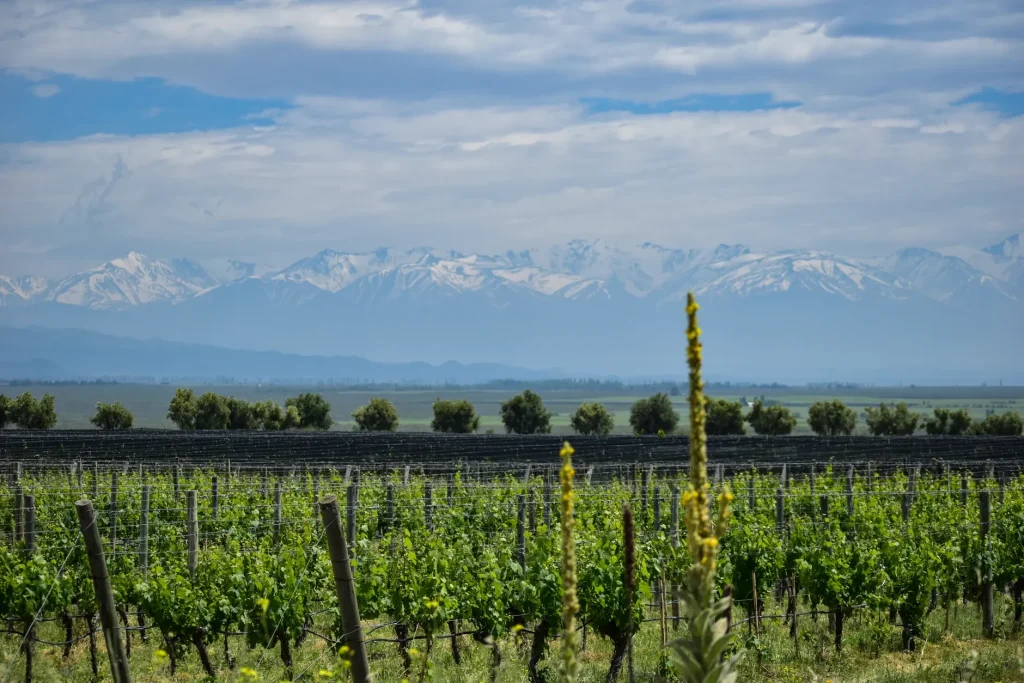
That variety is Mendoza’s strength. A trip can pair a leisurely winery visit with an active mountain day rather than asking every traveler to commit to a high-elevation expedition. Spring demand is also strong, so book the lodging, winery appointments, and guided activities that matter most before finalizing the rest of the itinerary.
Give a Mendoza itinerary room to breathe
- Begin with a food- and wine-focused day, leaving enough time for the visits you have reserved.
- Set aside a separate day for the mountains, choosing among Aconcagua-area scenery, hiking, rafting, thermal springs, or another adventure activity that fits your interests.
- Keep one flexible half-day or full day for a slower meal, an additional winery visit, or a weather-related adjustment.
- In August and September, avoid making a single outdoor booking the immovable centerpiece of the trip because Zonda wind is most intense in these months.
Mendoza rewards travelers who prefer a polished base and a measured rhythm. It particularly suits first visits, mixed-interest groups, and anyone who wants the Andes in view without building the whole holiday around altitude. The limitation is simple: the popular spring window rewards advance planning, especially for the experiences with limited capacity.
Choose Jujuy for high-desert landscapes and altitude-aware travel
Jujuy offers a different spring mood: high-desert scenery, changing colors and forms across the landscape, and routes through the Quebrada de Humahuaca. Autumn and spring generally bring pleasant temperatures, making the season appealing for exploring the province. Rain is more abundant in summer, particularly in the southeast, so spring is a useful transition season rather than a promise of identical conditions every day.
San Salvador de Jujuy is the usual starting point for touring the Northwest. A direct flight from Buenos Aires takes about 2 hours 15 minutes, while the bus journey is about 23 hours. That gap makes flying the practical choice for travelers with limited time, while overland travel is better treated as part of a deliberately slower itinerary.
Separate lower-elevation sightseeing from high-altitude days
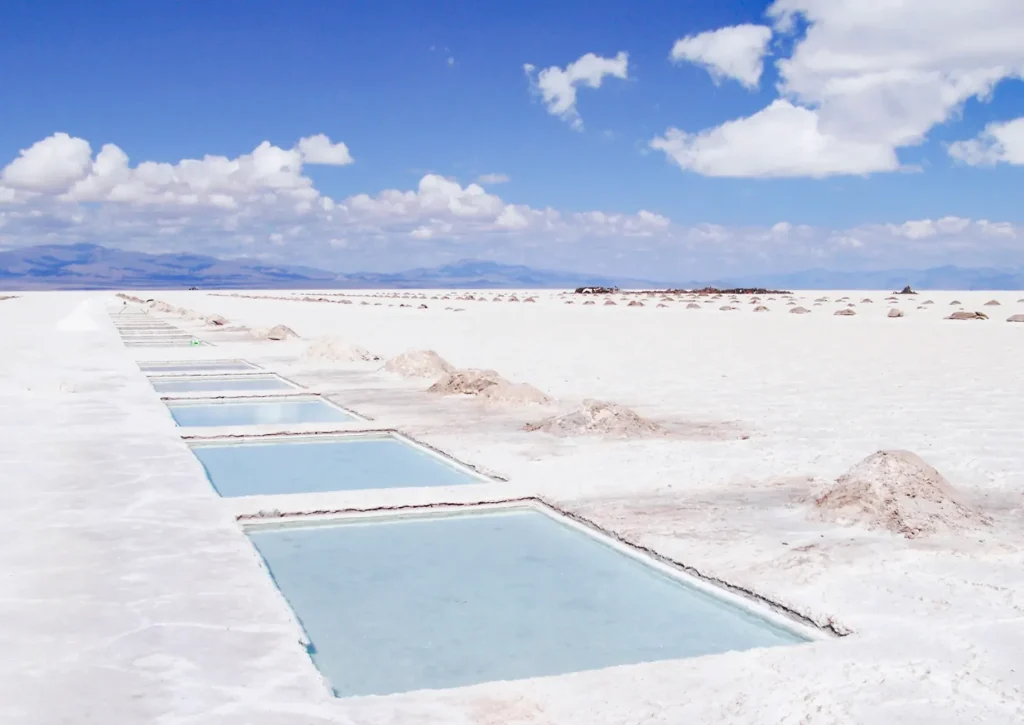
Jujuy’s great views come with a meaningful physical tradeoff. Salinas Grandes sits above 3,300 metres, while the Train to the Clouds experience in neighboring Salta reaches 4,220 metres. These are not equivalent to a relaxed day in San Salvador de Jujuy or a lowland city visit. Give high-altitude outings their own place in the itinerary and do not stack them carelessly back to back.
Before committing to a salt-flat or high-mountain excursion, read Altitude in the Andes: A Plain-English Acclimatisation Guide and consider how you usually respond to elevation. A sensible Jujuy plan starts at a gentler pace, then places the highest day after time to settle in. If you feel unwell, prioritize rest and lower-elevation activities rather than pushing onward for the photograph.
- Arrive in San Salvador de Jujuy and keep the first day uncomplicated.
- Explore a Quebrada de Humahuaca route at a pace that leaves room for stops and changing conditions.
- Make Salinas Grandes or another high-altitude excursion the focus of a single day, rather than an add-on between other commitments.
- Finish with a slower day before an onward flight or a long overland connection.
Build the trip around your available time, not a checklist
For a short break, pick one region and stay with it. Mendoza is the more rounded choice for wine, dining, outdoor activities, and accessible-to-many styles of day out. Jujuy is the stronger match for travelers drawn to high-desert terrain who are willing to plan around elevation. Combining both can be rewarding on a longer trip, but it needs dedicated transfer time rather than a rushed connection.
| Time available | Strongest approach | Planning priority |
|---|---|---|
| Long weekend | Base yourself in Mendoza or Jujuy, not both. | Choose a small number of pre-booked highlights and retain flexibility for weather. |
| Four to six nights | Explore one region at a deeper pace. | Mix active and slower days; in Jujuy, place high altitude after arrival. |
| A longer Argentina journey | Add regions only with transfer and recovery time built in. | Treat Mendoza, the Northwest, and Patagonia as distinct chapters rather than quick detours. |
Handle spring conditions, park access, and costs practically
National parks are wild environments, where weather, terrain, wildlife, and other natural hazards can affect a day outdoors. Access and activities can be restricted or suspended by weather or force majeure. Check the relevant park administration and provincial road information close to departure, then keep a back-up plan for any mountain drive, trail, or outdoor activity.
For 2026 budgeting, the National Parks Administration’s fee table effective June 1 lists a general-admission day pass of ARS 35,000 for Nahuel Huapi, Los Arrayanes, Los Alerces, Lanín, and Lago Puelo, and ARS 25,000 for Talampaya. These are entry fees only. Transport, guides, meals, accommodation, and private activities vary by date, provider, and itinerary.
The same fee table displays ARS 25,000 for Los Cardones and Calilegua, but their collection status depends on local access and service arrangements. Confirm the individual park’s live ticketing status before making that fee part of your budget. Carry your passport for national park entry, as identity documents determine the visitor category for differentiated rates or exemptions.
Pack for a flexible mountain day and confirm accessibility details
- Use layers that can adapt to a warm, sunny stop and cooler or windier mountain conditions.
- Bring sturdy footwear suited to the activity you have actually booked, rather than relying on casual city shoes.
- Carry sun protection and water for long outdoor days, especially on high-desert excursions.
- Keep your passport with you when visiting national parks with differentiated entry categories.
- Save booking confirmations and leave time for changing meeting points, road conditions, or weather adjustments.
- For high-altitude days, keep the schedule simple and avoid adding strenuous extras.
Argentina has an accessible-tourism framework and the National Parks Administration runs an accessible-tourism program. In practice, mountain trails, transfers, lodges, restrooms, wineries, and activity operators differ greatly. Travelers with mobility, sensory, or communication requirements should obtain specific accessibility details from each park and provider before booking, particularly for remote routes and high-altitude excursions.
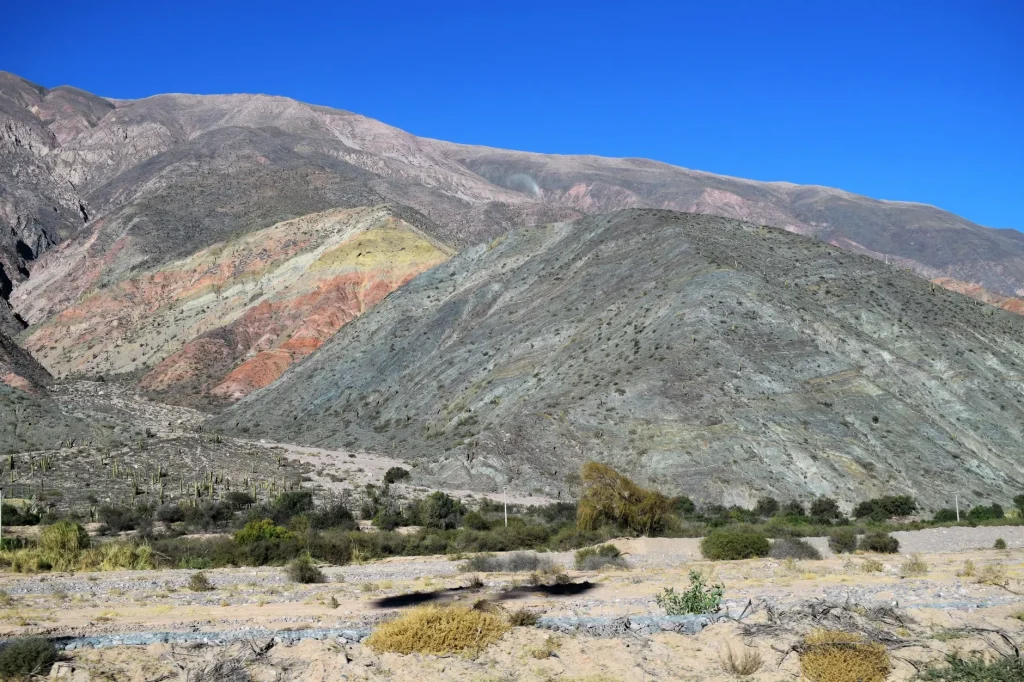
The best Argentina Andes spring trip is the one that gives a single region enough time. Choose Mendoza for a satisfying blend of wine country, food, and mountain activities. Choose Jujuy for a more elemental high-desert journey, with elevation built into every decision. Reserve the experiences that matter, keep one day flexible, and let spring’s changing mountain conditions shape the pace rather than disrupt it.
Frequently asked questions
Is spring a good time to visit the Andes in Argentina?
Yes. Spring is recommended for Mendoza and generally brings pleasant temperatures in Jujuy. In early spring, allow extra flexibility for Mendoza’s Zonda wind and remember that mountain weather can affect outdoor access.
Should I choose Mendoza or Jujuy for an Argentina Andes trip?
Choose Mendoza for vineyards, food, thermal springs, adventure activities, and Aconcagua-area scenery. Choose Jujuy for Quebrada de Humahuaca landscapes and high-desert excursions, with more attention to altitude.
How high are Salinas Grandes and the Train to the Clouds?
Salinas Grandes is more than 3,300 metres above sea level, and the Train to the Clouds experience reaches 4,220 metres. Plan these as dedicated high-altitude outings rather than ordinary sightseeing days.
How long does it take to get from Buenos Aires to Jujuy?
A direct flight takes about 2 hours 15 minutes, while bus travel takes about 23 hours. Flying is the practical option for a short trip.
Do I need my passport for Argentina’s national parks?
Yes, carry your passport when visiting parks with differentiated entry rates. The document shown at the ticket office determines the visitor category and applicable price.
Are Argentina’s Andes activities accessible?
Accessibility varies by individual trail, transfer, property, and operator. Argentina has accessible-tourism policies, but confirm the precise arrangements for each experience before booking.
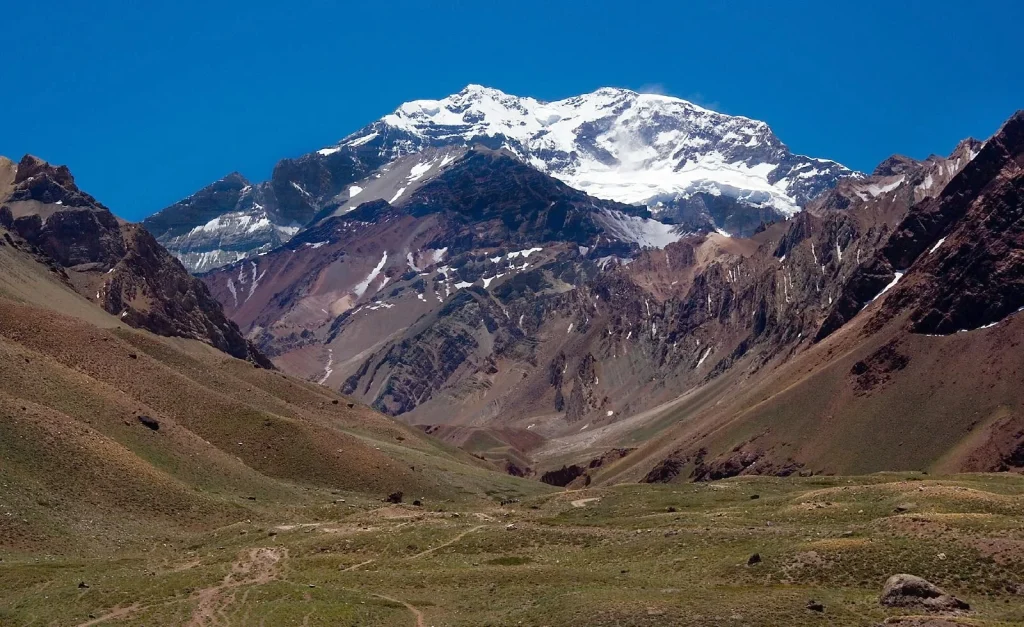
Aconcagua-area scenery gives a Mendoza trip its high-Andes dimension by KMG.ca, CC BY 2.0.

More bookable experiences
Three tours to compare
Review current provider details before booking. Discover Andes may earn a commission at no extra cost to you.
Continue exploring
More practical guides selected from the Discover Andes library.

The Andes Girls Trip Guide
Plan an Andes girls trip in Argentina with practical comparisons of Mendoza, Jujuy, El Calafate, and El Chaltén,…
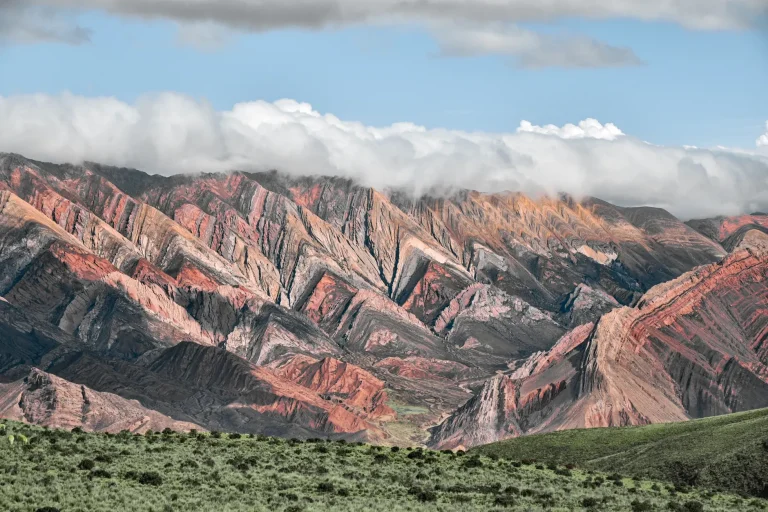
Rainbow Mountain Day Trip Guide
Plan a day trip from Humahuaca to Argentina’s Rainbow Mountain, Serranía de Hornocal, with practical advice on transport,…

The Andes Nightlife Guide
Plan an evening in Bariloche with this practical Andes nightlife guide, covering breweries, bars, casino entertainment, conditional disco…

The Andes Winter Travel Guide
Plan an Argentine Andes winter trip around the experience you want: Mendoza’s mix of snow, wine and hot…