
Cusco Travel Guide
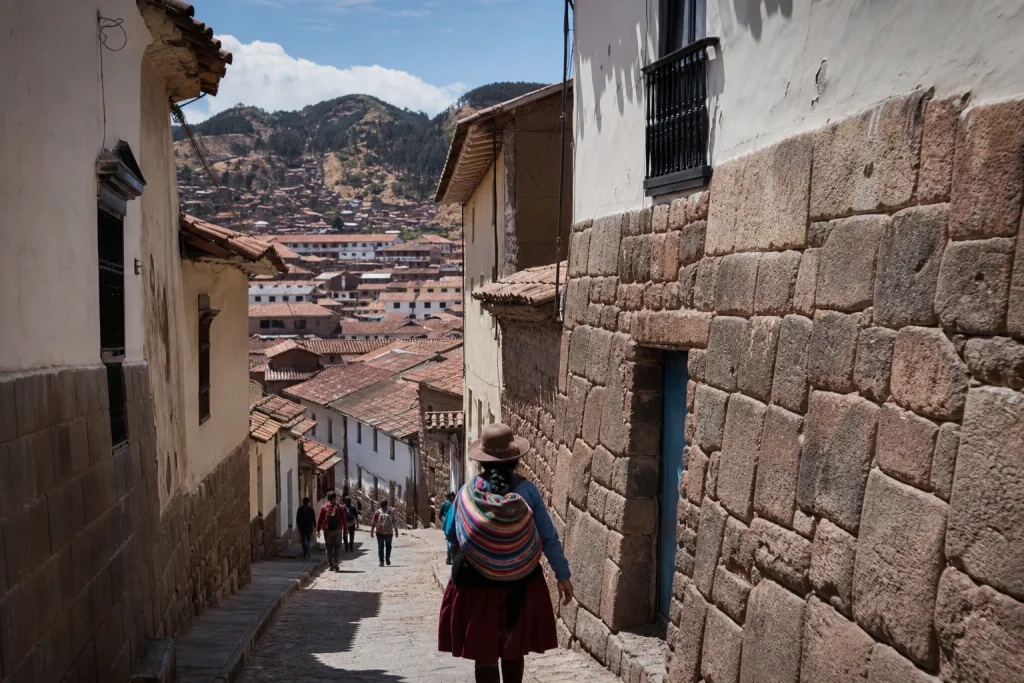
Plan Cusco, Peru, around a fixed Machu Picchu visit
Cusco is in Peru, not Argentina. A practical Cusco itinerary starts by treating Machu Picchu as a fixed appointment rather than a loose day trip. Its entry system requires visitors to select a circuit, route, date, and entry time, so that choice should shape the rest of your plan.
- Correct any booking template that places Cusco in Argentina. Cusco belongs on the Peru portion of your trip.
- Choose your Machu Picchu circuit and route before buying a ticket, because entry is route-specific.
- Use the official TuBoleto platform for online Machu Picchu tickets and have your identity document and email ready.
- Reserve early when a particular date, circuit, or high-season hiking route matters to your plans.
- Treat the limited in-person ticket allocation as a contingency, not the foundation of a fixed itinerary.
- Leave flexible time around transfers, since weather, transport delays, and closures can disrupt plans.
The reward for planning this way is a calmer trip. You can keep your entry day protected, give yourself room around it, and make ticket decisions according to the experience you want instead of grabbing the first available slot.
Choose the Machu Picchu circuit before you buy
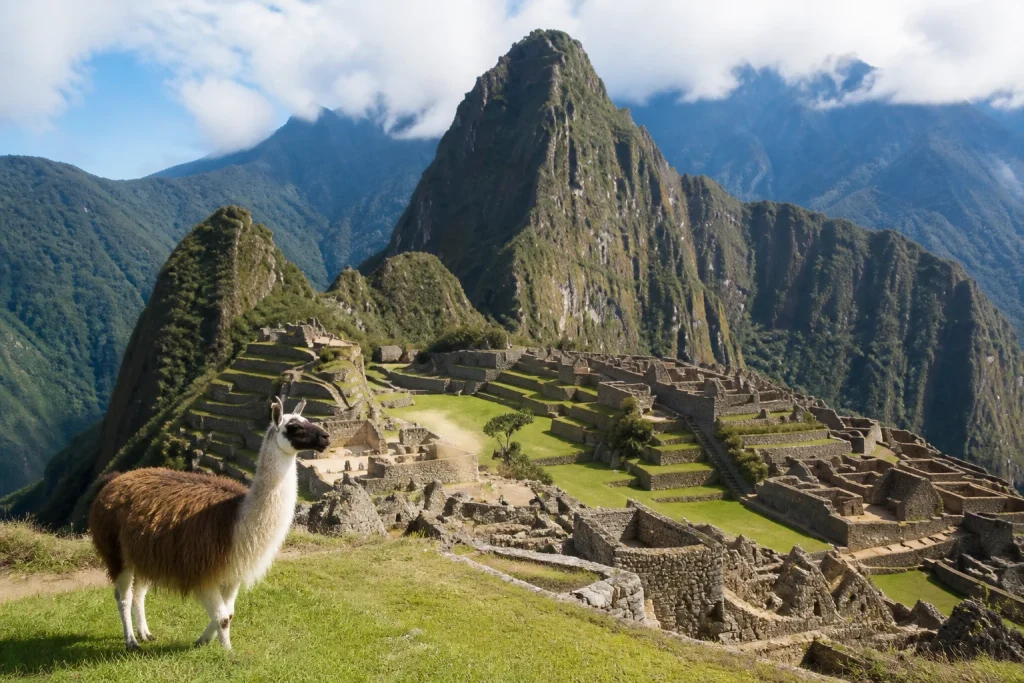
A Machu Picchu admission is not a general ticket to roam the entire site. The official visitor framework organizes visits into three circuits and ten routes. These include panoramic options, classic archaeological routes, and royal-route choices, while several mountain and hiking variants are offered only in high season.
| Priority | Ticket approach |
|---|---|
| Broad viewpoints | Start with the official panoramic route options and compare the route description before checkout. |
| Archaeological focus | Look at the classic route choices designed around the core archaeological experience. |
| A named royal-route option | Review the official royal-route details carefully, as the specific path matters. |
| A more strenuous add-on | Consider mountain or hiking variants only after checking that they are available for your travel season. |
Choose the route according to your real priority. A classic archaeological visit, a panoramic viewpoint, and a mountain add-on are different experiences with different physical demands and availability. Do not assume that one ticket can be swapped for another once you are at the site.
Use the official ticket process
For online tickets, use Peru’s official TuBoleto platform rather than an unofficial reseller. The process calls for an identity document and email address, account verification, and then your preferred circuit, route, date, entry time, and visitor origin. Visa and Mastercard are listed payment methods.
Complete the decision-making before you reach checkout. Keep the traveler details, preferred date, route, and a sensible second choice together. That makes it easier to adapt if your first selection is unavailable without losing the shape of the wider Cusco trip.
Book ahead when the date matters
Machu Picchu operates with managed daily capacity. The visitor protocol sets a baseline capacity of 4,500 visitors per day and allows up to 5,600 during high season, so availability is finite even before you consider the popularity of particular circuits and routes.
Book in advance if you have a fixed holiday window or a strong preference for a particular circuit. This matters even more for high-season-only mountain and hiking variants. The availability shown in the official booking flow is the one that should guide your final schedule.
An official in-person option exists in Machupicchu Pueblo, but it is a narrow fallback. Up to 1,000 tickets are sold daily at the Machupicchu Pueblo Cultural Center for entry on the following day, subject to sellout. It can help a flexible traveler, but it is a poor fit for an itinerary with locked-in transport or accommodation.
Think of walk-up availability as a backup plan, not a strategy. A confirmed online ticket gives you a much clearer base for placing the rest of your Cusco days.
Build slack into every Cusco and Machu Picchu plan
Keep the days around Machu Picchu lighter than the rest of the itinerary. The official rebooking protocol recognizes airport closures, road blockades or closures, delayed or cancelled train and bus services, landslides, flooding, intense rain, illness, and temporary site closures as possible force-majeure disruptions.
Avoid packing a fixed admission, a long transfer, and an onward departure into one fragile chain. A buffer day before or after a protected entry date is often more valuable than adding another commitment that cannot move.
Keep transport confirmations, booking references, and disruption notices accessible while traveling. The rebooking rules allow for qualifying disruptions, but late entry beyond the standard grace period requires supporting evidence.
Flexibility is especially useful when the weather changes or a transport connection slips. It turns a difficult day into a scheduling adjustment instead of an entire-trip failure.
Give your Cusco itinerary a flexible shape
Organize the trip in blocks rather than trying to fill every hour. Put arrival and settling-in time first, protect the Machu Picchu date in the middle, and retain one flexible block that can absorb a delay, a route change, or an unhurried day in Cusco.
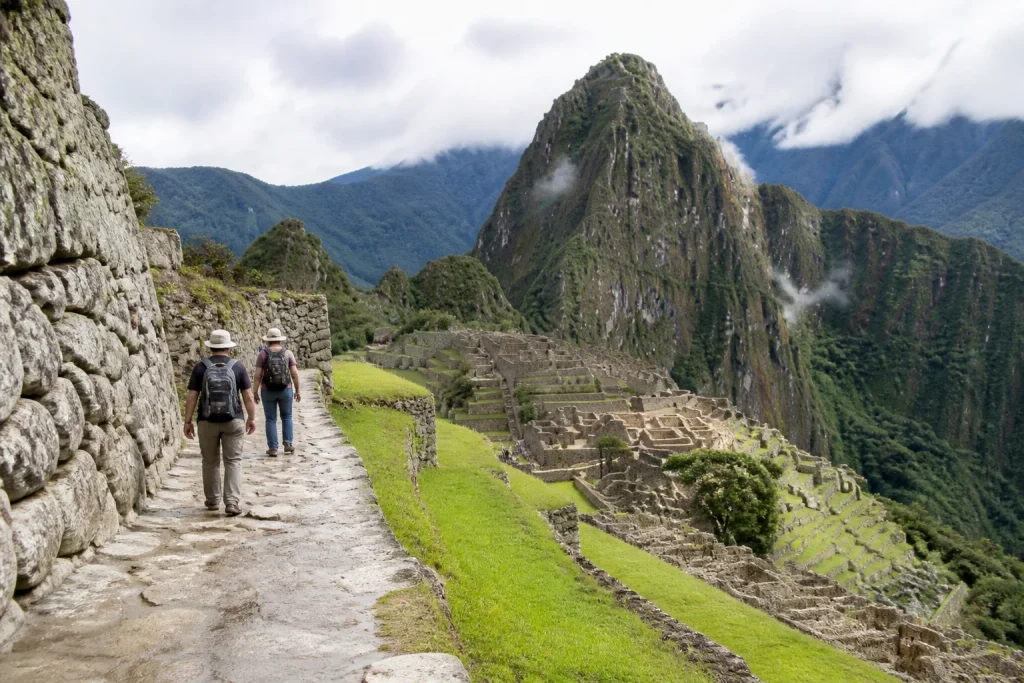
Use A Practical Machu Picchu and Sacred Valley Itinerary as a companion when you want a more focused framework for organizing the Machu Picchu and Sacred Valley portion of the journey. It is most useful once your ticket route and entry date are already taking shape.
For pacing decisions early in the trip, read Altitude in the Andes: A Plain-English Acclimatisation Guide. Build a schedule that gives you time to settle into the destination before demanding days, rather than treating the first morning as a deadline to race against.
A simple planning structure
- Keep the opening part of the trip adaptable while you settle into Cusco and confirm the details you need for the days ahead.
- Anchor the itinerary with your selected Machu Picchu circuit, route, date, and entry time.
- Leave a nearby flexible period instead of stacking another non-refundable commitment against the visit.
- Keep the final stage of the trip simple enough to handle a transport disruption without sacrificing the main experience.
On a shorter trip, protect the ticketed visit first and remove optional commitments if needed. A less crowded plan gives you more control when availability or transport conditions change.
Keep transfer details in one working itinerary
Put every movement related to the trip in one place: flight details, train or bus references where relevant, lodging confirmations, ticket information, and the selected Machu Picchu entry time. A single working itinerary makes it easier to see which connection needs attention if conditions change.
Check the current operating details before each travel day, not only when you first book. The disruption scenarios recognized in the rebooking protocol show why a Cusco itinerary should have room for operational changes.
Plan accessibility needs before committing to a route
Do not assume that this trip is step-free or wheelchair-accessible across every stage. Travelers with mobility needs should confirm the exact Machu Picchu circuit, rail and bus transfers, accommodation, and any assistance requirements with the relevant operators before booking.
Make those checks before choosing a non-refundable route. A ticket route, the transfer setup, and the lodging choice all need to work together for the trip to feel manageable.
Budget by component, then confirm live totals
Keep the budget modular. Separate Machu Picchu admission, transport, lodging, food, and any guided activities rather than relying on one headline estimate. Ticket and operator costs can change, so confirm the current admission total in the official booking flow before making the rest of the plan non-refundable.
The official process lists Visa and Mastercard for online ticket payment. For all other parts of the itinerary, compare the terms and inclusions of the specific provider you choose, especially when a booking bundles transfers or activities.
The most useful way to plan Cusco
Cusco, Peru works best when the itinerary has a clear center: the Machu Picchu route and entry time you actually want. Choose that experience first, secure it through the official system, and keep enough time around it to handle the realities of travel. The main limitation is that fixed tickets and variable conditions do not reward overpacked schedules.
Start with the official ticket calendar, select a route that suits your priorities, and then build the rest of the Cusco trip around that confirmed choice. That is the simplest path to a trip that feels deliberate rather than hurried.
Frequently asked questions
Is Cusco in Argentina or Peru?
Cusco is in Peru. Correct any itinerary template or booking note that lists Argentina before confirming onward arrangements.
Do I need to choose a Machu Picchu route before booking?
Yes. Machu Picchu tickets are route-specific, and the official system asks visitors to select a circuit, route, date, and entry time.
Should I book Machu Picchu tickets in advance?
Yes, book ahead when a specific date or circuit matters to you. Daily capacity is managed, and some mountain or hiking variants are only available in high season.
Can I buy a Machu Picchu ticket in person?
Yes, but it is a limited backup option. Up to 1,000 tickets are sold daily at the Machupicchu Pueblo Cultural Center for next-day entry, subject to sellout.
What should I do if transport problems affect my Machu Picchu visit?
Keep your booking and transport records accessible, then follow the official rebooking process. The policy recognizes qualifying disruptions such as closures, severe weather, landslides, and delayed or cancelled transport.
Is Machu Picchu fully wheelchair-accessible?
Do not assume full step-free or wheelchair access. Confirm the exact circuit, transfers, lodging, and assistance requirements with the relevant operators before booking.
More bookable experiences
Three tours to compare
Review current provider details before booking. Discover Andes may earn a commission at no extra cost to you.
Continue exploring
More practical guides selected from the Discover Andes library.

Cusco Airport Layover Guide
Planning a layover at Cusco Airport? Learn when to stay at the terminal, how to approach a focused…

Arequipa Travel Guide
Plan a thoughtful visit to Arequipa, Peru, with a focus on its UNESCO-listed historic centre, practical road-trip checks,…

Inca Trail to Machu Picchu Guide
Plan the regulated Inca Trail to Machu Picchu in Peru with clear advice on Km 82 and Km…
Cusco Historic Center Guide
Plan a rewarding visit to Cusco Historic Center, Peru, with practical guidance on the Cusco Tourist Ticket, seasonal…