A Practical Machu Picchu and Sacred Valley Itinerary

A good first route through the Cusco region is less about fitting in every ruin and more about sequencing altitude, transport, and timed tickets. The Sacred Valley sits lower than Cusco, so it can be a gentler first base after flying in before you return to the city or continue to Machu Picchu.
A balanced seven-day outline
- Day 1: Arrive and transfer to the Sacred Valley. Keep the afternoon easy.
- Day 2: Explore Pisac or a nearby community at a relaxed pace.
- Day 3: Continue through Maras and Moray to Ollantaytambo.
- Day 4: Take the train to Machu Picchu Pueblo and sleep there.
- Day 5: Visit Machu Picchu on the circuit and entry time printed on your ticket, then return toward Cusco.
- Days 6–7: Explore Cusco once you have had several nights to adjust.
Book in the right order
Start with the official Machu Picchu admission slot, then reserve trains and accommodation around it. For 2026, Peru’s Ministry of Culture confirms that official online tickets are sold through the government’s Tu Boleto platform and that visitor capacity varies by date and circuit. Do not rely on a screenshot or a reseller description in place of the circuit printed on the issued ticket.
- Check the passport name and document number before paying.
- Allow transfer time between Ollantaytambo station and your lodging.
- Keep one buffer day if the visit is the non-negotiable part of the trip.
- Recheck baggage rules with the train operator shortly before travel.
Altitude without rushing
Cusco is about 3,350 metres above sea level. The CDC recommends gradual ascent, mild activity during the first 48 hours at altitude, and avoiding further ascent when symptoms are worsening. A previous easy trip at altitude does not guarantee the next one will be symptom-free.
This itinerary is travel-planning information, not medical advice. Discuss medication or health concerns with a qualified clinician before travel.
What to verify before departure
Opening conditions, rail operations, ticket circuits, and local transport can change. Reconfirm them close to travel using the official Machu Picchu ticket guidance, the 2026 Ministry of Culture capacity notice, and the CDC high-altitude guidance.
More bookable experiences
Three tours to compare
Review current provider details before booking. Discover Andes may earn a commission at no extra cost to you.
Continue exploring
More practical guides selected from the Discover Andes library.
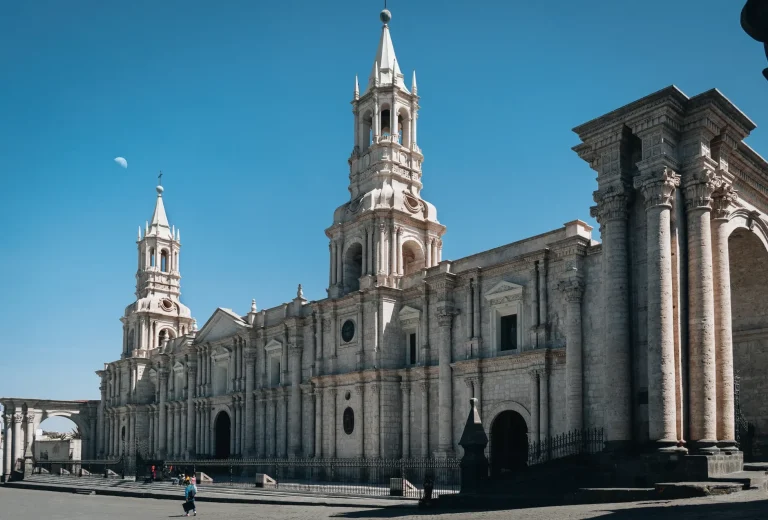
Arequipa Travel Guide
Plan a thoughtful visit to Arequipa, Peru, with a focus on its UNESCO-listed historic centre, practical road-trip checks,…
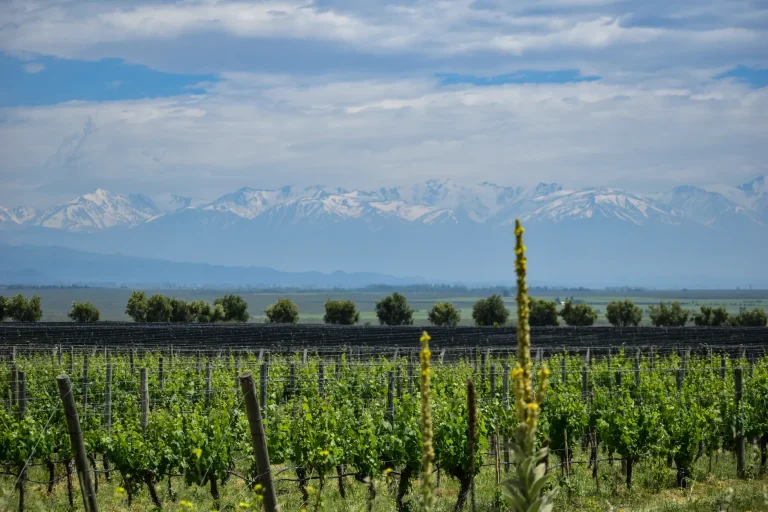
The Andes Foodie Weekend Itinerary
A focused two-night food itinerary for Mendoza, Argentina, pairing city meals with one vineyard lunch in Maipú or…
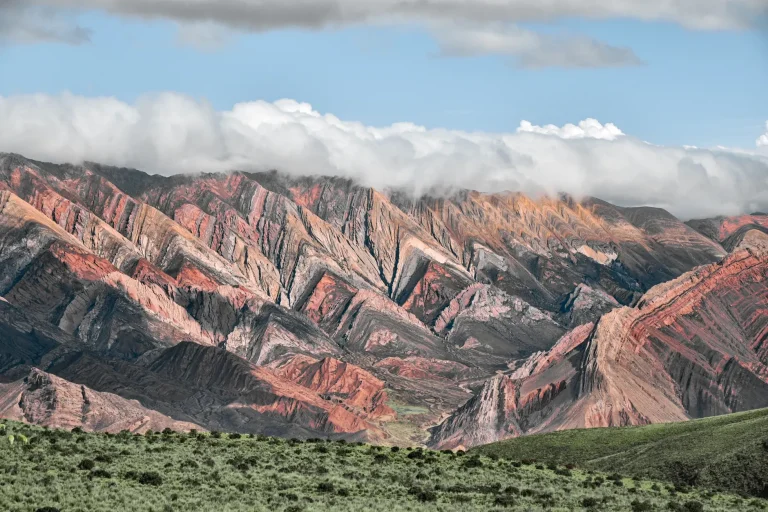
The Andes Sunset Spots Guide
Plan an Andes sunset outing in Argentina with realistic timing, high-altitude preparation, and the right choice between Aconcagua,…
The Andes Itinerary Without a Car
Plan a practical car-free Andes escape from Mendoza, using a guided Alta Montaña day trip, a flexible third…