
Arequipa Travel Guide
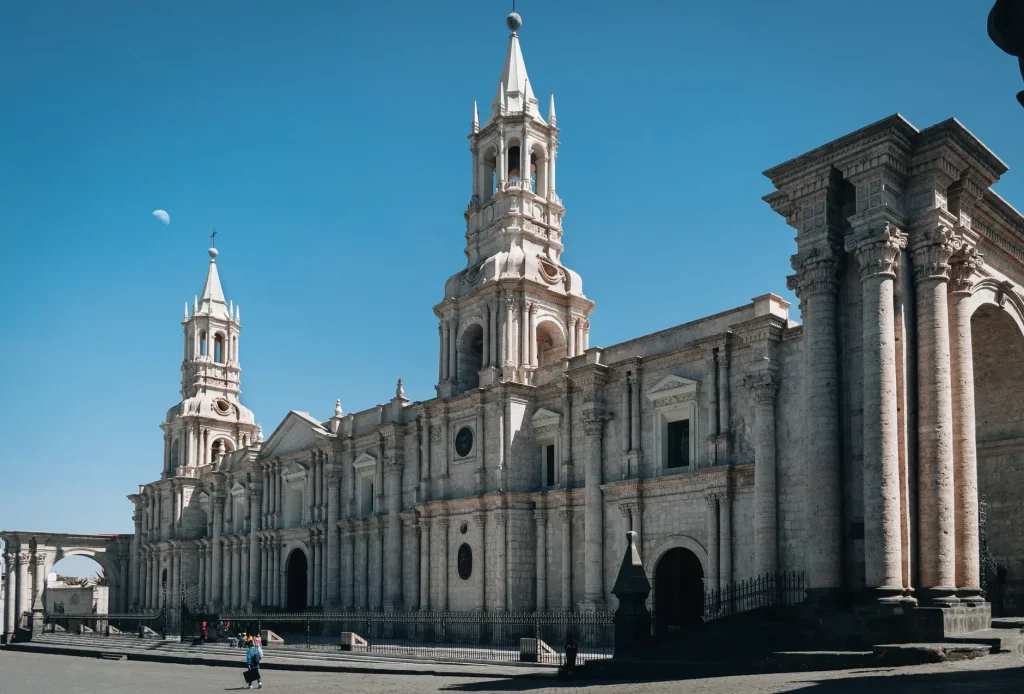
Arequipa is in Peru, and its great draw is an exceptionally coherent historic centre shaped in white and pink volcanic sillar stone. The city rewards an unhurried plan: give its UNESCO-listed core proper attention, then treat longer road excursions as separate commitments that need current checks before you go. This Arequipa travel guide focuses on the decisions that make that plan smoother.
- Arequipa belongs in a Peru itinerary, not an Argentina itinerary.
- Make the UNESCO-listed historic centre the anchor of your visit.
- Use formal, authorized providers for overland transport and guided outings.
- For road excursions, confirm current conditions shortly before departure.
- Check step-free access, toilets, transport, and support arrangements directly with each venue or provider.
The most satisfying approach is to match your pace to the place. Spend time looking closely at the stonework and streetscapes, keep your daily plan flexible enough for an extended stop, and avoid filling every open hour with a transfer or tour. That leaves room for the historic centre to feel like a destination rather than a checklist.
Why Arequipa’s historic centre deserves your time
Arequipa’s Historical Centre was inscribed as a UNESCO World Heritage property in 2000. UNESCO highlights its colonial urban core and the widespread use of white or pink volcanic sillar, a material that gives the city much of its unmistakable visual character.
The appeal lies in the ensemble rather than in a single stop. Plaza de Armas, religious complexes, historic houses, and bridges are all part of the heritage fabric identified by UNESCO. Build time for the connections between them, because the sequence of courtyards, façades, streets, and open spaces is central to the experience.
Start with Plaza de Armas, then continue through the surrounding historic streets at a pace that allows for detours. A simple walking plan works well: choose one cluster of religious or civic architecture, pause for the details that catch your eye, and leave enough daylight to revisit a favorite stretch rather than rushing across the centre.
This concentration of protected architecture is also why practical preparation matters. Heritage buildings and older streets can present physical obstacles at individual sites, so travelers who need step-free movement should build confirmation time into the plan rather than relying on assumptions.
Build a city-focused first day
Give the historic centre the first and most protected part of your itinerary. It is the destination’s strongest evidence-backed highlight, and it benefits from daylight, flexible timing, and the freedom to linger. Keeping the opening day local also avoids turning a long arrival or transfer day into an overambitious sightseeing schedule.
A guided walk can be a useful choice if you want the architecture and urban history put into context. Choose a formal provider, and ask to see the guide’s official credential. Regional tourism authorities and police checked guides in the historic centre in March 2026 for the required visible credential, making it a sensible detail to look for when booking.
Keep the plan deliberately light. One focused route through Plaza de Armas and nearby heritage features is more rewarding than trying to cover every named landmark in a few hours. Save a second pass through the centre for a later day if you have it, especially if you prefer to explore on foot.
Treat road excursions as separate travel days
Beyond the city, travel plans can include tourist routes through Salinas y Aguada Blanca, Patapampa, and Cruz del Cóndor. These should be planned as distinct outings, with transport, departure details, and route conditions considered before you commit the day.
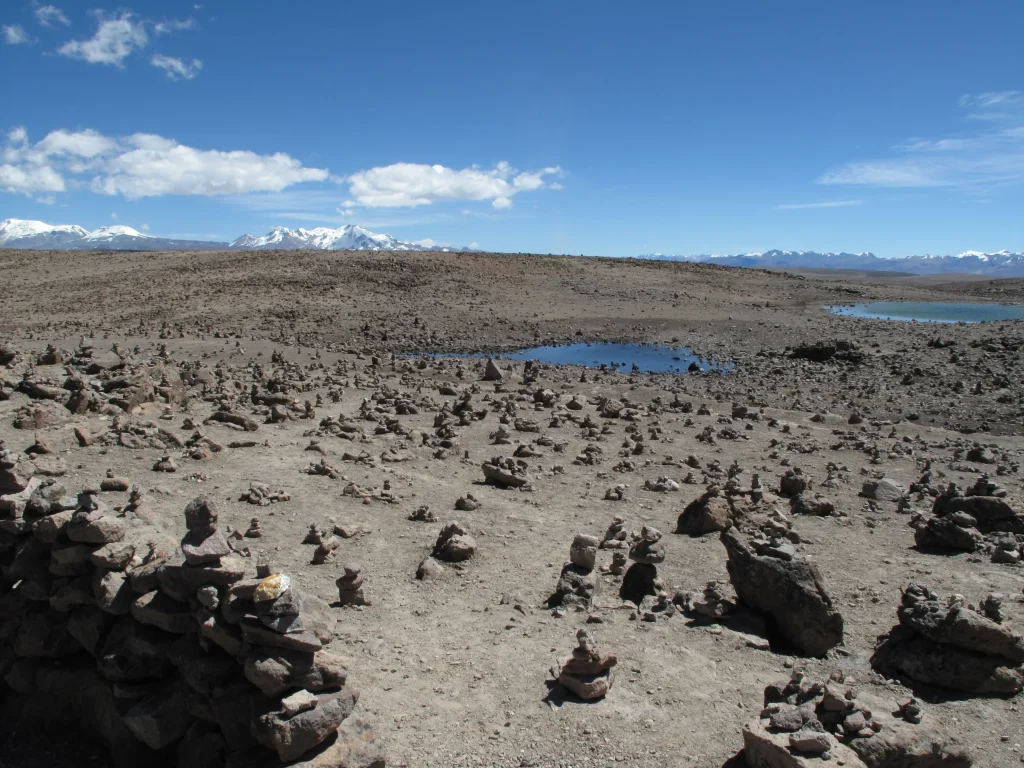

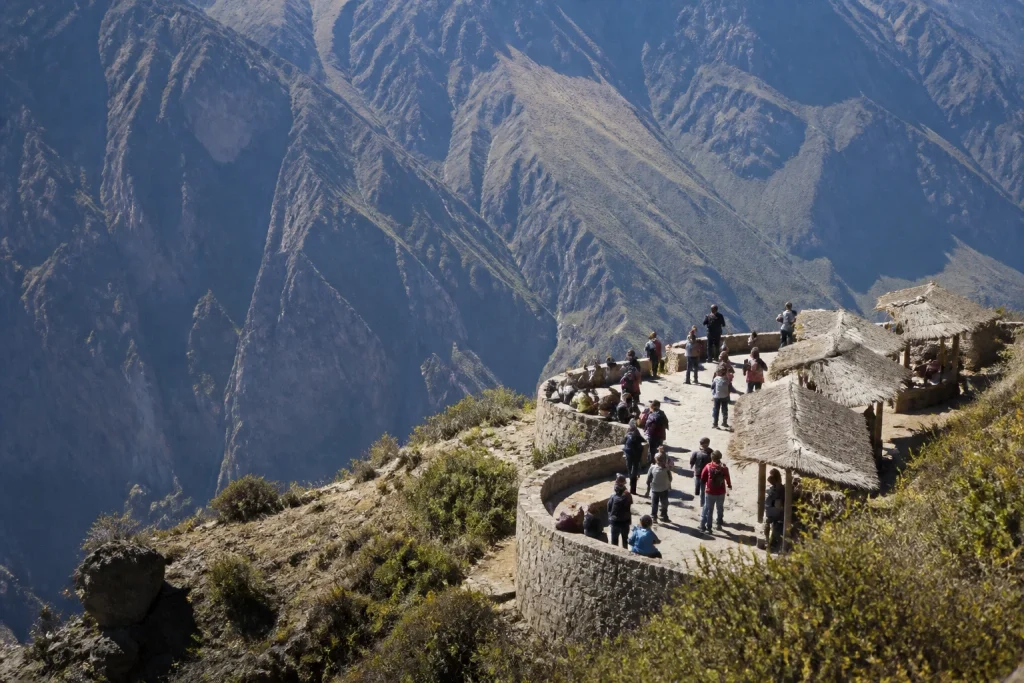
A regional inspection on March 26, 2026 found tourist transit conditions acceptable in Salinas y Aguada Blanca, described Patapampa infrastructure as operational, and reported that safety rails and preventive signs at Cruz del Cóndor met requirements. Useful as a snapshot, that inspection is not a guarantee for a later travel date.
Before departure, reconfirm the current status of the exact route and viewpoint on your itinerary. Keep the rest of that day loose enough to absorb a changed departure, a route adjustment, or a longer return. That small margin protects the city time you came to enjoy.
Choose formal ground transport and leave room for the journey
For overland travel, favor formal, authorized transport providers rather than informal arrangements. In January 2026, the Regional Government of Arequipa reported introducing real-time GPS monitoring for 625 registered passenger, staff, and tourist vehicles across 98 authorized companies. That is a useful reason to ask providers clear questions about their authorization and departure details.
Treat road days as road days. Avoid stacking a major historic-centre walk, a fixed dinner booking, and a long overland outing into one rigid schedule. A practical buffer gives you more options if timing changes and makes the return to the city far less stressful.
Before confirming transport, check what is included, where you meet, and what happens at the end of the journey. Keep your booking confirmation available on the day, and make sure everyone in your group understands the departure plan. Clear logistics are especially valuable when an excursion runs beyond the city centre.
Plan accessibility at the venue level
Do not assume that the historic centre or its individual venues are fully step-free. A 2016 assessment of major Arequipa attractions identified widespread barriers, including steps, limited wheelchair circulation, insufficient adapted bathrooms, and gaps in accessible communication. Conditions can change, so use that assessment as a prompt to verify each place directly.
Ask focused questions before committing to a visit or tour: Is the entrance step-free? Are suitable toilets available? Can the provider accommodate required transport arrangements? What support services are available on site? These specifics matter more than a broad claim that a whole district is accessible or inaccessible.
There is also a useful local support signal. Peru’s Interior Ministry documented an Arequipa Tourism Police assistance platform in 2025 that incorporated sign-language and multilingual communication support. For travelers who need assistance, current local arrangements are worth asking about when finalizing services.
Plan earlier around major holiday weekends
Major holiday dates deserve a little more lead time. The regional tourism authority anticipated high visitor volumes around Peru’s 2026 Semana Santa, or Easter, long weekend and inspected key visitor routes and viewpoints in advance. For a comparable holiday period, reserve desired transport and guided activities earlier and allow extra flexibility for road travel.
Outside those peak dates, use your own travel style to set the rhythm. Travelers keen on architecture should protect more city time; travelers considering a longer outing should keep a day available for route-dependent plans. The best itinerary is the one that does not force both experiences into a single rushed day.
Budget with live booking details, not fixed figures
Build your budget from current accommodation, transport, entry, dining, and activity listings for your exact dates. Compare what each option includes before choosing it, particularly where a trip combines a guide, road transport, meals, or transfers. The lowest headline figure is not always the simplest plan.
Keep a little flexibility in the budget for a change of plan. That can mean an extra night in the city, a different transport arrangement, or choosing a guided walk that gives the historic centre the attention it deserves. It is a more useful reserve than packing every day with prepaid commitments.
A simple Arequipa itinerary framework
Day one: immerse yourself in the historic centre
Base the day around Plaza de Armas and the surrounding colonial urban landscape. Add religious complexes, historic houses, and bridges at a comfortable pace, with time to notice the white and pink sillar that ties the centre together. A formal guided walk fits naturally here if you want more context.
Day two: deepen the city visit or take one checked road outing
Choose between a slower return to the historic centre and one out-of-town route that you have reconfirmed shortly before departure. The right choice depends on your interests and current route conditions. Resist adding multiple distant stops simply to make the itinerary look fuller on paper.
An extra day: use it as breathing room
A third day is valuable as a buffer. Use it to return to the centre, accommodate a route change, or place a road excursion without sacrificing the city’s heritage core. This format works particularly well for travelers who prefer a measured trip over a tightly scheduled circuit.
Is Arequipa worth adding to your Peru itinerary?
Yes, especially for travelers drawn to architecture, urban heritage, and a city with a strong sense of material and place. Arequipa’s defining limitation is practical rather than aesthetic: physical access can vary across heritage venues, and longer road plans need a timely route check. Give the historic centre real time, use formal providers, and let an extra day create flexibility. For a longer route, continue planning with the site’s Peru destination guide.
Frequently asked questions
Is Arequipa in Argentina or Peru?
Arequipa is in Peru. Update any itinerary or booking notes that place it in Argentina before making travel arrangements.
Why is Arequipa’s historic centre important?
Arequipa’s historic centre is a UNESCO World Heritage property, inscribed in 2000, recognized for its colonial urban core and architecture built largely in white or pink volcanic sillar stone.
Should I rely on the March 2026 route inspection for a later trip?
No. The March 26, 2026 inspection is a dated snapshot, so reconfirm the exact route and viewpoint conditions shortly before any road excursion.
How should I choose a guide in Arequipa?
Choose a formal provider and ask to see the guide’s official credential. Authorities checked guides in the historic centre for the required visible credential in March 2026.
Is Arequipa easy to visit with mobility needs?
Accessibility needs should be confirmed venue by venue. A 2016 assessment found barriers at major attractions, including steps and limited wheelchair circulation, but current access arrangements can differ by site and provider.
Should I use formal providers for overland transport?
Yes, formal authorized transport is the sensible choice for overland travel. The regional government reported GPS monitoring for registered vehicles across authorized companies in January 2026.
Arequipa’s historic centre is defined by its volcanic sillar-stone architecture by Bill velapatiño, Pexels.
More bookable experiences
Three tours to compare
Review current provider details before booking. Discover Andes may earn a commission at no extra cost to you.
Continue exploring
More practical guides selected from the Discover Andes library.
Cusco Travel Guide
Plan a Cusco, Peru trip around Machu Picchu with clear advice on choosing circuits, booking official tickets, building…

Inca Trail to Machu Picchu Guide
Plan the regulated Inca Trail to Machu Picchu in Peru with clear advice on Km 82 and Km…
Cusco Historic Center Guide
Plan a rewarding visit to Cusco Historic Center, Peru, with practical guidance on the Cusco Tourist Ticket, seasonal…
Colca Canyon Trip Guide
Plan a Colca Canyon trip from Arequipa, Peru, with transport to Chivay, ticket costs, condor timing, seasons, altitude,…