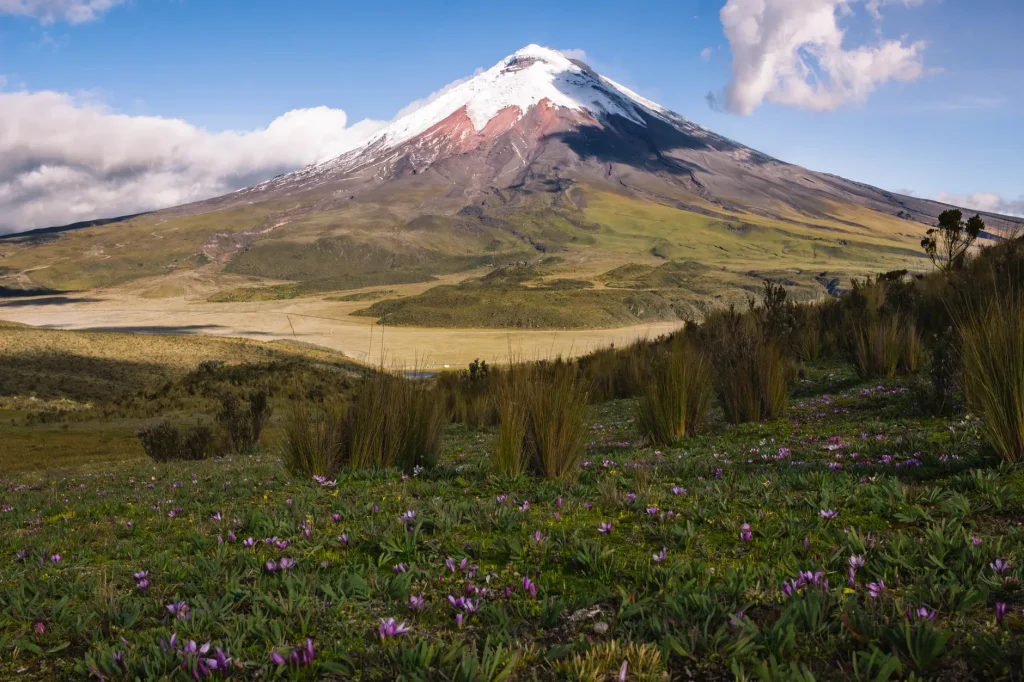
Cotopaxi Day Trip Guide
A Cotopaxi day trip is a highland excursion in Ecuador, not Argentina, best planned with room to adapt. The volcano and Cotopaxi National Park sit within reach of Quito, Latacunga, and nearby highland lodging, but a successful visit depends on the route and sites that are actually open that day. Start early, carry proper mountain layers, and treat the park’s access notice as part of your itinerary rather than fine print.
- Cotopaxi National Park is in Ecuador, so plan this as a Quito, Latacunga, or Ecuadorian highlands excursion.
- Build a flexible sightseeing day around the stops confirmed open on departure day, rather than a fixed refuge-and-lagoon checklist.
- Check park access and the permitted entry window immediately before travel because volcanic conditions can change operations.
- Self-drivers approaching from Quito can use the Caspi route via the Pan-American Highway, then follow the signed approach to the checkpoint.
- Bring water, warm clothing, mountain footwear, sun protection, eyewear, and a mask, and do not rely on phone coverage inside the park.
First, put Cotopaxi in the right country
Cotopaxi Volcano and Cotopaxi National Park are in Ecuador. For most visitors, the practical starting points are Quito, Latacunga, or lodging in the surrounding highlands. That location matters when organizing transport, allowing time for acclimatisation, and choosing a backup plan. If Cotopaxi is part of a longer route, the broader guide to Quito, Cotopaxi, and the Avenue of the Volcanoes is a useful companion for shaping an Ecuador highlands itinerary.
Build a flexible Cotopaxi day trip, not a rigid checklist
The strongest plan is an early-start day that leaves room for a limited selection of permitted stops. Internal roads, viewpoints, and hiking areas can be restricted independently, so reaching a park checkpoint does not guarantee access to every attraction beyond it. Keep the schedule deliberately simple and let the confirmed route determine the day’s pace.
A practical shape for the day
- Before leaving, check the park’s current access guidance and complete any required protected-area registration steps through the official system.
- Set off from Quito, Latacunga, or nearby lodging early enough to work within the entry window confirmed for your route.
- Enter through the checkpoint approved for your itinerary, then follow ranger instructions and visit only the sites open that day.
- Keep enough time to return before the stated exit deadline rather than adding unconfirmed detours.
- Use a flexible transport plan so a closure or route change does not leave you dependent on a last-minute mobile-phone update.
This approach is less dramatic on paper than a packed itinerary, but it is the sensible way to enjoy a dynamic volcanic landscape. A day centered on the permitted route, changing light, fresh air, and a few well-chosen pauses has more value than a rushed attempt to reach places that may be closed.
Getting to Cotopaxi: self-drive or a regulated operator
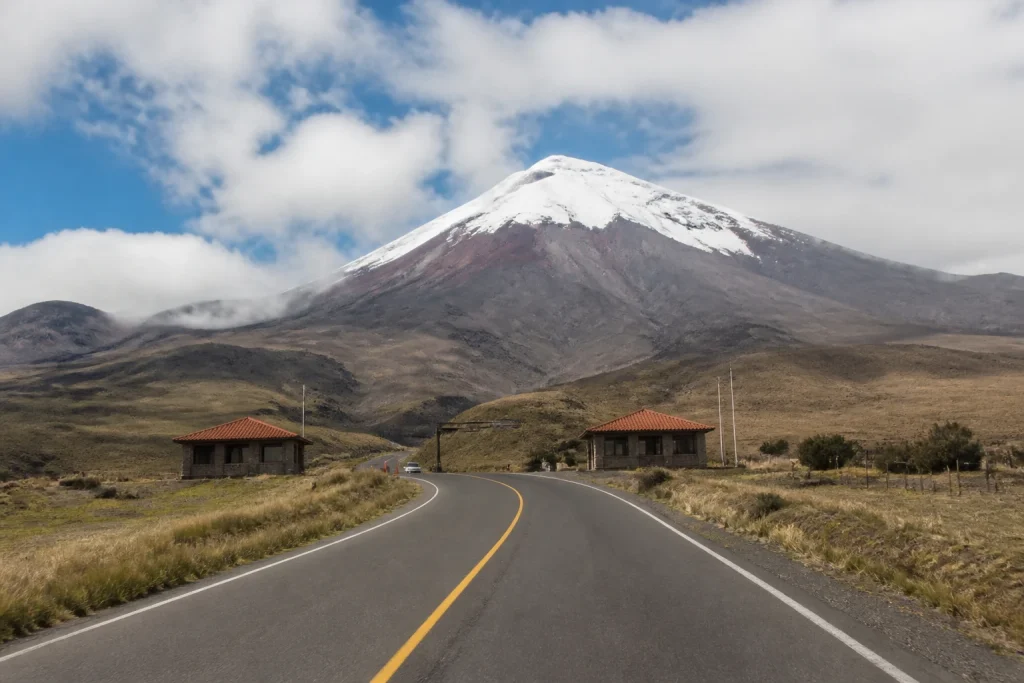
For a self-drive approach from Quito, the official guide describes taking the Quito-Latacunga Pan-American Highway to the Caspi turnoff at kilometre 42, then continuing for about 15 minutes on paved road to the checkpoint. This is an approach route, not a promise that all interior roads will be open, so confirm the day’s permitted driving route before departure.
The northern approach
A northern approach is also described via Machachi, Güitig, and Pedregal, with a cobbled section before the control point. Choose the route that matches the day’s official access plan and your vehicle, rather than selecting solely by a map app. Navigation is useful, but it should not replace park instructions where coverage is weak or conditions change.
Why a tour can simplify a changeable day
A regulated operator can make sense for travelers who prefer transport and route planning handled together. Use Ecuador’s tourism-provider system to identify regulated providers, then ask the operator to confirm the permitted checkpoint and route, transport arrangements, included equipment or meals, cancellation terms, and its plan if access changes. Those details matter more than a generic list of attractions.
Check access and entry timing just before you go
Cotopaxi’s access conditions are not static. An official visitor notice has described a partial reopening, a yellow volcanic alert, and closures affecting the José Rivas refuge and the road to Laguna de Santo Domingo. It also warns that park operations and access can be suspended if volcanic activity increases. Verify the status directly with park administration and Ecuador’s Instituto Geofísico immediately before setting out.
Do not build your plan around one published set of hours. Official guidance has listed different access windows, including an 08:00 to 15:00 schedule for several entry points and a 09:00 to 14:00 entry period with a 15:00 exit deadline in a visitor safety notice. Confirm the window for your specific checkpoint, then plan to arrive with time to spare.
Set realistic expectations for a sightseeing day
A standard Cotopaxi day trip should be framed as a high-mountain sightseeing and outdoor day, not as a refuge visit or climbing experience. Do not book on the assumption that you will reach the José Rivas refuge, see glacier terrain, or approach summit routes. Those elements are subject to much tighter access conditions, and refuge access has been restricted in the official visitor notice.
The park’s official materials point visitors toward outdoor pursuits such as hiking, cycling, picnics, and horseback riding. On any particular day, however, the useful question is simple: which of these activities and which locations are approved today? Let that answer set the day’s level of exertion and your transport plan.
What to pack for Cotopaxi’s high-mountain conditions
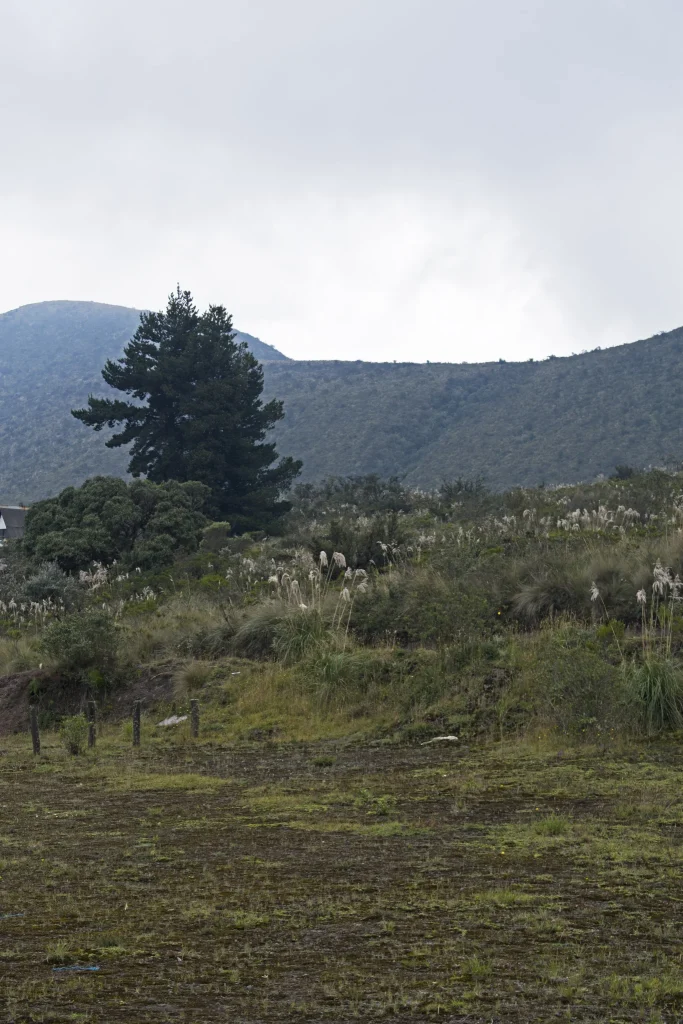
Pack for exposure and changing high-mountain conditions even if your itinerary is mainly vehicle-based. The official visitor guidance specifically recommends water, warm clothing, mountain footwear, sun protection, eyewear, and a mask. Put the layers and water where you can reach them easily, rather than burying them in luggage.

- Water for the full excursion.
- Warm outer layers suited to a high-mountain environment.
- Sturdy mountain footwear for uneven outdoor ground.
- Sun protection and eyewear.
- A mask, as advised in the park’s visitor notice.
- A downloaded plan and clear meeting details, since some areas lack mobile-phone coverage.
Follow ranger instructions at all times. In an emergency, the visitor guidance directs travelers to Ecuador’s 9-1-1 service or to a ranger. Save essential contacts and your transport details before entering the park, especially if a driver or operator is collecting you later in the day.
Take altitude and accessibility seriously
Keep the physical demands modest if you are new to the Ecuadorian highlands or still adjusting to altitude. Cotopaxi is a high-mountain environment, and official materials advise travelers with mobility, respiratory, cardiac, or altitude-related concerns to obtain route-specific information from the park or a qualified operator. A conservative plan makes it easier to enjoy the day without forcing a long walk or steep route.
Plan acclimatisation before you commit to a demanding itinerary. The site’s Altitude in the Andes: A Plain-English Acclimatisation Guide offers useful preparation context for travelers building an Ecuador highlands trip. For Cotopaxi itself, select a route that matches your comfort level and the day’s permitted access, then tell your operator about any health considerations before booking.
Do not assume barrier-free facilities
Cotopaxi should not be described as a universally accessible day trip. Official park material does not establish wheelchair-accessible trails, accessible transport, accessible toilets, or barrier-free viewpoints. Travelers needing specific support should request route-level details in advance and consider a tailored outing only after the provider confirms what it can deliver.
Costs, registration, and booking checks
Avoid relying on an old blog post for Cotopaxi prices. Park-entry charges, public transport fares, taxis, private transfers, and day-tour prices vary, and no current general tariff or fare table should be assumed. Request a dated quote for your chosen date and make sure it identifies transport, meals, equipment, and any park-related charges included in the total.
The official protected-area system provides visit registration and adventure-profile preregistration. Check the relevant process before travel, especially if your plan involves more than standard sightseeing. For any tour, review the confirmation carefully for the meeting point, departure arrangement, permitted route, what is included, and the procedure if the park restricts access.
Keep summit climbing separate from a day trip
Summiting Cotopaxi is a specialized undertaking, not a sightseeing add-on. The official ascent protocol has required advance quotas, accommodation reservations, registration, waivers, certified guides or club credentials, training attendance, and suitable mountain equipment. Later visitor guidance restricted access to the José Rivas refuge, so climbing plans require direct, current confirmation rather than a standard day-tour booking.
Is a Cotopaxi day trip worth it?
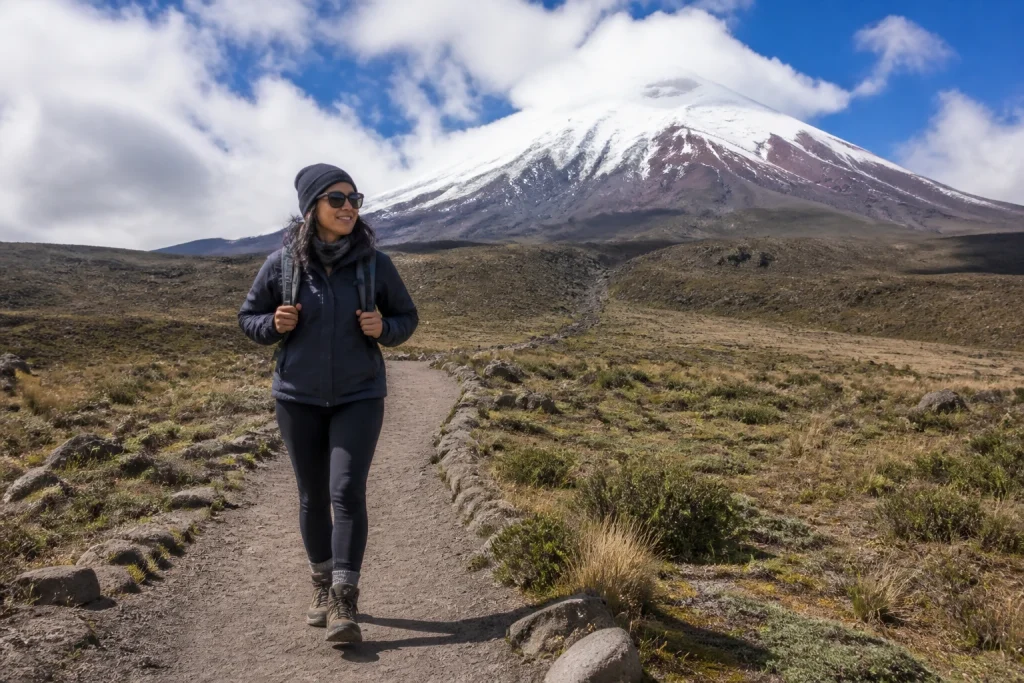
A Cotopaxi day trip suits travelers who enjoy dramatic highland landscapes, are comfortable with a flexible schedule, and are willing to prepare for cool, exposed conditions. Its main limitation is the changing access picture, which rules out a guaranteed attraction-by-attraction itinerary. Choose a regulated provider or confirm the self-drive route, check the park notice just before departure, and let the day be defined by the places safely open to you.
Frequently asked questions
Where is Cotopaxi National Park?
Cotopaxi National Park is in Ecuador, and day trips are commonly planned from Quito, Latacunga, or nearby highland lodging.
Can I visit Cotopaxi on a day trip from Quito?
Yes, Cotopaxi can be planned as a day trip from Quito, but the exact route and stops must be based on the park access confirmed for that day.
Are the Cotopaxi refuge and Laguna de Santo Domingo open?
Do not assume they are open. An official visitor notice has listed the José Rivas refuge and the road to Laguna de Santo Domingo as closed, and access can change with volcanic conditions.
What time does Cotopaxi National Park open?
Entry times should be confirmed just before departure because official guidance has published different access windows for park entry points.
Can I climb Cotopaxi as part of a normal day tour?
No, summit climbing should be organized as a separate, highly regulated mountaineering activity. It has required advance registration, approved guides or credentials, training, reservations, and proper equipment, while refuge access has also been restricted.
How much does a Cotopaxi day trip cost?
Costs vary by transport, operator, date, group size, and inclusions. Get a current dated quote and confirm what it covers rather than relying on old published prices.
Cotopaxi is best approached as a flexible highland day trip shaped by the park’s current access conditions by Thomas Mastromonaco, Pexels.