Complete Guide to The Andes for First Timers
The Andes stretch across several countries, so a first trip needs a clear frame. This guide focuses on the Argentine Andes, where high desert in the north, vineyard country near Mendoza, the Bariloche lake district, and El Chaltén’s trekking terrain offer very different journeys. Treat them as distinct regional trips rather than stops on one simple, connected route.
- Choose one main region before booking transport: Salta and Jujuy, Mendoza, Bariloche, or El Chaltén.
- Pair Salta and Jujuy for a northern high-desert itinerary with colorful landscapes, heritage, and salt flats.
- Match travel dates to the activity you want, especially skiing, lake activities, hiking, or high-altitude sightseeing.
- Use official park fees as a planning anchor, then price flights, stays, transport, and guides for your exact dates.
- Build in flexibility and recheck live transport, road, trail, and park information before setting out.
Start by choosing one Argentine Andean region
The right region depends more on the trip you want than on a single checklist of famous sights. Northern Argentina rewards scenic road journeys and high-desert color. Mendoza combines vineyards with mountain scenery around Aconcagua. Bariloche suits lake-based outdoor time, while El Chaltén is the choice for travelers who want trekking at the center of the plan.
| Region | Best fit for a first trip | Key planning point |
|---|---|---|
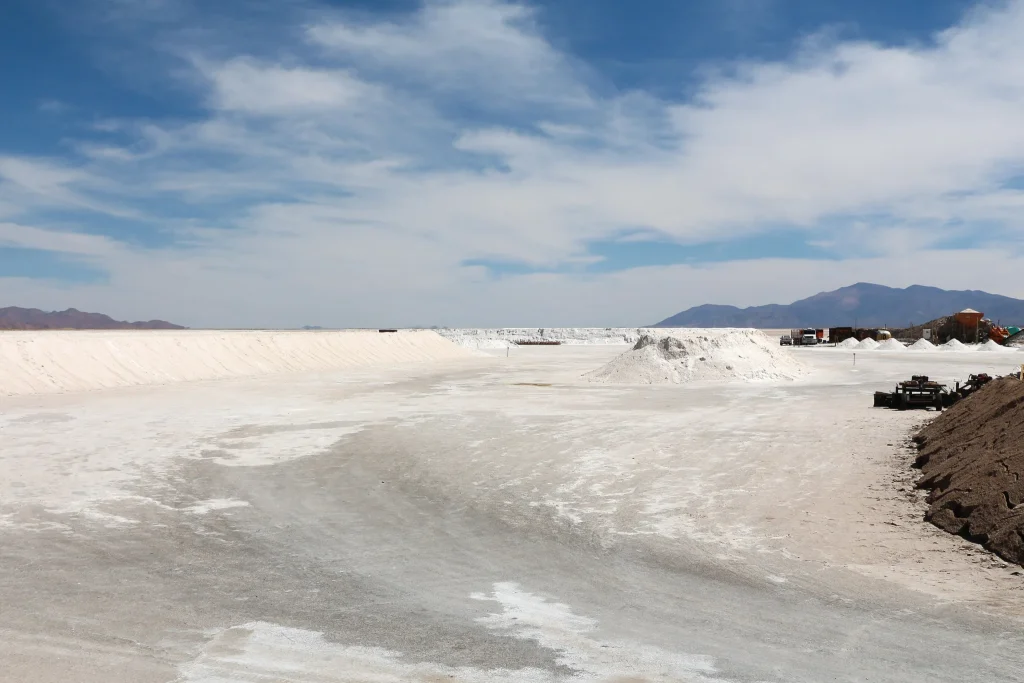
| Salta and Jujuy | Colorful high-desert landscapes, Indigenous and colonial heritage, and salt flats | These neighboring provinces work well as one northern itinerary; Salinas Grandes is above 3,300 metres. |
| Mendoza | Vineyards combined with Aconcagua-area mountain scenery | Choose it when food and wine matter as much as mountain views. |
| Bariloche | Lakes and seasonal outdoor sports | Winter is geared to skiing; summer favors hiking, cycling, and lake trips. |
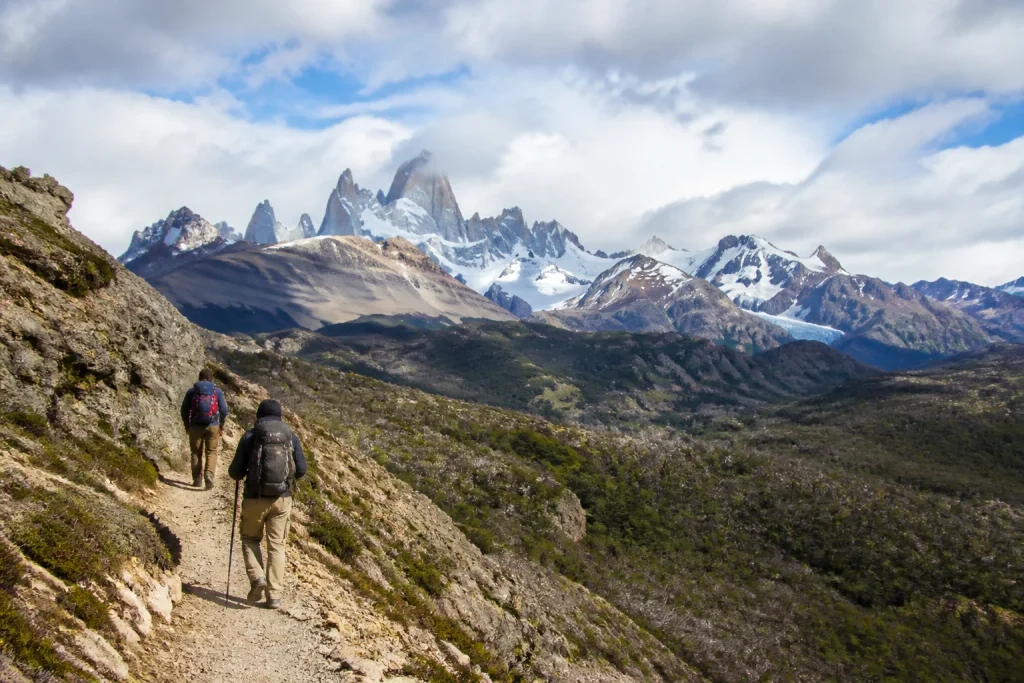
| El Chaltén | Trekking | Make hiking the core purpose of the journey and check current route information before setting out. |
Salta and Jujuy are the most straightforward pair for travelers drawn to Argentina’s north. The other regions deserve their own time rather than being squeezed into a rushed cross-country circuit. To compare Argentina with destinations elsewhere along the range, the Best Places to Visit in the Andes for First-Time Visitors guide offers a broader shortlist.
Match the season to the experience you want
There is no single best season for the whole Argentine Andes. Start with the region and activity, then choose dates. This matters because northern high-desert days, Patagonia’s lake-country seasons, wine-country outings, and trekking plans do not follow one shared calendar.
Northern Argentina: comfortable shoulder seasons for outdoor exploring
Jujuy welcomes visitors year-round, although summers are hot. For Salta and Jujuy, autumn from April through June and spring from September through November bring favorable temperatures and clear skies for outdoor exploration. These periods are especially appealing if scenic drives and time outside are central to your trip.
Bariloche: decide between snow and summer lakes
Bariloche has a clear seasonal split. Winter centers on skiing, while summer opens the door to hiking, cycling, and lake trips. Book with that distinction in mind. El Chaltén is the hiking-focused option, so current trail conditions deserve a place on your final pre-departure checklist.
Get around with realistic transport expectations
Argentina’s Andean regions are far apart, so travel days should be part of the itinerary, not an afterthought. Flying often saves substantial time, while buses and self-driving can suit travelers who value an overland journey and can spare longer stretches between destinations.
Northern access: fly for speed, travel overland for the journey
For Jujuy, the official comparison from Buenos Aires is useful: direct flights are listed at about 2 hours 15 minutes, buses at about 23 hours, and driving at about 18.3 hours. The choice is clear. Fly when time is tight; choose the bus or car only when the long overland journey fits the trip. Verify live schedules before booking.
Lake-district access: use Bariloche as a practical gateway
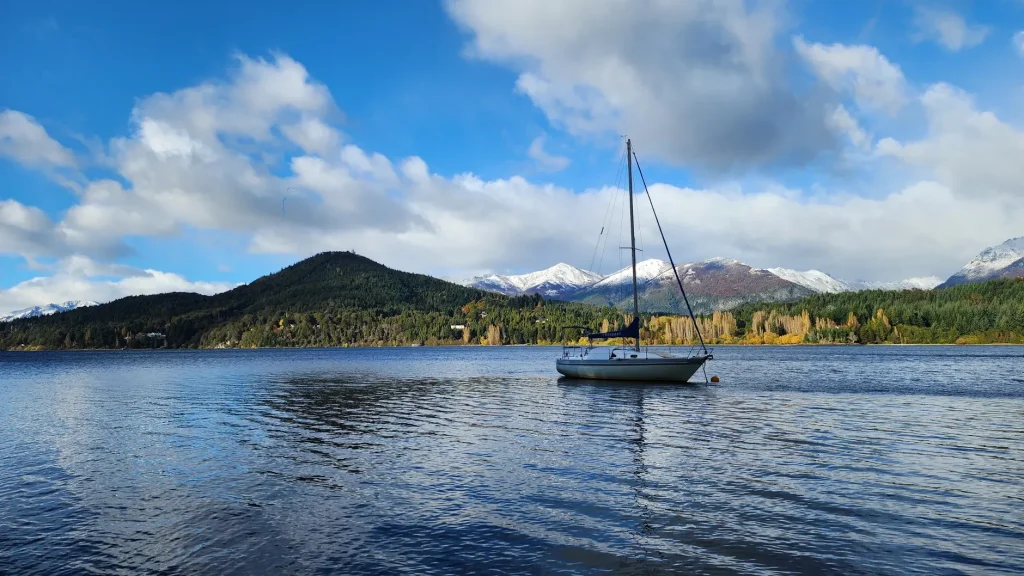
Bariloche and San Martín de los Andes receive flights from major Argentine cities depending on the season. Buses also serve Bariloche and Villa La Angostura. That makes the lake district a distinct travel zone with its own gateways, rather than a quick add-on to the north or Mendoza.
Before committing to a self-drive, long transfer, or trek, check current road conditions, mountain-pass information, trail status, and park access through the relevant local or park channels. These operational details can change and should shape the final version of your itinerary.
Treat altitude and changing mountain conditions seriously
High elevation is a real factor in the north. Salinas Grandes in Jujuy sits above 3,300 metres, so plan it as a high-altitude day rather than an endurance test. Keep the schedule unhurried, carry water and sun protection, and give yourself room to adjust plans if you do not feel well. For step-by-step preparation, the Altitude in the Andes: A Plain-English Acclimatisation Guide is a useful companion.
Use current health and safety information before departure
For U.S. travelers, the U.S. State Department’s Argentina page, issued July 10, 2026, listed the country at Level 1, “Exercise normal precautions.” The same page noted a CDC Level 1 Travelers’ Health Notice for Andes virus, also called Hantavirus, and described risk for most travelers as extremely low. Check the latest advisory and health guidance again before departure.
Set a flexible budget using park fees as one anchor
A single Andes-wide budget is not useful because flights, rooms, vehicle hire, transfers, guides, and travel dates vary widely by region and season. National-park entry charges provide one concrete planning line, but they are only one part of the overall cost.
| National park | General daily rate effective June 1, 2026 |
|---|---|
| Nahuel Huapi | ARS 35,000 |
| Los Cardones | ARS 25,000 |
| Los Glaciares | ARS 50,000 |
Argentina’s National Parks Administration also lists an ARS 300,000 annual pass. Eligibility categories differ, so check the applicable category and the latest fee shortly before your visit. Price each major element of your trip separately after choosing the region, since transport and accommodation costs depend on route, season, and booking date.
Build a simple first-trip plan
- Choose the main experience first: northern desert landscapes, wine and mountains, lake activities, or trekking.
- Select the season that supports that experience, especially for Bariloche’s winter-summer split and the north’s hot summers.
- Choose the fastest practical gateway, then allow enough time for regional transfers instead of treating Argentina’s Andes as one compact circuit.
- Review current park fees, transport details, road or trail status, and activity-specific arrangements shortly before travel.
This approach leaves room to enjoy a place instead of collecting airport and bus-station hours. A first trip can be deeply satisfying with one strong regional focus. Add another Argentine Andean region only when your available time can absorb the transfer days without stripping time from hikes, scenic outings, meals, or rest.
Plan accessibility around the exact route and provider
Argentina’s National Parks Administration has an accessible-tourism program focused on improving infrastructure, communications, guides, and providers in protected areas. Practical access still varies by trail, viewpoint, transport, toilet, lodge, and activity. Travelers who need specific accommodations should get written confirmation for the exact route and provider before making non-refundable plans.
Pack for the plan you actually chose
A flexible packing approach works best: layers for changing temperatures, sun protection and water for long days outside, and footwear suited to the activity. Add specialized equipment only when the selected trek, ski plan, or guided outing calls for it. Keep reservations, identification, and essential travel details accessible during long transfer days.
Make your first Argentine Andes trip focused, not frantic
The Argentine Andes reward a deliberate choice. Pick Salta and Jujuy for northern color and high-desert scale, Mendoza for vineyards and mountain scenery, Bariloche for lake-country seasons, or El Chaltén for trekking. The main limitation is distance between regions. Choose one, match it to the right season, and leave enough flexibility for the mountains to set the day’s rhythm.
Frequently asked questions
Does this guide cover the entire Andes mountain range?
No. This guide focuses on the Argentine Andes, using Salta and Jujuy, Mendoza, Bariloche, and El Chaltén as distinct first-trip choices rather than one continuous route.
Can I visit Salta and Jujuy on the same trip?
Yes. Salta and Jujuy are close enough to combine into one northern Argentina itinerary, making them a strong pairing for a first visit.
What is the best time to visit the Argentine Andes?
The best time depends on the region and activity. Salta and Jujuy are especially appealing in autumn and spring for outdoor exploration, while Bariloche is geared to skiing in winter and hiking, cycling, and lake trips in summer.
How high is Salinas Grandes in Jujuy?
Salinas Grandes is above 3,300 metres. Plan it as a high-altitude sightseeing day and give yourself time to adjust your pace.
How much are national-park entry fees in the Argentine Andes?
Effective June 1, 2026, the General daily rates listed were ARS 35,000 for Nahuel Huapi, ARS 25,000 for Los Cardones, and ARS 50,000 for Los Glaciares. Recheck the applicable category and current fee before travel.
How should first-time visitors plan the route?
Choose one main region and build the trip around it. Argentina’s Andean destinations are separated by substantial distances, so this approach preserves more time for the experiences that brought you there.
Salinas Grandes in Jujuy is a high-altitude stop above 3,300 metres by Bernard Gagnon, CC BY-SA 4.0.
_01.jpg)