
Andean Coffee and Cacao Guide
Argentina’s north invites a coffee-and-chocolate itinerary, but it calls for the right expectations. Treat Salta and, if time permits, San Salvador de Jujuy as places to seek thoughtful café and chocolate stops, not as a prepackaged plantation circuit. Farm visits, harvest calendars, estate tastings, and fixed visit prices are not reliable anchors for a trip here. Build around urban venues that can identify their products, and confirm any rural visit with a named host before you go.
- Base yourself in Salta for the most practical arrival point, then add San Salvador de Jujuy when your schedule allows.
- Choose cafés and chocolate sellers that can clearly explain product origin, preparation, and current tasting options.
- Treat any farm or rural tasting as an individually confirmed experience, not a standard regional attraction.
- Keep rural Yungas and protected-area excursions separate from your coffee-and-cacao plans.
- Carry a payment backup, check access details close to departure, and use established transport providers.
This approach still leaves room for discovery. A good stop is one where the staff can discuss what is in the cup or on the plate, rather than relying on a vague regional label. Ask where the coffee was grown, who roasted it, where the cacao came from, and whether a tasting or special preparation is actually available that day. Those details make each order more meaningful and keep the itinerary honest.
Set realistic expectations for coffee and cacao in northern Argentina
Use coffee and chocolate as a lens for exploring Salta and Jujuy, rather than as proof of local crop production. The worthwhile experience is a sequence of well-chosen urban stops, conversations with businesses, and perhaps a nature extension that suits the rest of your trip. There is no need to rush between every promising pin on a map. One transparent café and one thoughtful chocolate stop can be more rewarding than a long, unplanned tasting crawl.
Before adding a business to your plan, look for clear, current information on its own channels. Product offerings, serving formats, prices, reservations, and opening patterns can change. A short direct message can establish whether it is a simple café visit, a chocolate shop, a guided tasting, or something that needs advance coordination. This is especially important when a listing uses words such as finca, estate, artisanal, single origin, or Andean without further detail.
Use Salta as the base and add Jujuy with purpose
Salta city is the practical starting base for this itinerary. Martín Miguel de Güemes International Airport, known as SLA, handles nearly all of Salta’s air traffic. That makes the city a sensible place to arrive, settle in, and begin contacting the venues you have shortlisted. It also avoids treating a remote rural detour as an easy add-on at the start of a trip.
San Salvador de Jujuy lies 99 kilometres from Salta city, so it works best as a deliberate extension rather than a hurried errand between tastings. Add it if you have enough time to compare two urban bases, stay overnight, or continue north as part of a larger route. Confirm transport details and each venue’s current arrangements before locking in the order of your days.
| Route shape | Works best when | Main planning task |
|---|---|---|
| Salta city only | You want the simplest arrival base and time for carefully selected urban stops. | Confirm individual café and chocolate options before arrival. |
| Salta plus San Salvador de Jujuy | You have extra time to seek venues in two cities without rushing between them. | Arrange onward transport and an overnight plan before committing. |
| Salta plus a rural extension | Nature is a central priority and you can arrange private transport. | Check road conditions, daylight timing, and access arrangements shortly before departure. |
How to choose a worthwhile coffee or chocolate stop
Pursue transparency rather than labels. A venue does not need an elaborate tasting menu to be a good choice, but it should be able to explain its current offering plainly. The most useful questions focus on the product in front of you: origin, roasting or production, serving style, and whether the staff recommend a particular order. This helps separate a pleasant everyday stop from an experience designed for curious drinkers or chocolate lovers.

- Ask where the coffee beans were grown and whether the coffee was roasted by the business or a named roaster.
- Ask which preparation best suits the current coffee, especially if there are several filter or espresso options.
- Ask where the cacao or chocolate was sourced and whether the available products differ by origin or percentage.
- Ask if a tasting, pairing, or guided explanation is offered that day, and whether it needs a reservation.
Keep the answer in proportion to the experience. A café that serves one well-made coffee and a chocolate shop that sells a few clear products can be excellent stops. What matters is that you understand what you are ordering. If a business cannot confirm product origin or describe a proposed tasting, enjoy it as a casual stop and save your deeper questions for another venue.
Build a measured café and chocolate day
A coffee-and-chocolate day works best as a comparison, not a race. Start with one coffee chosen for its clarity or house style, leave time for a proper meal and a walk, then try chocolate later when your palate has reset. This rhythm gives you time to notice differences in texture, sweetness, roast, and serving style without turning every hour into another order.
- Morning: choose one café and order a preparation the staff recommend for the coffee currently being served.
- Midday: pause before a second tasting. Use the time to explore the surrounding city at your own pace.
- Afternoon: visit a chocolate-focused stop and try one or two products rather than buying a large mixed selection immediately.
- Evening: return to the stop that most impressed you only if you want another order or a small gift to take onward.
Make a few notes as you go. Record the business name, the product description, the preparation, and what you enjoyed. It is a simple habit, yet it prevents a week of cups and bars from blurring together. It also gives you a more useful memory than an assumption that every product called Andean was grown nearby.
Treat rural Yungas detours as nature trips, not estate tours
Northern Argentina’s Yungas and protected areas can be appealing additions for travelers who want a wilder counterpoint to city time. Plan them for nature, landscape, and a slower road journey, not as substitutes for a confirmed coffee or cacao farm experience. A rural host could offer something worthwhile, but it should be arranged directly and described clearly before you set out.
Remote access changes the shape of the day. At El Nogalar de los Toldos, regular passenger transport does not continue from the Los Toldos junction. At El Rey, the final 47 kilometres from Paso de la Cruz are on an unpaved road without public transport. Arrange private transport when needed, travel in daylight, and avoid squeezing these routes between fixed tasting appointments in town.
Check access-road conditions shortly before leaving for El Rey or another remote detour. Build slack into the schedule for the return journey, particularly if you have onward accommodation or transport. The main tradeoff is straightforward: city-based food and drink exploration is easier to coordinate, while rural extensions require more time, more transport planning, and more flexibility.
Choose dates for the wider trip, then confirm details close to departure
Do not choose dates around a supposed local coffee or cacao harvest season. Instead, decide when northern Argentina fits best within your wider journey, then build the tasting element around what individual venues are serving at that time. This leaves room for a good café recommendation, a current chocolate selection, or a confirmed special event without making promises that the region cannot consistently deliver.
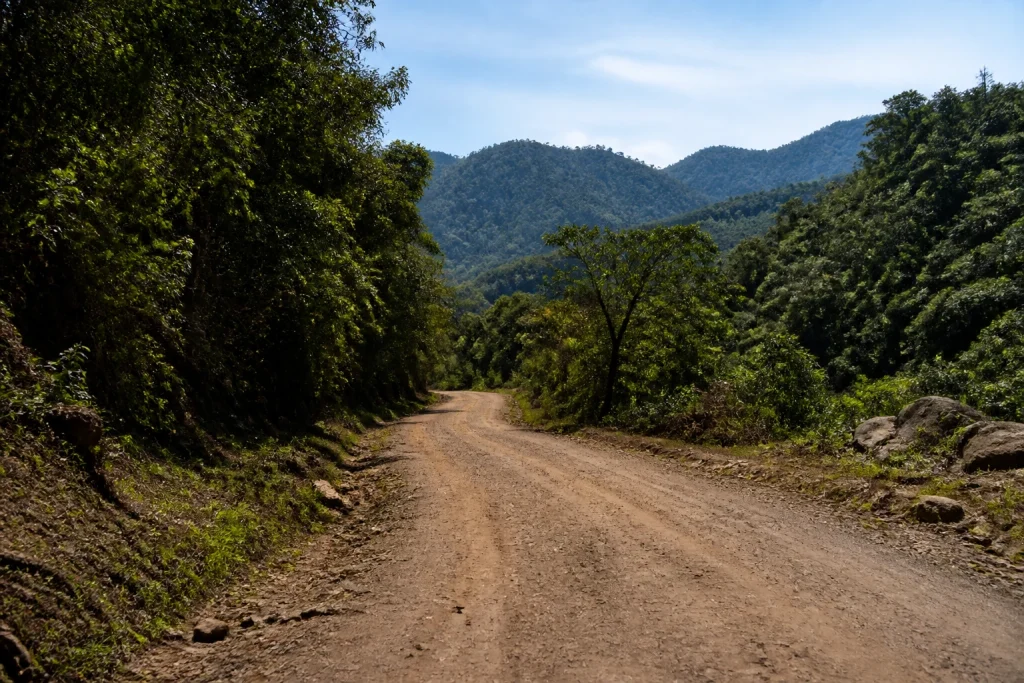
Use a simple confirmation sequence. First, select your Salta and Jujuy dates. Next, contact your preferred businesses shortly before arrival to ask about current offerings, reservations, and payment methods. Finally, if you are heading toward El Rey or another remote area, check the road status just before departure. This approach keeps the flexible parts of the trip flexible and protects the days that need transport coordination.
Plan payments, personal safety, and accessibility before the first order
The Argentine peso is the official currency, and cards are widely accepted. Still, carry a payment backup. Some U.S. visitors encounter ATM-card problems or low daily withdrawal limits, so avoid relying on one card or expecting an ATM stop to solve every payment need. Confirm current prices directly with each business instead of building the day around an old online menu or a fixed budget estimate.
Argentina’s current U.S. destination advisory is Level 1, meaning normal precautions. Use the same sensible habits you would in other busy visitor areas: keep valuables secure, avoid displaying unnecessary cash, and pay attention around transport hubs and crowded streets. For journeys between Salta and Jujuy, use established, authorized operators rather than informal transport. Emergency response is more limited in remote areas, another reason to prepare rural days carefully.
Accessibility needs to be confirmed venue by venue. Before choosing a café, chocolate shop, vehicle, or rural host, ask about step-free entry, accessible toilets, table layout, seating, sensory conditions, and transfer arrangements. Jujuy has participated in accessibility initiatives, but participation is voluntary and does not guarantee the present setup at any particular business or transport service.
A flexible two-to-four-day coffee and chocolate framework
This framework leaves the experience open enough for good recommendations while giving each day a clear purpose. It works best for travelers who care more about thoughtful stops than about checking off a long list of businesses. Keep all venue names provisional until you have confirmed that the places match your interests and are operating on your chosen days.
- Day one, Salta arrival: settle in, identify two or three possible café or chocolate stops, and contact any business that interests you for current details.
- Day two, Salta focus: visit one coffee stop in the morning and one chocolate-focused stop later in the day. Leave time between them and note what each business can explain about its products.
- Day three, Jujuy extension: travel to San Salvador de Jujuy only if you have enough time for the journey and an overnight or unhurried visit. Treat it as a second urban base rather than a rushed excursion.
- Day four, optional nature extension: choose a rural route only when nature is the main goal, private transport is arranged where necessary, and current road conditions have been checked.
For a longer regional route, the Best Places To Visit In The Andes guide is a useful companion for placing this tasting-focused stop within a broader journey. Let the larger itinerary determine how much time you can spare in Salta and Jujuy. Coffee and chocolate work particularly well as a deliberate pause between travel days, not as a reason to overpack the schedule.
What to carry and what to leave flexible
- A small notebook or phone note for recording coffee, cacao, and preparation details.
- A primary payment card plus a separate payment backup.
- Water, charged phone power, and comfortable footwear for city exploring.
- Closed shoes and practical layers if a rural road or protected-area extension is part of the plan.
- A flexible final afternoon for revisiting a favorite venue or replacing a stop that is unavailable.
Leave fixed farm-tour expectations, published harvest calendars, and rigid price assumptions off the packing list. The best version of this trip is adaptable. You arrive with good questions, make choices based on clear answers, and reserve your longest travel day for an experience that has been properly arranged rather than merely suggested by a map listing.
The right trip for curious drinkers and careful planners
This Andean coffee and cacao guide suits travelers who enjoy asking what is in the cup, learning the story behind a bar of chocolate, and leaving room for a city to reveal its best stops gradually. Salta offers the clearest base, while San Salvador de Jujuy adds a purposeful extension for travelers with time. Keep rural excursions nature-led, confirm individual experiences directly, and let a few transparent, memorable orders set the pace.
Frequently asked questions
Is there a coffee or cacao farm circuit in northern Argentina?
No dependable, publicly documented farm circuit is available to build an itinerary around. Treat any individual farm visit as a separate lead and confirm the exact location, product origin, visitor access, and reservation arrangements directly with the named host.
Should I base myself in Salta or San Salvador de Jujuy?
Base yourself in Salta for the most practical arrival point, then add San Salvador de Jujuy if you have enough time for a deliberate extension. Salta’s airport handles nearly all of the province’s air traffic, and San Salvador de Jujuy is 99 kilometres from Salta city.
Can I reach rural Yungas areas by public transport?
Do not assume public transport reaches remote protected areas. There is no regular passenger service beyond the Los Toldos junction for El Nogalar de los Toldos, while El Rey’s final unpaved approach from Paso de la Cruz has no public transport.
When is the best time for a coffee or cacao-focused visit?
Choose dates for your wider Argentina itinerary rather than a local coffee or cacao harvest calendar. Confirm individual venue offerings close to departure, and check road conditions shortly before any remote excursion.
How should I pay for coffee, chocolate, and transport in northern Argentina?
Use cards where accepted, but carry a separate payment backup. The Argentine peso is the official currency, cards are widely accepted, and some U.S. visitors experience ATM-card issues or low withdrawal limits.
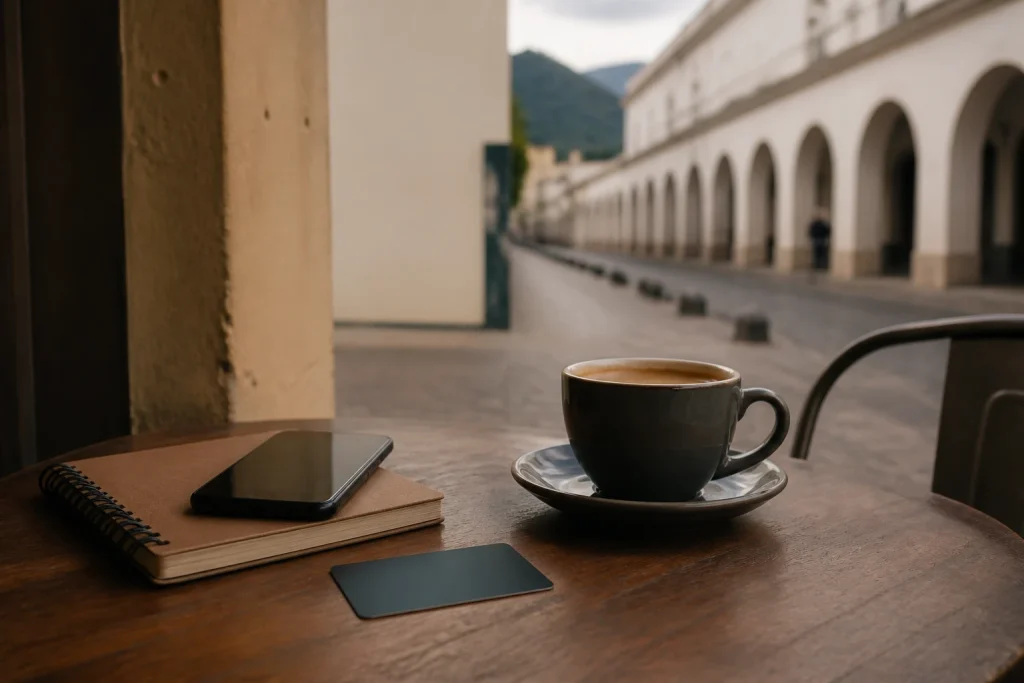
A coffee-and-chocolate itinerary in northern Argentina works best as a series of carefully chosen, transparent stops by Guto Macedo, Pexels.