
Andes Photography Guide
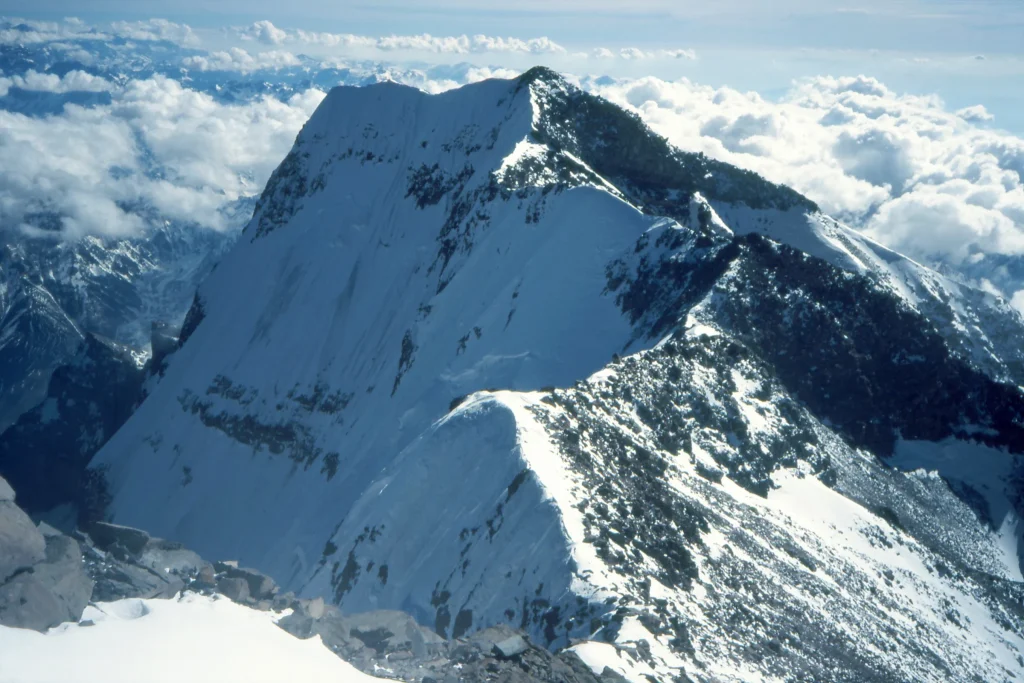
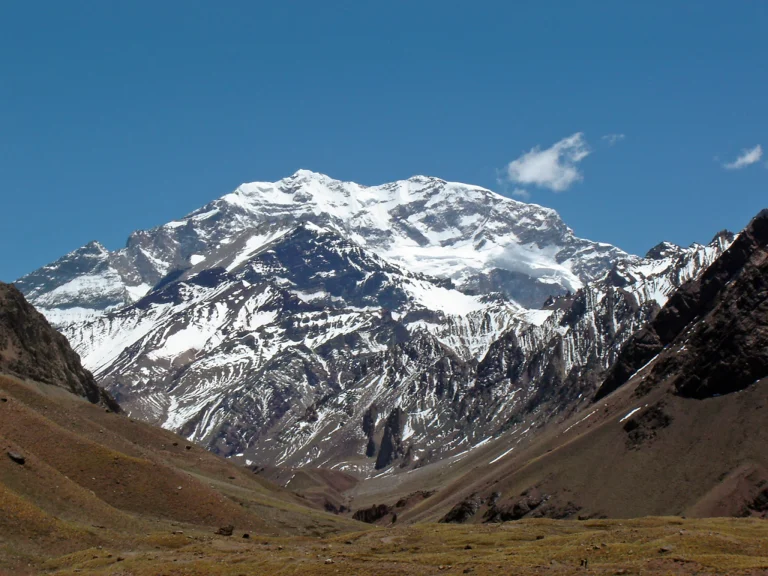
The Argentine Andes reward photographers who plan for change. A clear mountain view, an open road, and a protected-area reservation can matter as much as lenses and tripods. This guide focuses on the practical details behind a high-Andes shoot, using Aconcagua as the main photography base and national parks as key stops to budget and plan separately.
- Use Parque Provincial Aconcagua as a high-altitude photography objective from Mendoza, but build in time rather than treating it as a quick stop.
- Reserve and pay for Aconcagua entry before travelling. Tickets are not sold at the park entrance.
- For travel between May 1 and October 30, treat Aconcagua access as permit-dependent because winter activities need written provincial approval.
- Check official road status on the day you drive, especially for winter shoots on National Route 7.
- Budget national-park admission separately from transport, lodging, guides, and any specialist photography permissions.
- Do not assume an ordinary visitor ticket covers a commercial shoot, workshop, or professional video project.
Build your photo plan around Aconcagua
Parque Provincial Aconcagua sits on National Route 7, 185 km from Mendoza city. Horcones is at 2,800 m, while Aconcagua rises to 6,962 m. That elevation range makes this a serious mountain environment. Plan your photography day around gradual pacing, a clear shot list, and enough margin to adapt to the conditions you find.
A disciplined approach produces more than one dramatic wide frame. Start by looking for a broad composition that explains the scale of the range. Then isolate smaller shapes with a longer lens: ridgelines, light on rock, overlapping slopes, and distant changes in weather. A tripod helps when the scene rewards careful framing rather than speed.
Reserve before the drive, then protect a backup day
Aconcagua visitors must reserve and pay for entry before travelling, and entry tickets are not sold at the park. Activities can also be suspended because of adverse weather or force majeure. Make the mountain your primary shoot, not your only shoot: hold one backup day in the itinerary so a disrupted visit does not erase the central goal of the trip.
Use the first available visit to learn the terrain and make your essential frames. Keep the second opportunity for a different focal length, a more deliberate composition, or a change in conditions. This simple structure also reduces the temptation to rush, which is rarely a friend to good landscape photography.
Choose the season with access in mind
Aconcagua’s official summer season runs from November 1 to April 30. The winter season runs from May 1 to October 30. During winter, all activities require a written application approved by the provincial authority. If your photography dates fall in that period, address the permit process early instead of assuming a standard walk-in visit.
Treat road status as part of the shoot plan
Argentina’s winter road-maintenance plan covers Mendoza’s National Route 7, along with other major routes and the Pehuenche and Cristo Redentor passes. A departure-day check of the official route-status service is essential for a self-drive photography plan. Do it before loading the car, then keep the day flexible enough to change location if conditions require it.
Pack camera equipment so it can be used without turning every stop into a full unpack. Keep a lens cloth, charged spare batteries, water, layers, and weather protection close at hand. The practical aim is simple: when a workable scene opens up, you should be ready to photograph it without losing the light to a disorganized bag.
Budget protected-area entry separately
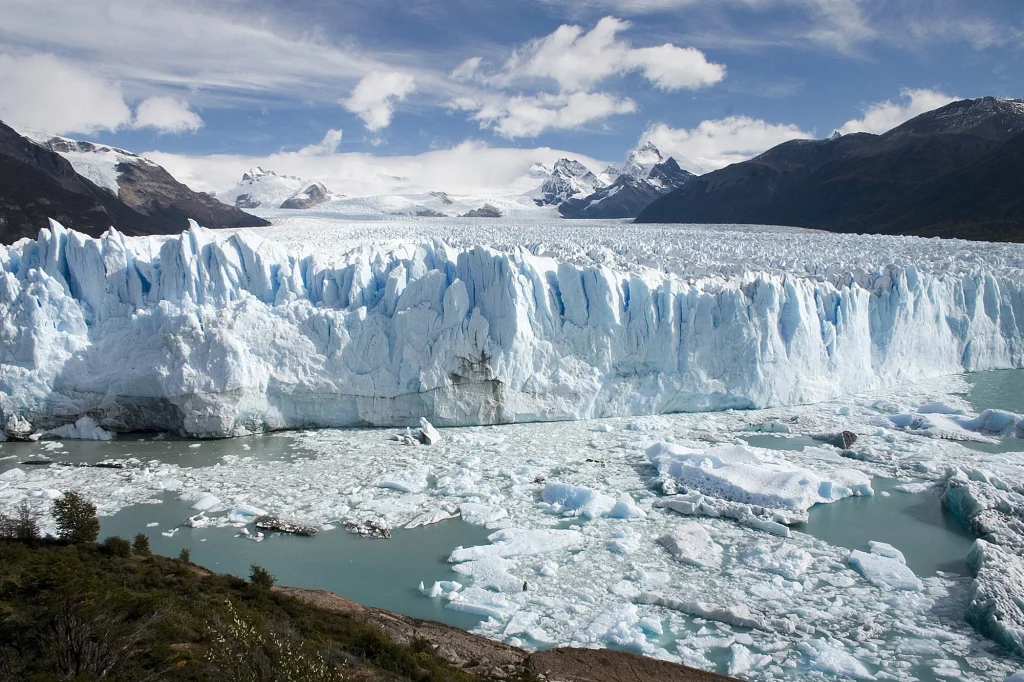
For national-park photography stops, separate the entry fee from every other trip cost. General daily admission rates effective June 1, 2026 are ARS 50,000 for Los Glaciares and ARS 25,000 each for Talampaya and Los Cardones. These are admission figures only, so transport, lodging, guided activities, and specialist permissions need their own budget lines.

| Protected area | General daily admission | Planning use |
|---|---|---|
| Parque Nacional Los Glaciares | ARS 50,000 | Budget as a separate admission day |
| Parque Nacional Talampaya | ARS 25,000 | Budget as a separate admission day |
| Parque Nacional Los Cardones | ARS 25,000 | Budget as a separate admission day |
National-park access fees are paid in Argentine pesos. Los Glaciares and Talampaya are among the parks identified as accepting major credit and debit cards, but payment arrangements can change by park. Carry a pesos-based fallback and reconfirm payment options with the individual park before you set out.
Use a field workflow that captures scale and detail
The Andes can look overwhelming through a viewfinder. Give each location a repeatable sequence instead of chasing every possible angle. First make a wide composition that establishes the landscape. Next work on a medium frame that shows the relationship between slopes and distance. Finish with a tight image built around texture, shadow, or a single strong line.
- Carry a wide lens for expansive scenes and a short telephoto for compressed layers and distant details.
- Use a stable tripod for precise composition, longer exposures, and self-timed shooting without camera shake.
- Keep spare power protected and accessible, especially when a long day keeps you away from a charging point.
- Bring a cleaning cloth and simple weather protection so dust or moisture does not end a promising session.
- Photograph both horizontal and vertical versions of your strongest scene before moving on.
Slow down after finding the first composition
- Scout with your eyes before setting up the tripod, looking for a clean foreground and distracting edges.
- Make one balanced exposure, then adjust your position rather than relying only on cropping later.
- Switch focal lengths after the broad frame is secure; a detail image often becomes the more memorable photograph.
- Review highlights and shadows before leaving, then make one final variation with a slightly different crop or camera height.
Record a few notes after each major stop: the lens used, the direction of light, and what you would change on a return visit. This habit is useful when a backup day brings you back to the same terrain. It also turns a demanding mountain day into a clearer plan for the next one.
Handle commercial work, drones, and accessibility carefully
Ordinary visitor admission should not be treated as clearance for commercial photography. The National Parks Administration’s 2025 tariff resolution includes separate annual rights and fee categories for professional photographers and video operators. For a commissioned shoot, paid workshop, or other professional project, confirm the individual protected area’s current authorization process before making plans.
Apply the same caution to drone plans. Confirm the specific protected area’s current rules before bringing or flying one. A short check in advance is far easier than building an aerial sequence into the creative brief and finding that it cannot be carried out on site.
National-park admission is exempt for people with disabilities who present Argentina’s current disability certificate or an equivalent valid document from their country of residence. That fee policy does not confirm step-free access to trails, viewpoints, transport, or facilities. Travellers who need accessible infrastructure should confirm the exact route and services for each location before committing to the photo plan.
Altitude adds another layer of preparation to a high-elevation photography day. The site’s Altitude in the Andes: A Plain-English Acclimatisation Guide is a useful companion before you schedule demanding shoots at altitude. Keep creative ambition aligned with sensible pacing, hydration, and a willingness to shorten the plan when your body calls for it.
Create an itinerary that can absorb weather changes
A resilient Andes photography itinerary has a priority shoot, a backup shoot, and a low-commitment reserve day. Put Aconcagua first when its access and weather line up. Keep an alternative day for editing, city photography, gear maintenance, or scouting rather than trying to force a mountain drive through uncertain conditions.
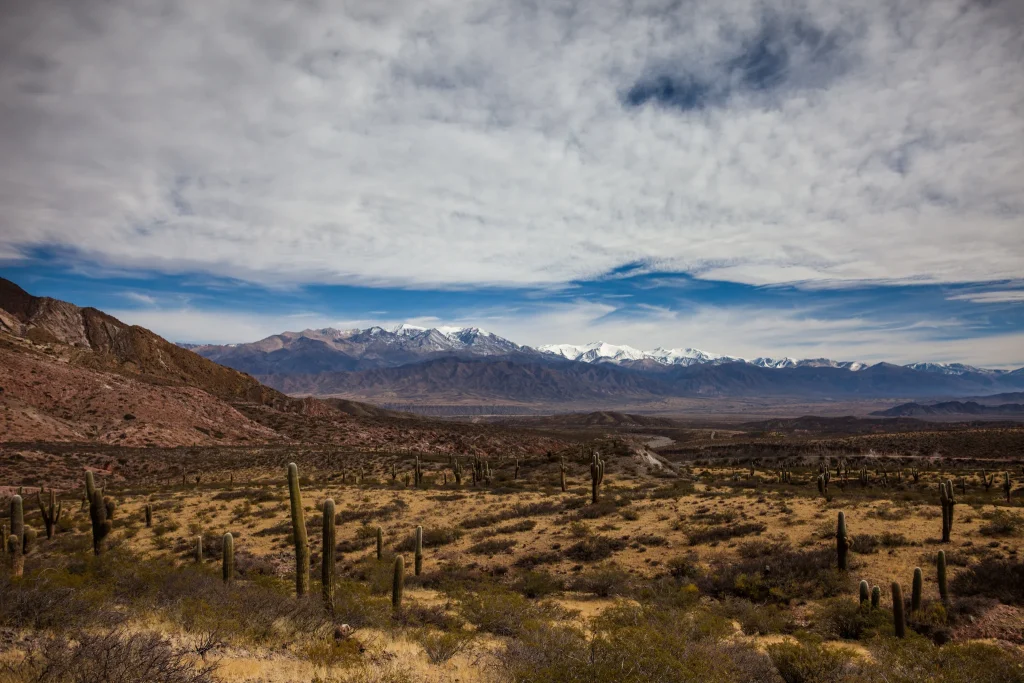

Treat each protected area as its own planning block. Entry fees, payment arrangements, and professional permissions are not interchangeable between parks. For a broader route beyond Argentina, the site’s guide to the best places to visit in the Andes for first-time visitors can help you compare destinations before adding more long-distance travel to the schedule.
Make flexibility your most useful photography tool
This Andes photography plan suits travellers who enjoy deliberate landscape work and can leave room for changing access and weather. Aconcagua gives the trip a powerful high-altitude focus, while Argentina’s national parks require clear budgeting and advance thought about permissions. Reserve early, check the road on departure day, and protect a backup shoot. Those choices give the best compositions a real chance to happen.
Frequently asked questions
When is the Aconcagua season for photographers?
Aconcagua’s official summer season runs from November 1 to April 30, while winter runs from May 1 to October 30. Winter activities require a written application approved by the provincial authority, so plan that process before finalizing photography dates.
Do I need to reserve entry to Parque Provincial Aconcagua?
Yes. Visitors must reserve and pay for Aconcagua entry before travelling because tickets are not sold at the park entrance. Keep a backup photography day because activities can be suspended for adverse weather or force majeure.
How much are Argentina national-park entry fees for a photography trip?
General daily admission is ARS 50,000 for Los Glaciares and ARS 25,000 for Talampaya and Los Cardones, effective June 1, 2026. These amounts cover admission only, not transport, lodging, guides, or specialist permits.
Should I check road conditions before driving to an Andes photo location?
Yes. Check the official route-status service on the day of departure, especially during winter travel in Mendoza. National Route 7 is included in the 2026 winter road-maintenance plan, but a same-day status check should guide the actual drive.
Does a standard national-park ticket cover commercial photography?
Do not assume that it does. National Parks Administration tariff categories distinguish professional photography and video work, so commercial shoots, workshops, and other professional activity need park-specific confirmation in advance.
Are the Andes photo locations in this guide accessible for disabled travellers?
Admission is exempt in national parks for eligible visitors with a valid disability certificate or equivalent foreign document. Accessibility of viewpoints, trails, transport, and facilities must be confirmed for each individual location.
Aconcagua anchors a high-Andes photography plan from Mendoza by Albert Backer, CC BY-SA 3.0.

More bookable experiences
Three tours to compare
Review current provider details before booking. Discover Andes may earn a commission at no extra cost to you.
Continue exploring
More practical guides selected from the Discover Andes library.
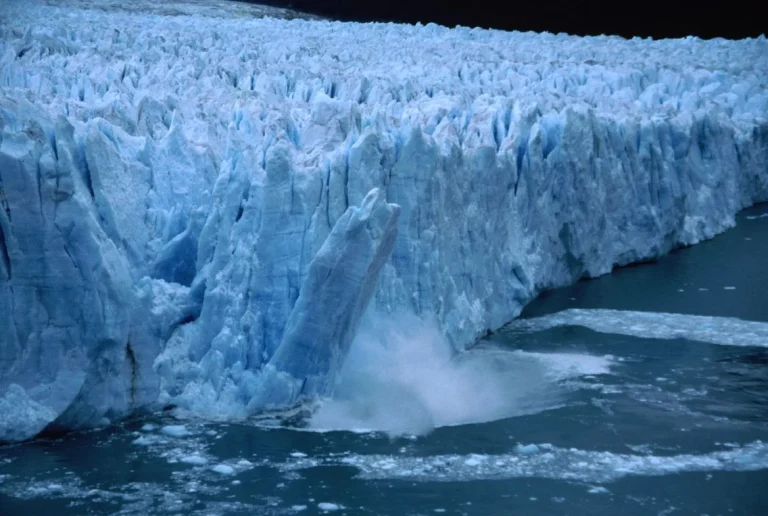
The Andes Travel Tips for First Timers
Plan a first trip to the Argentine Andes with smarter route choices, altitude preparation, Los Glaciares logistics, seasonal…
The Andes Itinerary Without a Car
Plan a practical car-free Andes escape from Mendoza, using a guided Alta Montaña day trip, a flexible third…
The Andes Weather by Month
Plan an Argentine Andes trip month by month, with clear distinctions between Mendoza’s foothills, the high Andes, winter…
Best Time to Visit the Andes
The best time to visit Argentina’s Andes depends on the region and the trip. Compare seasons for Patagonia,…