The Andes Luxury Travel Guide
Argentina’s Andes offer several versions of luxury. In Mendoza and the Uco Valley, the emphasis falls on vineyard stays, thoughtful gastronomy, spa time, and privately paced mountain excursions. Farther north, Salta adds high-altitude vineyards, colorful gorges, salt flats, regional food, and the stark scale of the high plains. The best trip combines comfort with enough time to absorb the altitude and landscape.
- Use Mendoza and the Uco Valley as the primary wine-and-mountain base.
- Add Salta when high-desert scenery, heritage, and regional food justify extra travel.
- Choose dates according to wine country, skiing, or northern highland conditions.
- Build acclimatization time into any itinerary involving the high Andes.
- Book private drivers, flexible guides, and well-located lodging before adding elaborate extras.
- Compare supplier proposals by inclusions rather than relying on a single headline price.
A polished itinerary does not need to cross the entire mountain chain. One strong base, one contrasting extension, and a few carefully chosen excursions usually produce a better rhythm. Travelers still comparing countries and landscapes can begin with our guide to the best places to visit in the Andes for first-time visitors before committing to an Argentina-focused route.
Luxury here is best understood as control over pace. Private transfers reduce friction, reserved winery experiences protect the day’s rhythm, and free afternoons leave room for weather changes or simple rest. None of these comforts cancels altitude, long mountain roads, or seasonal disruption. Good planning makes those realities easier to manage rather than pretending they do not exist.
Plan the journey around two distinct Andean bases
Mendoza is the natural first choice for a luxury trip centered on wine and mountains. The province brings together vineyard visits, the Uco Valley, Cacheuta’s hot springs, Aconcagua Provincial Park, and seasonal snow sports. It supports a comfortable itinerary with varied days rather than requiring a continuous trek through difficult terrain.
Salta delivers a sharper change of scenery and culture. Its appeal lies in high-altitude vineyards, gorges, salt flats, high plains, heritage, and distinctive regional food. Salta Capital works as a practical base because it combines hotel choice with air connections, including service linked with Buenos Aires and Mendoza. Flight schedules should still be checked for the intended dates.
| Base | Best suited to | Important trade-off |
|---|---|---|
| Mendoza and the Uco Valley | Winery visits, gastronomy, spa time, Aconcagua-area scenery, and winter sports | Wine districts and mountain attractions require road travel, so private transport improves flexibility. |
| Salta | High-altitude vineyards, high plains, gorges, salt flats, heritage, and regional cuisine | Several signature experiences involve altitude or long, structured touring days. |
| Multi-day Andean crossing | Travelers who actively want a demanding expedition | Routes can reach 4,500 meters and typically require 7 to 10 days, physical preparation, and weather-ready equipment. |
A first luxury trip can comfortably focus on Mendoza alone. Add Salta when the additional flight and a longer overall itinerary feel worthwhile. A multi-day crossing belongs in a separate category. Premium equipment and support can improve comfort, but the experience remains physically demanding and exposed to mountain weather.
Make Mendoza and the Uco Valley the main luxury anchor
Mendoza has its own international airport, making it the most convenient entry point for this itinerary. The Uco Valley is reached by National Route 40 from Mendoza city. Instead of changing hotels every night, divide the stay between the city or its outskirts and one wine-country base. This creates space for both dining and unhurried vineyard days.
Reserve full days for wine country
The Uco Valley combines established wineries with more modern projects, all set within an Andean landscape. For a premium day, limit the number of reservations and leave time for a long meal. A private driver allows the group to follow a relaxed schedule without turning a tasting day into a complicated transport exercise.
Ask each winery or planner to define what the reservation includes. A tasting, vineyard visit, lunch, private room, and transport are separate components unless the proposal says otherwise. The most expensive-looking package is not automatically the most complete, so compare the actual sequence and the amount of private time.
Avoid booking several major meals and tastings on consecutive days. Alternating a winery day with spa time or a scenic excursion keeps the palate fresh and gives the trip more texture. Cacheuta’s hot springs can provide that change of pace, especially when the itinerary already contains several long road days.
Treat the high mountains as a dedicated excursion
Aconcagua Provincial Park gives Mendoza itineraries a strong mountain component without requiring a full Andean crossing. Schedule the outing as its own day, preferably with a professional driver and a flexible plan. Road and weather conditions can change, so check official route information shortly before departure rather than treating a mountain schedule as fixed.
Keep the following day relatively light if the excursion involves substantial altitude. A late breakfast, spa treatment, or open afternoon has more value than another tightly timed reservation. This buffer is also useful when weather forces a mountain outing to move by a day.
Travelers focused on hotels should compare location as carefully as room category. A city property, vineyard retreat, and remote mountain lodge solve different problems. Our Where to Stay guide provides a broader framework for judging atmosphere, access, and the amount of driving each accommodation choice creates.
Add Salta for high-desert drama and regional character
Salta is more than an add-on for travelers collecting another wine region. The northern Andes introduce high plains, salt flats, gorges, high-altitude vineyards, heritage, and regional cooking. The combination feels markedly different from Mendoza, which is precisely why the extra journey can earn its place in a longer itinerary.
Use Salta Capital as the operational base unless a specialist itinerary makes a compelling case for sleeping elsewhere. The city offers hotel choice and air connectivity, while private touring can be arranged around specific landscapes and vineyard areas. Build unscheduled time around the longest excursions instead of trying to cover every northern highlight in a few days.
Decide carefully on the Train to the Clouds
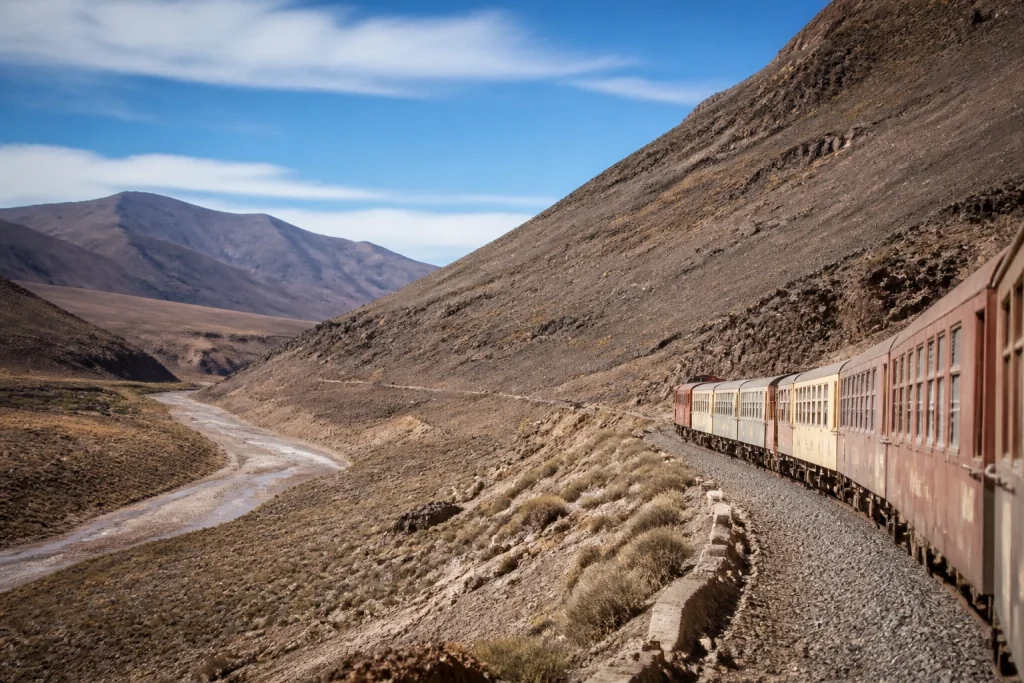
The Train to the Clouds is a combined road-and-rail experience that reaches 4,220 meters. It offers an exceptional way to see the northern highlands, but it is not a casual sightseeing ride. The altitude and structured format make it a poor match for travelers who struggle at elevation or dislike long touring days.
Do not place it immediately after arrival in the region. A gentler opening day gives the body time to adjust and lets the group assess how everyone feels. Review the current operating plan, departure details, and included road segments before reserving because the experience combines more than the rail portion suggested by its name.
A private alternative can prioritize a gorge, vineyard area, heritage stop, or highland landscape without following a large-group timetable. It will not reproduce the train experience, but it can offer more control over stops and pacing. Travelers should choose according to tolerance for altitude and structure, not simply the most famous name.
Choose the season according to the trip’s main purpose
There is no single best season for every Argentine Andes itinerary. Mendoza is generally recommended in autumn and spring, while official guidance for the Uco Valley highlights January through April and October through December. Those windows suit travelers placing vineyards and outdoor wine-country scenery at the center of the trip.
A ski-led journey requires different dates. Mendoza’s broader snow season runs between June and September, with July and August presented as the core snow-sports period. Demand can be high, so lodging, transfers, and ski services deserve early attention. Las Leñas is the province’s principal resort for this style of stay.
Winter is particularly attractive in Salta because rainfall is scarce, skies are often clear, and roads are generally more passable. That does not make winter universally superior. It makes northern highland touring a different seasonal proposition from a Mendoza trip built around autumn or spring wine-country conditions.
| Travel priority | Timing to consider | Planning focus |
|---|---|---|
| Mendoza and Uco Valley wine country | January to April or October to December, with autumn and spring broadly favored for Mendoza | Reserve winery experiences, dining, and private road transport. |
| Mendoza skiing | June to September, especially July and August | Book early and confirm current snow operations directly with providers. |
| Salta and the northern highlands | Winter | Plan for cold highland conditions, altitude, and long scenic touring days. |
| Demanding Andean crossing | Operator and route dependent | Allow 7 to 10 days and prepare for altitude, weather, and physical effort. |
The practical decision is simple: identify the experience that would disappoint you most if conditions were poor. Wine-focused travelers should protect vineyard time. Skiers should protect the snow-sports window. Salta visitors should favor conditions suitable for highland roads. Build the rest of the itinerary around that priority.
Manage altitude before it controls the itinerary
Altitude is the main reason to avoid an overpacked Andes schedule. Some Andean crossing routes reach 4,500 meters, while the Train to the Clouds reaches 4,220 meters. Even travelers using premium vehicles and hotels remain exposed to elevation. Comfort can soften the day, but it cannot make altitude irrelevant.
Begin with lower-intensity activities and place the highest excursion later. Keep the first evening simple, avoid nonrefundable commitments immediately after a high-altitude day, and give the guide permission to shorten the plan when someone feels unwell. Flexible pacing is one of the most valuable luxuries available in the mountains.
A full Andean crossing requires a different level of preparation. Official guidance recommends allowing 7 to 10 days and carrying warm layers and sun protection. It also emphasizes readiness for physical effort and altitude. This is an expedition with premium support, not a conventional resort stay with occasional walking.
For a deeper preparation sequence, consult our plain-English Andes acclimatisation guide before confirming high-elevation excursions. Travelers with medical concerns should discuss the proposed elevations and activity level with an appropriate clinician. The itinerary should then preserve enough flexibility to skip or shorten an outing without damaging the entire trip.
The strongest luxury itinerary protects time for acclimatization, weather changes, and rest before it adds decorative extras.
Design the service around comfort, not excess
Private transport delivers the greatest practical upgrade in both regions. It reduces dependence on group timetables, allows photo and rest stops, and makes it easier to adjust the day when weather or altitude intervenes. Mountain routes should be handled by experienced professional drivers, with road conditions checked close to departure.

A high-quality guide adds context and judgment rather than constant commentary. For winery days, look for someone who can coordinate reservations and pacing. For mountain excursions, prioritize route knowledge, communication, and conservative decision-making. In Salta, the ability to balance heritage, food, landscapes, and elevation matters more than filling every hour.
Compare hotel and tour proposals line by line
Premium pricing varies by date, property, room type, group size, transport, and the level of privacy. Request dated proposals and compare what they include. Airport transfers, meals, beverages, guide services, winery reservations, spa access, ski equipment, and cancellation terms should each be clear before the booking is treated as complete.
- Exact room category and occupancy
- Private or shared transport
- Guide language and service duration
- Meals, beverages, tastings, and reservation fees
- Taxes, cancellation terms, and payment schedule
- Equipment, spa access, or activity-specific services
Accessibility also requires individual confirmation. Ask properties about step-free routes, adapted bathrooms, room location, and the distance between facilities. Transport providers should describe the actual vehicle and boarding arrangement. Activity operators need to address terrain, elevation, and assistance needs rather than relying on a general statement that an experience is accessible.
Our broader Planning Tips can help organize deposits, insurance, transfers, and confirmation details. Keep the final itinerary in one document with flight information, driver contacts, reservation times, altitude notes, and cancellation conditions. A concise plan is more useful on the road than a stack of disconnected booking messages.
A balanced 12-day luxury itinerary
Twelve days provide enough room to combine Mendoza, the Uco Valley, and Salta without scheduling a major excursion every day. The following framework is deliberately spacious. Adjust the order for flight schedules, weather, winery availability, and the group’s response to altitude.
- Days 1 and 2: Arrive in Mendoza, settle in, and keep the first full day focused on a gentle introduction, dining, and rest.
- Days 3 to 5: Move to the Uco Valley for two measured winery days and one open period for the property, spa time, or a flexible local outing.
- Day 6: Use Cacheuta’s hot springs as a change of pace, or retain the day as a buffer when mountain weather affects the schedule.
- Day 7: Take a privately guided mountain excursion associated with Aconcagua Provincial Park, followed by an unscheduled evening.
- Day 8: Return toward Mendoza and connect with Salta when the chosen flight schedule allows. Avoid placing a high-altitude excursion immediately after arrival.
- Days 9 and 10: Explore Salta’s heritage, regional food, high-altitude wine country, or a selected gorge with a private guide.
- Day 11: Choose the Train to the Clouds only if the group is comfortable with a long, structured day reaching 4,220 meters. Otherwise, reserve a more flexible private excursion.
- Day 12: Depart without adding a distant road excursion on the same day.
For a shorter journey, remove Salta rather than compressing both regions. Mendoza and the Uco Valley alone can support wine, gastronomy, spa time, and a mountain day. For a longer trip, add nights where they improve pacing instead of adding a new destination every other day.
Handle roads, insurance, and personal security sensibly
The U.S. State Department advisory issued July 10, 2026, places Argentina at Level 1, meaning travelers should exercise normal precautions. It specifically notes petty crime in tourist locations. Use ordinary city awareness, secure valuables, and rely on prearranged transport when that makes arrivals and departures simpler.
The same advisory references a Level 1 health notice for Andes virus, also called Hantavirus, and describes the risk for most travelers as extremely low. This should not dominate trip planning, but travelers should review current health guidance and carry coverage appropriate to their activities and destinations.
Comprehensive medical, evacuation, and trip-interruption insurance is particularly valuable when the itinerary includes remote roads, skiing, or high-altitude excursions. Read the policy terms closely. Coverage labels alone do not show whether a specific activity, elevation, or pre-existing condition is included.
Argentina’s National Road Directorate provides official status information for national routes. Check it shortly before mountain travel and let the driver or operator make conservative decisions about weather and closures. A scenic road should never become an inflexible promise tied to a nonrefundable lunch or onward flight.
Pack for elevation as well as hotel comfort
- Warm layers that can be added or removed during mountain days
- Sun protection suitable for prolonged high-elevation exposure
- Comfortable footwear matched to the planned terrain
- Essential medication kept in hand luggage
- A compact day bag for water and personal items
- Copies of insurance and transport details available offline
Is an Argentina Andes luxury trip right for you?
This journey suits travelers who value wine, landscape, regional food, and privately paced exploration more than constant nightlife or a checklist of cities. Mendoza offers the smoothest introduction. Salta rewards those prepared for longer days and higher elevations, while skiing and expedition-style crossings require more specialized planning.

The central limitation is geography. Distances, altitude, and mountain weather resist an overfilled schedule. Allowing an extra night often improves the trip more than adding another tasting, transfer, or famous viewpoint. Luxury works best when it creates room to respond to the Andes rather than forcing the Andes into a rigid plan.
Start by choosing the season and the primary base. Then obtain comparable proposals for lodging, private transport, and the two or three experiences that matter most. Once those anchors are secure, add meals, spa appointments, and optional excursions around them. That order protects both comfort and flexibility.
Frequently asked questions
Which part of Argentina is best for a first luxury Andes trip?
Mendoza and the Uco Valley are the strongest starting point for most travelers. They combine wineries, gastronomy, spa possibilities, Aconcagua Provincial Park, and seasonal snow sports within a destination served by its own international airport.
When is the best time for luxury travel in the Argentine Andes?
The best time depends on the trip’s main purpose. Mendoza is broadly recommended in autumn and spring, the Uco Valley is highlighted for January through April and October through December, skiing centers on winter, and Salta is particularly attractive during its drier winter period.
Is Salta worth adding to a Mendoza itinerary?
Yes, if you have enough time and want a strong contrast with Mendoza. Salta adds high-altitude vineyards, gorges, salt flats, high plains, heritage, and regional food, but several excursions involve long days and substantial elevation.
How high does the Train to the Clouds go?
The Train to the Clouds experience reaches 4,220 meters. It combines road and rail travel, so visitors should expect more than a short train ride and should consider their tolerance for altitude and structured touring days.
Can luxury services eliminate altitude concerns?
No, luxury services cannot remove the effects of altitude. Private transport, acclimatization nights, and flexible scheduling improve comfort, but high-elevation routes still require appropriate preparation and a willingness to change plans.
How much does a luxury Argentina Andes trip cost?
Costs vary substantially by season, hotel, room type, group size, transport, and the level of privacy. Compare dated proposals that clearly identify transfers, meals, beverages, tastings, guides, equipment, taxes, and cancellation terms.
Is the Argentine Andes suitable for travelers with limited mobility?
Suitability must be checked property by property and activity by activity. Confirm step-free access, adapted rooms, vehicle boarding, terrain, elevation, and available assistance before booking because destination-wide accessibility cannot be assumed.
How long should an Andean crossing take?
A demanding Andean crossing generally requires 7 to 10 days. Routes can reach 4,500 meters and require warm layers, sun protection, physical readiness, and preparation for changing mountain conditions.
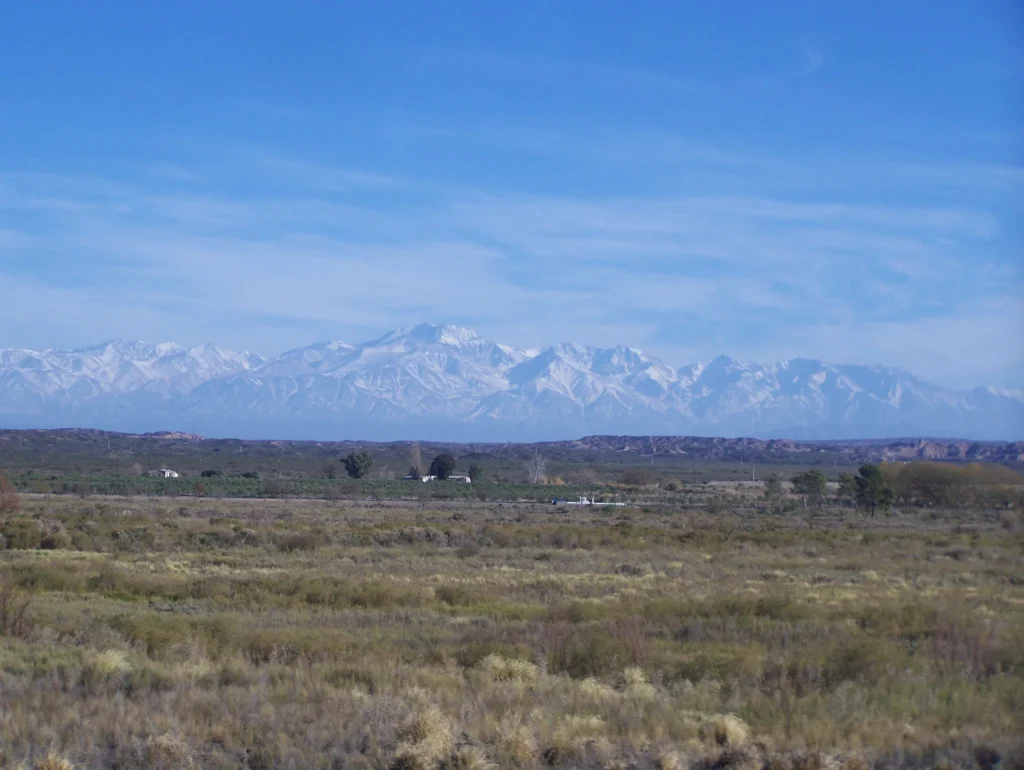
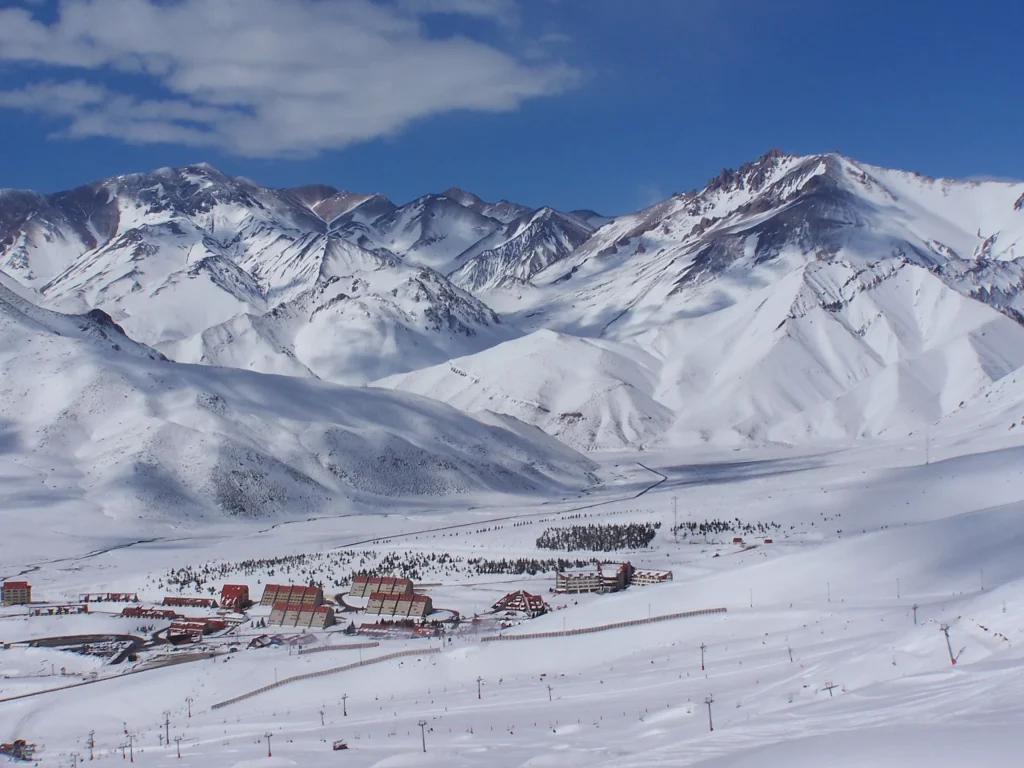
The Uco Valley pairs Mendoza wine country with expansive Andean scenery by Cornelius Kibelka from Berlin, Germany, CC BY-SA 2.0.
.jpg)
More bookable experiences
Three tours to compare
Review current provider details before booking. Discover Andes may earn a commission at no extra cost to you.
Continue exploring
More practical guides selected from the Discover Andes library.
The Andes by Night Guide
Plan an evening or overnight journey into Argentina’s high Andes, with practical guidance on Salta and Jujuy gateways,…

The Andes Girls Trip Guide
Plan an Andes girls trip in Argentina with practical comparisons of Mendoza, Jujuy, El Calafate, and El Chaltén,…

The Andes First Night Guide
Use Mendoza as a practical first-night base for Argentina’s central Andes, then prepare for Aconcagua, Horcones, Puente del…
Rainbow Mountain Day Trip Guide
Plan a day trip from Humahuaca to Argentina’s Rainbow Mountain, Serranía de Hornocal, with practical advice on transport,…