
Ollantaytambo Guide
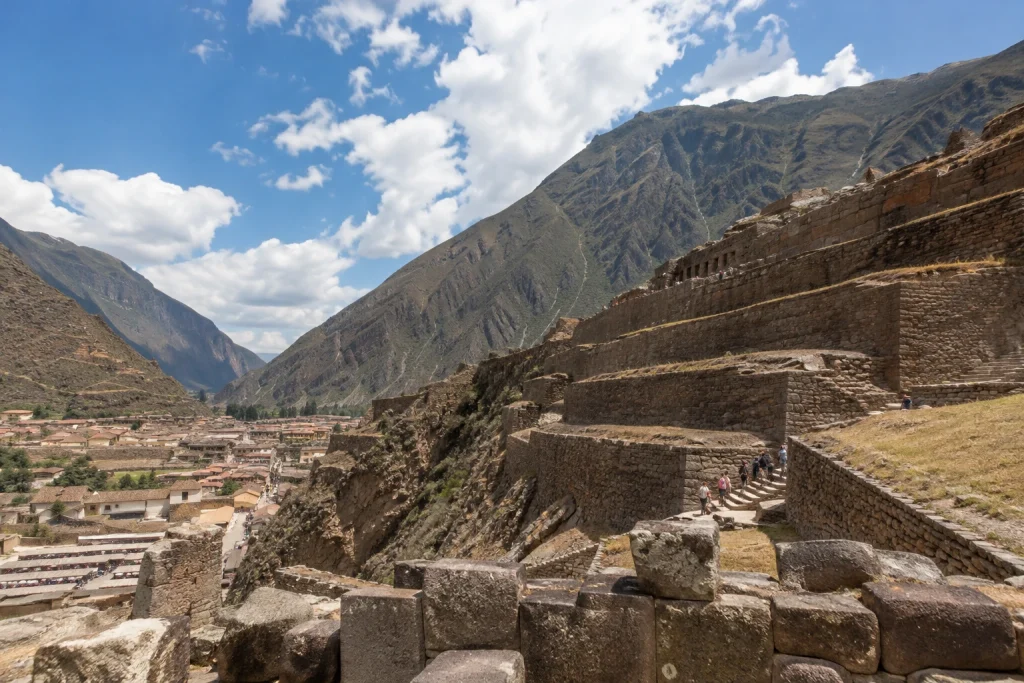
Ollantaytambo is in Peru’s Sacred Valley, in the Cusco area, not Argentina. It works well as a rail departure point for Machu Picchu and as a base for choosing between an uphill archaeological walk in town and a longer outing beyond it. Put confirmed train and entry arrangements first, then give yourself time to explore at a pace that suits your plans.
- Consider staying overnight before an early Machu Picchu train. The first listed 2026 departure is 05:05.
- Check PeruRail’s latest station-access instructions before arranging a pickup or transfer.
- Choose Pinkuylluna for a steep, on-foot route from town; Perolniyoq is a longer, rugged outing from Socma.
- Match your Machu Picchu admission time to your train arrival, and check current ticket rules before booking.
- Allow for road-transfer differences if your group is travelling in a large coach.
Why make time for Ollantaytambo?
Ollantaytambo deserves more than a hurried transfer if your schedule allows. Its location in Peru’s Sacred Valley makes it a practical stop for travellers heading to Machu Picchu by train, while Pinkuylluna offers an archaeological outing that begins on foot in town. The more demanding Perolniyoq route makes a separate excursion. Choosing one of these walks around your transport plans is easier than trying to squeeze both into a short stop.
For a broader route, use the town as one part of a Sacred Valley and Machu Picchu plan rather than treating it as an isolated stop. A Practical Machu Picchu and Sacred Valley Itinerary can help you arrange the wider sequence. Keep the train and Machu Picchu entry time at the centre of the plan, then fit local walks around those fixed commitments.
Plan the Ollantaytambo–Machu Picchu train carefully
PeruRail’s May–December 2026 timetable lists multiple services from Ollantaytambo to Machu Picchu. The first listed departure is at 05:05, arriving at 06:37; other listed departures continue through 21:00. Treat these as planning times, not guarantees. PeruRail notes that schedules can change for operational reasons, so check the details for your travel date before building the rest of the day around a particular train.
Choose a service that fits your Machu Picchu entry time, not just the hour you would prefer to leave town. Allow time for the station process and the onward visit, and avoid making a demanding walk the same morning as a tightly timed departure. If your itinerary depends on a particular connection, check rail operations again shortly before travel and keep a little flexibility around the journey.
Late departures need a separate check. The timetable lists a 21:00 train, while PeruRail’s station information lists station hours ending at 21:00. If you have a late service, confirm check-in and station-entry timing directly with the operator rather than assuming the listed departure time explains when to arrive.
Stay overnight before an early train
For the earliest listed train, staying in Ollantaytambo the night before is the lower-stress choice. PeruRail lists the station as opening at 04:15, just 50 minutes before the 05:05 departure. That leaves little margin for a same-morning transfer from elsewhere in the Sacred Valley or from Cusco. Sleeping nearby removes one early road journey from an already early start.
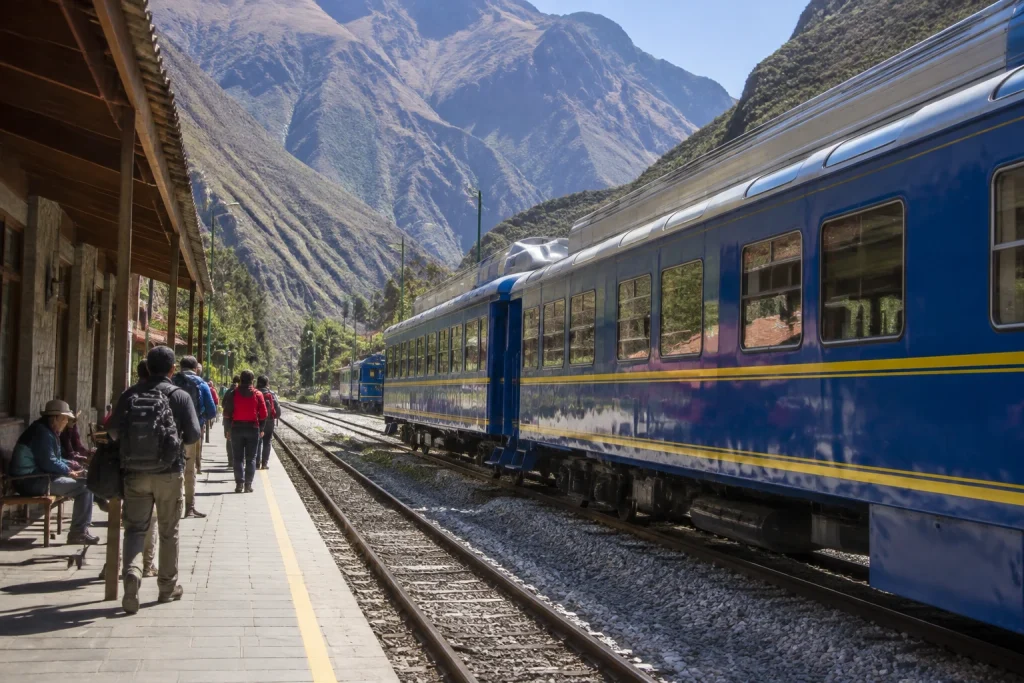
An overnight also gives you more room to separate the train connection from a steep archaeological walk. If you have just arrived at elevation, avoid making an ambitious outing the one thing standing between you and a fixed departure. Altitude in the Andes: A Plain-English Acclimatisation Guide is useful preparation for deciding how to pace walks in the region.
Check station access and road-transfer details
Check your service’s latest station-access instructions before setting a pickup point. PeruRail announced changes to bimodal-service schedules and access routes beginning April 13, 2026, for approximately eight months. The notice could affect 2026 arrivals, particularly services that include a bimodal segment, so follow the current operator guidance for your specific booking rather than relying on an old meeting-point plan.
Large-group road transfers need extra coordination. Municipal rules restrict large vehicles, including interprovincial buses with more than 25 seats, from using the relevant route through Ollantaytambo’s urban area; those vehicles must use the bypass. Ask your transfer provider to clarify the meeting or drop-off arrangement if you are travelling by coach. Do not assume a large bus will follow the same route as a smaller vehicle.
The municipal tourism office is listed at Plaza de Armas S/N in Ollantaytambo, making it a possible local stop for visitor information. Check current operating details before relying on a visit, especially if you arrive outside the middle of the day or have a train to catch.
Match Machu Picchu tickets to your train
Plan Machu Picchu admission and rail travel as one connected booking decision. Start with the official TuBoleto Cultura ticketing channel and check the current purchasing instructions. Online purchasing terms have used a Joinnus account. Before paying, confirm the available circuit, entry time, and ticket availability, then make sure your chosen train works with that entry slot.
Build your budget around the exact dates and options you plan to use. Rail class, visitor category, Machu Picchu circuit, and entry time can affect the total, as can admission to archaeological sites. Check live prices for the specific combination before you commit, rather than relying on an old screenshot or a single headline fare.
Choose a walk by its difficulty
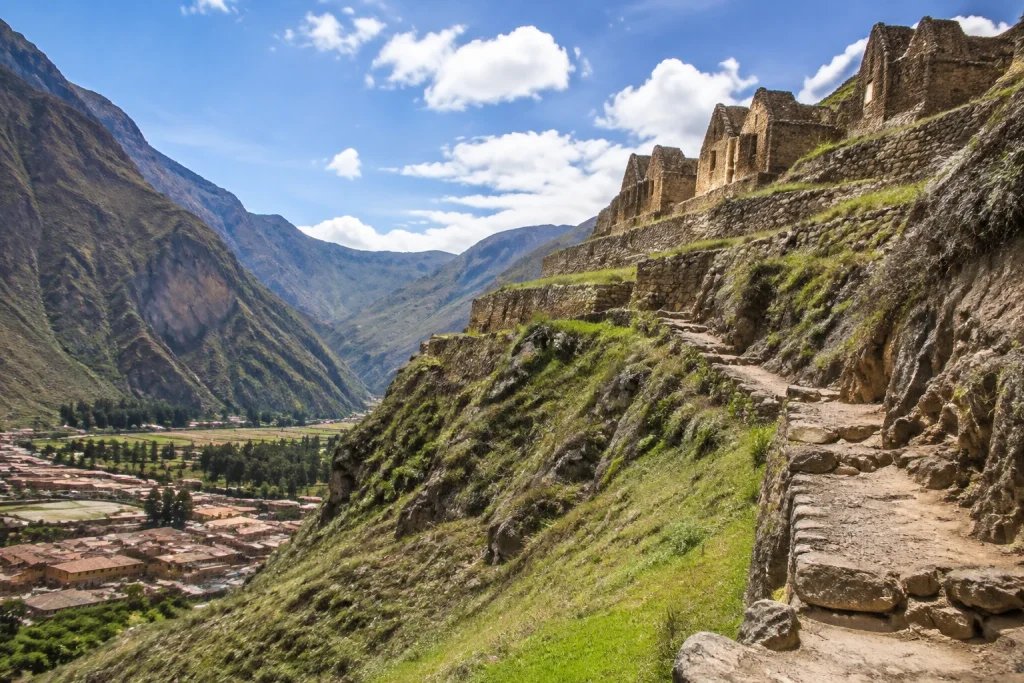
Pinkuylluna is the more direct in-town option. Its pedestrian access begins in Qosqo Ayllu, and the route climbs to about 3,350 metres above sea level. Perolniyoq is a different kind of outing: reach Socma first, then take on a longer, steep and rugged approach. Pick according to the effort you want and the time available, not simply which name fits most neatly into a free afternoon.
| Outing | Best fit | What to plan for |
|---|---|---|
| Pinkuylluna | A steep archaeological walk from town | Pedestrian access begins in Qosqo Ayllu; the site is about 3,350 metres above sea level. |
| Perolniyoq | A longer excursion for prepared hikers | Reach Socma first, then allow for a steep, rugged 3.5–4 km horse-trail approach. |
Treat Pinkuylluna as a steep, on-foot archaeological outing, not as a step-free visit. Perolniyoq is a poor fit for limited mobility or anyone seeking a short, easy walk. Wear footwear suited to uneven ground, pace yourself, and leave enough time to return without rushing. The routes have different access and effort demands, so check local arrangements before setting out.
Pinkuylluna’s elevation makes pacing especially important if you have only recently arrived in the Andes. Give yourself time to acclimatise before tackling a steep route, and make the walk the main activity for that part of the day. The altitude guide linked above offers plain-English context for planning exertion at elevation.
Build a practical one- or two-night plan
Keep the fixed transport pieces separate from the walks. One overnight before an early train can make the departure easier to manage. A second night gives you more flexibility to choose an archaeological outing without trying to fit it around a dawn transfer or a tight connection.
- On arrival, settle in and check the latest station-access or transfer instructions for your service.
- If your next train is early, stay overnight in Ollantaytambo rather than relying on a same-morning transfer from elsewhere in the region.
- Choose Pinkuylluna for a steep in-town walk, or set aside a separate outing for Perolniyoq and its approach from Socma.
- Before the Machu Picchu rail day, confirm your admission circuit and entry time against the booked train.
- Keep the rail departure morning clear of other fixed plans and recheck the service before travel.
This sequence leaves room to adapt if a route feels too demanding or a transfer arrangement changes. Protect the train and admission bookings first, then treat walks as flexible activities. If your group is travelling by a large coach, factor in the bypass rule when agreeing where to meet your driver.
Is Ollantaytambo worth staying in?
Yes, especially if you have an early Machu Picchu train or want time for an archaeological walk without turning it into a transfer-day race. The main limitation is that nearby outings can be steep, and station or road arrangements need attention around fixed departures. Stay overnight before an early train, choose the walk that fits your ability, and confirm the current rail and ticket details before you travel.
Frequently asked questions
Where is Ollantaytambo?
Ollantaytambo is in Peru’s Sacred Valley, in the Cusco area. It is not in Argentina.
Is it worth staying overnight in Ollantaytambo before Machu Picchu?
Yes, an overnight stay is the lower-stress choice for an early train. The first listed May–December 2026 departure is 05:05, and the station is listed as opening at 04:15.
What time is the first train from Ollantaytambo to Machu Picchu?
The first listed PeruRail departure in the May–December 2026 timetable is 05:05, with a listed arrival at 06:37. Schedules can change for operational reasons, so check your service before travel.
Should I visit Pinkuylluna or Perolniyoq?
Choose Pinkuylluna for the more direct in-town walk, or Perolniyoq for a longer, rugged outing from Socma. Pinkuylluna is steep and reached on foot from Qosqo Ayllu; Perolniyoq has a steep, rugged 3.5–4 km horse-trail approach.
How do I buy Machu Picchu tickets when staying in Ollantaytambo?
Start with the TuBoleto Cultura ticketing channel and check its live purchasing instructions. Online purchasing terms have used a Joinnus account; confirm current circuits, entry times, availability, and prices before pairing a ticket with your train.
Can a large coach drive through Ollantaytambo?
Large vehicles, including interprovincial buses with more than 25 seats, are restricted from the relevant route through the urban area and must use the bypass. Confirm the meeting or drop-off arrangement with your transfer provider.
More bookable experiences
Three tours to compare
Review current provider details before booking. Discover Andes may earn a commission at no extra cost to you.
Continue exploring
More practical guides selected from the Discover Andes library.
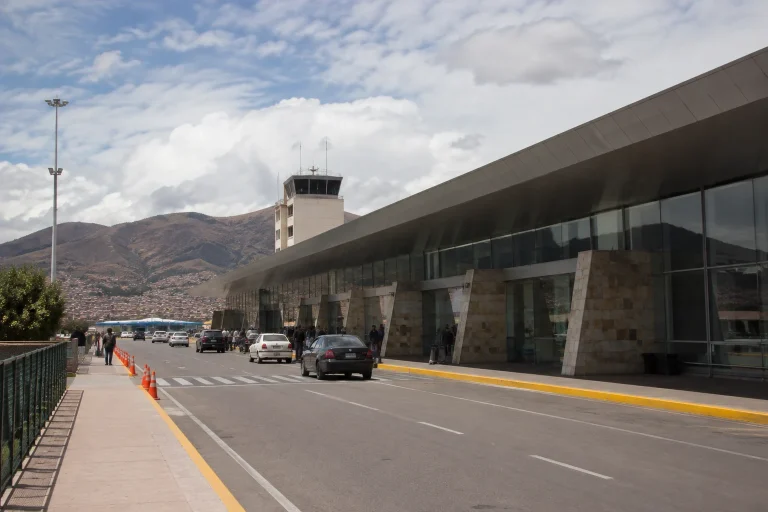
Cusco Airport Layover Guide
Planning a layover at Cusco Airport? Learn when to stay at the terminal, how to approach a focused…

Arequipa Travel Guide
Plan a thoughtful visit to Arequipa, Peru, with a focus on its UNESCO-listed historic centre, practical road-trip checks,…
Cusco Travel Guide
Plan a Cusco, Peru trip around Machu Picchu with clear advice on choosing circuits, booking official tickets, building…

Inca Trail to Machu Picchu Guide
Plan the regulated Inca Trail to Machu Picchu in Peru with clear advice on Km 82 and Km…