Best The Andes Food Tours
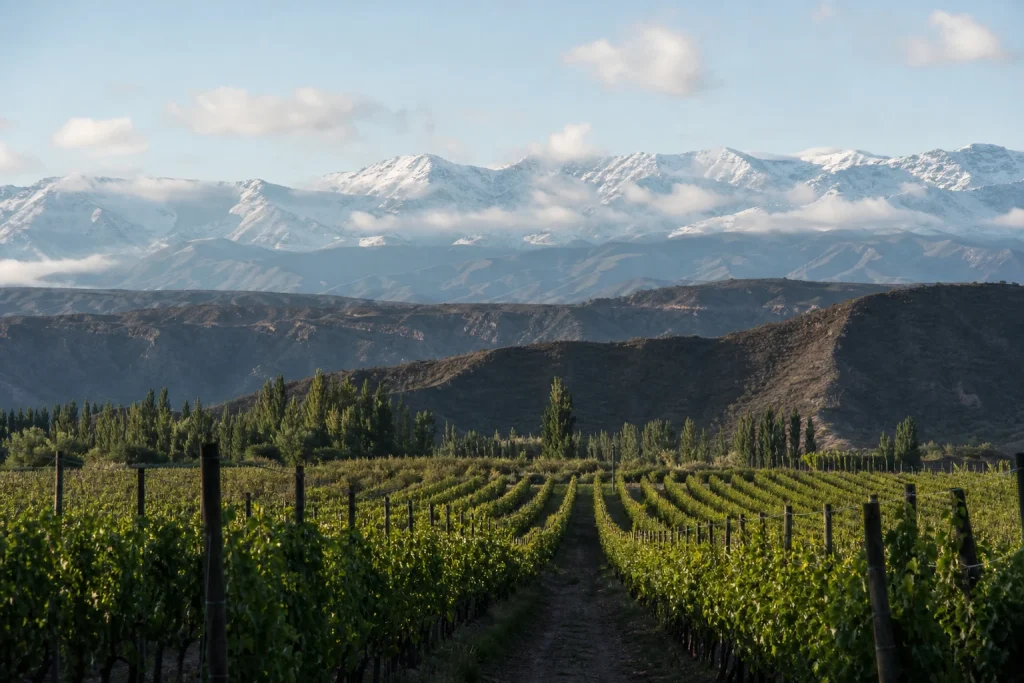
The best Andes food tours in Argentina begin with a useful choice: vineyard dining in Mendoza, regional cooking and folklore in Salta, or a slower high-altitude wine route around Cafayate. Each brings mountain scenery to the table, yet the experiences are distinct. Choose the format that suits your appetite and available days, rather than trying to force every flavor into one rushed itinerary.
- Choose Mendoza for the strongest wine-led itinerary, with winery visits, restaurants, and vineyard experiences near the Andes.
- Choose Salta city for empanadas, locro, humitas, tamales, and evenings shaped by folklore peñas.
- Choose Cafayate for high-altitude vineyards, regional cuisine, and the winding landscapes of the Calchaquí Valleys.
- Allow 3–5 days for Mendoza or 2–3 days for Salta city if food is a central part of the trip.
- Compare itemized quotes before booking so transport, tastings, meals, gratuities, and cancellation terms are clear.
Choose the Food-Tour Format Before You Book
Argentina’s western provinces deliver different versions of Andes food travel. Mendoza is built around wine country and long meals among vines. Salta city puts traditional northwestern dishes within an easy urban base. Cafayate extends the wine-and-food idea into the Calchaquí Valleys, while a wider Salta-Jujuy trip offers the deepest look at regional ingredients and corn-based cooking.

Cooking Class with Empanadas Steak & Flan by Argentine Experience
Experience the vibrant culinary culture of Buenos Aires with our unique Asado or Argentine cooking class in the heart of Palermo. Unlike typical cooki...

Argentine Cooking, Wine & Beef Tasting at Argentine Experience
This experience stands out by transforming a traditional dinner into an immersive, interactive journey through Argen...

Gaucho Small-Group Full Day at a Farm in Buenos Aires
Enjoy a small-group tour from Buenos Aires to San Antonio de Areco and have a chance to see the pampas as you drive...

Gaucho Day Tour Ranch at an Estancia from Buenos Aires
Enjoy a full-day, shared tour and visit the town of San Antonio de Areco , which is one of the most traditional in t...
| Your priority | Best choice | What the experience centers on | Planning pace |
|---|---|---|---|
| Winery visits and vineyard restaurants | Mendoza | Wine-focused tastings, restaurants, and vineyard experiences | Allow 3–5 days |
| Traditional northwestern dishes and evening culture | Salta city | Empanadas, locro, humitas, tamales, asado, and folklore peñas | Allow 2–3 days |
| High-altitude wine country and mountain roads | Cafayate | Vineyards, farms, wineries, regional dishes, and the Salta Wine Route | Plan a slower, transport-dependent stay |
| A broad northern food story | Salta-Jujuy route | Andean and Creole cooking, corn dishes, potatoes, pumpkin, charqui, and llama meat | Build a multi-stop itinerary |
Mendoza: Best Overall for Wine-Led Andes Food Tours
Mendoza is the clearest choice for travelers who picture an Andes food tour as a day of vineyard visits followed by a lingering restaurant meal. The province is one of Argentina’s major wine destinations, and its food experiences are closely tied to wineries and the dramatic mountain backdrop. This is a culinary trip led by wine country rather than a street-food crawl.
Build your days around Luján de Cuyo and Valle de Uco, two areas identified for wineries, restaurants, and vineyard experiences. A well-paced itinerary leaves room for the setting as well as the tasting: gravel lanes, vine rows, dry mountain light, and a meal that is part of the day rather than a hurried stop between appointments.
- Choose an organized winery tour if you want transport handled around a tasting-focused day.
- Choose a bicycle outing if a closer-to-the-vines, self-paced visit suits your group and route.
- Consider the tourist bus for access to winery areas without building the day around private transport.
Francisco Gabrielli, also called El Plumerillo, is Mendoza’s airport. The recommended 3–5-day stay gives enough breathing room for winery visits without turning every meal into a timed transfer. Mendoza’s temperate-weather windows run from March to June and September to December. June through August is the province’s snow-oriented season, which suits a different style of Andes trip.
Altitude changes substantially between Mendoza city and other parts of the province. Keep the first day sensible if your plan reaches higher terrain, hydrate, and leave space to acclimatize. If mobility access or a serious food allergy affects your choice, confirm the vehicle, winery facilities, and meal arrangements with the specific operator and restaurant before booking.
Salta City: Best for Traditional Dishes and Folklore Evenings
Salta city is the strongest choice for travelers who want the flavors of northwest Argentina close at hand. Its signature dishes include empanadas, locro, humitas, tamales, asado, and tortillas al rescoldo. These are filling, regional foods with clear Andean and Creole roots, often centered on corn, slow cooking, and ingredients designed for a hearty table.
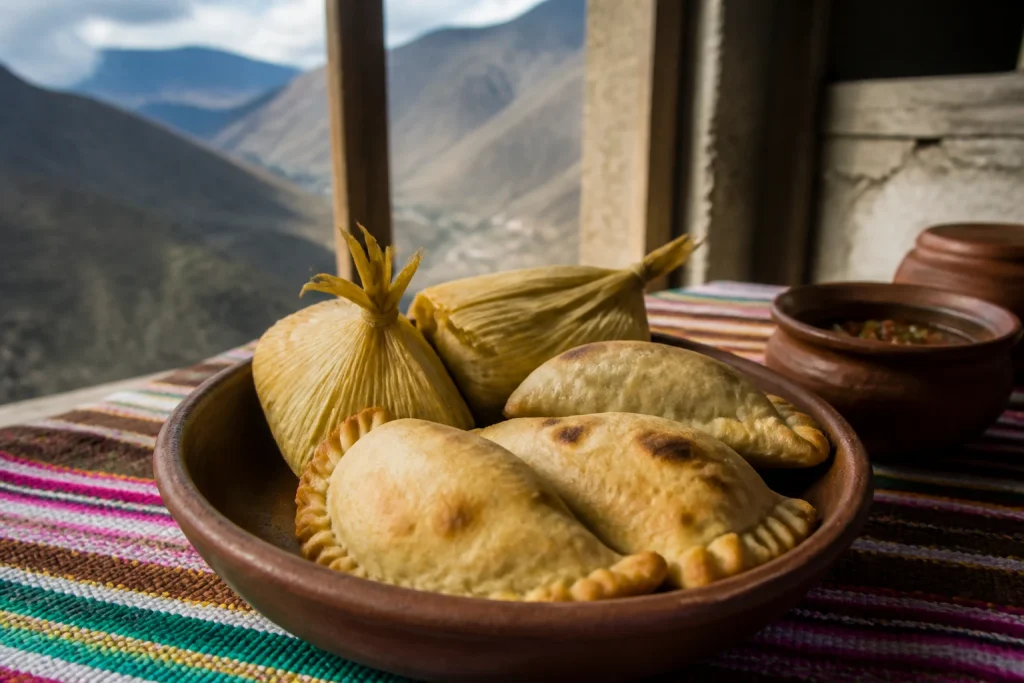
Give one evening to Balcarce Street, known for folklore peñas. The appeal is the pairing of local dishes with live music and a social night out, rather than a formal vineyard tasting schedule. Salta works especially well for visitors who want to taste regional classics, then return to the same city base after dinner.
General Martín Miguel de Güemes International Airport serves Salta, and the city also has long-distance bus connections. Two to three days is a useful amount of time for a city food break. At 1,152 meters above sea level, Salta is a practical base before deciding if higher-elevation travel in the wider northwest belongs on the itinerary.
Pack layers for Salta’s substantial temperature changes. Keep your dining plan flexible enough to enjoy a long lunch or an unhurried peña evening, especially if food and music are the reason you chose the city in the first place.
Cafayate: Best for High-Altitude Vineyards and a Slower Wine Route
Cafayate is the choice for travelers who want food, wine, and mountain landscapes to unfold over a longer route. The Salta Wine Route runs through the Calchaquí Valleys, linking farms, vineyards, wineries, typical dishes, and winery stays. It has a more rural, road-trip character than the compact food experience of Salta city.
Plan winery visits around regional meals and add the Museo de la Vid y el Vino for context on the area’s wine culture. The route’s appeal lies in connecting the glass to the landscape: high-altitude vines, broad valleys, and the changing forms of the surrounding mountains.
Cafayate rewards a patient itinerary. Its zig-zagging mountain roads make transport a central part of the experience, so a guided route, arranged driver, or well-organized independent plan is more useful here than a tightly scheduled city-based food tour. Give yourself time to enjoy the landscapes between stops.
Build a Salta-Jujuy Route for the Broadest Northern Food Story
A Salta-Jujuy itinerary gives the broadest introduction to northern Argentine cooking. The region’s food reflects Andean and Creole traditions, with empanadas, tamales, humitas, locro, calapurca, Andean potatoes, pumpkin, charqui, llama meat, and other corn-based dishes all part of the culinary picture.
Treat this as a multi-stop food journey rather than a single all-inclusive tour. Begin in Salta for easy access to regional dishes and folklore evenings, then extend the trip when you have time to explore a wider northern landscape. That approach lets each meal belong to its setting instead of reducing the region to a quick tasting checklist.
This route suits curious eaters who value culinary context as much as convenience. It works best when you are happy to combine city dining, valley travel, and regional ingredients over several stops. Mendoza remains the more direct pick for wine-led touring; northern Argentina is the richer choice for a wider range of Andean dishes.
How to Book an Andes Food Tour Without Unwelcome Surprises
Start with one priority: vineyard dining, Salta’s classic dishes, Cafayate’s wine route, or a longer northern food itinerary. That decision determines the right base and transport style. A Mendoza day can work well with a guided tour, bicycle outing, or tourist bus, while Cafayate calls for more attention to how you will move through the mountain route.

Prices vary by date, package, group size, and what the day includes. Ask for an itemized written quote that separates transport, tastings, a winery lunch or other meal, gratuities, and cancellation terms. It is the simplest way to compare two attractive-looking itineraries that deliver very different amounts of food, wine, and driving.
- Confirm the meeting point, start time, and where the experience ends.
- Check which tastings and meals are included, and what is optional.
- Ask about the transport plan, especially for a Cafayate or wider northern route.
- Share dietary requirements before booking and confirm that the planned meal can accommodate them.
- Confirm mobility arrangements directly if step-free access or an accessible vehicle is essential.
For Mendoza, March through June and September through December are the preferred temperate-weather periods. Match the timing to the kind of trip you want, then avoid overfilling the first days if higher elevations are part of the plan. A plain-English altitude acclimatisation guide for the Andes is useful reading before joining a city stay to mountain travel.
The best Andes food tour is the one that gives your chosen region enough time. Book Mendoza for a wine-centered escape with vineyard meals, choose Salta for traditional dishes and music-filled evenings, or head to Cafayate for a slower high-altitude wine journey. For the fullest northern pantry, build a Salta-Jujuy itinerary and let the route set the pace.
Frequently asked questions
What is the best overall Andes food tour destination in Argentina?
Mendoza is the best overall choice for a wine-led Andes food trip, thanks to its winery visits, vineyard experiences, and restaurants in areas such as Luján de Cuyo and Valle de Uco. It is best for travelers who want food and wine in a vineyard setting.
Which destination is best for traditional Andean dishes in Argentina?
Salta city is the best base for traditional northwestern dishes, including empanadas, locro, humitas, tamales, asado, and tortillas al rescoldo. Its folklore peñas on Balcarce Street also add a strong evening-food dimension.
Is Cafayate worth adding to a food-focused trip?
Yes, Cafayate is worth adding if high-altitude vineyards, regional cuisine, and mountain-road scenery are priorities. The Salta Wine Route combines farms, wineries, typical dishes, winery stays, and the Museo de la Vid y el Vino in the Calchaquí Valleys.
How many days should I allow for Mendoza or Salta?
Allow 3–5 days for Mendoza and 2–3 days for Salta city when food is a central focus. This leaves room for meals and cultural experiences without trying to squeeze every stop into a single day.
Do I need a guide for an Andes food tour?
A guide is useful for tasting-focused days in Mendoza and can simplify transport on Cafayate’s mountain roads. Mendoza also offers bicycle outings and a tourist bus for winery areas, so the best setup depends on your preferred pace.
How much do Andes food tours cost?
Prices vary by date, provider, group size, and inclusions. Compare itemized written quotes that clearly separate transport, tastings, meals, gratuities, and cancellation terms before committing.

Local Foodie Adventure in Buenos Aires with Sherpa Food Tours
We begin at a cozy, hidden deli with mouth-watering empanadas and pizza, one of the best pizza you'll ever have! The next stop will be a very cool sp...

Intimate Underground Tango Show by Secreto Tango Society
Experience tango like never before in an intimate, unscripted performance that brings you face-to-face with the soul...

Buenos Aires Small-Group City Tour
This service is unique due to its specific characteristics: small groups of people per tour, one language per vehicl...

All Day, Small Group, Luxury Wine Tour with Gourmet Lunch
This is a luxury, small group (nine people) wine tour of Mendoza´s fine wine region. We spend the day visiting...

Buenos Aires Private City Tour with Local Guide
Enjoy an Exclusive Private Tour of Buenos Aires Discover the best of Buenos Aires with our exclusive private city tour, designed to offer you a unique...

Full Day Iguassu Falls Both Sides - Brazil and Argentina
Get to know the Brazilian and Argentinean Falls in a day and marvel at this natural phenomenon in different perspect...

Authentic Rooftop Asado Experience with Argentine Wine Pairing
VIATOR AWARDS 2025 - MEJORES EXPERIENCIAS GASTRONOMICAS EN EL MUNDO - IG:terracita_asado_bbq
Perito Moreno Glacier Full Day Tour with Optional Boat Safari
Be seduced by the fascinating landscape of the Perito Moreno glacier on this full-day tour from El Calafate. Admire...
More bookable experiences
Three tours to compare
Review current provider details before booking. Discover Andes may earn a commission at no extra cost to you.
Continue exploring
More practical guides selected from the Discover Andes library.
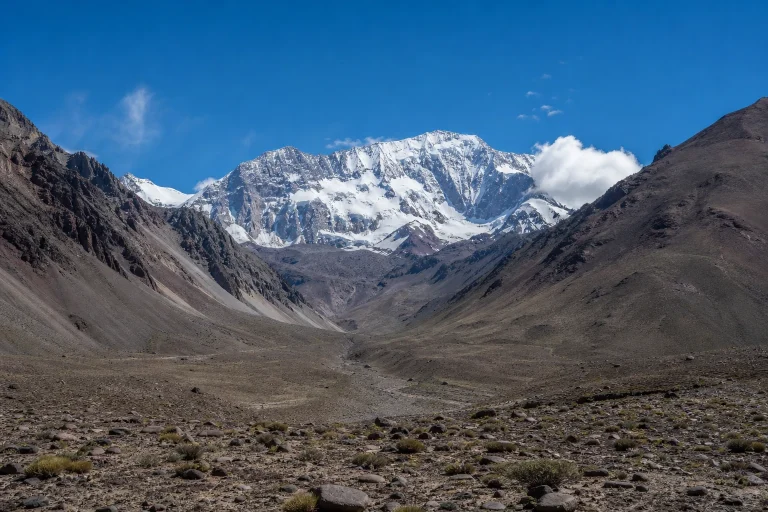
The Andes Neighborhoods Guide
Choose the right Argentine Andes base for your trip, from Mendoza’s wine-country city rhythm to northern highland gateways,…
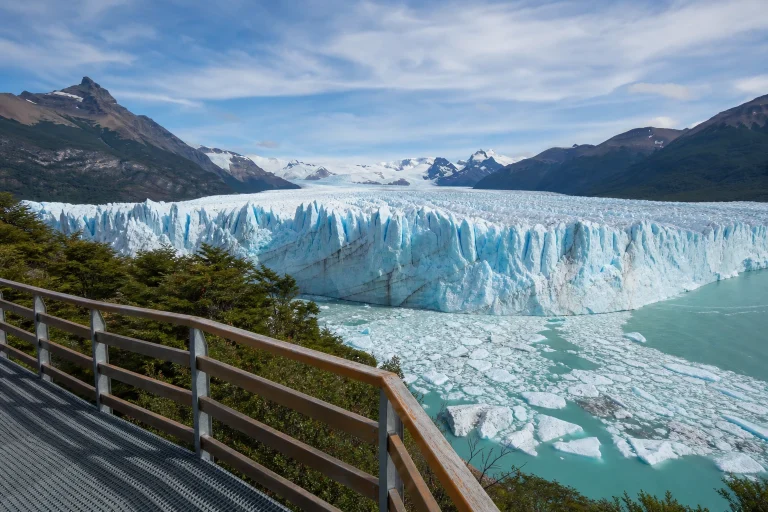
Best Parks and Gardens in The Andes
Plan a nature-focused stop in the Argentine Andes with this practical guide to Los Glaciares National Park, including…
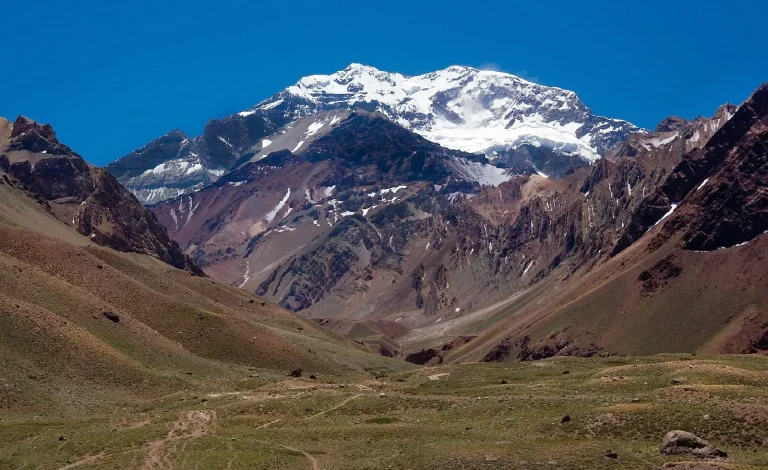
The Andes Spring Travel Guide
Plan a rewarding Argentina Andes trip in spring with a practical choice between Mendoza’s wine country and Jujuy’s…
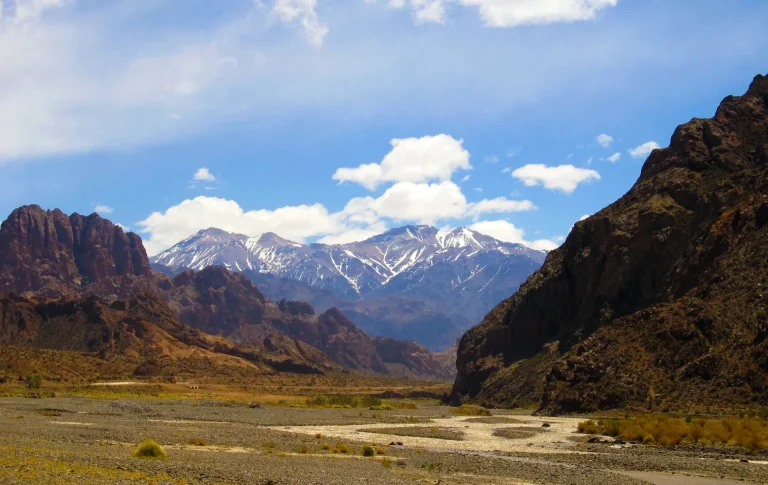
The Andes Weather by Month
Plan an Argentine Andes trip month by month, with clear distinctions between Mendoza’s foothills, the high Andes, winter…