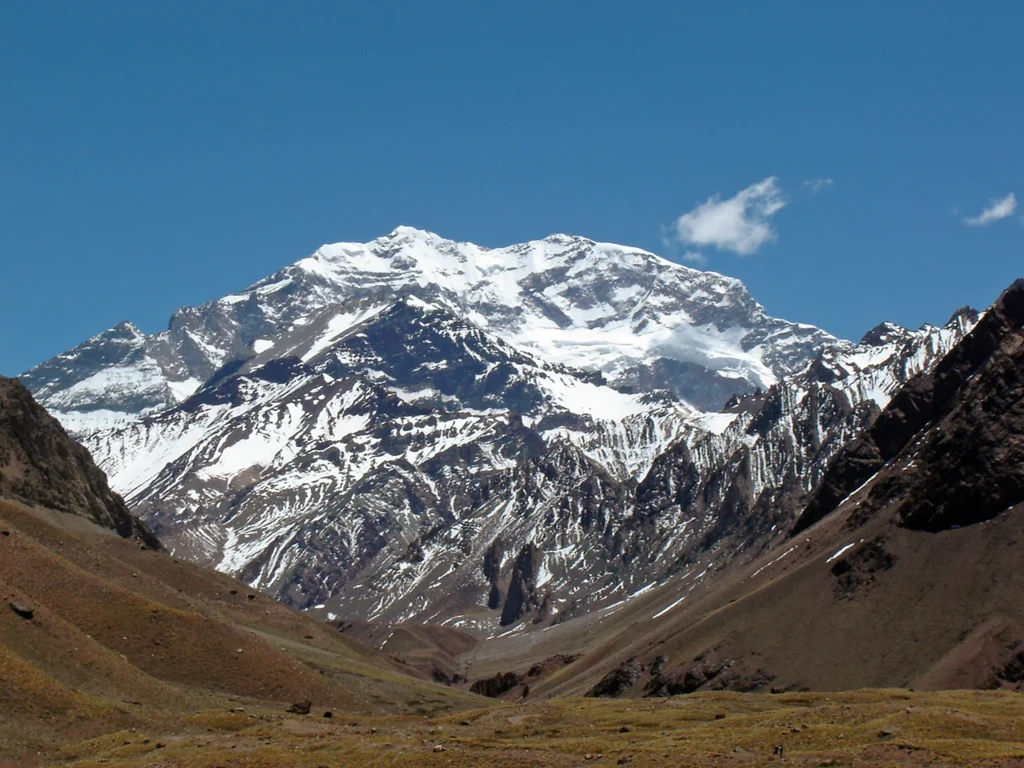
The Andes Packing List
An Andes packing list for Argentina should begin with your exact route, not a single forecast or a bulky coat. The country’s northern mountains can be warmer with sharp temperature shifts between day and night, while the southern Andes are colder and receive winter snow. Elevation, latitude, season, and activity all change what belongs in your bag.
- Build a flexible clothing system with a base layer, insulation, and a windproof or waterproof outer layer.
- Pack sunscreen and a cap or sun hat for mountain days, including high-elevation routes.
- Choose sturdy walking or trekking footwear with secure grip rather than relying on casual street shoes.
- Add warm, activity-appropriate clothing for Mendoza’s June-to-September snow season.
- Treat high-altitude crossings and Aconcagua plans as specialized trips, with extra insulation, hydration capacity, and time flexibility.
Start with your route, elevation, and travel dates
Argentina’s summer runs from December 21 to March 20, autumn from March 21 to June 20, winter from June 21 to September 20, and spring from September 21 to December 20. Those dates are useful, but they do not produce one Andes weather pattern. A northern high-desert drive, a Mendoza ski break, and a southern trekking itinerary can call for very different gear during the same season.
Before packing, write down the highest point on your itinerary, the number of nights away from a town, and the activities you have actually booked. A scenic roadside stop needs a small day kit. A multi-day crossing, snow trip, or technical mountain objective needs a more conservative plan. This simple distinction prevents both overpacking and underpreparing.
Match your kit to the kind of Andes trip
- Northern high-desert sightseeing: prioritize breathable layers, a protective outer jacket, sun coverage, water capacity, and grippy walking shoes.
- Mendoza snow travel: bring warm clothing designed for the activity, then add a weather-resistant outer layer and insulated accessories.
- Southern Andes trekking: keep the layer system adaptable and favor sturdy footwear, with enough room in your day bag for water, spare warmth, and weather protection.
- High-altitude crossings or climbs: increase your insulation, hydration capacity, sun protection, and backup clothing rather than relying on a light sightseeing kit.
Build a core clothing system that works across the Andes
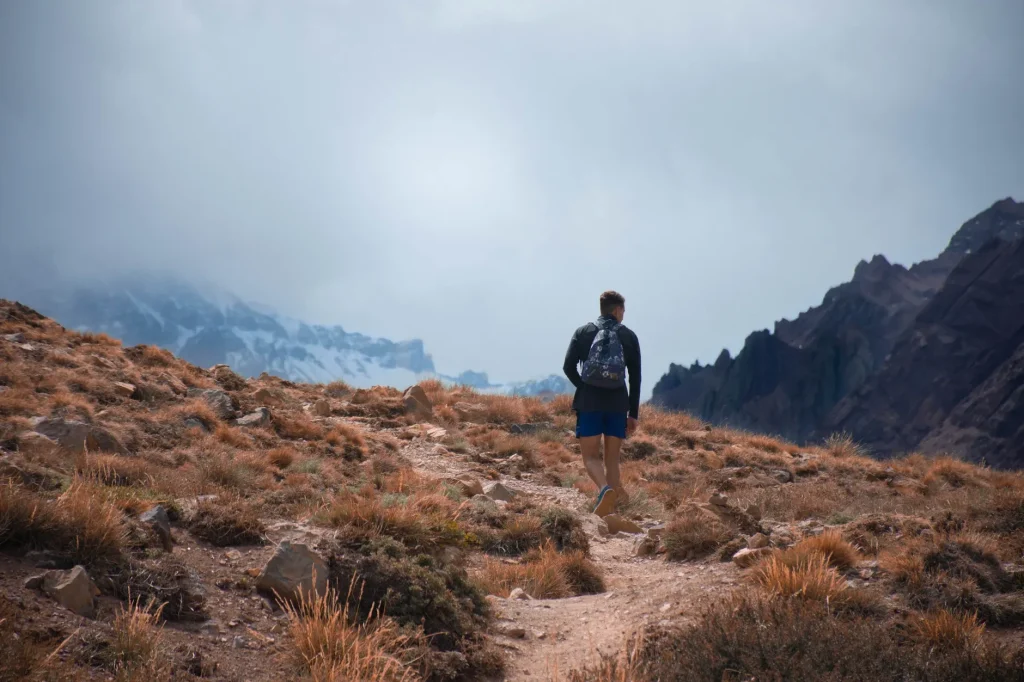
Layers are more useful than one oversized garment because mountain temperatures can change sharply through the day. Start with a comfortable next-to-skin layer, add an insulating fleece or similar warm layer, and carry a windproof or waterproof shell. This lets you adjust while walking, resting, riding in a vehicle, or waiting at a viewpoint without turning your bag into a closet.
| Packing category | What to bring | Why it earns space in your bag |
|---|---|---|
| Base layer | Long-sleeve top and comfortable lower layer | Useful for cool starts, high elevations, and adding warmth without excessive bulk. |
| Insulating layer | Fleece, wool, or another warm mid-layer | Gives you a quick warmth adjustment when temperatures fall. |
| Outer shell | Windproof or waterproof jacket | Provides a practical barrier for exposed mountain conditions. |
| Sun protection | Sunscreen, cap or wide-brim hat, and sunglasses | High-elevation days require reliable protection from strong sun exposure. |
| Day-carry essentials | Water, snacks, spare warmth, and personal medication | Keeps the items you need most close at hand during long drives, walks, and higher routes. |
Keep the system simple enough to use. Put your shell and warm layer near the top of your day bag instead of compressing them beneath evening clothes. Bring a separate dry pouch for electronics, travel documents, and medication. If your plans include town days as well as trails, choose pieces that can be worn in both settings and save the specialized gear for the activities that genuinely require it.
Add sun protection in every season
Sunscreen and a cap are core Andes items, not warm-weather extras. Official guidance for the 4,500-meter Andean Crossing specifically calls for sunscreen, a cap, and warm layers because of substantial temperature changes. Pack sun protection where you can reach it, along with sunglasses that stay secure when you are walking or riding in an open vehicle.
A long-sleeve shirt can provide more dependable coverage than repeatedly applying sunscreen to shoulders and arms. Pair it with a hat that will not blow away easily. The goal is not to dress for a single temperature, but to stay comfortable during exposed stretches while keeping a warm layer ready for later in the day.
Choose footwear and bags for the ground you will cover
For walking in the Andes, prioritize secure trekking grip. Sturdy trekking shoes are a better default than casual sneakers for uneven paths, rocky viewpoints, and days with changing conditions. Break in any new footwear before your trip, then bring socks you have already tested for a full day of walking. A small blister kit is a sensible addition to your personal supplies.
Use one comfortable day bag for daily water, layers, sun protection, snacks, and valuables. For multi-day routes, follow the baggage guidance supplied by your guide, lodge, or transport provider rather than assuming that every item can travel with you on the trail. Keep your essential warm layer, water, documents, and medication in the bag that stays with you.
Use a separate checklist for high altitude and Aconcagua
High-altitude travel deserves a distinct packing plan. The Mendoza and San Juan Andean Crossing reaches about 4,500 meters, has a dry climate with large temperature swings, and typically takes roughly seven to 10 days. Carry extra insulation, a dependable shell, sun protection, and ample water capacity. Leave margin in your plan for physical exertion and changes to an ambitious mountain itinerary.
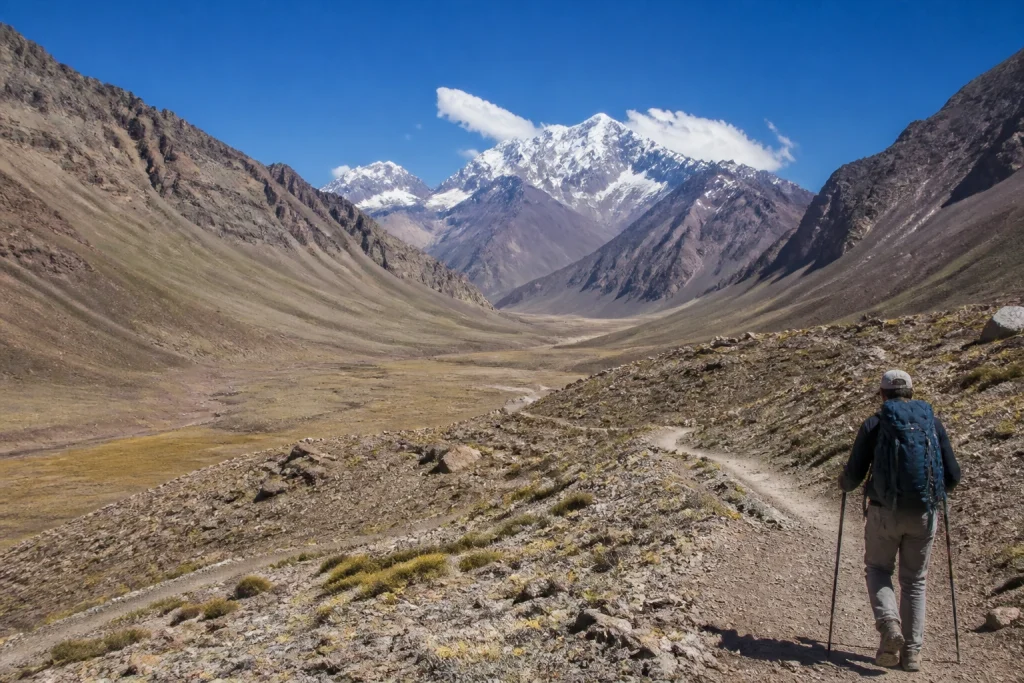
Altitude sickness is a concern on very high trails around Aconcagua and elsewhere in the Andes. Learn the symptoms before departure and give yourself time to adjust to elevation. Travelers with conditions such as diabetes or high blood pressure should speak with a clinician before high-altitude travel. For a fuller preparation plan, read Altitude in the Andes: A Plain-English Acclimatisation Guide before setting out.
- A warm insulating layer that remains easy to access during the day.
- A windproof or waterproof shell sized to fit over your other layers.
- Sunscreen, a cap or hat, and secure sunglasses.
- Extra water capacity and familiar snacks for long mountain days.
- Personal medication, a basic first-aid kit, and a protected pouch for documents and electronics.
Aconcagua is its own category
Aconcagua Provincial Park is not a casual extension of a Mendoza city break. Horcones sits at about 2,800 meters, while Aconcagua rises to 6,962 meters. The park is reached on National Route 7, about 185 kilometers from Mendoza city. Its operating season is listed as November through March, and climbing calls for technical mountain clothing. A general park visit is typically two to five days, while specific tours need more time.
Pack warmer gear for Mendoza snow trips and long crossings
Mendoza’s high-mountain snow season runs from June through September, with July and August highlighted for skiing. Bring warm, activity-appropriate clothing and do not rely on a city outfit for a day in snow conditions. An insulated layer, a protective outer shell, warm socks, gloves, and a hat form a useful starting point, then adjust the rest of your kit to your chosen snow activity.
For an Andean Crossing or another multi-day high route, pack with more caution than you would for a day excursion. The crossing’s elevation, dry conditions, and large temperature swings make spare warmth, sun protection, hydration capacity, and dependable footwear particularly important. Keep duplicate critical items, such as a second warm layer or spare socks, dry and separate from your main clothing.
Avoid buying a pile of technical gear just before departure and hoping it works. Test your shoes, straps, shell closures, water bottles, and layers on a local walk first. For any guided trip, use the operator’s required-equipment list as the final word, especially when snow travel, horses, mountaineering, or multi-day support is involved.
Keep permits, park costs, and access needs in your plan
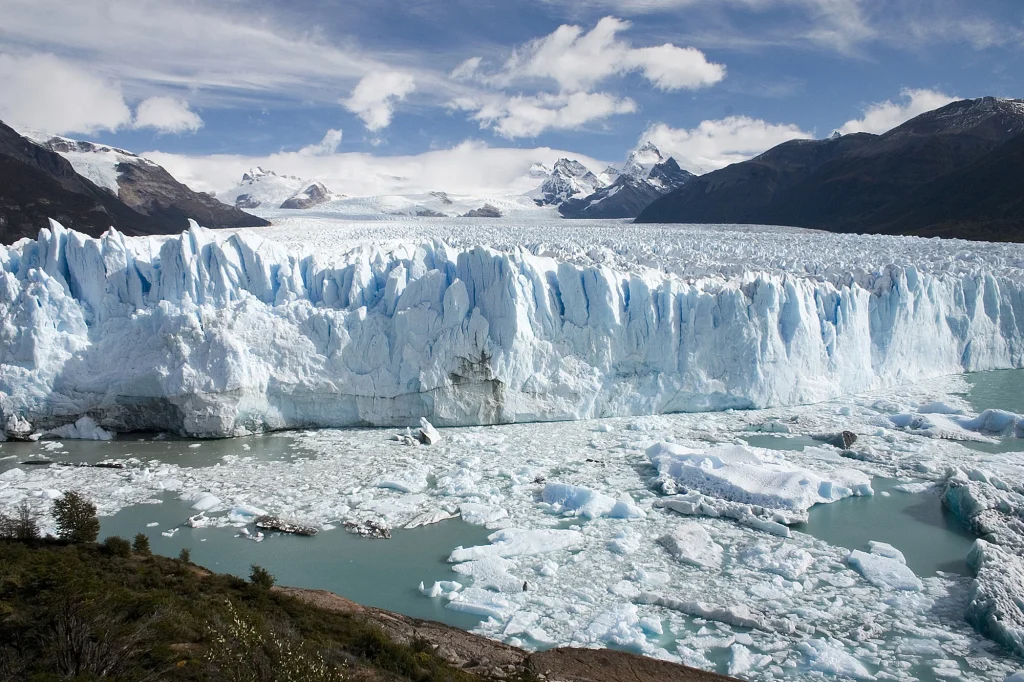
Budget park access separately from transport, guides, equipment, and accommodation. Effective June 1, 2026, the daily General-category entry fee is ARS 50,000 for Los Glaciares National Park and ARS 35,000 for Nahuel Huapi and Lanín national parks. These are national-park entry fees, not a single Andes charge and not an Aconcagua climbing permit.

Aconcagua uses a separate provincial permit system. Do not use promotional rates from the past 2025-26 summer season to budget a future visit. Check the permit category, dates, and current price directly before booking your next Aconcagua season, then save the relevant confirmation offline with your travel documents.
Do not assume that an Andes trail, snow facility, transfer vehicle, or mountain lodge will meet a particular accessibility need. Route-by-route details vary. Travelers who use wheelchairs, have limited mobility, or need specific support should confirm arrangements with the relevant park, guide, lift operator, lodge, or tour provider before committing to the itinerary.
Plan your water strategy before leaving larger towns. Rural tap water can be unsafe, so carry a refillable bottle and use the water arrangement recommended for your route or accommodation. For isolated or multi-day travel, make this part of the packing list rather than an afterthought.
Run this final Andes packing check before you leave
- Check the highest elevation and activity requirements for every overnight or tour on your itinerary.
- Lay out a base layer, insulating layer, shell, sun protection, and secure-grip footwear before adding optional clothing.
- Separate your day bag essentials: water, snacks, warm layer, sunscreen, documents, and medication.
- Add snow-specific or technical gear only where your activity requires it, then test it before departure.
- Review park entry, permit, transport, and accommodation confirmations, and keep key details available offline.
The best Andes packing list is adaptable rather than excessive. Bring a dependable layer system, strong sun protection, secure footwear, and a day bag that keeps essentials close. Then upgrade deliberately for snow, long crossings, or Aconcagua. That approach keeps an ordinary mountain itinerary comfortably simple while giving demanding high-altitude plans the respect they require.
Frequently asked questions
What should I wear in the Andes in Argentina?
Wear adaptable layers: a comfortable base layer, insulating mid-layer, and windproof or waterproof shell. Add sunscreen, a cap or hat, and sturdy trekking footwear with secure grip for mountain days.
Do I need cold-weather clothing for the Andes in summer?
Yes, bring warm layers even in summer if your route reaches high elevations. Northern areas can have strong day-to-night temperature changes, and high-altitude routes such as the Andean Crossing experience large swings in temperature.
When should I pack snow gear for Mendoza?
Pack warm, activity-appropriate snow gear for Mendoza’s June-through-September snow season. July and August are the main months identified for skiing.
What extra gear do I need for Aconcagua?
Aconcagua requires a more technical approach than ordinary mountain sightseeing. Pack technical climbing clothing for a climb, along with insulation, weather protection, sun protection, water capacity, and carefully organized personal essentials.
Do I need a separate permit for Aconcagua?
Yes, Aconcagua has a separate provincial permit system and its costs should not be confused with national-park entry fees. Check the next season’s permit categories, dates, and prices before booking.
Can I drink tap water in the Argentine Andes?
Do not assume rural tap water is safe to drink. Carry a refillable bottle and follow the water guidance provided by your accommodation, guide, or route operator.
Aconcagua calls for a specialized high-altitude packing plan by Mariordo Mario Roberto Duran Ortiz, CC BY 3.0.
