The Andes Family Itinerary
Argentina’s northern Andes suit a family trip when the route stays focused: begin around San Salvador de Jujuy, follow Jujuy’s sequence of city, colorful Quebrada towns and Salinas Grandes, then finish in Salta Capital. A seven-night plan leaves breathing room for arrival fatigue, a transfer day and the high-altitude Train to the Clouds as an optional finale.
This is a family-first itinerary, built around two overnight bases instead of a hurried series of long excursions. It gives children and adults time to reset between mountain days, while preserving the route’s strongest experiences. Keep the final plan flexible enough to respond to weather, road conditions and everyone’s energy.
- Allow seven nights, with four based around San Salvador de Jujuy and three in Salta Capital.
- For a start from Buenos Aires, flying to San Salvador de Jujuy saves far more vacation time than bus or car travel.
- Give the Quebrada towns and Salinas Grandes separate days rather than trying to combine them.
- Treat the Train to the Clouds as an optional high-altitude experience, not a required family day.
- Choose a rental car only if mountain-pass driving suits the driver; an excursion or private driver can reduce the workload.
- Build the trip budget from current quotes for each component instead of relying on one fixed itinerary price.
Build the trip around Jujuy and Salta overnight bases
Salta Capital is a practical base because it has a broad choice of lodging and strong connections. Jujuy works best as its own opening chapter: the regional route naturally progresses through San Salvador de Jujuy, the colorful Quebrada towns and Salinas Grandes. Keeping both provinces in the itinerary creates a fuller northern Andes journey than treating one as a rushed side trip.
This plan suggests four nights in the Jujuy portion and three in Salta Capital. That is a deliberate buffer, not a rule. Families arriving late, traveling with younger children or preferring short activity days can add another night in either base. Those with an early departure can remove the flexible Salta day before cutting the Jujuy sequence.
Do not fill every open hour. Mountain travel becomes much easier when the itinerary includes time for an unhurried meal, a rest at the accommodation or a change of plans. The route’s scenery is the point, so an overpacked schedule rarely improves the experience.
A seven-night northern Argentina family itinerary
| Day | Overnight base | Main focus |
|---|---|---|
| 1 | San Salvador de Jujuy | Arrive, settle in and keep plans light. |
| 2 | San Salvador de Jujuy | A flexible day in San Salvador de Jujuy. |
| 3 | San Salvador de Jujuy | Explore the colorful Quebrada towns at an unhurried pace. |
| 4 | San Salvador de Jujuy | Make Salinas Grandes the day’s main focus. |
| 5 | Salta Capital | Change bases without adding a major activity. |
| 6 | Salta Capital | Use Salta Capital as a flexible reset day. |
| 7 | Salta Capital | Choose the Train to the Clouds only if the family is comfortable with the altitude. |
| 8 | Departure | Leave time for the onward journey. |
Days 1 to 4: ease into the Jujuy section
Day 1: arrive in San Salvador de Jujuy
Make the first day a landing day. Check in, organize bags and let everyone settle into the new rhythm before setting any ambitions for the next morning. This is especially valuable if the journey began with a domestic connection or a long international flight into Argentina.
Keep dinner and bedtime simple, then confirm the practical details for the following day: transport, meeting arrangements and what the family needs to carry. A calm first evening makes the next three Jujuy days feel far less like a relay race.
Day 2: leave room for San Salvador de Jujuy
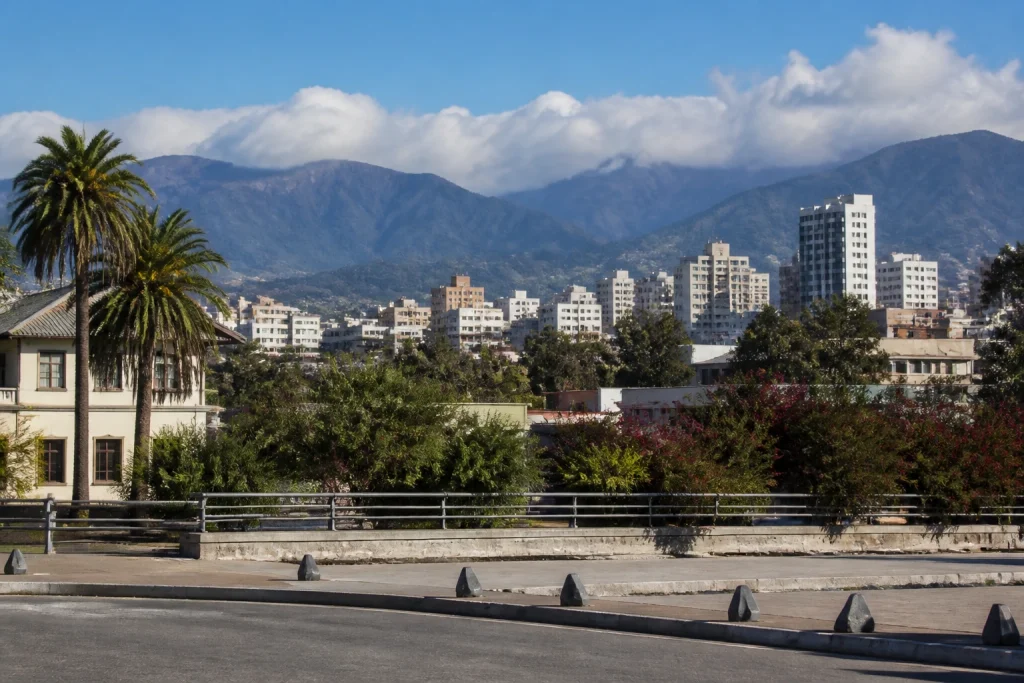
Use this as a flexible city day rather than a tightly timed sightseeing mission. The official Jujuy route begins in San Salvador de Jujuy, so it deserves a place in the itinerary before the more ambitious landscape days. Keep the day adjustable around the family’s sleep, appetite and general energy.
Day 3: give the Quebrada towns time
The Quebrada-town day benefits from deliberate pacing. Treat each stop as a chance to look around, stretch and let children absorb the changing setting, rather than chasing a string of photo stops. Jujuy’s recommended three-day sequence places these colorful towns between San Salvador de Jujuy and Salinas Grandes, making them a natural middle chapter.
Day 4: make Salinas Grandes the priority
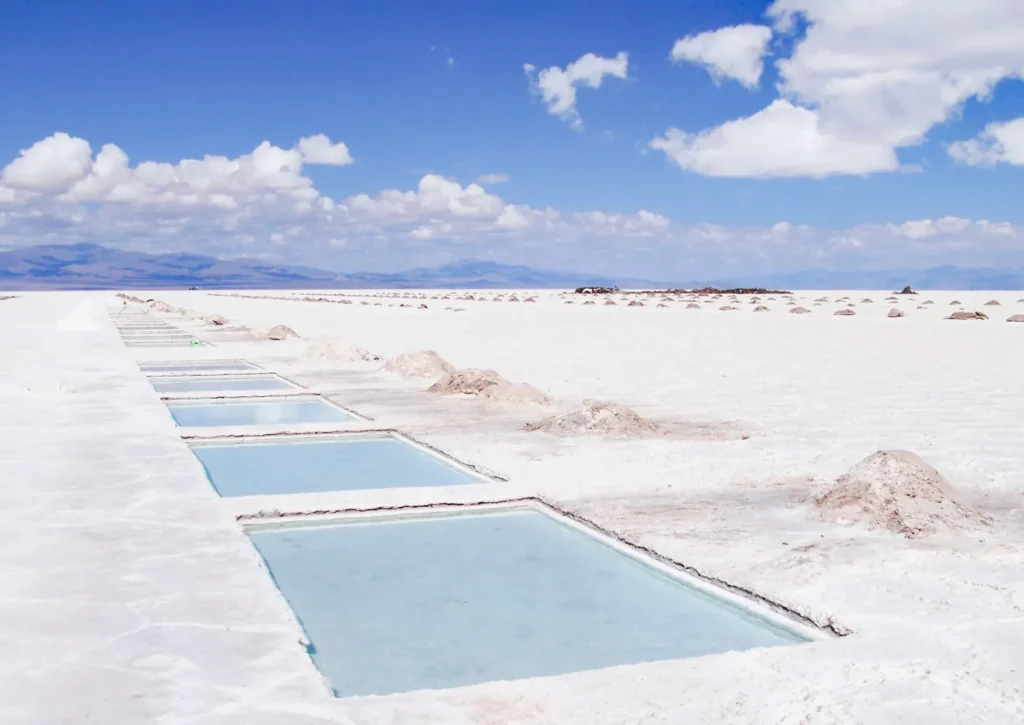
Keep Salinas Grandes as a separate focus day. It forms the third part of Jujuy’s compact route, and the family will enjoy it more without another major commitment competing for attention. Pack the food, water, sun protection and comfort items your group normally needs for a full day away from the accommodation.
The simplest rule is to stop while the day still feels enjoyable. A child who has had time to move around and rest will remember the wide-open setting more fondly than a tightly managed timetable.
Days 5 to 8: switch to Salta and keep the finale optional
Day 5: move to Salta Capital
Treat the change from Jujuy to Salta as a transfer day. Do not attach a signature outing to it. A new room, a slow meal and time to repack can be enough, particularly after three consecutive Jujuy exploration days. This transition also protects the itinerary if the earlier days need to be reshuffled.
Day 6: use Salta Capital as a reset day
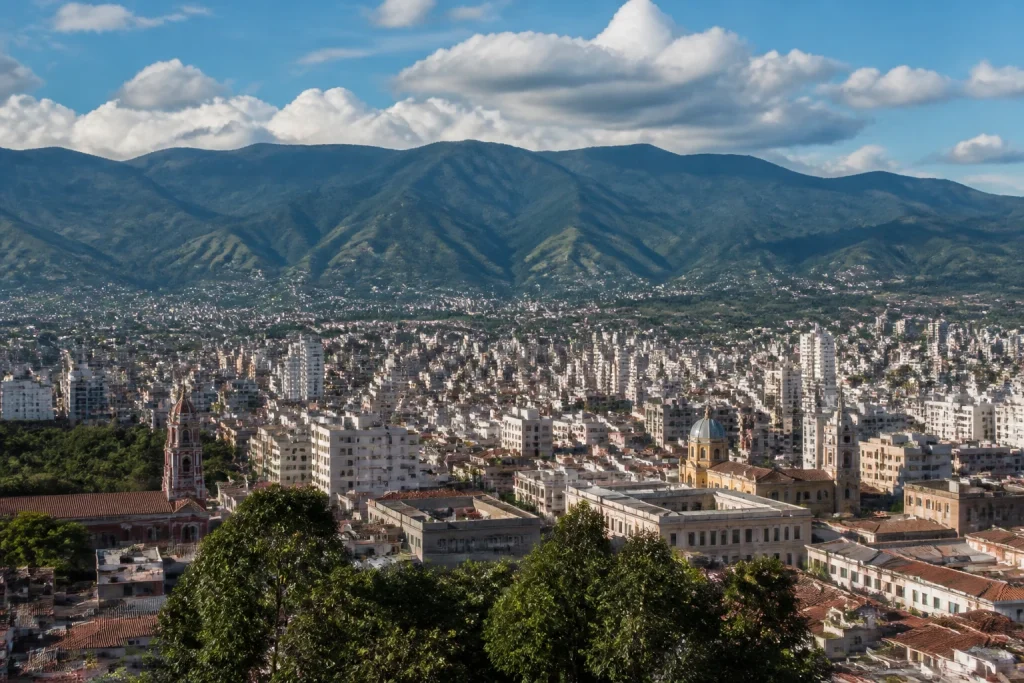
Salta Capital’s lodging range and connections make it a sensible place to slow down. Keep this day open for the interests of the group and resist adding a winding-pass drive simply to tick off another destination. The value of a base is having an easy place to return to after the road days.
Day 7: decide on the Train to the Clouds
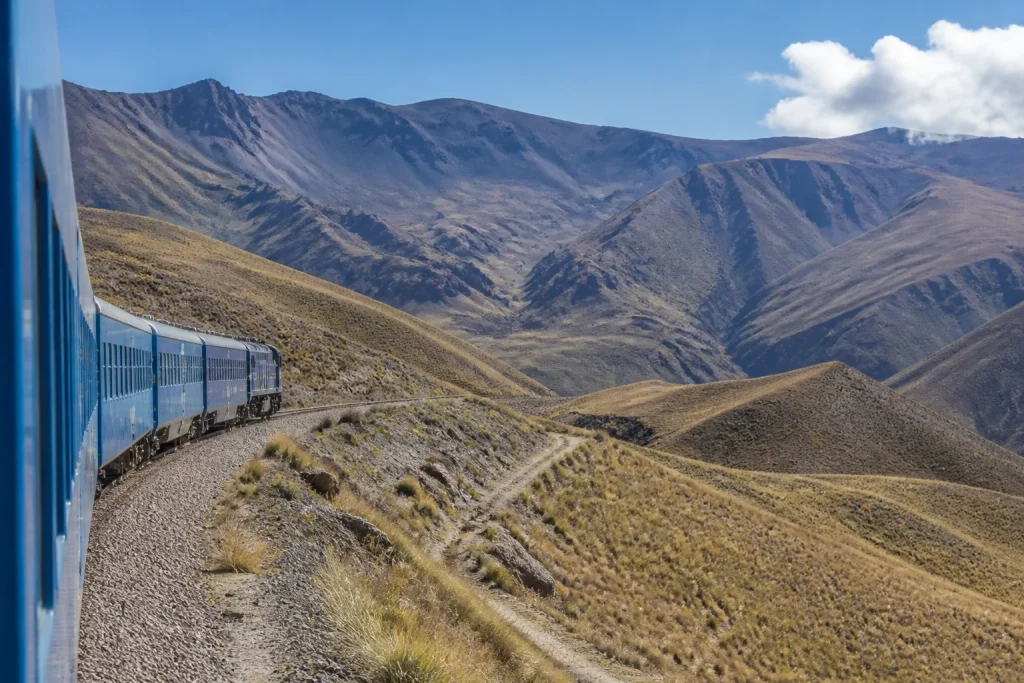
The Train to the Clouds combines road and rail travel and reaches 4,220 metres. That makes it a memorable option for a well-rested family, but it should never be treated as automatic. Put it near the end of the itinerary, when everyone has had several gentler days, and keep the rest of that day free of other commitments.
Review the current departure details, transport segments and booking terms before arranging the rest of the trip around it. If the group is not comfortable with a high-altitude day, keep Salta Capital as the relaxed finale instead. That is a good itinerary decision, not a missed opportunity.
Day 8: leave without a rushed morning
Keep departure day clear apart from packing, breakfast and the journey onward. A final easy morning is particularly helpful when children are tired from a week of different beds, roads and early starts.
Arriving and getting around as a family
For travel from Buenos Aires, direct air travel to San Salvador de Jujuy takes about 2 hours 15 minutes. The planning estimates for the same journey are about 23 hours by bus and 18.3 hours by car. For a family with limited holiday time, flying preserves a substantial part of the trip for the northern route itself.
Those figures are planning estimates, not live timetables, so check current flight and ground-transport schedules before purchasing. If your air arrangements allow it, beginning in Jujuy and ending in Salta avoids making the whole route into a return journey.
A rental car offers flexibility for exploring Salta’s valleys, but mountain roads include winding passes. Choose self-driving only when the driver is confident with that environment. An organized excursion or private driver can be a better fit for parents who would rather share the views and keep their attention on the children.
Late-August weather and realistic pacing
Late August falls in northern Argentina’s winter, a period known for very little rain and clear skies. Recent regional guidance has also described winter roads as passable, making it an appealing season for a road-based family itinerary. Conditions still change, so check the forecast and route situation close to departure and before each mountain driving day.
Autumn, from April through June, and spring, from September through November, are also strong choices for pleasant temperatures and clear skies. The better season depends on the family’s comfort preferences and travel dates, rather than one universally perfect window.
Bring layers that can be added or removed, sun protection and an easy-to-reach day bag for snacks and water. The practical advantage is simple: nobody has to unpack the main luggage each time the weather or the day’s pace changes.
Altitude: plan the high point with care
The itinerary’s clearest altitude consideration is the Train to the Clouds, which takes travelers to 4,220 metres. Keep it optional, schedule it after the route’s easier days and do not make it the centerpiece of a tightly timed departure plan. Each traveler’s comfort at altitude is individual, especially when children or pre-existing health considerations are involved.
For a broader explanation of how to pace high-elevation travel, read our Altitude in the Andes: A Plain-English Acclimatisation Guide. Families with a medical concern should seek advice suited to their own circumstances before committing to a high-altitude activity.
Bookings, costs and accessibility checks
Avoid setting one all-in cost for this Andes family itinerary. Airfare, accommodation, vehicle arrangements, fuel, meals, guides and the Train to the Clouds all need current, date-specific quotes. Build a simple family budget from those individual items, then add a buffer for changes to transport or plans.
Book the elements that shape the route first: overnight stays, flights and any desired high-altitude experience. Then check each confirmation for pickup details, departure times and inclusions. This order lets you preserve the two-base structure without accidentally creating a transfer-heavy schedule.
Families needing step-free routes, adapted restrooms, wheelchair-capable transfers, accessible rail equipment or particular accommodation features should confirm each item directly with the relevant operator. A destination’s appeal for families does not by itself establish accessibility arrangements.
A sensible health and safety baseline
For U.S. travelers, Argentina is classified at Level 1, meaning normal precautions, in the July 2026 State Department advisory. The same advisory notes a CDC Level 1 health notice for Andes virus, or hantavirus, while describing the risk for most travelers as extremely low. Carry travel medical insurance details and plan ahead for healthcare needs abroad.
That country-level advice does not replace practical route checks. Review weather, road conditions and activity information shortly before departure, especially when your itinerary includes a mountain pass or a high-altitude rail day.
The best version of this Andes family itinerary
This route suits families who prefer a meaningful week in two northern Argentina bases over a rapid sweep of the Andes. Jujuy supplies the city, Quebrada-town and Salinas Grandes sequence; Salta Capital provides a well-connected place to finish; the Train to the Clouds adds a dramatic option for those comfortable with its altitude.
Its main limitation is the need to respect travel time, mountain roads and individual comfort at altitude. Give the route seven nights, fly when time is limited, leave transfer days uncluttered and choose the high-altitude finale only after the family has settled in. That approach turns a complex-looking map into a manageable shared adventure.
Frequently asked questions
How long should a family allow for Salta and Jujuy?
Allow seven nights for a comfortable route through San Salvador de Jujuy, the Quebrada towns, Salinas Grandes and Salta Capital. This creates room for an arrival day, a base-change day and a flexible finale.
Is it better to fly or travel overland from Buenos Aires to Jujuy?
Flying is the better choice for families with limited time. Direct air travel to San Salvador de Jujuy takes about 2 hours 15 minutes, compared with planning estimates of about 23 hours by bus and 18.3 hours by car.
Is the Train to the Clouds suitable for every family?
No, it should be an optional choice because the experience reaches 4,220 metres and combines road and rail travel. Schedule it late in the trip and base the decision on each traveler’s comfort with altitude.
Is late August a good time for this northern Argentina itinerary?
Late August can work well because it falls in the dry, clear-skied northern winter season. Check current weather and road conditions before travel, since mountain conditions can change.
Do we need to rent a car for this Andes family itinerary?
No. A rental car gives flexibility, especially around Salta’s valleys, but the route includes winding mountain passes. An organized excursion or private driver can reduce the driving burden for families.