Best Time to Visit the Andes
The best time to visit the Andes depends on which part of Argentina you plan to explore. Summer favors the lakes and mountains of Patagonia, winter brings drier conditions to the northwest and snow-sport opportunities farther south, while Mendoza is especially appealing in autumn and spring. The mountain range spans sharply different climates, so choosing a region should come before choosing a month.
- Choose Argentina’s summer for Patagonian hiking, lakes, and mountain travel.
- Choose winter for a broad tour of Salta, Jujuy, and the high-altitude Puna.
- Visit Mendoza in autumn or spring for generally favorable touring conditions.
- Plan a July or August Mendoza trip when skiing is the main objective.
- Treat winter road travel cautiously because snow, ice, closures, and short daylight can complicate access.
For a first trip centered on scenery and hiking, summer in the Patagonian Andes is the simplest broad choice. Travelers drawn to desert valleys and the Puna should look toward winter. Mendoza offers the most flexible middle ground because autumn and spring suit general sightseeing, while July and August serve ski-focused itineraries.
The best season at a glance
Argentina’s Andes are better understood as several mountain destinations rather than one continuous touring zone. The northwest, the central Andes around Mendoza, and the Patagonian Andes each reward different seasons. Argentina’s summer runs roughly from December 21 to March 20, while winter runs from June 21 to September 20.
| Region | Best broad window | Best suited to | Main tradeoff |
|---|---|---|---|
| Northwest Andes: Salta, Jujuy, and the Puna | Winter | Dry-season regional touring and high-altitude landscapes | Conditions vary between valleys, lowlands, and the Puna |
| Mendoza and the central Andes | Autumn and spring | General sightseeing and mountain travel | The Zonda wind can become more intense in August and September |
| Mendoza ski areas | July and August | Ski-focused trips | Equipment, transport, and weather contingencies require more planning |
| Patagonian Andes | Summer | Hiking, lakes, and mountain travel | Remote access can remain dependent on roads and local conditions |
| Patagonian Andes in winter | Winter | Snow sports | Short days, snow, ice, and closures make independent travel harder |
If you have not chosen a region yet, start with the landscapes and activities that matter most. A guide to the best places to visit in the Andes for first-time visitors can help narrow the field before you commit to a season. This prevents a common planning mistake: selecting travel dates first and then discovering that the desired trails, roads, or snow activities do not fit them.
Regional timing matters more than one perfect month
Northwest Andes: winter for Salta, Jujuy, and the Puna
Winter is the strongest broad recommendation for Argentina’s northwest. It suits journeys through Salta, Jujuy, and the high-altitude Puna, where the dry-season advantage is especially useful for regional touring. The landscape can shift quickly between lower country, enclosed valleys, and open high plateaus, so one forecast should never stand in for the entire route.
Summer is less straightforward in parts of the north because heat, humidity, rain, and storms can affect some areas. That does not make the whole region unsuitable, but it increases the importance of matching plans to elevation and location. A valley stop and a Puna excursion can experience very different conditions on the same wider itinerary.
High elevation also deserves its own planning time. Avoid treating arrival in the Puna as an ordinary transfer day packed with demanding activities. An altitude in the Andes acclimatisation guide can help you build a more measured schedule around high-altitude destinations without turning every day into a race between viewpoints.
Mendoza and the central Andes: autumn or spring for variety
Autumn and spring are the best broad choices for a general visit to Mendoza and the central Andes. These seasons suit travelers who want mountain scenery and regional exploration without building the entire trip around skiing. Mendoza’s climate is dry, and day-to-night temperature changes can be substantial, so flexible layers remain useful even during otherwise favorable periods.
The Zonda wind is another factor in central-Andes planning. It can be more intense in August and September, potentially affecting outdoor schedules and road plans. Keep some flexibility around exposed mountain excursions during this period, especially when an activity depends on stable conditions.
Skiers should look at July and August, the recommended months for a snow-focused Mendoza visit. A winter trip requires a different budget and packing plan than a spring or autumn journey. Equipment, mountain transport, road conditions, and possible delays all become more important, even when the snow itself is the reason for traveling.
Patagonian Andes: summer for hiking and lake country
Summer is the clearest broad recommendation for Patagonian lake, mountain, and hiking trips. It aligns best with itineraries focused on time outdoors rather than snow sports. The season also avoids many of the daylight and winter-road complications that can make independent travel more demanding later in the year.
Remote protected areas can have defined operating seasons. Perito Moreno National Park, which should not be confused with the glacier of the same name, normally opens from October 1 through April 30 and remains subject to road conditions. Its approaches include about 90 kilometers of unpaved road, illustrating why a remote Patagonian park deserves more planning than a simple day trip.
Winter in Patagonia makes the most sense when snow activities are the main goal. For hiking or a flexible road trip, the tradeoffs are substantial: shorter days, snow, ice, weather disruption, and changing trail or road access. Travelers without winter-driving experience or spare days in the schedule will usually find summer easier to manage.
Choose the season that matches your main activity
Hiking and mountain walks
Choose summer for a hiking-led Patagonian itinerary. Longer usable days and the region’s broad summer travel season make it the more practical period for combining trails, lakes, and mountain scenery. Trail availability still depends on the specific protected area, and some mountain hikes require advance trekking registration.
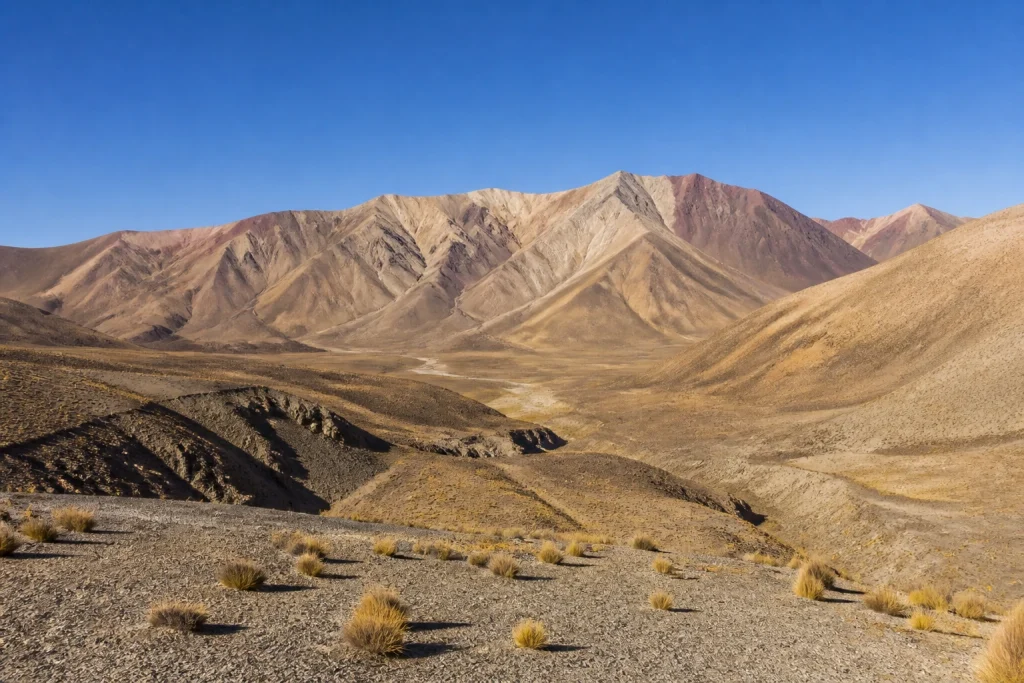
In winter, confirm trail status shortly before setting out. Snow, ice, avalanches, rockfall, shaded sections that hold ice, and rapidly changing weather can alter plans. An open trail should not be assumed to remain open after new weather passes through the mountains.
Skiing and snow trips
Winter is the natural season for an Andes trip built around snow sports. In Mendoza, July and August are the recommended ski months. Patagonia also shifts toward snow-based travel in winter, but road conditions and access need to be treated as part of the itinerary rather than an afterthought.
Allow room in both the schedule and budget for equipment, winter transport, and weather contingencies. These needs do not prove that every winter trip costs more than every summer trip, but they do add planning categories that non-ski itineraries may avoid. Compare current costs for the exact destination, dates, and activity package.
Scenic road trips
Autumn or spring works well for a central-Andes road trip around Mendoza, while winter is broadly favorable for exploring the northwest. Patagonian road travel is generally simpler in summer than in winter. Route choice remains critical because remote parks can involve long gravel sections and access may depend on self-driving or locally registered transport.
Winter is the least straightforward season for an independent Andes road trip. Check the official daily road report before departure, carry snow or ice chains when required, and postpone nonessential travel during severe conditions. Recheck on travel day because a route that was open during planning can change after fresh snow or ice.
How each season changes the trip
Summer: best for Patagonia, more complicated in the north
Argentina’s summer, running from late December into March, is the broad favorite for Patagonian lakes and mountains. It is the season to prioritize if your ideal trip revolves around hiking and outdoor exploration in the south. In parts of northern Argentina, however, summer can bring heat, humidity, frequent rain, and storms.
Autumn: a strong Mendoza window
Autumn is one of Mendoza’s recommended general travel periods. It suits a central-Andes itinerary that is not dependent on skiing. Farther south, autumn timing needs greater care around seasonal operations. Perito Moreno National Park, for example, normally closes after April 30, with actual access still dependent on road conditions.
Winter: northwest touring and snow sports
Winter, running from late June into September, is the broad recommendation for northern destinations and the essential season for snow sports. It also introduces the year’s most serious road and trail constraints. Build extra time into transfers and avoid tightly connecting a mountain drive with a fixed departure elsewhere.
Spring: favorable in Mendoza, with wind to consider
Spring is another recommended period for Mendoza and the central Andes. It works well for travelers seeking a general mountain visit rather than a ski holiday. September overlaps with a period when the Zonda wind can be more intense, so retain some scheduling flexibility for exposed outdoor plans.
Winter roads and trails require daily decisions
Mountain conditions can change faster than a carefully arranged itinerary. During winter, snow, ice, rockfall, avalanches, and short daylight can affect both roads and trails. Ice may linger in shaded areas even when other sections look clear. Review the specific park status, weather forecast, and road report immediately before leaving.
Drivers should carry chains where required and understand how they are used before reaching a snowy section. Severe conditions are a reason to delay nonessential travel, not an invitation to test a rental vehicle’s personality. In national parks, also check trail closures, activity availability, and any trekking-registration requirements.
Winter 2026 planning note
Argentina is in winter on August 17, 2026. Anyone traveling now should verify conditions for the exact road, park, or trail before departure and repeat the check on travel day. Do not rely on an older forecast or assume that a recently open route remains available after new mountain weather.
Build a multi-region itinerary in separate segments
Argentina’s size makes the Andes difficult to treat as one uninterrupted corridor. Plan the northwest, Mendoza, and Patagonia as separate regional segments, then connect only the areas that justify the transit time. National tourism guidance suggests allowing at least 20 days to cover several of Argentina’s headline regions, which is a useful reality check for ambitious maps.
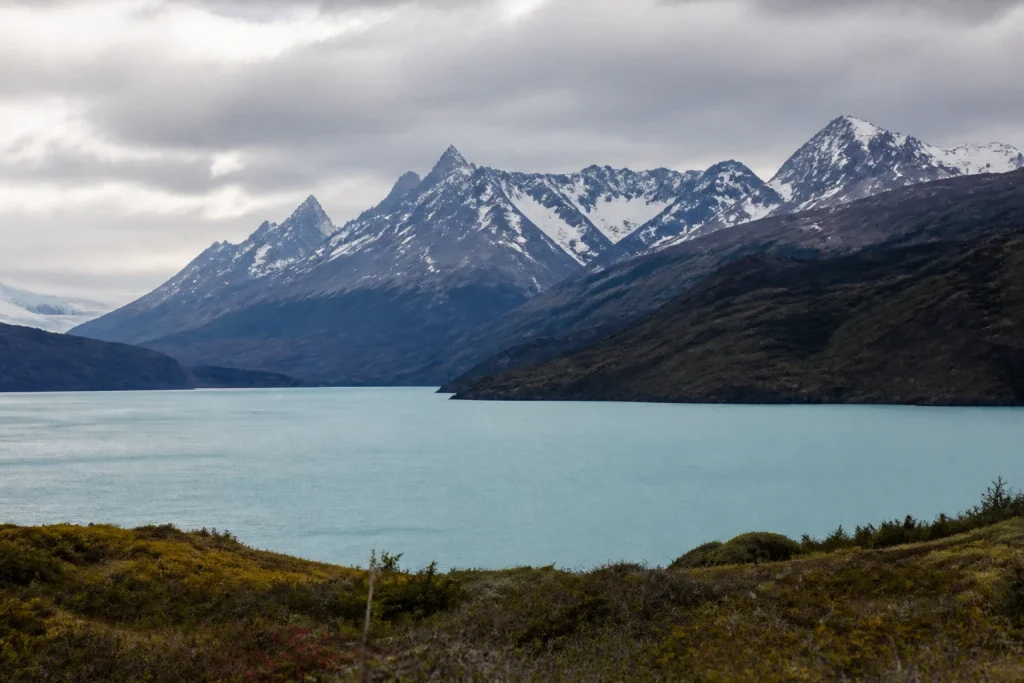
A shorter trip will usually be more satisfying when centered on one region. With more time, two regions can work if the transfer days are treated as real itinerary days. Travelers extending across the border can use broader Chile and Argentina route planning to decide which mountain areas belong together geographically and seasonally.
- Choose the main activity: hiking, snow sports, road touring, or high-altitude scenery.
- Choose the region that best supports that activity.
- Select the recommended broad season for the region.
- Add transfer days and weather flexibility before reserving fixed activities.
- Check current park, road, and trail information shortly before each mountain segment.
Seasonal costs and booking strategy
Do not build a budget around a supposed Andes-wide cheapest month. Prices should be compared for the exact region, dates, transport, and activity. A ski holiday and a non-ski Mendoza visit have different equipment and transport needs, while a remote Patagonian journey can introduce vehicle and access considerations that do not apply to a city-based stay.
Check current national-park ticket information for each park rather than using one representative admission figure. Fees and access arrangements are destination-specific. For seasonal protected areas, confirm that the planned travel dates fall within the operating period before committing to nearby transport or accommodation.
Winter plans benefit from flexible transport and activity arrangements because weather can disrupt roads and trails. Summer and shoulder-season itineraries may fit non-ski travelers more naturally, but that does not guarantee lower prices. Compare live options after settling on the right region and season, not before.
Accessibility and mobility considerations
Winter is the hardest season for travelers who need dependable road access, cannot drive in snow, or have little flexibility for delays. Snow, ice, and closures can complicate independent travel, while outdoor conditions create additional barriers around trails and exposed mountain areas. A summer Patagonian trip or an autumn or spring Mendoza visit can be easier to structure around non-ski activities.
Remote parks also deserve individual mobility planning. Access may require self-driving or locally registered transport, and gravel-road approaches can be long. Confirm the specific transport arrangement and activity status before traveling into a remote protected area, particularly when step-free access, limited walking, or low-risk road conditions are important.
What to pack for changing Andean conditions
Packing should reflect both the region and season. Mendoza’s dry climate and wide day-to-night temperature changes call for adaptable layers. Northern summer travel warrants protection for rain and storms, while winter road journeys require equipment appropriate to snow, ice, and short daylight.
- Layered clothing that can adjust to large temperature changes
- A weatherproof outer layer for rain, snow, or exposed conditions
- Suitable footwear for the planned trails and surfaces
- Winter driving equipment, including chains when required
- A light source for winter days with limited daylight
- Current route, park, and trekking details for each mountain segment
Avoid packing for “the Andes” as if the range had one climate. A winter Puna itinerary, an autumn Mendoza visit, and a summer Patagonian hike require different clothing and equipment. Revisit the packing list after the route is fixed and again when a reliable short-range forecast becomes available.
The clearest way to choose your dates
Choose summer for a hiking and lake trip through the Patagonian Andes. Choose winter for Salta, Jujuy, and the Puna, or for an itinerary centered on skiing. Choose autumn or spring for a balanced Mendoza visit. Those three decisions answer the timing question more accurately than any single best month for the entire range.
The main limitation is distance. Argentina’s Andean regions are far enough apart that combining them demands substantial transit time and, in winter, added flexibility. Pick the landscape you most want to experience, match it to its strongest season, and check current access before entering the mountains. That simple sequence produces a safer and more coherent trip.
Frequently asked questions
What is the single best month to visit the Andes in Argentina?
There is no single best month for the entire Argentine Andes. Choose summer for Patagonian hiking and lakes, winter for the northwest or snow sports, and autumn or spring for a general Mendoza visit.
Is summer a good time to visit the Andes?
Summer is an excellent broad choice for Patagonia’s lakes, mountains, and hiking. In parts of northern Argentina, summer can instead bring heat, humidity, rain, and storms, so the answer depends on the region.
When is the best time to visit Mendoza and the central Andes?
Autumn and spring are the recommended periods for a general Mendoza visit. Travelers primarily interested in skiing should consider July or August.
Can I take an Andes road trip in winter?
A winter road trip is possible, but it is the least straightforward season for independent driving. Check the daily road report, carry chains when required, and delay nonessential travel during severe conditions.
How long should I allow for several Andean regions in Argentina?
Allow substantial time because the northwest, Mendoza, and Patagonia work best as separate segments. Official tourism guidance suggests at least 20 days for a trip covering several of Argentina’s headline regions.
What is the cheapest season to visit the Andes?
There is no reliable Andes-wide cheapest season. Compare current prices for the exact destination, dates, transport, accommodation, park access, and activities, especially when skiing or visiting remote areas.
Are Patagonian parks open throughout the year?
Not all remote protected areas operate year-round. Perito Moreno National Park normally opens from October 1 to April 30, subject to road conditions, so check current information for each park before traveling.
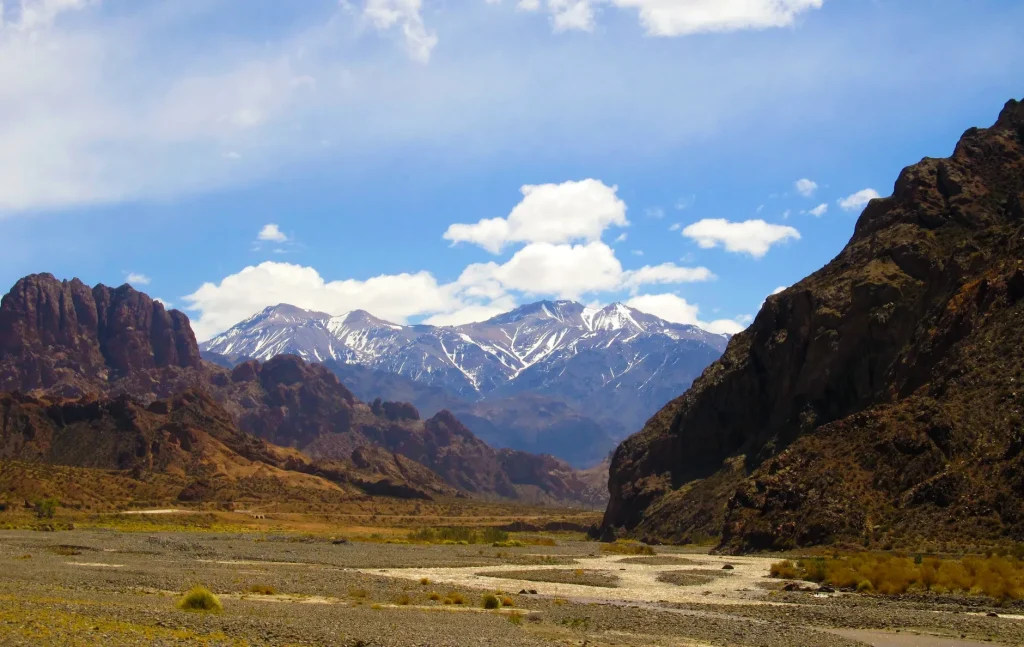
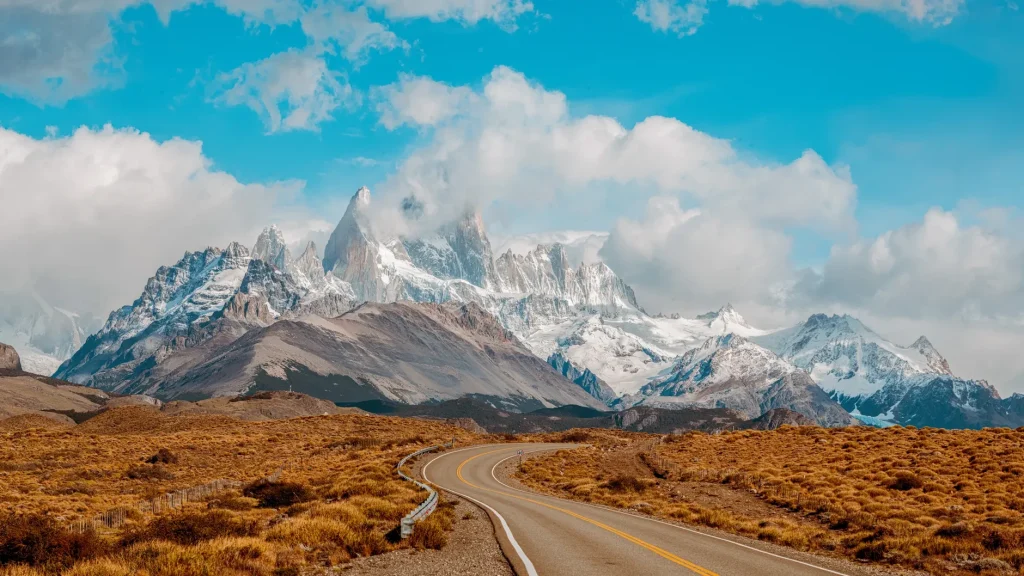
The central Andes around Mendoza are especially well suited to autumn and spring travel by Juan Pablo Lancia, Pexels.
More bookable experiences
Three tours to compare
Review current provider details before booking. Discover Andes may earn a commission at no extra cost to you.
Continue exploring
More practical guides selected from the Discover Andes library.
How to Get Around The Andes Without a Car
Explore Argentina’s Andes without driving by combining regional hubs, domestic flights, long-distance coaches, selected trains, pre-booked transfers, and…

The Andes Travel Mistakes to Avoid
Avoid the common planning mistakes that can derail an Argentine Andes trip, from overambitious routes and seasonal assumptions…

The Andes Safety Tips for Tourists
Practical Andes safety tips for Argentina, covering altitude acclimatisation, hiking registration, remote travel, mountain driving, seasonal conditions, and…
The Andes Packing List
A practical Andes packing list for Argentina, with adaptable layers, sun protection, sturdy footwear, high-altitude essentials, snow-season additions,…