The Andes Summer Travel Guide
Summer in the Argentine Andes runs from December through March, but the experience changes sharply with the region. Mendoza brings warm, dry days, vineyards, mountain excursions, and river adventures. Bariloche pairs green landscapes with lakes, trails, kayaking, cycling, and rafting. The high-altitude northwest needs a separate plan built around acclimatization and road conditions. Choosing the right base matters more than trying to cover every corner of the range.
- Choose one anchor region unless you have enough time for substantial transfers.
- Pick Mendoza for wine, food, warm dry conditions, and organized mountain or river outings.
- Pick Bariloche for lakes, trails, paddling, cycling, and an outdoors-centered stay.
- Plan Salta and Jujuy separately if high-altitude landscapes are your priority.
- Check roads, parks, trails, border crossings, and activity schedules shortly before departure.
The simplest approach is to match the landscape to the trip you actually want. Wine and structured day trips point toward Mendoza. Long outdoor days beside water point toward Bariloche. A high-elevation road journey belongs in the northwest. Travelers still comparing the wider mountain chain can also use a first-time visitor guide to the best places in the Andes before committing to one region.
Choose the Andean region that matches your priorities
The Andes are too extensive and varied to treat as a single summer destination. In Argentina, three useful planning categories are Mendoza, Bariloche and Río Negro, and the high-altitude northwest. Each rewards a different pace, packing strategy, and activity mix.
| Region | Best fit | Summer character | Main planning issue |
|---|---|---|---|
| Mendoza | Wine, food, mountain outings, rafting, and kayaking | Warm and dry, with an average summer temperature of 24°C | Summer is active and viable, although spring and autumn are generally more temperate |
| Bariloche and Río Negro | Lakes, hiking, kayaking, cycling, rafting, and scenic excursions | Green lake-and-mountain landscapes suited to outdoor days | Build enough time for weather-sensitive activities and condition checks |
| Northwest Argentina | High-altitude Andean scenery and road-based exploration | A distinct high-elevation journey rather than an extension of Mendoza or Bariloche | Acclimatization, route planning, and current road conditions require extra attention |
Mendoza and Bariloche are the strongest all-around choices for a first summer visit. Mendoza offers a balance of culinary travel and scheduled excursions. Bariloche places more of the trip outdoors, with trails, water, and cycling central to the day. The northwest suits travelers prepared to make elevation and transport planning part of the journey.
Understand the December-to-March season
Argentina's summer covers December through March. National tourism guidance highlights the season for Patagonia's lakes and mountains, Mendoza's vineyards during harvest time, and glacier travel. This does not mean conditions are uniform across the Andes. Latitude, elevation, and the type of landscape all shape what a summer trip feels like.
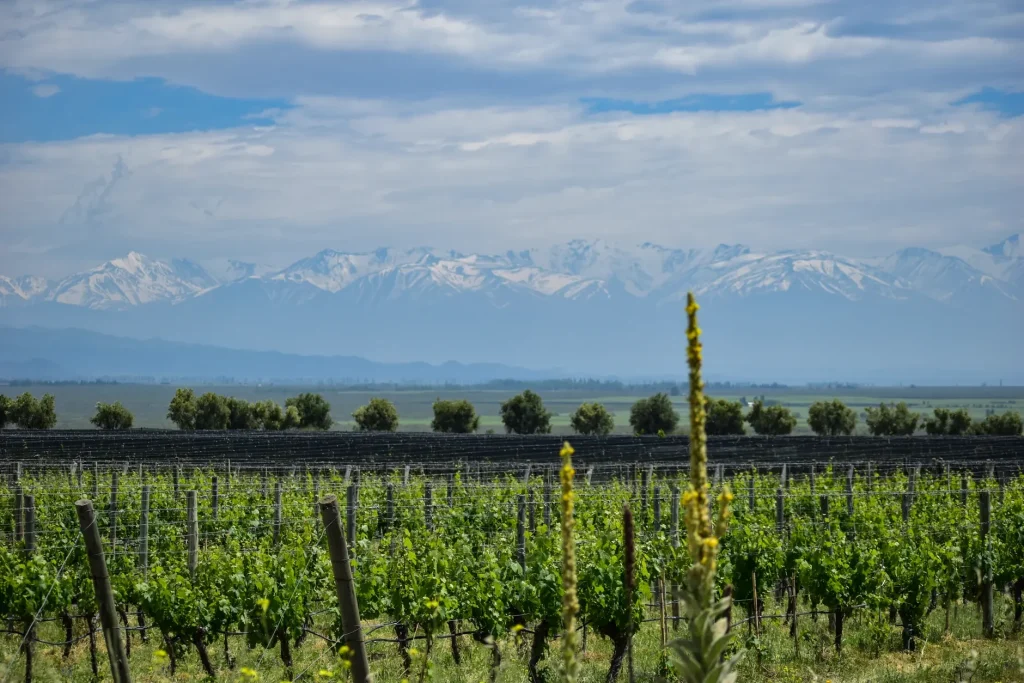
Mendoza tourism describes summer as warm and dry, with an average temperature of 24°C. Vineyards, harvest experiences, warm evenings, mountain excursions, trekking, and meltwater-river activities all feature in the season. That average is useful for broad planning, but it is not a promise for every day or elevation. Pack for the specific activities on your itinerary rather than relying on one regional number.
There is a worthwhile timing tradeoff. National guidance generally recommends spring and autumn for Mendoza, while the province actively promotes summer for vineyards, rivers, trekking, water activities, and evenings outdoors. Summer therefore works well for active travelers who accept warmer conditions. It should not be presented as the universally most comfortable time for every visitor.
Bariloche has a clearer summer identity for travelers seeking lakes and green mountain scenery. Hiking, kayaking, rafting, cycling, and lake excursions fit naturally into the season. This makes it a strong choice when outdoor activity matters more than vineyard dining or a heavily scheduled series of day tours.
Use Mendoza as a wine-and-adventure base
Choose Mendoza when you want vineyards and food to share the itinerary with mountain scenery. Official tourism guidance also emphasizes rafting, kayaking, trekking, water-oriented outings, and excursions toward the Aconcagua area. Summer here is not a snow-sports trip. The seasonal appeal comes from warm, dry conditions, harvest activity, rivers fed by mountain meltwater, and long evenings suited to dining outdoors.
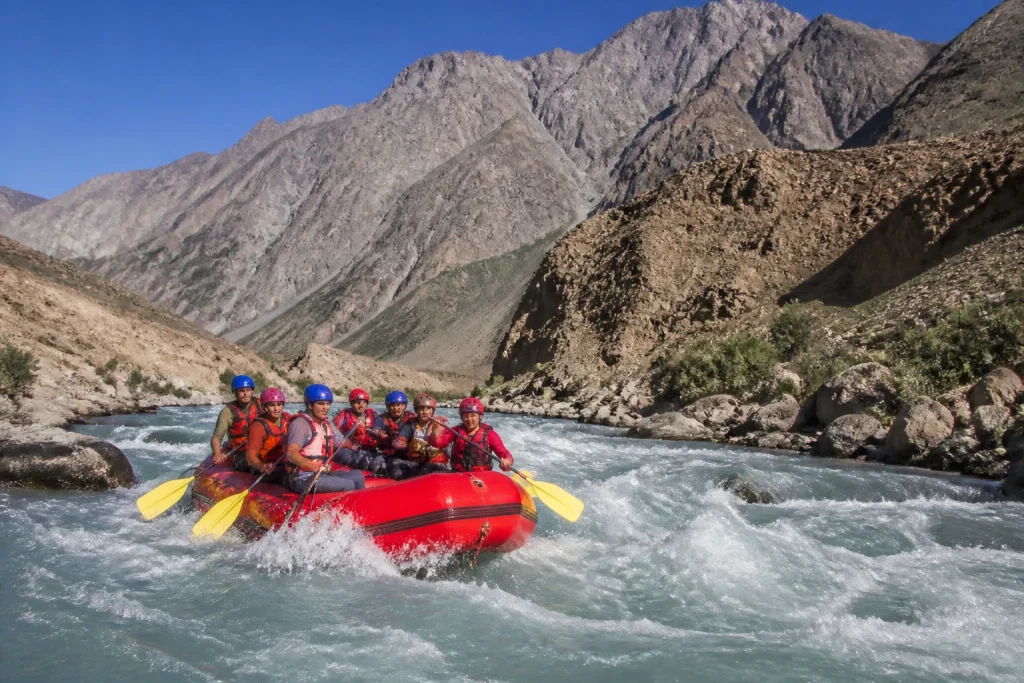
A city or wine-country base can keep the trip organized. Rather than changing hotels constantly, alternate planned excursions with slower meals and recovery time. Winery visits, mountain outings, and river activities may involve different operators and departure arrangements, so review each confirmation before building several commitments into the same day.
- Begin with an easy arrival day and confirm the pickup details for upcoming excursions.
- Set aside a full day for vineyards and harvest-related experiences if they are a priority.
- Use another day for an Aconcagua-area or broader mountain excursion.
- Choose rafting, kayaking, trekking, or a water-oriented outing according to conditions and ability.
- Leave flexible time for dining, rest, or rescheduling a weather-sensitive activity.
Mendoza works especially well for groups with mixed interests. One traveler can prioritize wine and food while another adds a river or trekking day. The main limitation is heat preference. Visitors who struggle in warmer weather may prefer the province's generally recommended spring or autumn windows instead.
Build a lake-and-trail trip around Bariloche
Bariloche is the stronger summer base for travelers who want water and green landscapes at the center of the trip. Official tourism sources highlight land and lake excursions, hiking, trekking, kayaking, rafting, and bike touring. Days can revolve around a trail, a paddle, or a scenic excursion instead of a sequence of indoor attractions.
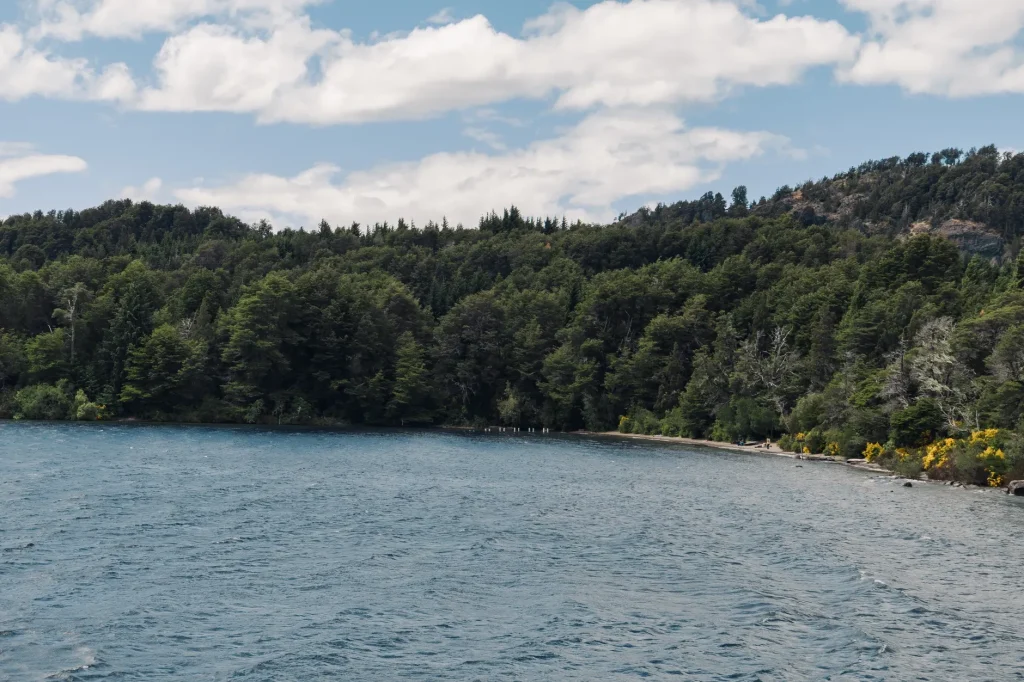
The appeal is easy to picture: lake water below mountain slopes, bicycles moving through green scenery, and kayaks cutting across the surface. Keep the itinerary flexible enough to respond to current conditions. A good plan mixes one or two priority activities with open periods that can absorb schedule changes or provide recovery after a demanding day.
- Choose one lake or land excursion as an introduction to the area.
- Reserve a separate day for hiking or trekking rather than squeezing it between transfers.
- Add kayaking, rafting, or cycling if the activity suits your experience and current conditions.
- Keep at least one flexible period for a shorter outing, rest, or a changed schedule.
Bariloche suits travelers who are happiest in active clothing for much of the trip. It also allows companions to choose different activity levels while sharing the same scenic base. Its principal planning challenge is the number of appealing outdoor options. Prioritize the experiences you care about most instead of filling every available hour.
Treat northwest Argentina as a high-altitude journey
Salta and Jujuy belong in a separate planning category. Their high-altitude Andean landscapes require more attention to acclimatization and road logistics than a conventional wine-country stay or lake holiday. Avoid attaching the northwest to Mendoza or Bariloche as a rushed final stop. Its elevation and transport questions deserve space in the itinerary.
A plain-English altitude and acclimatisation guide can help shape a more measured schedule before you book strenuous activities. Keep the first part of the route flexible, understand which nights are spent at higher elevations, and avoid assuming that every traveler will respond to the same pace in the same way.
Road planning is equally important. Conditions, access, and operating arrangements can change, so verify the intended route with the relevant provincial road or park authority shortly before travel. Do not assume that a mountain road, trailhead, park facility, or crossing will operate as expected simply because it appears on an older itinerary.
Allow enough time for Argentina's scale
Argentina is vast. Its national tourism board advises that seeing the country's major regions properly requires at least 20 days. That guidance is a useful warning against combining Mendoza, Bariloche, and the northwest in a short holiday. The transfers can consume time better spent on trails, lakes, vineyards, or mountain excursions.
| Available time | Practical scope | Recommended approach |
|---|---|---|
| Four to five days | One compact regional introduction | Choose Mendoza or Bariloche and limit the number of major excursions |
| One week | One well-paced anchor region | Combine priority activities with recovery and flexible time |
| About two weeks | One deep regional trip or two carefully chosen anchors | Include transfer time and avoid adding all three major areas |
| Twenty days or more | Broader sampling of Argentina's major regions | Plan deliberate travel days and keep current conditions in view |
If you have one week, a single base usually produces a better trip than an ambitious map. With more time, two regions can work if transportation fits cleanly and each receives several useful days. Travelers considering an international extension can consult a Chile and Argentina destination overview for broader route context, then confirm border requirements and crossing conditions close to departure.
Budget by trip style instead of using one daily figure
There is no dependable single daily budget for an Andes summer trip. Costs differ by region, booking lead time, lodging choice, transport, and activity type. A Mendoza itinerary built around wineries and private excursions has a different cost structure from a Bariloche stay centered on self-guided days and selected outdoor tours. Compare complete trip components rather than relying on one broad estimate.
- Long-distance transportation between regions
- Accommodation in the selected base
- Local transfers or vehicle rental
- Winery, mountain, lake, river, cycling, or trekking activities
- Meals and activity-day provisions
- Contingency funds for schedule or transport changes
Check what each activity price includes. Transfers, equipment, meals, and entrance arrangements can differ by operator or package. Review the booking description and confirmation once, then compare the total cost rather than the headline amount alone. For accommodation, examine location as well as room price because an inconvenient base can add transport expense and lost time.
Pack for activities, elevation, and changing plans
A useful packing system starts with the itinerary. Mendoza's warm, dry summer calls for sun protection and comfortable warm-weather clothing, while mountain outings still justify layers. A Bariloche plan needs clothing and footwear suited to lake and trail days. High-altitude northwestern travel requires an especially flexible layering system because the route, elevation, and activity can change during the journey.
- Light layers that can be added or removed during mountain outings
- Sun protection, including a hat, sunglasses, and sunscreen
- Footwear matched to the planned trail, cycling, or sightseeing days
- A reusable water bottle and a small day bag
- A protective pouch or dry bag for water-based activities
- Booking confirmations, identification, and essential medication
Specialist operators generally define the equipment required for rafting, kayaking, cycling, or trekking. Check the activity description before buying or carrying bulky gear. The most practical wardrobe is one that works across several days and can handle a changed plan without forcing a return to the hotel.
Check roads, parks, trails, and crossings before departure
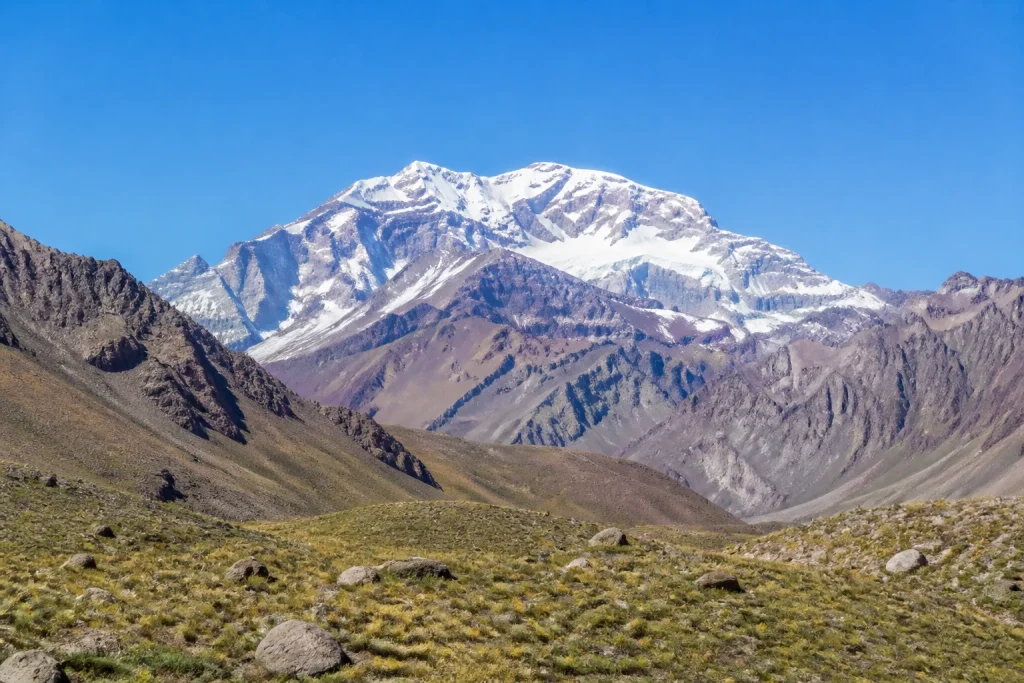
Summer conditions do not guarantee access to every mountain route or activity. Road restrictions, weather, wildfire conditions, park operations, and border arrangements can affect plans. Complete a final check shortly before departure rather than relying on information saved months earlier.
- Check provincial road information for every mountain route on the itinerary.
- Confirm park and trail access with the relevant national or provincial park authority.
- Review weather and emergency notices for the destination and planned activity area.
- Verify meeting points, pickup windows, equipment, and cancellation terms with activity operators.
- Confirm border requirements and crossing status if the itinerary enters Chile or another neighboring country.
- Download or write down essential booking details in case mobile service is unavailable.
Build a backup day rather than a rigid backup attraction. If a mountain outing changes, that open time can become a winery meal in Mendoza, a shorter land excursion in Bariloche, or a rest day before another high-altitude drive. Flexibility is most useful when it is part of the schedule before anything goes wrong.
Confirm accessibility for each hotel, transfer, and activity
Argentina has national tourism accessibility guidelines designed to improve services for people with disabilities and reduced mobility or communication. Those program-level guidelines do not prove that a particular hotel, winery, trail, vehicle, boat, or excursion is accessible. Confirm arrangements with each provider before booking.
Ask specific questions instead of requesting a general accessibility label. Useful details include step-free access, adapted bathroom availability, vehicle lift or storage capacity, transfer assistance, trail surface, gradients, boarding procedures, and the distance between drop-off points and entrances. Share mobility equipment dimensions when they affect transportation or storage.
Argentina provides certain transport rights through its national disability certificate system, but international visitors should not assume they qualify. Treat transport discounts or free-travel provisions as eligibility-based benefits rather than a general tourist entitlement. Confirm ordinary visitor fares and assistance arrangements for the services you plan to use.
Make the final choice based on your ideal day
Mendoza is the best match when an ideal day combines vineyards, food, warm weather, and a planned mountain or river excursion. Bariloche wins when you would rather organize the trip around lakes, trails, bikes, kayaks, and green scenery. Northwest Argentina is the choice for a more deliberate high-altitude road journey.
- Choose Mendoza for wine, culinary experiences, warm dry conditions, and varied day trips.
- Choose Bariloche for an active lake-and-mountain holiday.
- Choose the northwest for high-altitude scenery and a route planned around elevation.
- Choose only one region if your time is short.
The Andes reward focus. Select one region, reserve the activities that define the trip, and leave room for conditions to reshape a day. That approach creates more time for the landscape itself, whether it is a Mendoza vineyard beneath the mountains, a paddle near Bariloche, or a carefully paced journey through the high northwest.
Frequently asked questions
When is summer in the Argentine Andes?
Summer in Argentina runs from December through March. Conditions differ significantly between Mendoza, Bariloche, and the high-altitude northwest, so plan for the chosen region rather than treating the Andes as one climate.
Is Mendoza or Bariloche better in summer?
Mendoza is better for wine, food, warm dry conditions, and organized mountain or river excursions, while Bariloche is better for lakes, hiking, kayaking, cycling, and green mountain landscapes. The right choice depends on how active and structured you want the trip to be.
Is summer a good time to visit Mendoza?
Yes, summer is an activity-rich time for Mendoza, with vineyards, harvest experiences, rivers, trekking, and warm evenings. Spring and autumn are generally recommended for more temperate conditions, so summer best suits travelers comfortable with warmer weather.
Can I combine Mendoza, Bariloche, and northwest Argentina in one trip?
Combining all three is unsuitable for a short trip because Argentina's scale creates substantial travel demands. National tourism guidance indicates that seeing the country's major regions properly requires at least 20 days, so most visitors should choose one anchor or, with sufficient time, two carefully planned regions.
What summer activities are available in the Argentine Andes?
Summer activities include vineyard and harvest experiences, mountain excursions, rafting, kayaking, trekking, cycling, and lake outings. Mendoza emphasizes wine country and meltwater-river adventures, while Bariloche is especially strong for lake-and-trail travel.
How should I plan for altitude in northwest Argentina?
Treat the northwest as a dedicated high-altitude itinerary with room for acclimatization and careful road planning. Check current route and access conditions shortly before travel rather than adding the region as a rushed extension.
How much does an Andes summer trip cost?
Costs vary widely by region, booking lead time, accommodation, transportation, and activity style. Compare lodging, transfers, excursions, equipment, meals, and entrance arrangements separately instead of relying on one destination-wide daily estimate.
Is the Argentine Andes accessible for travelers with disabilities?
Accessible travel is possible only with property-specific and activity-specific planning. Confirm step-free access, adapted bathrooms, vehicle capacity, trail surfaces, boarding procedures, and assistance arrangements directly with each hotel, transfer company, and operator.
Bariloche pairs lake scenery with hiking, paddling, cycling, and other summer activities by Franco Garcia, Pexels.
More bookable experiences
Three tours to compare
Review current provider details before booking. Discover Andes may earn a commission at no extra cost to you.
Continue exploring
More practical guides selected from the Discover Andes library.
Best Mountains in the Andes
Compare four standout mountains in Argentina’s Andes, including Aconcagua, Fitz Roy, Cerro Tronador, and Lanín, with practical guidance…

Best The Andes Photo Spots
Plan a photography-focused trip to El Chaltén, Argentina, with Laguna de los Tres, Laguna Capri, Laguna Torre, and…
The Andes Solo Travel Guide
Plan a rewarding solo trip through Argentina’s Andes by choosing the right region, timing mountain travel carefully, and…
The Andes Art and Culture Guide
Explore the art, living traditions, museums, historic streets, crafts and high-desert cultural landscapes of Argentina’s northwest, with practical…