
The Andes Markets Guide
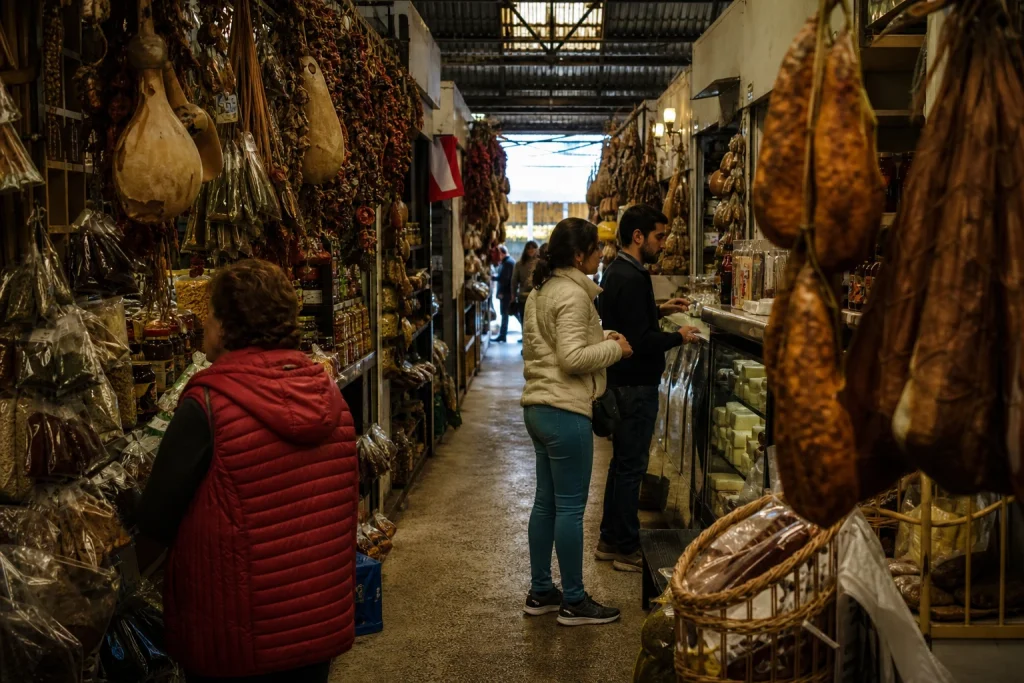
The most useful Andes markets route in Argentina begins in the northwestern gateway cities of Salta and San Salvador de Jujuy. Their markets cover three distinct experiences: everyday food shopping, prepared regional dishes, and handmade crafts. They do not form a single high-altitude circuit, but they provide an accessible introduction to the ingredients, textiles, pottery, and culinary traditions associated with northwestern Argentina.
- Choose Mercado San Miguel for a central Salta market with regional ingredients and prepared dishes such as humitas, tamales, and locro.
- Visit Mercado Artesanal de Salta when crafts, textiles, pottery, leatherwork, or musical instruments are the priority.
- Reserve weekend time for smaller fairs in Vaqueros, Campo Quijano, Plaza Güemes, Balcarce, or Cerro San Bernardo.
- In San Salvador de Jujuy, use Mercado de Concentración y Abasto for an early food-market visit and Mercado Sur for the most flexible published schedule.
- Verify opening hours on the day, especially for Sundays, holidays, and special events.
A successful market day starts with the right expectations. Municipal markets serve regular local shopping needs, while artisan markets and weekend fairs place more emphasis on crafts and leisurely browsing. Build the itinerary around one primary market, then add a smaller fair or craft venue if its schedule fits. This avoids rushing through compact aisles or crossing a city for a market that serves a different purpose than expected.
Choose the market style that fits your trip
Salta offers the clearest division between food and crafts. Mercado San Miguel combines regional ingredients with prepared food in a central location. Mercado Artesanal de Salta is the stronger choice for handmade objects. The city and its surroundings also have smaller fairs whose value depends heavily on visiting at the right time, particularly on weekends.
San Salvador de Jujuy provides a more everyday-food-focused alternative. Its municipal network includes several neighborhood markets rather than one visitor-oriented stop. Mercado de Concentración y Abasto suits an early produce outing, while Mercado Sur combines a broad selection with longer published hours.
| Market type | Best for | Planning approach |
|---|---|---|
| Central food market | Regional ingredients and prepared dishes | Visit with time to move slowly and compare stalls. |
| Municipal produce market | Everyday fruit, meat, spices, and local shopping | Favor the morning where the published schedule is split. |
| Artisan market | Textiles, pottery, leather, basketry, metalwork, and instruments | Allow time to inspect materials and workmanship. |
| Weekend fair | Souvenirs, regional food, and relaxed browsing | Confirm the day and location before setting out. |
Mercado San Miguel is Salta’s central food stop
Mercado San Miguel stands at Avenida San Martín 782 in Salta. The municipal authority also identifies access from pedestrian street La Florida 290. These two entrances are useful reference points when arranging transportation or meeting companions, particularly because the market’s compact interior is better explored without a rushed schedule.
The appeal lies in the combination of ingredients and ready-to-eat regional food. Humitas, tamales, and locro are among the dishes highlighted for the market. Rather than trying everything at once, begin with a walk through the stalls, note what is being served, and return to the options that best suit the meal you want.
Circulation requires patience. The tourism office describes the spaces as small and recommends walking slowly. Travelers using mobility aids, carrying bulky luggage, or visiting with a large group should allow extra time and decide in advance where the group will meet if the aisles become difficult to navigate.
Do not build the visit around a fixed online timetable. Officially published schedules have varied, and special events can bring temporary changes. The main market is normally listed as closed on Sundays, making a weekday or Saturday the safer choice. Confirm the current opening period shortly before leaving for the market.
Featured experiences
Popular Argentina tours
One highlighted experience and three more provider options to compare.

Authentic Rooftop Asado Experience with Argentine Wine Pairing
VIATOR AWARDS 2025 - MEJORES EXPERIENCIAS GASTRONOMICAS EN EL MUNDO - IG:terracita_asado_bbq

Perito Moreno Glacier Full Day Tour with Optional Boat Safari
Be seduced by the fascinating landscape of the Perito Moreno glacier on this full-day tour from El Calafate. Admire...

Early Tango Dinner Show with Optional Traditional Bus Transfer
Make your evening in Buenos Aires unforgettable with the most authentic tango experience in town! Travel to a tradi...
Pair market research with guided sightseeing

Local Foodie Adventure in Buenos Aires with Sherpa Food Tours
We begin at a cozy, hidden deli with mouth-watering empanadas and pizza, one of the best pizza you'll ever have! Ou...

Intimate Underground Tango Show by Secreto Tango Society
Experience tango like never before in an intimate, unscripted performance that brings you face-to-face with the soul...

Buenos Aires Small-Group City Tour
This service is unique due to its specific characteristics: small groups of people per tour, one language per vehicl...
Mercado Artesanal de Salta is designed for craft browsing
Mercado Artesanal de Salta, at Avenida San Martín 2555, is the more focused choice for handmade work. Its listed categories include basketry, textiles, pottery, metalwork, leather, and musical instruments. The range makes it easier to compare materials and techniques in one place than at a food-centered municipal market.

The provincial tourism listing publishes daily hours of 10:00 to 21:00. Schedules remain subject to change, but the broad listed window makes this venue easier to pair with another activity than a morning-only fair. A practical sequence is to prioritize food shopping earlier, then reserve craft browsing for later in the day.
Look closely at construction, texture, and intended use before buying. A woven item, ceramic piece, leather object, or instrument has different packing needs. Ask for the price before committing and check accepted payment methods at the stall. Current stall-by-stall prices and foreign-card acceptance are not standardized in the published market information.
Salta’s smaller fairs reward careful weekend planning
Several smaller fairs expand the market experience beyond the two principal Salta venues. The Vaqueros fair is listed for Saturday mornings, while Campo Quijano has an artisan and regional-food fair on Saturdays and Sundays. These stops work best as planned weekend outings rather than dependable options for everyday provisions.
Official tourism information also lists artisan fairs at Plaza Güemes, Balcarce, and Cerro San Bernardo. Their appeal is the chance to browse on a smaller scale, but their schedules should be checked before making a dedicated trip. Market days and operating periods can shift around events and local calendars.
Choose one fair that fits naturally into the day instead of attempting to collect them all. Vaqueros is the clear Saturday-morning candidate. Campo Quijano offers both weekend days in its published listing. Within Salta, Plaza Güemes, Balcarce, or Cerro San Bernardo can serve as a secondary craft stop when the current schedule aligns with other plans.
San Salvador de Jujuy has a network of municipal markets
San Salvador de Jujuy spreads everyday market shopping across several municipal venues. Saving the correct street or intersection is important because these markets serve different parts of the city. Select one according to its location and schedule rather than treating all five as essential sightseeing stops.
| Market | Location | Useful planning note |
|---|---|---|
| Mercado de Concentración y Abasto | Almirante Brown and Rivadavia | Early-day produce and distribution market with split hours on weekdays and Saturdays. |
| Mercado Hipólito Yrigoyen | José de la Iglesia and Zegada | Municipal neighborhood market; check its current schedule locally. |
| Mercado 12 de Octubre | 9 de Julio | Municipal neighborhood market; save the street name before traveling. |
| Mercado Santa Rosa | Napoleón A. Soto 178 | Municipal market serving another part of the city. |
| Mercado Sur | Colectora Ejército del Norte 1545, opposite RN 9 | Flexible schedule and a selection that includes fruit, meat, spices, and regional products. |
Mercado Central 6 de Agosto should not anchor a current itinerary. One city tourism listing publishes operating hours, while the municipal markets page identifies the site as under construction. Check its operating status before traveling there, and keep one of the other municipal markets as the main plan.
Choose between Jujuy’s early produce market and flexible Mercado Sur
Mercado de Concentración y Abasto is the strongest choice for an early look at produce distribution and regular local commerce. Its municipal listing uses split weekday and Saturday periods, with morning opening on Sundays and holidays. It can become crowded, so carry only what is needed and leave enough time to move through the market without pressing the schedule.

Mercado Sur is the more flexible option. Its published schedule is 09:00 to 21:00 Monday through Saturday and 10:00 to 14:00 on Sundays and holidays. The city tourism description highlights fruit, meat, spices, and products associated with the Quebrada and Puna. Verify the schedule on the day, since municipal operating information can change.
The choice is simple. Visit Mercado de Concentración y Abasto when an early, produce-oriented market is the priority. Choose Mercado Sur when the day requires a wider time window or when regional products, spices, and general food shopping are the focus. The remaining municipal markets are most practical when their location fits the rest of the itinerary.
Avoid trying to cover the entire municipal network in one day. Repeated journeys between markets add little if the aim is simply to understand local ingredients or buy a few items. One substantial market visit followed by a meal or craft stop gives more time to look, ask questions, and compare products carefully.
What to taste and what to look for
For prepared regional food in Salta, begin with humitas, tamales, and locro at Mercado San Miguel. Each is substantial enough to merit attention rather than being treated as a quick sample between stalls. Ask what a serving contains if dietary restrictions matter, and confirm the price before ordering.
In Jujuy, Mercado Sur is suited to browsing fruit, meat, spices, and products linked with the Quebrada and Puna. Mercado de Concentración y Abasto places more emphasis on produce distribution and early local shopping. These are working food markets, so the experience is centered on ingredients and purchasing rather than a curated craft display.
For objects to take home, Mercado Artesanal de Salta offers the broadest documented craft selection in this route. Basketry and textiles provide color and texture, while pottery, leather, and metalwork require more thought about weight and packing. Musical instruments deserve particular care because their size and construction can make onward transport more complicated.
A useful buying rule is to decide whether an item is decorative, wearable, fragile, or intended for regular use. Inspect edges, joins, fibers, finishes, and moving parts. Ask the seller how the object should be handled. This turns browsing into a more informed choice without assuming that price alone reflects workmanship.

All Day, Small Group, Luxury Wine Tour with Gourmet Lunch
This is a luxury, small group (nine people) wine tour of Mendoza´s fine wine region. We spend the day visiting...

Cooking Class with Empanadas Steak & Flan by Argentine Experience
Experience the vibrant culinary culture of Buenos Aires with our unique Asado or Argentine cooking class in the hear...

Gaucho Small-Group Full Day at a Farm in Buenos Aires
Enjoy a small-group tour from Buenos Aires to San Antonio de Areco and have a chance to see the pampas as you drive...
Timing matters more than a packed itinerary
Schedule the most time-sensitive stop first. In Salta, that means prioritizing Mercado San Miguel or a Saturday-morning fair before the craft market. In Jujuy, it means visiting Mercado de Concentración y Abasto early and saving Mercado Sur for a more flexible part of the day.
Sundays require special attention. Mercado San Miguel is normally listed as closed, while Jujuy’s Mercado de Concentración y Abasto and Mercado Sur publish limited Sunday and holiday periods. Campo Quijano’s fair is listed on both weekend days. Current schedules should still be checked because holiday, seasonal, and event changes occur.
Leave open space after the visit. Compact aisles at Mercado San Miguel and crowding at Jujuy’s concentration market can slow progress. A flexible plan also leaves room to eat a prepared dish, compare two craft stalls, or return for an item after considering how it will be carried.
Check the operating period shortly before departure rather than relying on a saved timetable. This single step is especially important for special events, Sundays, holidays, and Mercado Central 6 de Agosto. Once the market is confirmed, the rest of the day can remain loose.
Prices and payment require an on-the-spot check
Exact prices vary by stall and item, and dependable current ranges are not published across these markets. Ask the price before ordering food or agreeing to a craft purchase. For comparable goods, look at more than one stall before deciding. This is particularly useful for objects whose size, material, or construction differs significantly.

Do not assume every seller accepts the same payment method or that a foreign card will work. Confirm payment options before the transaction. Carrying a backup form of payment can prevent an awkward change of plan, but keep money and valuables organized rather than opening a crowded bag repeatedly.
Separate the food budget from the craft budget before browsing. Prepared dishes, everyday groceries, handwoven goods, pottery, leatherwork, and instruments serve very different purposes. A simple spending limit helps prevent a fragile or oversized purchase from complicating the rest of the journey.
Move through working markets with patience
These venues work best when treated as places of commerce rather than displays arranged solely for visitors. Keep entrances and narrow passages clear. At Mercado San Miguel, where the spaces are described as small, avoid stopping a group in the middle of an aisle. At the Jujuy concentration market, be ready for crowding around active shopping areas.
- Carry a compact bag that remains easy to manage in narrow aisles.
- Ask before photographing a seller or an individual stall at close range.
- Confirm ingredients when allergies or dietary restrictions are important.
- Keep fragile purchases separate from food and heavy objects.
- Set a clear meeting point when visiting with companions.
Travelers with mobility concerns should approach Mercado San Miguel cautiously because its spaces are small and patient movement is specifically recommended. Broader accessibility arrangements are not consistent across the available market listings, so confirm any essential access requirement before making a dedicated trip.
Luggage can turn an enjoyable visit into a difficult one. Whenever possible, leave suitcases at the accommodation and carry only daily essentials. This is particularly helpful in constrained or crowded markets and makes it easier to protect food, pottery, woven goods, and other purchases.
Two simple market-day plans
A food-and-crafts day in Salta
- Confirm Mercado San Miguel’s opening period and begin there while the market is active.
- Walk through the food stalls before choosing a serving of humitas, tamales, or locro.
- Take a break rather than carrying purchases directly into another crowded venue.
- Visit Mercado Artesanal de Salta later for basketry, textiles, pottery, metalwork, leather, or instruments.
- If it is a weekend, add one confirmed fair instead of trying to visit every listed location.
An everyday-food day in San Salvador de Jujuy
- Start at Mercado de Concentración y Abasto if produce distribution and early market activity are the priorities.
- Allow extra time for crowding and split operating periods.
- Choose Mercado Sur instead when a longer published schedule better fits the day.
- Browse fruit, meat, spices, and regional Quebrada or Puna products without treating every municipal market as mandatory.
- Avoid relying on Mercado Central 6 de Agosto until its operating status has been confirmed.
Fit the markets into a wider Andes journey
Salta and San Salvador de Jujuy are useful urban starting points, but this guide should not be read as a complete market circuit for every Andean province. A guide to the best places to visit in the Andes for first-time visitors can help place these city stops within a broader mountain itinerary.
Travelers continuing beyond the gateway cities into higher terrain should review an altitude acclimatisation guide for the Andes before finalizing the route. Market visits themselves do not establish the elevation or physical demands of later destinations, so plan those stages according to the conditions of each place.
Avoid squeezing both cities and multiple outlying fairs into one short market day. A better plan gives each city one principal market experience: food and crafts in Salta, then everyday municipal shopping in Jujuy. Weekend fairs can be added only when their timing and location fit naturally.
The best market plan is selective, not exhaustive
This Andes markets guide suits travelers interested in regional food, daily commerce, and handmade objects. Mercado San Miguel delivers the strongest central food stop in Salta, while Mercado Artesanal provides a focused craft experience. In Jujuy, Mercado de Concentración y Abasto and Mercado Sur offer two practical versions of a working municipal market.
The main limitation is schedule variability. Confirm the chosen market, select one backup, and leave enough time to move patiently. With that simple preparation, the route becomes less about collecting market names and more about understanding the ingredients, dishes, craft materials, and everyday buying habits that give northwestern Argentina its distinct character.
Frequently asked questions
Are all the markets in this guide located high in the Andes?
No. The guide focuses on the northwestern Argentine gateway cities of Salta and San Salvador de Jujuy, and it should not be interpreted as a high-altitude regional circuit. Conditions and elevations at onward destinations need separate planning.
Which Salta market is best for regional food?
Mercado San Miguel is the most practical central food-market choice in Salta. It sells regional ingredients and prepared dishes that include humitas, tamales, and locro. Allow time for its compact spaces and verify the current schedule before visiting.
Where should I shop for crafts in Salta?
Mercado Artesanal de Salta is the strongest dedicated craft stop. Its listed selection includes basketry, textiles, pottery, metalwork, leather, and musical instruments, making it better suited to souvenir browsing than a full fresh-food experience.
Which market in San Salvador de Jujuy has the most flexible hours?
Mercado Sur has the longest published schedule among the listed Jujuy markets. It is listed from 09:00 to 21:00 Monday through Saturday and 10:00 to 14:00 on Sundays and holidays, but confirm the current schedule before setting out.
Are the markets open on Sundays?
Some are, but Sunday access varies. Mercado San Miguel is normally listed as closed, while Jujuy’s Mercado de Concentración y Abasto and Mercado Sur publish limited Sunday and holiday opening periods. Special-event and seasonal changes make a same-day schedule check worthwhile.
Can I pay by foreign card at the markets?
Card acceptance is not standardized across the listed markets. Confirm the payment method with the seller before ordering or buying, and keep a backup payment option available. Exact prices also vary by stall and product.
Is Mercado Central 6 de Agosto currently open?
Its current operating status should be confirmed before visiting. A city tourism listing publishes hours, but the municipal markets page identifies it as under construction. Use another Jujuy municipal market as the primary plan.
Which markets are best for a weekend visit?
Vaqueros is listed for Saturday mornings, while Campo Quijano’s artisan and regional-food fair is listed on Saturdays and Sundays. Salta also lists artisan fairs at Plaza Güemes, Balcarce, and Cerro San Bernardo, although current schedules should be checked.
More bookable experiences
Three tours to compare
Review current provider details before booking. Discover Andes may earn a commission at no extra cost to you.

Iguazu Falls Tour, Boat Ride, Train and Safari Truck
Connect with nature while wandering through the tranquil pathways of the world-famous Iguazú Falls. Plus, embark on...

Buenos Aires Hop-On Hop-Off Bus, Free Walking Tours & Discounts
Discover Buenos Aires at your own pace aboard the Hop-On Hop-Off Tourist Bus, a comfortable, convenient, and flexibl...

Iguazu Falls: Private Day-tour Brazil & Argentina
Get ready for an unforgettable adventure at Iguazú Falls -one of the Seven Natural Wonders of the World! On this to...
Continue exploring
More practical guides selected from the Discover Andes library.
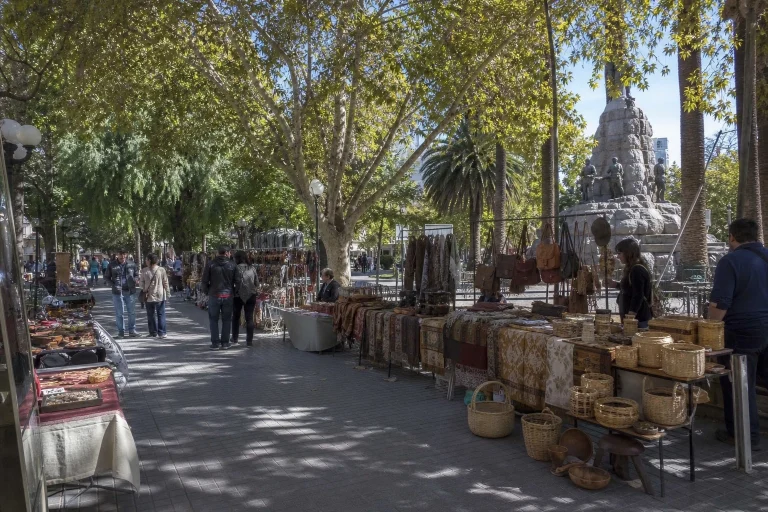
The Andes Shopping Guide
Plan a Mendoza-led shopping trip through the Argentine Andes, with practical advice on artisan markets, regional crafts, wine…
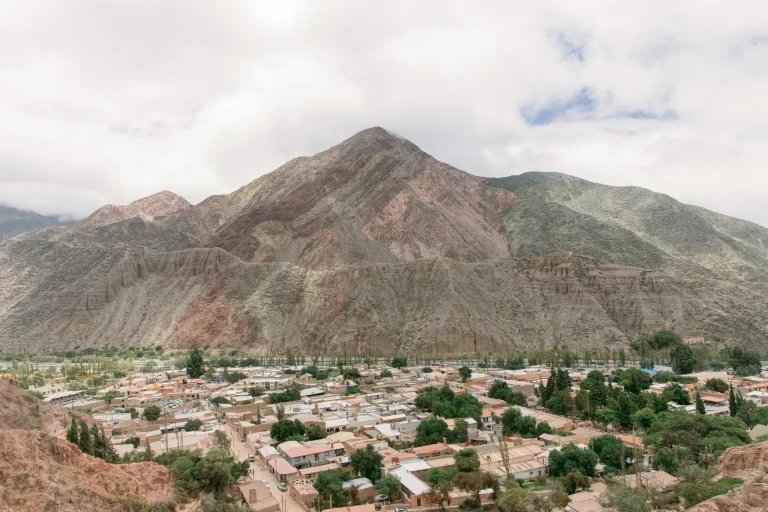
The Andes on a Budget Travel Guide
Plan an affordable trip through Argentina’s Andes with practical advice on choosing a region, comparing transport, handling altitude,…
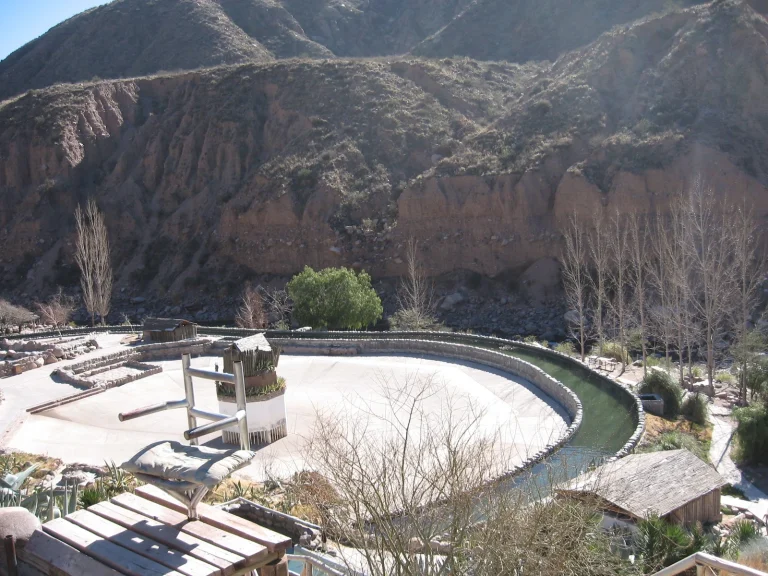
The Andes Spa and Wellness Guide
Plan an Andean wellness trip through Argentina’s mountain hot springs, thermal pools, spa facilities, and volcanic landscapes, with…
The Andes Hidden Gems Guide
Explore Argentina’s lesser-known Andean landscapes, including the high Puna, El Leoncito, and Talampaya, with practical advice on routes,…