
The Andes Itinerary Without a Car
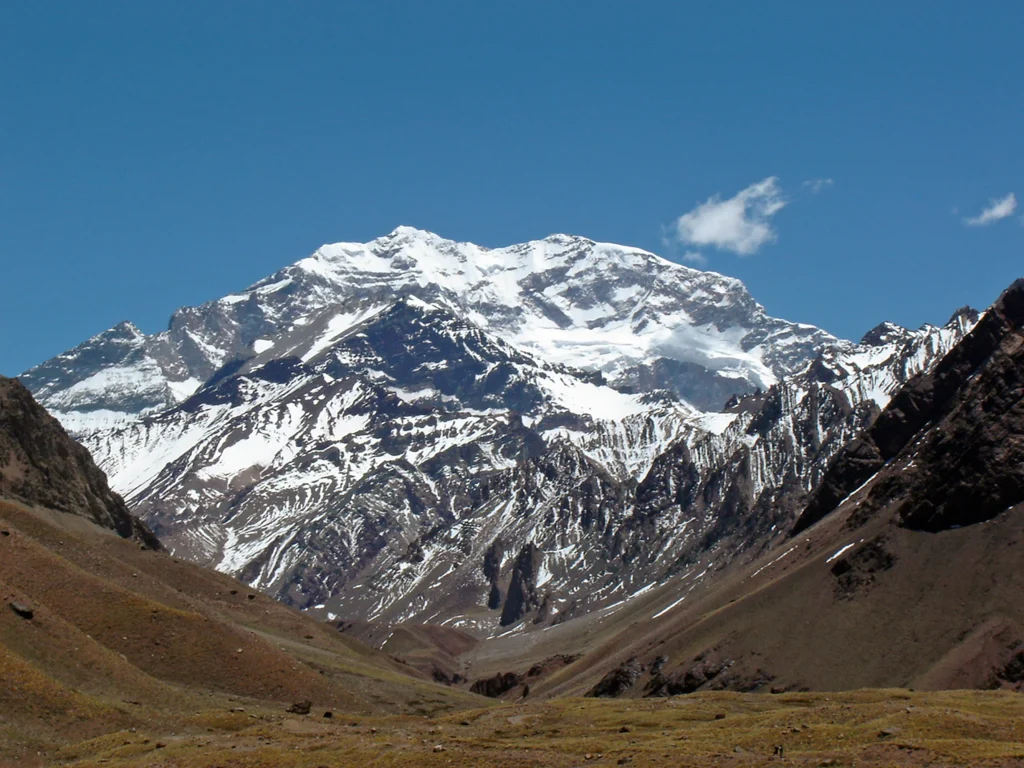
A car-free Andes itinerary in Argentina works best when it is built around Mendoza rather than treated as a spontaneous hop-on, hop-off route. Use the city as your base, then join a guided full-day Camino de Alta Montaña excursion along RN 7 for Potrerillos, Uspallata, Puente del Inca and Aconcagua viewpoints. Add a flexible third day so mountain weather, road conditions and transport changes do not undo the plan.
- Base yourself in Mendoza for the most dependable car-free setup.
- A guided Alta Montaña excursion is the clearest way to see several RN 7 highlights in one day.
- Public transport can help with Uspallata, but confirm the current service before making it the backbone of your trip.
- Keep a third day free for weather or road disruption, especially in winter.
- Check the road status on departure day, and check the Cristo Redentor border status separately if travelling beyond Uspallata.
A practical three-day car-free Andes plan
This is a compact itinerary for travellers who want an Andean high-mountain day without renting a car or gambling on unconfirmed connections. It leaves room for an overnight in Uspallata only when current transport details make that worthwhile. Mendoza remains the reliable base throughout.
| Day | Base | Main plan | Planning focus |
|---|---|---|---|
| Day 1 | Mendoza | Arrive, settle in and keep the schedule light. | Use the evening to confirm the next day’s excursion details. |
| Day 2 | Mendoza | Take a guided Camino de Alta Montaña excursion along RN 7. | Prioritise an itinerary that lists the stops that matter to you. |
| Day 3 | Mendoza or Uspallata | Hold a weather buffer, or stay in Uspallata only after transport is confirmed. | Keep onward arrangements flexible during winter. |
Use Mendoza as the logistical anchor
Mendoza gives this no-car itinerary a simple rhythm: one arrival day, one mountain day and one day with room to adapt. Argentina’s Mendoza travel material presents the high-mountain route as possible independently or on an excursion. For travellers without a vehicle, the excursion option provides the strongest framework for reaching several major RN 7 sights in a single day.
Day 1: arrive with the mountains still ahead
Keep Day 1 deliberately uncomplicated. Check the meeting point, departure time and inclusions for your chosen Alta Montaña trip, then avoid packing the evening with anything that cannot move. This is also the sensible moment to decide whether a third day should remain a Mendoza buffer or become an Uspallata overnight after a transport confirmation.
Day 2: take a guided Camino de Alta Montaña excursion
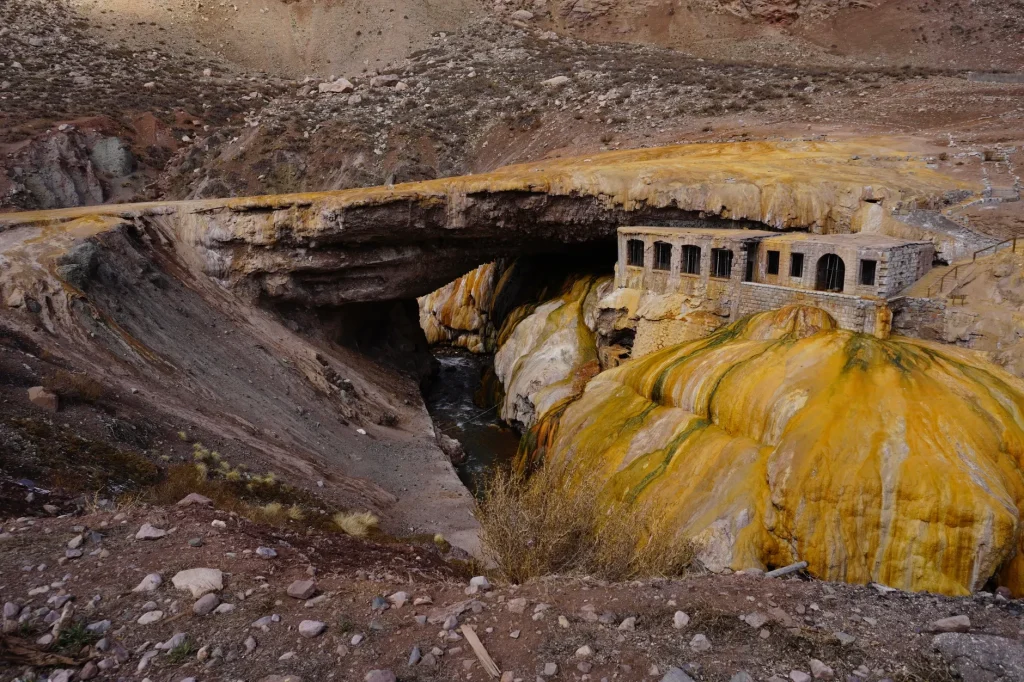
The main car-free mountain day follows the RN 7 corridor toward the high Andes. The route is associated with Potrerillos, Uspallata, Puente del Inca and Aconcagua viewpoints, making it the most efficient way to encounter this stretch of western Argentina without managing a vehicle, navigation and changing mountain conditions yourself. Treat it as a full-day commitment and leave the evening unbooked.
Choose the route, not a vague tour label
Before booking, look for an itinerary that clearly names the stops you care about, especially Puente del Inca and the Aconcagua viewpoints. Confirm the pickup arrangement, return plan, meals or other inclusions, and whether any provincial-park charge applies to the visit described. Exact stops can be shaped by road conditions, weather and the excursion selected.
Day 3: protect the itinerary with a buffer day
A free third day is useful planning, not wasted time. High-mountain travel on this corridor is exposed to snow, wind and poor visibility, and official alerts have recorded weather-related restrictions and closures. A buffer gives you room to shift the mountain excursion, remain in Mendoza, or change plans without putting a fixed onward connection at risk.
Use the spare day for flexibility, not a rushed border dash
Avoid tying this day to a non-refundable same-day arrival in Chile during winter. Conditions can change after you make the plan, and the corridor’s border operation depends on live weather and road decisions. The better use of Day 3 is to preserve options: reschedule the guided trip, take a confirmed local transport connection, or simply keep the rest of the journey intact.
Can public transport take you to Uspallata?
Public transport is a possible alternative for reaching Uspallata, but it is not a proven replacement for a sightseeing excursion. Mendoza provincial material has documented Line 402G linking Uspallata and Mendoza via Cacheuta. Current frequencies, stops, fares, accessibility and booking arrangements need reconfirming before you build an overnight around it.
An Uspallata overnight can suit travellers who prefer a slower pace and have confirmed both outbound and return transport. It adds dependence on a limited mountain connection and does not establish convenient access to every RN 7 visitor stop. Keep the guided day trip as the default choice when seeing several landmarks is the priority.
Treat the Chile border as a separate journey
Beyond Uspallata, the Sistema Cristo Redentor connects Villa Las Cuevas in Argentina with Los Andes in Chile via RN 7 and Ruta 60. Passenger transport is permitted when the crossing is operating. The published winter window is 09:00 to 21:00 Argentina time, with Argentine outbound flow cut off at 19:00, but live border status always overrides the standard schedule.
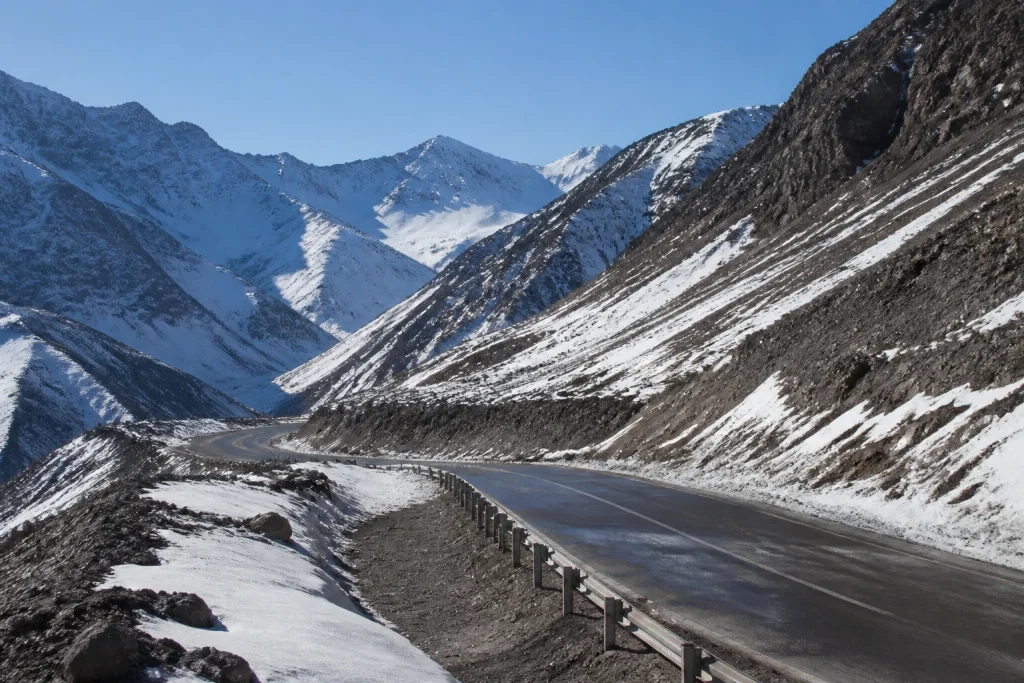
For a car-free Andes itinerary, think of Mendoza to the Aconcagua area as one plan and a Chile crossing as another. Check the border status on the day you intend to travel, then make decisions around the live notice rather than the normal operating hours. This matters most in the snow season, when temporary closures are part of mountain travel.
Winter weather can reshape the route
Snow, strong winds and low visibility can affect RN 7 and the Cristo Redentor system. Official notices recorded repeated closures or restricted operation during May and June 2026, while a July closure affected people and freight around Uspallata. Build flexibility into lodging and onward transport, then check the national road-status service before setting out.
The practical rule is simple: do not regard a booked excursion, a listed bus connection or a standard border timetable as a guarantee of mountain access. A same-day status check protects the rest of the trip far better than an ambitious schedule does.
Book the essentials and pack for changing conditions
Book accommodation in Mendoza first, then choose the guided mountain day. If you are considering Uspallata, confirm transport before committing to the overnight. Keep your confirmation handy and use it to verify the meeting point, pickup time and trip-specific inclusions.
- Warm layers for a high-mountain day, plus sun protection and water.
- A charged phone and enough power for a long day away from Mendoza.
- Your excursion or bus confirmation, including the pickup or boarding details.
- Flexible lodging and onward plans if travelling during the winter season.
- Any documents required for your journey if you intend to continue across the Chile border.
Altitude and accessibility need individual planning
The Cristo Redentor crossing rises above 3,000 metres, so do not underestimate how different the high Andes can feel from Mendoza. Travellers with mobility, cardiopulmonary or altitude-related concerns should ask their chosen operator about the vehicle, walking distances, roadside stops and facilities before booking. General accessibility cannot be assumed for buses, viewpoints or excursion stops. For preparation, see Altitude in the Andes: A Plain-English Acclimatisation Guide.
Budget by category, not by old prices
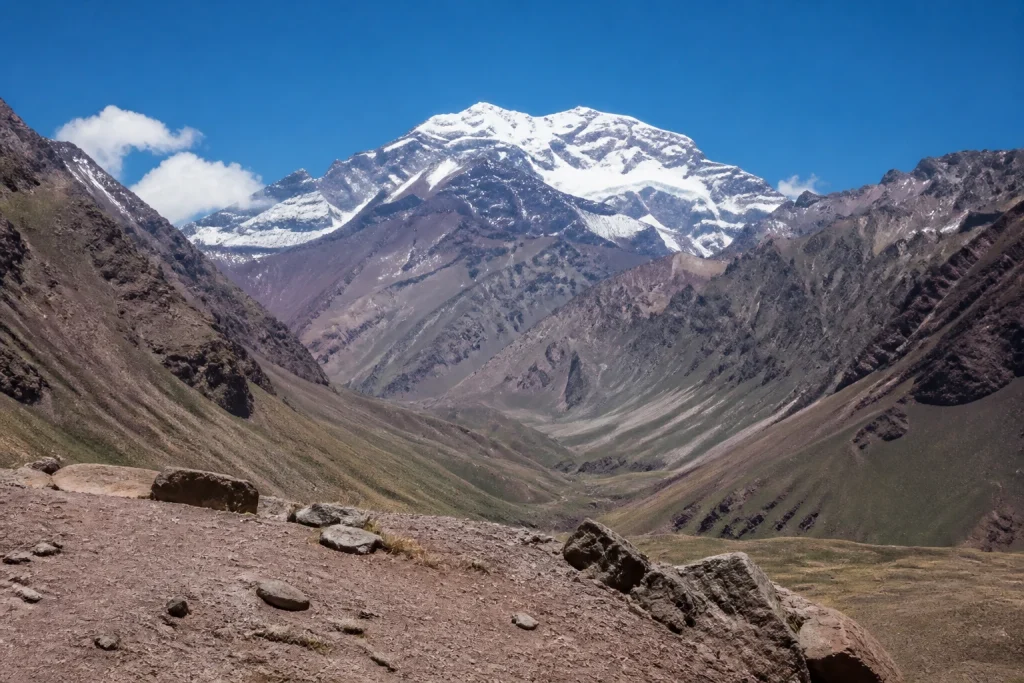
Plan for accommodation in Mendoza, a guided Alta Montaña excursion or local transport, food, and any provincial-park charge that applies to your selected visit. Do not rely on old online figures for the Mendoza to Uspallata bus, excursions or Aconcagua access. Aconcagua is Parque Provincial Aconcagua, so national-park fee tables are not the right reference for pricing it.
When comparing excursions, focus first on the route and inclusions, then check the current price in Argentine pesos directly with the provider. A lower headline cost is only useful if it covers the day you actually want, with the stops and pickup arrangement that fit your plan.
The five checks to make before departure
Make these checks close to departure, especially when weather is unsettled.
- Confirm the chosen bus or Alta Montaña excursion directly with the operator.
- Check Vialidad Nacional’s road-status service on the morning of travel.
- If continuing beyond Uspallata, check the Cristo Redentor border-status page the same day.
- Keep winter lodging and onward transport flexible enough to absorb a closure.
- Review the booking confirmation for the meeting point, departure details and what is included.
The bottom line: let the mountains set the pace
This itinerary suits travellers who want a rewarding slice of the Argentine Andes without driving. Mendoza plus a guided Alta Montaña day is the practical core; a buffer day is what makes it resilient. Public transport to Uspallata can add flexibility once confirmed, but it should not be assumed to cover every landmark. Make the road check, keep the schedule loose, and the car-free route becomes a far more relaxed way to meet the high Andes.
Frequently asked questions
Can you visit the Andes from Mendoza without a car?
Yes. The most practical car-free option is to stay in Mendoza and take a guided full-day Camino de Alta Montaña excursion along RN 7, which can include Potrerillos, Uspallata, Puente del Inca and Aconcagua viewpoints.
Can I take a bus from Mendoza to Uspallata?
A Mendoza to Uspallata public-transport connection has been documented as Line 402G via Cacheuta. Confirm the current timetable, fare, stops and return service before basing your itinerary on it.
Can I cross from Mendoza into Chile in one day?
Passenger travel through the Cristo Redentor system is permitted when the crossing is operating, but a same-day Mendoza-to-Chile plan is not dependable in winter. Check the live road and border status on departure day and avoid fixed onward bookings tied to the crossing.
How many days should I allow for a car-free Andes itinerary?
Allow three days: an arrival day in Mendoza, one guided high-mountain day, and one flexible day for weather, road conditions or a confirmed Uspallata overnight. The third day is especially valuable in winter.
Is this itinerary suitable for travellers worried about altitude or mobility?
It needs individual planning. The Cristo Redentor crossing is above 3,000 metres, and accessibility details for buses, viewpoints and excursion stops should be confirmed with the provider before booking.
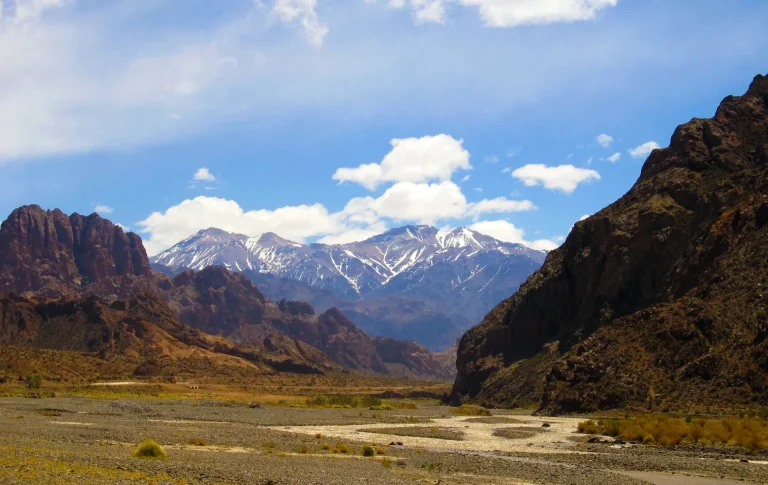
Aconcagua is one of the key viewpoints on Mendoza’s high-mountain corridor by Mariordo Mario Roberto Duran Ortiz, CC BY 3.0.

More bookable experiences
Three tours to compare
Review current provider details before booking. Discover Andes may earn a commission at no extra cost to you.
Continue exploring
More practical guides selected from the Discover Andes library.
The Andes Weather by Month
Plan an Argentine Andes trip month by month, with clear distinctions between Mendoza’s foothills, the high Andes, winter…
Best Time to Visit the Andes
The best time to visit Argentina’s Andes depends on the region and the trip. Compare seasons for Patagonia,…
How to Get Around The Andes Without a Car
Explore Argentina’s Andes without driving by combining regional hubs, domestic flights, long-distance coaches, selected trains, pre-booked transfers, and…

The Andes Travel Mistakes to Avoid
Avoid the common planning mistakes that can derail an Argentine Andes trip, from overambitious routes and seasonal assumptions…