The Andes Solo Travel Guide
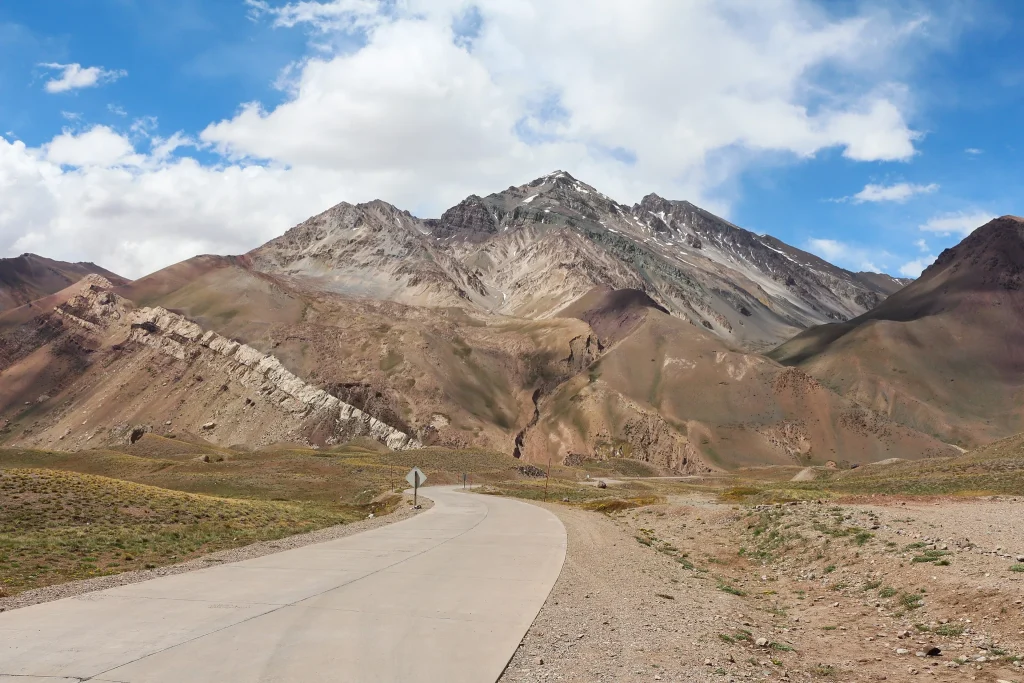
Argentina’s Andes are not one compact destination. Mendoza brings together wine country, hot springs, city comforts, and the Aconcagua landscape; the Northwest leads into highland valleys and the Quebrada de Humahuaca; southern Patagonia shifts the focus to glaciers, lakes, and trailhead towns. Solo travel works best when you treat these as separate regional adventures and give one area enough time to unfold.
- Choose one regional cluster for a short trip rather than trying to combine Mendoza, the Northwest, and Patagonia.
- Mendoza is a practical first base for mountain scenery alongside city services, wineries, and hot springs.
- El Calafate suits glacier-focused plans, while El Chaltén is the northern Los Glaciares trailhead base.
- Autumn and spring suit general Mendoza travel; July and August are the province’s recommended ski months.
- Build flexibility into mountain days, recheck changing park access and fees, and keep valuables secure in busy tourist areas.
Pick one Argentine Andes region and use it as your base
The most useful solo-travel decision is geographic, not logistical: choose the kind of Andes experience you want before booking nights. A focused route reduces rushed travel days and leaves room for weather changes. If your options are still wide open, a guide to the best places to visit in the Andes for first-time visitors can help narrow the landscape that fits your travel style.
.JPG)
| Regional base | Best fit for | Useful solo-travel logic |
|---|---|---|
| Mendoza | Wine country, hot springs, mountain scenery, and Aconcagua Provincial Park | Choose it for a gentler introduction with urban services alongside optional mountain days. |
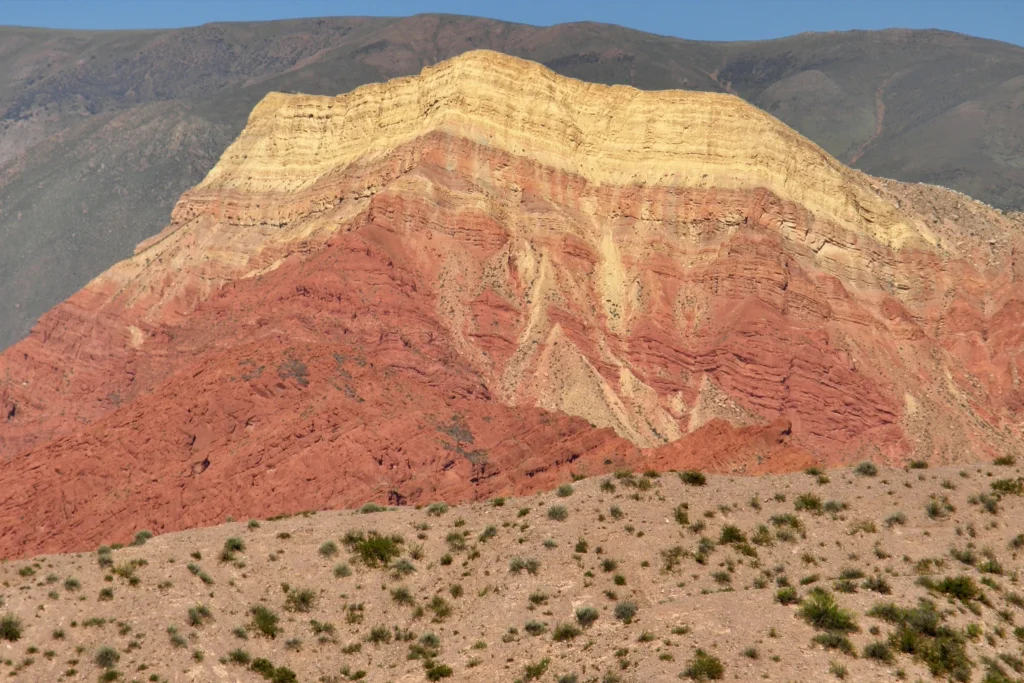
| Argentina’s Northwest | Highland landscapes and the Quebrada de Humahuaca | Choose it for an Andean highlands-focused trip and allow extra slack for transport and changing conditions. |
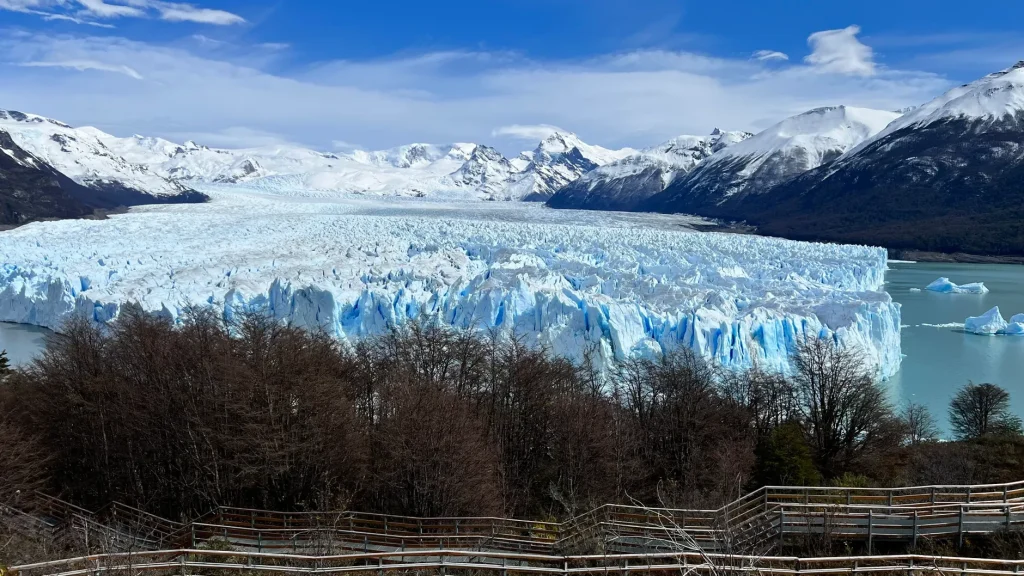
| El Calafate | Glacier sightseeing in Los Glaciares National Park | Choose it when the Perito Moreno area is your priority and an airport-linked base is helpful. |
| El Chaltén | Trail-based time in the northern part of Los Glaciares | Choose it when walking routes and a trailhead setting are the heart of the trip. |
Mendoza for an easier first Andes trip
Mendoza is a strong fit for solo travelers who want the Andes in view without making every day an expedition. It is Argentina’s principal wine-producing province, and its mix of wineries, hot springs, mountain scenery, and Aconcagua Provincial Park makes it easy to balance active days with slower ones. Treat a visit to Aconcagua Provincial Park as a dedicated mountain outing, and check current park rules before planning any serious ascent.
The Northwest for highland landscapes
Argentina’s Northwest includes Jujuy, Salta, Tucumán, Catamarca, La Rioja, and Santiago del Estero. For an Andes-centered route, the Quebrada de Humahuaca is a natural focal point, with highland scenery that feels far removed from Mendoza’s vineyard valleys. Keep the itinerary simple, avoid tight onward connections, and confirm transport details before locking in day-by-day plans.
El Calafate and El Chaltén for southern Patagonia
In Los Glaciares, El Calafate and El Chaltén serve different purposes. El Calafate is the simpler arrival-and-glacier base: its airport receives daily domestic flights, and the Perito Moreno walkway area is 80 km away. El Chaltén is the northern-zone trailhead base, where visitor services and trails begin. Combining both can be rewarding when your schedule allows, but neither needs to be squeezed into a rushed stop.
Time your trip around the region, not a single Andes season
Mendoza’s recommended seasons for general travel are autumn and spring. July and August are the suggested months for skiing, while summer is dry and winter is humid. The province also experiences stronger Zonda winds in August and September, so winter and late-winter mountain plans need a little breathing room. Keep nonrefundable activities away from the only day you have available for a mountain outing.
Patagonian access is seasonal too. During the published 2026 winter period from May 1 through August 31, the Corredor Mitre–Glaciar Moreno access window is 9:00 to 16:00, and visitors can remain in the area until 18:00. Use seasonal operating information as a planning tool, then check the current park notice before travel because access arrangements can change.
Make solo safety part of your normal travel routine
Argentina is rated Level 1, meaning normal precautions, in the U.S. Department of State’s July 2026 travel advisory. Petty crime occurs, particularly in tourist locations and Buenos Aires, while seismic activity can sometimes affect infrastructure. That calls for calm, everyday habits: stay alert in crowded places, keep your phone and valuables secure, and avoid carrying everything important in one bag.
For a mountain-focused solo trip, travel insurance with medical and evacuation coverage is a sensible part of the plan. Share your overnight base and expected return time with a trusted contact when heading out for a remote day. Keep screenshots or offline copies of key reservations, and give yourself enough battery power to handle a delayed connection without drama.
Build your transport and lodging plan around the right base
Where you sleep shapes how relaxed a solo route feels. In El Calafate, book around the days you want to devote to the Perito Moreno area rather than assuming it is a quick walk from town. In El Chaltén, arrive with time to settle before planning trail-based days. In Mendoza, use the city as a steady base for mountain scenery, wineries, and hot springs rather than changing hotels every night.
Quebrada del Condorito National Park in Córdoba requires special care with logistics. Visitors arriving by bus or other transport must complete registration, and access from La Pampilla is on foot. Confirm the live transport timetable, registration process, and seasonal gate schedule before building a day around the park. This is a place to plan deliberately rather than count on spontaneous, door-to-door connections.
Budget for park entry separately from the rest of the trip
Park admission is only one line in an Andes budget. Transport, accommodation, meals, guides, activities, and equipment are separate costs, so do not mistake an entry ticket for the price of a whole mountain day. Argentina’s national park fees can change quickly, making a final check of the official ticket portal worthwhile shortly before departure.
| National park | Published daily General entry price from June 1, 2026 | Planning note |
|---|---|---|
| Los Glaciares National Park | ARS 50,000 | Recheck the official portal before visiting. |
| Quebrada del Condorito National Park | ARS 25,000 | This is a published tariff; confirm current collection and access arrangements before travel. |
| Annual National Parks pass | ARS 300,000 | Compare it with your intended park visits before purchasing. |
Plan for altitude, weather, and access before the mountain day
A highland itinerary rewards restraint. Start with a lighter day after arriving, leave room to adjust your plans, and do not make a demanding outing the immovable centerpiece of a tightly packed schedule. For practical preparation, use a plain-English altitude acclimatisation guide for the Andes and build its pacing advice into your route before you add ambitious hikes or remote excursions.
- Layers that can handle warm indoor spaces and sharply cooler mountain conditions.
- Sun protection, water, and snacks for long sightseeing or walking days.
- A small daypack that keeps essentials close and hands free.
- Offline reservation details, a charged power bank, and a backup payment method stored separately.
- A flexible final day when weather, wind, or park access matters to your plans.
Do not make blanket assumptions about accessibility in mountain regions. Quebrada del Condorito includes foot access from La Pampilla, and El Chaltén is organized around trail-based services. Travelers with mobility, respiratory, visual, or other access needs should obtain written confirmation of route surfaces, transport, bathrooms, assistance, and lodging arrangements from each relevant operator before booking.
Shape a solo itinerary that leaves room for the Andes
- Mendoza in four or five nights: settle into the city, reserve one flexible mountain day for Aconcagua Provincial Park or other scenery, then add winery or hot-springs time without trying to fill every afternoon.
- Northwest highlands in four or five nights: choose one main base and let the Quebrada de Humahuaca set the tempo. Use an arrival day to get oriented, then leave extra time around any transport-dependent excursion.
- Southern Patagonia in five or more nights: make El Calafate the glacier portion of the trip and add El Chaltén only if you have enough time to enjoy a trailhead stay rather than simply passing through.
The common thread is simplicity. One region, one or two lodging bases, and a buffer day will usually produce a better solo trip than a long checklist of famous names. Argentina’s Andes are vast enough to reward a return visit, which is excellent news for anyone who hates racing a sunset from the window of a bus.
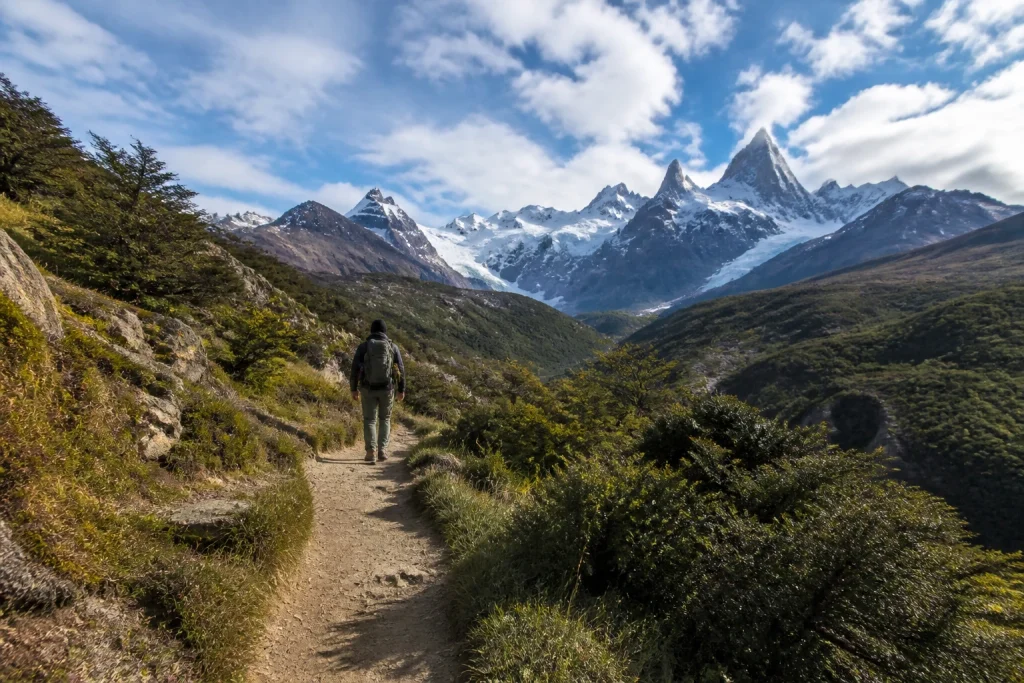
The best Andes solo trip is the one with a clear regional focus
Solo travelers who value a comfortable base and varied days should start with Mendoza. Those drawn to highland landscapes should focus on the Northwest, while glacier visitors and walkers should look south to El Calafate and El Chaltén. The main limitation is distance: these regions demand choices. Pick the landscape that excites you most, build in flexibility, and let the route breathe.
Frequently asked questions
Are the Argentine Andes good for solo travel?
Yes. A solo trip works especially well when you choose one region, use a stable base, and leave flexibility for mountain conditions. Mendoza, the Northwest, and southern Patagonia offer very different experiences, so a focused route is more practical than trying to cover all three in one short trip.
Which Argentine Andes region is easiest for a first solo trip?
Mendoza is a strong first choice for travelers who want city services, wineries, hot springs, mountain scenery, and Aconcagua Provincial Park in the same region. It offers a lower-friction introduction than building a fast-moving route across multiple distant Andes areas.
Is August a good time to visit the Andes in Argentina?
August can work well for a Mendoza ski-focused trip, but it is winter and stronger Zonda winds are common in August and September. In Los Glaciares, winter access arrangements are in effect through August 31 in the published 2026 schedule, so check current park information before setting out.
Should I stay in El Calafate or El Chaltén?
Stay in El Calafate when the Perito Moreno Glacier area is the priority, since the airport receives daily domestic flights and the glacier walkway area is 80 km from town. Stay in El Chaltén when you want a trailhead base for the northern part of Los Glaciares National Park.
How much are national park entry fees in Argentina’s Andes?
From June 1, 2026, the published daily General entry price is ARS 50,000 for Los Glaciares and ARS 25,000 for Quebrada del Condorito. Fees and ticket rules can change, and the Condorito tariff should be confirmed shortly before travel.
Aconcagua Provincial Park, Mendoza by Bernard Gagnon, CC BY-SA 4.0.

More bookable experiences
Three tours to compare
Review current provider details before booking. Discover Andes may earn a commission at no extra cost to you.
Continue exploring
More practical guides selected from the Discover Andes library.
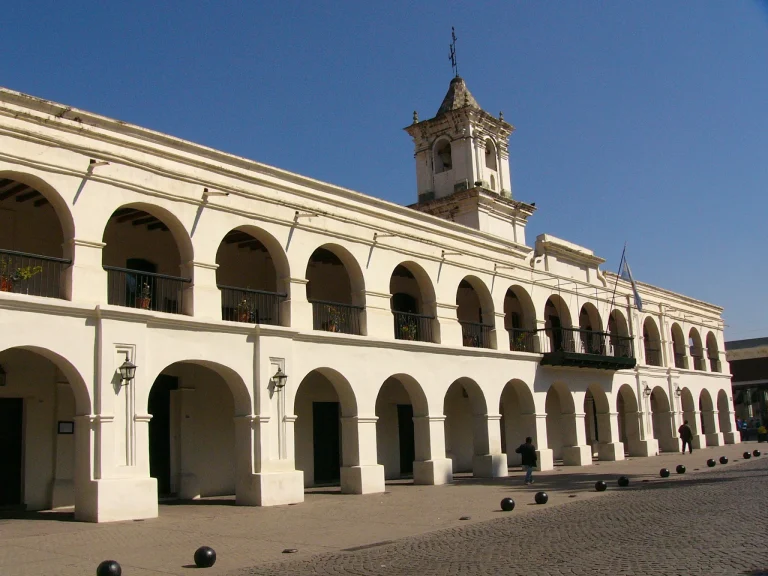
The Andes Art and Culture Guide
Explore the art, living traditions, museums, historic streets, crafts and high-desert cultural landscapes of Argentina’s northwest, with practical…
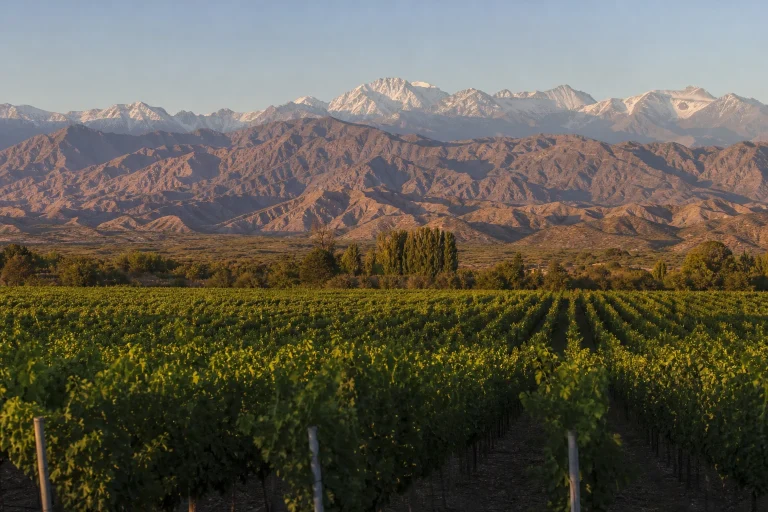
The Andes New Year’s Eve Guide
Plan New Year's Eve in the Argentine Andes with practical advice on Mendoza, the Uco Valley, Bariloche, summer…
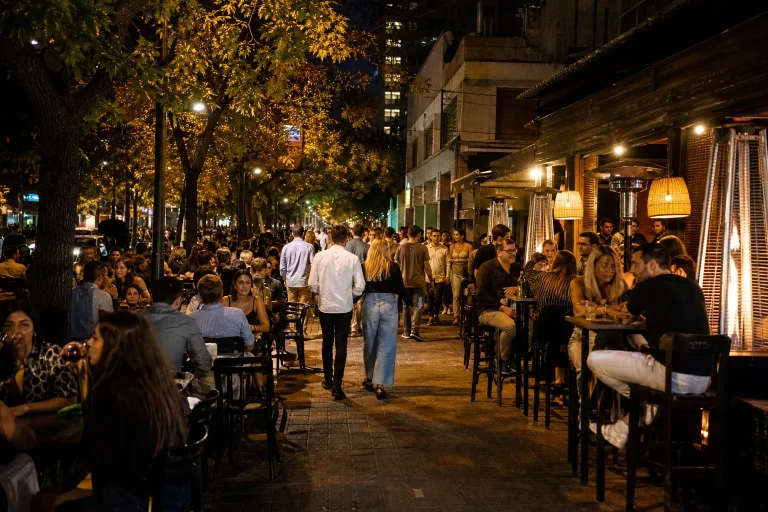
Best Bars in The Andes
Explore the strongest drinks experiences in Argentina’s Andes, including Mendoza’s urban bar districts, vineyard tasting venues, an urban…
The Andes by Night Guide
Plan an evening or overnight journey into Argentina’s high Andes, with practical guidance on Salta and Jujuy gateways,…