Patagonia Andes Guide
Argentina’s Patagonia Andes are best approached as separate mountain-and-park regions rather than one compact loop. This guide focuses on the Bariloche and Nahuel Huapi area, Los Glaciares through El Calafate and El Chaltén, and the Ushuaia extension into Tierra del Fuego. Each supports a different kind of trip, from lake excursions and self-drive circuits to glacier viewpoints and serious trekking.
Plan Patagonia as a multi-region journey
- Use Bariloche as a hub for Nahuel Huapi’s boat trips, walks, treks, and road routes.
- Use El Calafate for Perito Moreno Glacier and El Chaltén for Los Glaciares’ northern trekking sector.
- Choose Perito Moreno for road-accessible glacier scenery; reserve El Chaltén’s longest walks for prepared hikers.
- In Los Glaciares’ northern sector, May through September is a specialist winter hiking period with mandatory poles and crampons.
- Budget national-park entry separately, carry identification, and check the live tariff before travel.
On a shorter trip, select one main region and let it set the pace. El Calafate and El Chaltén combine naturally within Los Glaciares, linked by 200 km of paved road, while Ushuaia is a far-southern extension rather than a quick add-on. A companion primer, Best Places to Visit in the Andes for First-Time Visitors, can help place Patagonia within a broader South American route.
Choose the right base before building an itinerary
A Patagonia Andes itinerary works better when each overnight base has a clear job. Bariloche is the northern lake-and-mountain hub. El Calafate serves the glacier-focused southern sector of Los Glaciares. El Chaltén is for the northern trail network. Ushuaia opens the route into Tierra del Fuego National Park. Trying to give each place a rushed overnight dilutes the experience and complicates the journey.
Bariloche and Nahuel Huapi for a flexible Lake District stay
Bariloche is the practical hub for Nahuel Huapi National Park, where the choice extends well beyond one signature hike. The park offers boat excursions, family walks, longer treks, and self-drive circuits that include Cerro Tronador, the Manso area, and the Seven Lakes route toward San Martín de los Andes. This is the strongest base for travelers who want a varied mountain itinerary rather than a trek-only schedule. Trekking requires advance registration.
El Calafate for Perito Moreno Glacier
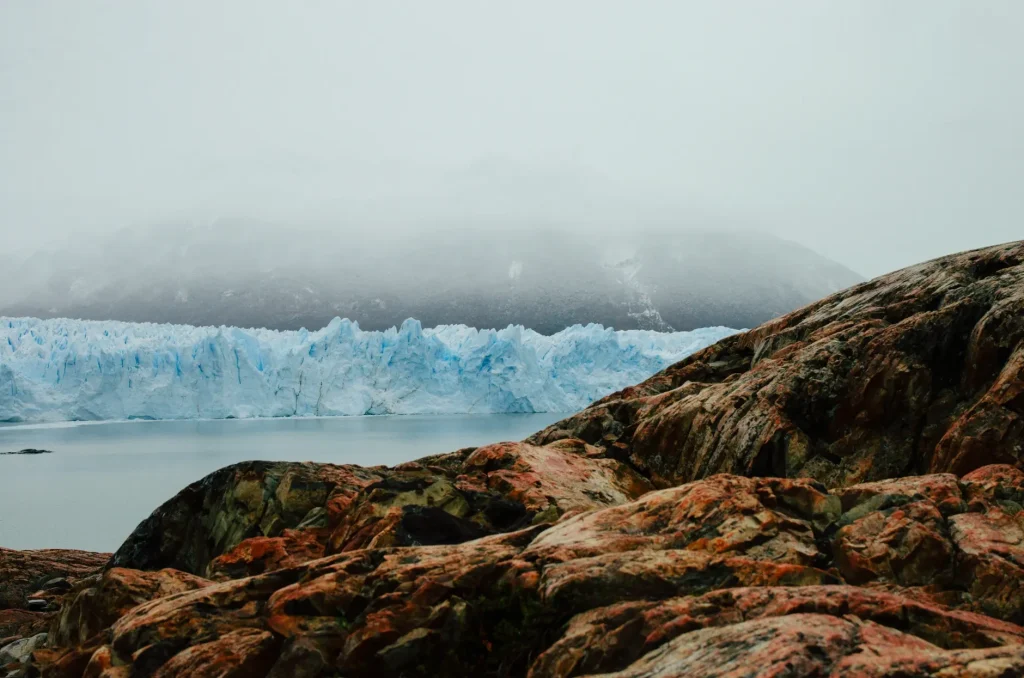
El Calafate is the base for the southern sector of Los Glaciares and for Perito Moreno Glacier. The access portal is about 50 km away on paved RP 11, making the glacier a strong choice for a full sightseeing day. Visitors can travel by car, rental car, regular bus, remise, or organized excursion. The boardwalk-and-viewpoint network makes this one of the region’s most direct ways to experience major glacier scenery.
El Chaltén for Los Glaciares’ demanding northern trails
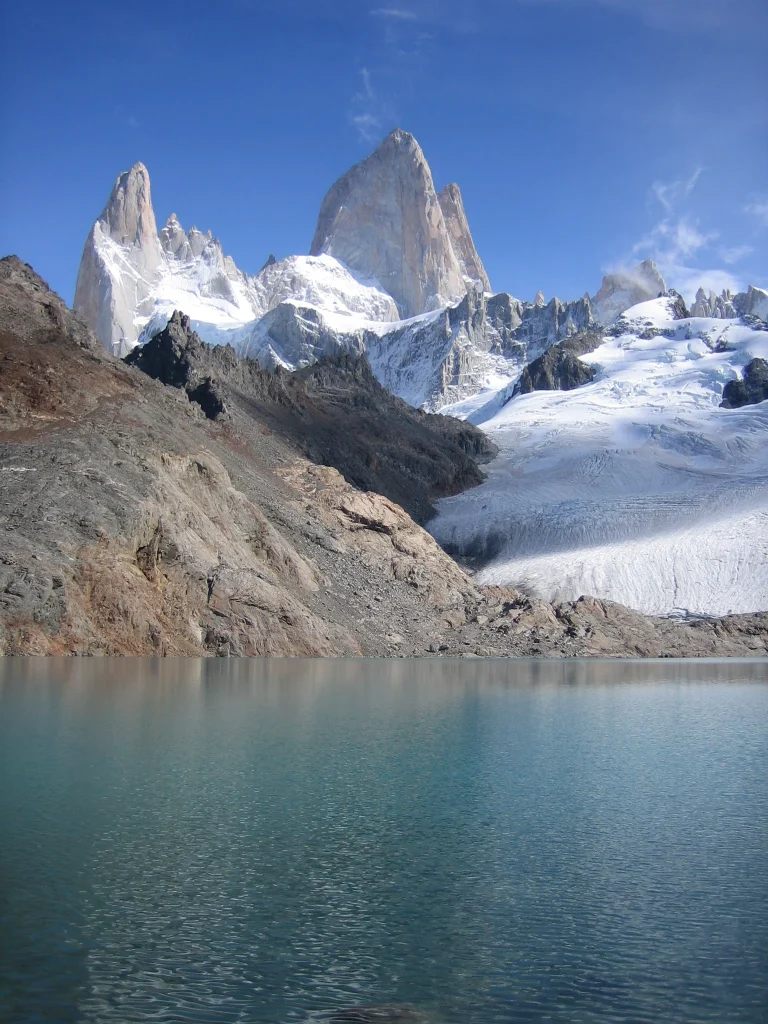
El Chaltén is the base for the northern trekking sector of Los Glaciares. The town suits travelers ready to commit time and energy to full walking days. Laguna de los Tres, one of the park’s headline routes, is listed at 25 km and takes about 8 to 9 hours, with medium-high difficulty. Treat this area as a mountain destination with changing conditions, not as a collection of casual viewpoints.
Ushuaia and Tierra del Fuego for a distinct southern extension
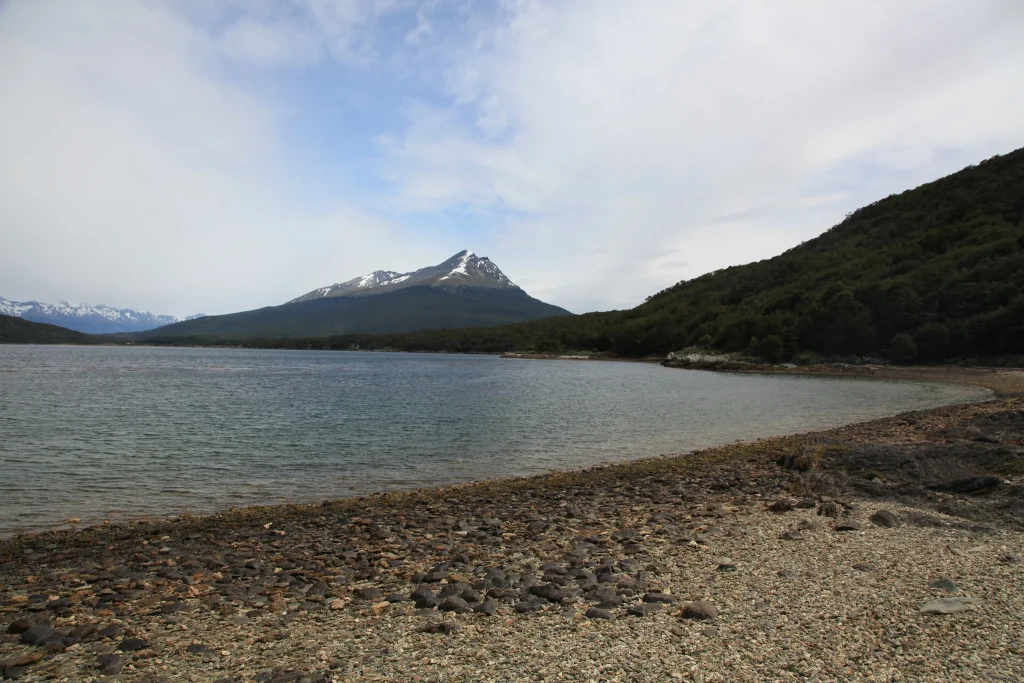
Ushuaia deserves its own segment of a Patagonia plan. In Tierra del Fuego National Park, RN 3 connects Ushuaia with the entrance and continues to Bahía Lapataia. The park has 40 km of trails at different difficulty levels, offering a useful contrast to the longer hikes around El Chaltén. Its setting at the far south of the route makes it better as a focused stay than a hurried stop between other regions.
| Base | Choose it for | Key planning point |
|---|---|---|
| Bariloche | Lake excursions, walks, treks, and self-drive circuits in Nahuel Huapi | Register in advance for trekking. |
| El Calafate | Perito Moreno Glacier and southern Los Glaciares | The glacier access portal is about 50 km away on paved RP 11. |
| El Chaltén | Long northern-sector hiking days | Laguna de los Tres is a 25 km, 8 to 9 hour medium-high difficulty walk. |
| Ushuaia | Tierra del Fuego trails and Bahía Lapataia | RN 3 links the city, park entrance, and Bahía Lapataia. |
Choose between easy scenic access and a major hiking commitment
The central decision in Argentine Patagonia is simple: do you want spectacular scenery with straightforward access, or do you want to earn it over a long mountain day? Both experiences are worthwhile, but they require different bases, equipment, and contingency time. Perito Moreno is designed around road access, boardwalks, and viewpoints. El Chaltén’s best-known hiking days demand more time, fitness, and attention to trail conditions.
Perito Moreno is the best fit for accessible glacier viewing
Perito Moreno Glacier is a strong choice for travelers who want a major landscape without committing to a strenuous trek. Los Glaciares provides accessible alternatives for people with reduced mobility within the boardwalk-and-viewpoint system. Allow the glacier day to remain flexible enough for transport, time on the walkways, and changing weather, rather than treating it as a rushed stop between long-distance transfers.
El Chaltén rewards preparation and patience
For hikers, El Chaltén offers the deeper mountain commitment. Start with an honest assessment of daylight, forecast, fitness, and trail rules before choosing a long route. Laguna de los Tres is not a short stroll, and the park’s wider northern sector includes remote areas with additional registration requirements. Build your plan around one serious objective per day, leaving room to adjust if conditions change.
Treat winter trekking as a specialist activity
In Los Glaciares’ northern sector, the official winter period runs from May through September. During these months, trails can hold ice, mud, and snow and become extremely difficult. Poles and crampons are mandatory. This is not the default season for an improvised first hike in El Chaltén. Winter visitors should choose objectives that match their skills, arrive with the required equipment, and be ready to change plans.
Weather can change rapidly in Los Glaciares in any season, and mobile coverage can be weak or absent. Before heading out, check the national weather forecast, local road conditions, fire-danger information, visitor centers, and the protected area’s official updates. In winter, driving within Los Glaciares requires approved chains and/or studded tires. Make this same-day check part of the morning routine, not an afterthought.
Register for trekking and reserve the right campsites
Do not confuse ordinary sightseeing access with backcountry freedom. In Los Glaciares’ northern sector, climbers and visitors to remote areas must register. Camping at De Agostini, Capri, and Poincenot requires a reservation. Trail registration is also mandatory from May through September. Nahuel Huapi likewise requires prior registration for trekking. Complete these steps before setting out, then recheck conditions on the day of your hike.
These rules make a practical difference to trip design. Sightseeing around Perito Moreno can be planned as a road-and-viewpoint day, while an El Chaltén hiking itinerary needs trail registration and greater weather flexibility. Campers should build their route around the specific sites that require reservations instead of assuming a spontaneous overnight is possible. The more remote the plan, the more important the pre-departure check becomes.
Budget for park access and use the strongest mobility options
Set aside national-park admission separately from transport, lodging, and any excursions. Argentina’s 2026 access rules apply to Los Glaciares, Tierra del Fuego, and Nahuel Huapi. A second visit to the same listed park within 72 hours receives a 50% reduction. Carry a valid ID or passport because visitor category is determined by identification. Entry tariffs can change, so check the live official sales channel before finalizing your budget.
.jpg)
For travelers with reduced mobility, Perito Moreno has the clearest documented accessible alternative through its boardwalk-and-viewpoint system. Tierra del Fuego National Park’s Castorera trail includes a 150 m adapted section. In Nahuel Huapi, lake excursions are described as suitable for all ages, though specific accessibility arrangements depend on the operator. Choose the glacier day or an adapted trail when scenic access matters more than distance covered.
Build a Patagonia Andes itinerary that fits your travel style
Start with the experience you most want, then choose the base that delivers it. This approach prevents a common Patagonia mistake: treating distances between famous names as if they were neighborhood hops. The strongest itineraries leave enough time to settle into one region, watch the forecast, and choose activities appropriate to the day’s conditions.
- Choose Bariloche for a flexible Nahuel Huapi program of boat outings, walking, trekking, and scenic driving.
- Choose El Calafate when Perito Moreno Glacier is the priority and you prefer road-based access to views.
- Add El Chaltén when long hiking days are central to the trip; it is 200 km by paved road from El Calafate.
- Treat Ushuaia as a separate far-southern extension, with RN 3 access to Tierra del Fuego National Park and Bahía Lapataia.
- Check weather, roads, fire information, registrations, and park updates again on the morning of each outing.
A glacier-centered route suits travelers who value accessible scenery and a clear day-trip structure. A hiking-centered route belongs in El Chaltén, with longer walks and careful attention to regulations. Bariloche offers the widest mix of activities, while Ushuaia gives a distinct Tierra del Fuego chapter. If you have time for only one region, choose the base that matches your preferred pace instead of chasing every landmark.
Is the Patagonia Andes region right for your trip?
Patagonia is a fine choice for travelers who enjoy landscapes that shape the day’s plan. Its great reward is variety: Nahuel Huapi’s lake routes, Perito Moreno’s accessible glacier viewpoints, El Chaltén’s demanding hikes, and Tierra del Fuego’s trail network. Its main limitation is distance. Pick a region, respect seasonal rules, and leave room for conditions to guide the itinerary. That is how Patagonia feels expansive rather than exhausting.
Frequently asked questions
Are the Patagonia Andes a single destination to cover quickly?
No. Argentine Andean Patagonia is best planned as separate regions: Bariloche and Nahuel Huapi, Los Glaciares through El Calafate and El Chaltén, and Ushuaia with Tierra del Fuego. El Calafate and El Chaltén are linked by 200 km of paved road, but Ushuaia is a distinct far-southern extension.
Which Patagonia base is best for first-time visitors?
Bariloche is the most flexible base for a mix of boat excursions, walks, treks, and scenic driving in Nahuel Huapi. Choose El Calafate for Perito Moreno Glacier, El Chaltén for major hikes, or Ushuaia for Tierra del Fuego National Park.
Can I visit Perito Moreno Glacier without a long hike?
Yes. Perito Moreno can be reached from El Calafate by paved road, regular bus, remise, car, rental car, or organized excursion, and the park has a boardwalk-and-viewpoint system with accessible alternatives for visitors with reduced mobility.
How difficult is the Laguna de los Tres hike?
Laguna de los Tres is a demanding day hike listed at 25 km, taking about 8 to 9 hours, with medium-high difficulty. Plan it as a full mountain day and check trail conditions before departure.
Do I need to register for trekking in Patagonia?
Yes, registration is required for trekking in Nahuel Huapi, and Los Glaciares requires registration for remote-area visitors and climbers. In Los Glaciares’ northern sector, trail registration is mandatory from May through September; several campsites also require reservations.
Can I hike in El Chaltén during winter?
Yes, but winter hiking in Los Glaciares’ northern sector is specialist, gear-dependent travel. From May through September, trails can have ice, mud, and snow, and poles and crampons are mandatory.
Do Argentina’s Patagonia national parks charge entry fees?
Yes. The 2026 national-park access rules cover Los Glaciares, Nahuel Huapi, and Tierra del Fuego; carry ID or a passport for the visitor category. A second visit to the same listed park within 72 hours receives a 50% reduction, while current tariffs should be checked before travel.
Perito Moreno Glacier is the most accessible major glacier experience in Argentine Patagonia by Eleanore Stohner, Pexels.