The Andes Fall Travel Guide
In Argentina, fall means Southern Hemisphere autumn, but the Andes do not follow one simple seasonal script. Mendoza pairs vineyards with mountain landscapes, Salta and Jujuy are especially well suited to outdoor exploration in April to June, and Los Glaciares brings autumn colour alongside a tightening window for hiking-oriented plans. Choose one region that fits your interests and travel dates instead of trying to race across the country.
Understand Argentina’s fall before choosing a route
Fall travel in the Argentine Andes works best as a regional decision. Mendoza is a polished choice for wine-country activities and mountain scenery. Salta and Jujuy favor clear skies and comfortable outdoor touring later in the season. Patagonia is most practical earlier in fall, before lower temperatures and snowfall increasingly affect access in Los Glaciares.
- Choose Mendoza for a fall trip centered on vineyards, wine-country activities, and mountain landscapes.
- Choose Salta and Jujuy for outdoor exploration in April to June, when official tourism guidance highlights ideal temperatures and clear skies.
- Plan Los Glaciares for March or April if hiking flexibility is important, and do not assume late-fall trails will be accessible.
- Treat Mendoza, the Northwest, and Patagonia as separate trips unless you have a long itinerary and can accommodate internal flights or substantial overland travel.
- Check current route, weather, and trail status before any mountain outing, especially later in fall.
Pick the Argentine Andes region that fits your fall priorities
| Region | Best fall fit | Key planning consideration |
|---|---|---|
| Mendoza | Wine-country activities, vineyards, and mountain scenery | Autumn is a recommended season, but mountain-road conditions should be checked close to travel. |
| Salta and Jujuy | Outdoor exploration in April to June | These northern regions are the strongest option for travelers prioritizing clear skies and comfortable touring later in fall. |
| Los Glaciares | Early-fall Patagonia scenery and hiking-focused plans | March and April are the more practical fall months; colder conditions and snow can restrict trails and activities from May onward. |
Think of this as a choice between three distinct styles of trip, not three stops on a short circuit. The contrast is useful: Mendoza is relaxed and food-and-wine focused, the Northwest rewards scenic outdoor touring later in autumn, and Los Glaciares asks for closer attention to cold-weather access. Each can easily carry an entire fall holiday.
Choose Mendoza for vineyards and mountain scenery
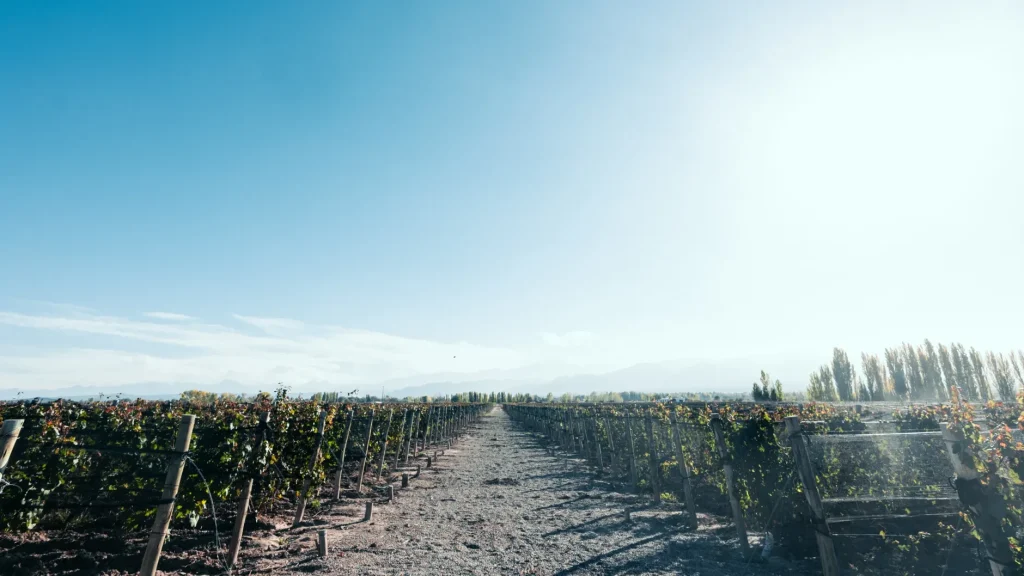
Mendoza is the easiest match for travelers who want the Andes in view without building the whole trip around demanding trekking. The province combines vineyards, wine-country activities, and mountain landscapes, and autumn is one of its recommended travel seasons. It is a strong fit for an itinerary with time to linger over meals, explore wine areas, and add mountain scenery at a comfortable pace.
Use Mendoza as a self-contained regional trip rather than a brief pause between far-flung destinations. Conditions on mountain roads can vary, so keep any high-mountain outing flexible and check local conditions shortly before setting out. That small bit of planning leaves the rest of the trip free for the pleasures that define Mendoza in fall: vines, food, open views, and a slower rhythm.
Choose Salta and Jujuy for later-fall outdoor touring
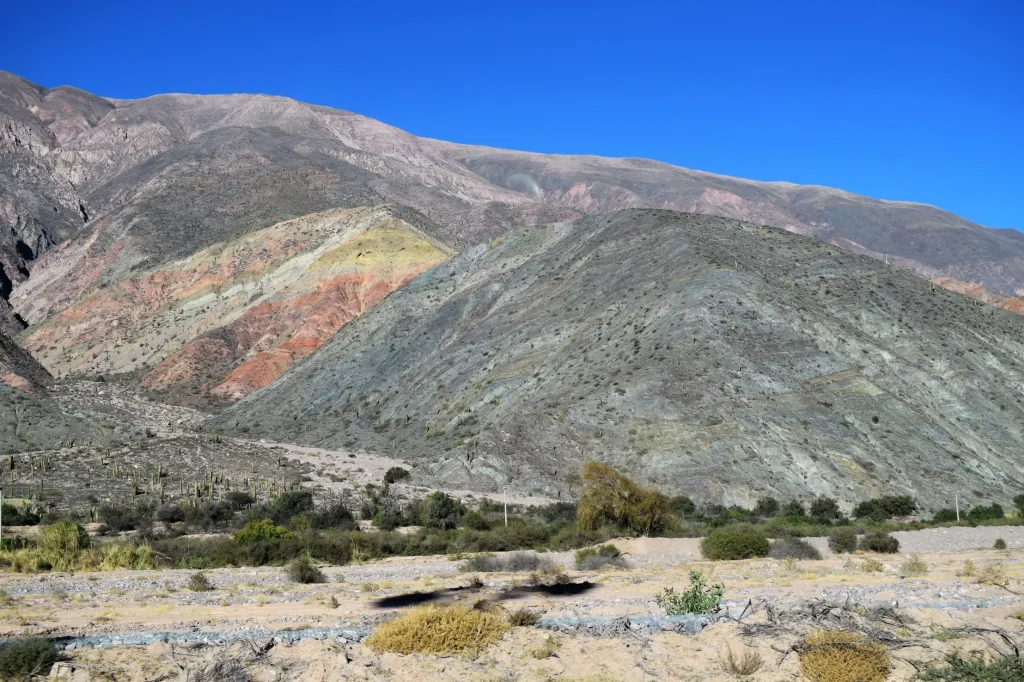
For an April, May, or June departure, Salta and Jujuy are the strongest Argentine Andes choice for outdoor exploration. Official tourism guidance identifies this period as especially favorable, with ideal temperatures and clear skies. It is a compelling trade for travelers who value long scenic drives, mountain landscapes, and time outdoors more than a classic Patagonia hiking itinerary.
Give the Northwest enough time to breathe. Its landscapes reward unhurried days, while Argentina’s scale makes rushed combinations inefficient. If your northern route includes high-elevation terrain, read Altitude in the Andes: A Plain-English Acclimatisation Guide before finalizing the plan. Build in time to adjust gradually rather than treating altitude as an afterthought.
Choose Los Glaciares for an early-fall Patagonia plan
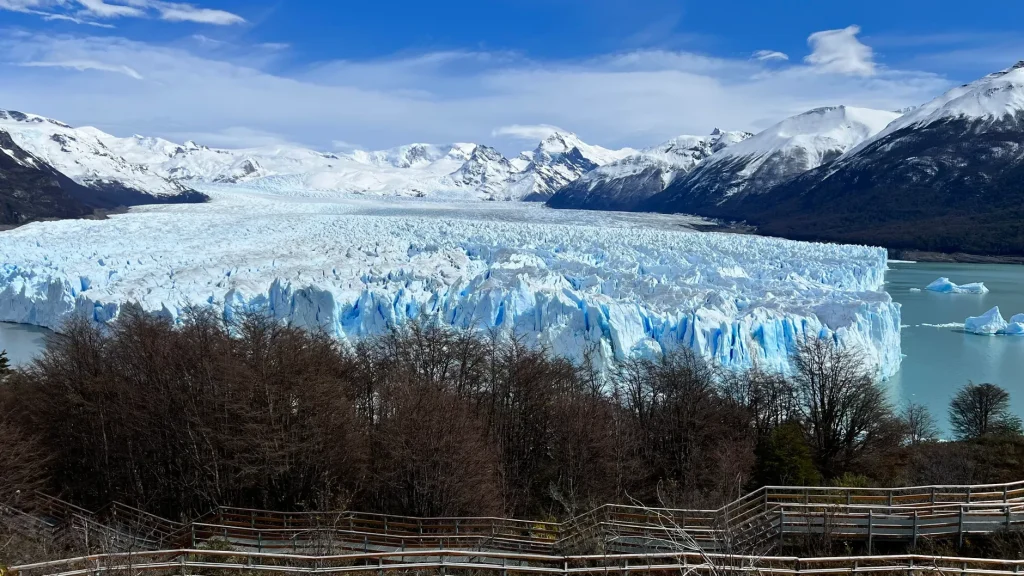
Los Glaciares National Park brings a more weather-sensitive version of fall. Autumn vegetation adds colour, and the park recommends visits during the September-through-April period. For fall travelers who want the best chance of keeping hiking and outdoor options open, March and April are the sensible window. This is a planning advantage, not a promise that every route will be available on every day.
El Calafate is the southern gateway to Los Glaciares, while El Chaltén is the northern hiking gateway. They are linked by a paved 220-kilometre road with daily scheduled bus services. El Calafate also has an airport with daily domestic flights, while international service depends on the season. Check current transport timetables before locking in connections, since frequencies can change.
From May onward, low temperatures and snowfall can make some activities and trails harder to access. In the park’s northern zone, winter conditions run from May through September and can make trails extremely difficult. A late-fall Patagonia trip can still be rewarding, but it should be built around current conditions instead of a fixed trekking wish list.
Build one region into the heart of your itinerary
Argentina is vast enough that a full survey of its major regions and headline attractions requires at least 20 days. That makes a one-region Andes trip the smart default. A multi-region itinerary is best reserved for a longer journey with internal flights or substantial overland travel, rather than squeezed into a short fall break.
| Route shape | Who it suits | Fall focus |
|---|---|---|
| Mendoza only | Travelers seeking wine-country experiences and mountain scenery | Build around the province’s recommended autumn season. |
| Salta and Jujuy focus | Travelers going in April to June who prioritize outdoor exploration | Use the clearer, comfortable conditions for a northern Andes itinerary. |
| Los Glaciares focus | Travelers visiting in March or April with hiking and Patagonia scenery in mind | Use El Calafate and El Chaltén as the two practical park gateways. |
| Multi-region Argentina | Travelers with a long itinerary | Allow for internal flights or substantial overland travel. |
Plan transport and Los Glaciares entry costs carefully
For Los Glaciares, arrange gateway transport first and keep the rest of the itinerary flexible around it. The park’s official fee schedule, effective June 1, 2026, lists a general daily admission of ARS 50,000 for both the North and South zones. Confirm current transport times and ticket rules before travel, particularly if you expect to enter through more than one park area.
| Los Glaciares daily admission category | Listed tariff effective June 1, 2026 |
|---|---|
| General admission | ARS 50,000 |
| Argentine residents | ARS 25,000 |
| Provincial residents | ARS 8,000 |
| Students | ARS 15,000 |
| People with disabilities | Exempt |
Keep the rest of your budget flexible. Airfares, buses, lodging, guides, rental cars, meals, and exchange rates change frequently, so compare current totals once your region and dates are settled. For Los Glaciares, do not assume that entry through one zone automatically covers a separate entrance or a later date. Review the park’s current ticket conditions before arrival.
Treat mountain weather and trail access as part of the plan
Mountain weather can change rapidly in every season, and phone coverage can be weak or absent in parts of Los Glaciares. Check route and trail status before setting out, carry the information you need with you, and let conditions shape the day’s plan. During the northern-zone winter period of May through September, the park requires trekking poles and crampons for hiking.
Perito Moreno Glacier has a useful but limited mobility accommodation: private vehicles carrying visitors with reduced mobility, including people with disabilities, can use an upper parking area. This should not be taken as confirmation that every walkway is fully wheelchair-accessible. The walkways use metal grating, and the park recommends supportive trekking footwear to reduce the risk of falls.
Pack for changing conditions, not a single forecast
- Bring adaptable layers and weather protection for fast-changing mountain conditions.
- Wear supportive trekking footwear for the metal-grating walkways at Perito Moreno Glacier.
- Download or carry essential route details rather than relying entirely on mobile signal.
- For northern-zone hiking in Los Glaciares during May through September, take the required trekking poles and crampons.
- Carry the documents needed to support any resident, student, or disability-related park admission category.
Make fall in the Andes a regional journey
A well-planned fall trip in Argentina’s Andes is defined by focus. Choose Mendoza for wine-country ease and mountain views, Salta and Jujuy for outdoor touring later in the season, or Los Glaciares for an earlier fall Patagonia experience with flexible hiking plans. Pick the region first, match it to your dates, then confirm the transport and trail details that matter most. That approach turns a huge mountain range into a trip with a clear rhythm.
Frequently asked questions
Is fall a good time to visit the Argentine Andes?
Yes, if you choose the region to match your dates and priorities. Mendoza is recommended in autumn, Salta and Jujuy are especially favorable for outdoor exploration in April to June, and Los Glaciares is best approached earlier in fall when hiking access is generally less restricted.
Which Argentine Andes region is best for a May or June trip?
Salta and Jujuy are the strongest choice for May or June outdoor touring. Official tourism guidance identifies April to June as an ideal period for exploration, with clear skies and comfortable temperatures.
When should I visit Los Glaciares in fall?
March and April are the more practical fall months for a Los Glaciares trip with hiking ambitions. The park recommends visits through April, while low temperatures and snowfall can make trails and activities harder to access from May onward.
How do I reach Los Glaciares National Park?
Use El Calafate as the southern gateway and El Chaltén as the northern hiking gateway. A paved 220-kilometre road and daily scheduled buses connect them, while El Calafate airport has daily domestic flights; confirm current schedules before booking onward travel.
How much is admission to Los Glaciares National Park?
The listed general daily admission is ARS 50,000, effective June 1, 2026, for both the North and South zones. Reduced rates apply to Argentine residents, provincial residents, and students, while people with disabilities are listed as exempt; check current ticket rules before your visit.
Vineyards and mountain landscapes are central to a Mendoza fall trip by Alex Dos Santos, Pexels.