The Andes Weather by Month
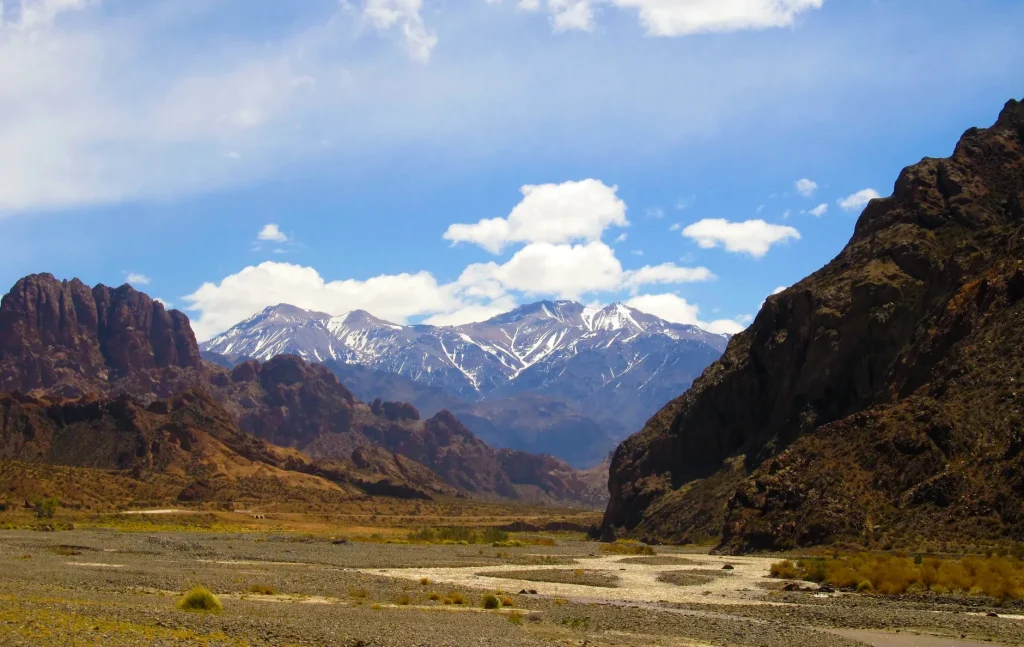
Argentina’s Andes do not follow one simple weather pattern. Mendoza and Cuyo have dry summers and cooler winters at the foothills, while the high Andes are colder, snowier, and shaped by elevation. This month-by-month planner focuses on those distinct Argentine travel environments, so you can choose dates for sightseeing, skiing, and mountain travel with clearer expectations.
- For a broadly comfortable Mendoza visit, target autumn or spring.
- For skiing in Mendoza’s high Andes, July and August are the strongest fit within the June–September snow season.
- Summer is dry in Mendoza/Cuyo, but high-altitude nights still turn cold.
- Treat mountain travel and the Cristo Redentor crossing as weather-sensitive, especially in winter.
- Pack insulating layers, weatherproof outerwear, sun protection, and footwear suited to your activity in every season.
Read the Andes as separate travel environments
Use Mendoza/Cuyo foothill guidance for city stays, vineyards, and lower-elevation excursions. Use high-Andes guidance for mountain routes, snow activities, and exposed terrain. Patagonia also has Andean landscapes, but it needs destination-specific planning rather than a forecast borrowed from Mendoza. The calendar below is a seasonal tool, not a promise of daily conditions.
| Area | Seasonal pattern | Best use of this guide |
|---|---|---|
| Mendoza/Cuyo foothills | Dry summers, with a stated seasonal average of 24°C; winters average 6°C. | Plan city breaks, vineyard time, and general Mendoza travel. |
| Mendoza high Andes | Cold conditions, heavy precipitation, snowfall, and a June–September snow season. | Plan mountain outings, ski trips, and weather-sensitive road travel. |
| Patagonian Andes | Argentina’s climate varies substantially by region and elevation. | Use local forecasts and destination-specific operating information for a separate Patagonia itinerary. |
Andes weather by month in Argentina
Argentina’s seasonal calendar runs opposite to the Northern Hemisphere: summer spans late December through March 20, autumn begins March 21, winter begins June 21, and spring begins September 21. In the Mendoza high Andes, the practical snow-season window runs from June through September. Use the dates below to match your trip to the kind of experience you want.
January: dry summer at the foothills
January is summer in Argentina. In Mendoza/Cuyo, it falls within the region’s dry summer pattern, whose stated seasonal average is 24°C. That figure does not describe the high Andes: mountain days can be pleasant in summer, while nights at higher elevations become much colder. Plan lowland and mountain clothing separately.
February: summer continues, with cold high-elevation nights
February remains a summer month. It suits travelers using Mendoza as a dry-weather base, but it is not a reason to leave warm gear behind for an Andes excursion. High-altitude conditions remain markedly colder than the foothills after daylight fades, so a warm mid-layer and protective outer layer still belong in your day pack.
March: summer gives way to autumn
March begins in summer and shifts into autumn on March 21. It is a useful transition month for visitors whose plans center on Mendoza rather than snow sports. Autumn is one of the seasons recommended for a general Mendoza visit, though high-mountain equipment should still be chosen for cold, variable conditions rather than city temperatures.
April: an easy season for general Mendoza travel
April is autumn across Argentina and sits within the preferred autumn window for general visits to Mendoza. It is a sensible month for travelers who want a broader city-and-foothills itinerary instead of a ski-focused break. A mountain day remains a separate proposition, with cold-weather layers and sturdy footwear still essential.
May: autumn planning with an eye on the mountains
May remains autumn. For a general Mendoza itinerary, it continues the shoulder-season logic of autumn travel. If your plans reach the high Andes, prepare for the mountain environment rather than relying on the foothill climate: cold conditions, precipitation, and snow are central considerations at elevation.
June: winter starts and snow season opens
June 1 through 20 is still autumn in the national calendar, with winter beginning June 21. For Mendoza’s high Andes, June also marks the beginning of the official June–September snow-season window. It is time to plan for winter access, colder mountain conditions, and accommodation reservations ahead of travel.
July: prime timing for skiing
July is winter and one of the two months specifically recommended for skiing in Mendoza’s high Andes. It is the clear choice for a snow-centered trip, rather than broad sightseeing in mild conditions. Winter demand makes advance accommodation planning sensible, and mountain transport needs room for weather-related changes.
August: skiing, snow, and the Zonda wind
August is also winter and a recommended month for skiing. In the Mendoza/Cuyo area, the Zonda wind is especially notable in August and September. Keep mountain plans flexible, especially when driving or attempting a cross-border route, and retain full cold-weather protection for high-altitude activities.
September: snow season overlaps with early spring
September begins in winter and turns to spring on September 21. The Mendoza high-Andes snow-season window includes the month, while September is also a time when the Zonda wind is particularly notable in Mendoza/Cuyo. It can suit travelers seeking late-season snow plans, provided the itinerary can adapt to mountain conditions.
October: spring for Mendoza sightseeing
October is spring and falls within the season recommended for general Mendoza visits. It is a stronger match for a flexible foothills itinerary than for a trip built entirely around the high-Andes snow season. The same mountain packing rule remains: temperatures and precipitation at elevation do not mirror the city or lower valleys.
November: spring travel with mountain layers
November remains spring. It is another sensible month for visitors using Mendoza as a base for a general trip, where spring is favored alongside autumn. High-altitude outings still require insulation, a weatherproof outer layer, sun protection, and activity-appropriate footwear, even when the foothills feel far more comfortable.
December: spring shifts into summer
December is spring through December 20, then summer begins December 21. The second half of the month returns Mendoza/Cuyo to its dry summer pattern. A high-Andes day can still bring a sharp contrast between pleasant daylight and cold nighttime conditions, so retain your mountain layers for every elevation-changing excursion.
Why high-altitude weather needs its own plan
The Mendoza high-Andes environment is described at an average altitude of 2,900 metres, with cold conditions, heavy precipitation, and snowfall. That is why the lowland seasonal average for Mendoza should never be used as a mountain forecast. Even in December through February, higher elevations can pair pleasant days with much colder nights.
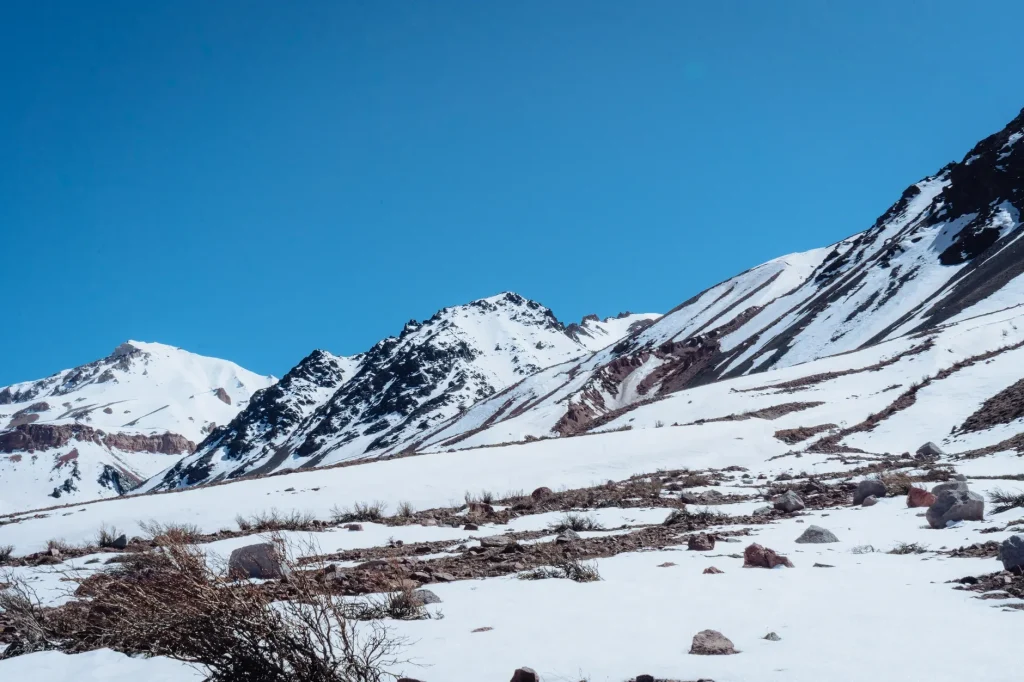
Build extra time into high-elevation days and carry equipment for the mountain environment throughout the year. The site’s Altitude in the Andes: A Plain-English Acclimatisation Guide is a useful companion when you are shaping an itinerary that climbs well above the foothills.
Choose your travel dates by experience
Choose autumn or spring for the most broadly suitable Mendoza visit. These are the seasons recommended for general travel, making them the natural starting point for visitors who want a flexible mix of urban time, foothills, and selected mountain excursions. They are not a substitute for proper high-altitude clothing on an Andes day.
Choose July or August if skiing is the main purpose of the trip. Both sit within the June–September snow season, and official Mendoza guidance specifically points to these two months for skiing. The trade-off is straightforward: colder mountain conditions, advance-booking pressure, and a greater chance that weather affects transport plans.
Choose summer if your priority is Mendoza/Cuyo’s dry seasonal pattern and you are comfortable treating the mountains as a separate climate. It works well for lowland-focused plans, but it does not erase the need for warm layers once the route rises into the high Andes.
Winter roads and the Cristo Redentor crossing
Mendoza is a practical Andes gateway, with domestic and international air connections and access via National Routes 40 and 7. Route 7 leads toward Chile through the Cristo Redentor system. In winter, snow and whiteout conditions can close the crossing entirely, so treat a Chile connection as a flexible part of the itinerary rather than a fixed same-day commitment.
Check the official Cristo Redentor crossing status immediately before departure and leave room to adjust overnight plans if conditions change. Travelers with accessibility needs should also confirm arrangements directly with the specific park, resort, transport provider, and tour operator, since mountain access cannot be assumed to be broadly step-free.
What to pack for Mendoza and the high Andes
The most useful packing rule is simple: dress for the highest, coldest part of your day, not the temperature when you leave Mendoza. Official high-Andes guidance supports year-round warm layers, weatherproof outerwear, sun protection, and footwear appropriate to the activity. This matters in summer as much as it does in ski season.
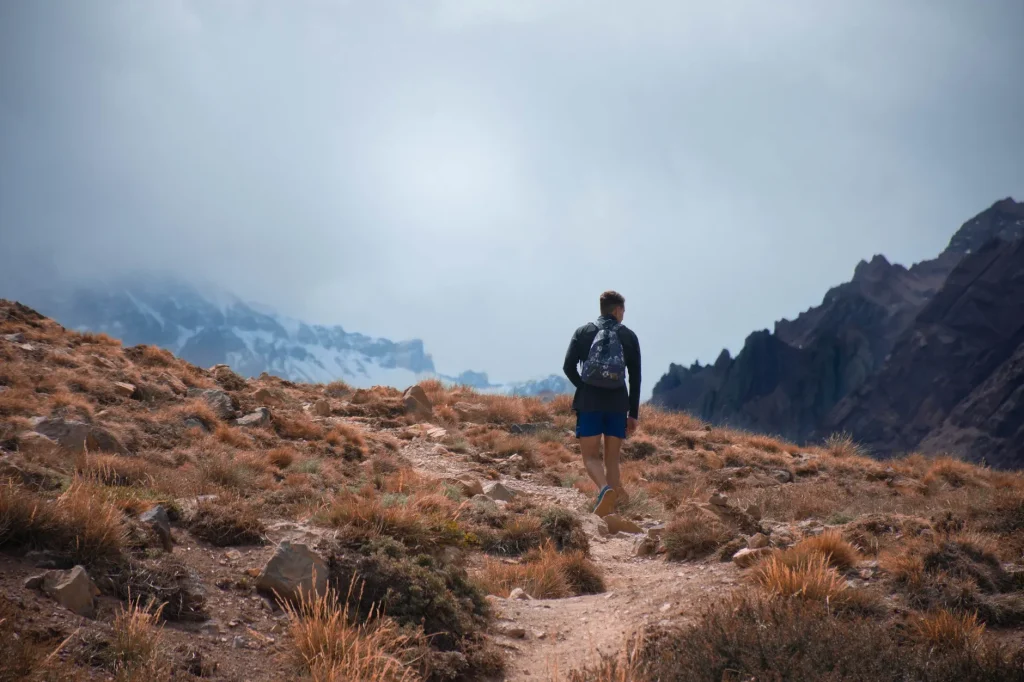
- Warm insulating layers for high-altitude temperature drops.
- A weatherproof outer layer for precipitation and snow exposure.
- Sun protection for all seasons in the mountains.
- Footwear chosen for your specific activity, rather than casual city walking.
- A flexible plan for winter routes and weather-sensitive mountain travel.
The practical answer: pick the season, then respect the elevation
For an easy-going Mendoza trip, favor autumn or spring. For skiing, center your plans on July or August and book winter accommodation ahead. For any month, treat the high Andes as a separate climate with colder conditions and more demanding gear. Pair this calendar with Best Places to Visit in the Andes for First-Time Visitors when choosing the base and route that fit your travel style.
Frequently asked questions
What is the best month to visit the Argentine Andes?
For a general Mendoza visit, autumn and spring are the best-supported choices. July and August are better when skiing is the priority, while summer suits a lowland-focused Mendoza/Cuyo itinerary with separate preparation for high-altitude excursions.
Is the weather the same across the Andes in Argentina?
No. Mendoza/Cuyo foothills and the high Andes have very different conditions because elevation matters greatly, and Patagonia needs its own destination-specific planning. A Mendoza city or foothills seasonal average should not be used as a forecast for mountain terrain.
When is snow season in Mendoza’s high Andes?
The official snow-season window is June through September, with July and August specifically recommended for skiing. Snow-season timing does not remove the need to check current mountain and transport conditions before travel.
Can winter weather affect travel between Mendoza and Chile?
Yes. Snow and whiteout conditions can close the Cristo Redentor border system, so a winter crossing should remain flexible. Check the official crossing status immediately before departure rather than building an inflexible same-day connection.
What should I wear in the Andes during summer?
Bring warm layers, a weatherproof outer layer, sun protection, and suitable footwear even in summer. In the high Andes, summer days can be pleasant but nights become much colder at higher elevations.
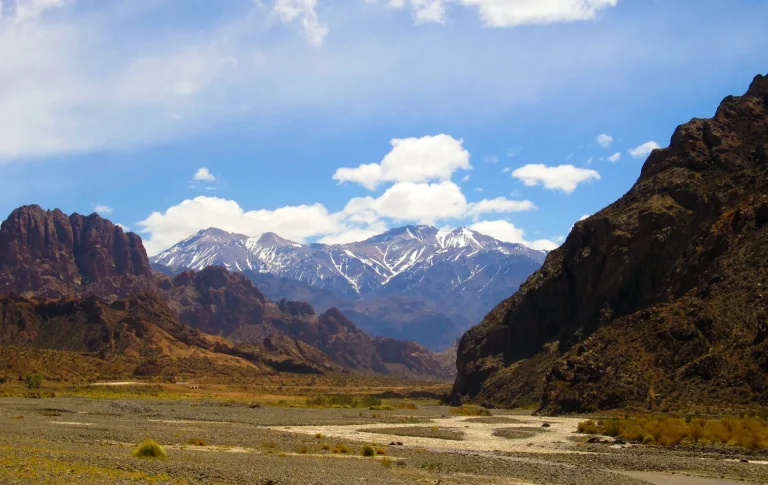
Mendoza’s foothills and high Andes require different weather expectations by Juan Pablo Lancia, Pexels.
More bookable experiences
Three tours to compare
Review current provider details before booking. Discover Andes may earn a commission at no extra cost to you.
Continue exploring
More practical guides selected from the Discover Andes library.
Best Time to Visit the Andes
The best time to visit Argentina’s Andes depends on the region and the trip. Compare seasons for Patagonia,…
How to Get Around The Andes Without a Car
Explore Argentina’s Andes without driving by combining regional hubs, domestic flights, long-distance coaches, selected trains, pre-booked transfers, and…

The Andes Travel Mistakes to Avoid
Avoid the common planning mistakes that can derail an Argentine Andes trip, from overambitious routes and seasonal assumptions…

The Andes Safety Tips for Tourists
Practical Andes safety tips for Argentina, covering altitude acclimatisation, hiking registration, remote travel, mountain driving, seasonal conditions, and…