
The Andes Travel Tips for First Timers
A first trip to Argentina’s Andes becomes far simpler when you treat the mountains as a collection of distinct journeys. The official Andean Crossing reaches 4,500 metres, while Los Glaciares National Park has separate visitor bases in El Calafate for the south zone and El Chaltén for the north. Choose the experience that matters most, then give that one region enough time rather than trying to absorb every Andes highlight into a short itinerary.
- Choose one trip style first: a high-altitude route, day hiking, or glacier viewing.
- Treat a 4,500-metre Andean Crossing as a physically demanding plan that needs readiness for height.
- Use El Calafate for Los Glaciares south-zone activities and El Chaltén for north-zone trekking.
- Allow a full daylight excursion for the Perito Moreno Glacier corridor, and check seasonal access times before travel.
- Pack warm waterproof layers and sturdy trekking footwear, then check road and trail conditions close to departure.
Choose one Andes experience before building the itinerary
Start with the kind of day you want to have. A high-elevation crossing, a glacier-viewing excursion, and a multi-day trekking plan demand different bases, transport, weather tolerance, and energy. This early choice prevents a common first-timer mistake: treating Argentina’s Andean regions as though they sit along one quick, interchangeable route.

Pick a high-altitude route only when it suits your trip
The official Andean Crossing reaches 4,500 metres above sea level and calls for physical effort and readiness for height. Build in acclimatisation time, keep early plans flexible, and be realistic about your fitness before making this the most demanding activity of the trip. The site’s plain-English altitude acclimatisation guide is a useful companion when you are deciding how much altitude to include in a first Andes itinerary.
Choose Los Glaciares for a glacier or hiking-focused trip
Los Glaciares works best when you understand its two main bases. El Calafate supports south-zone activities, including access to Perito Moreno Glacier, while El Chaltén is the north-zone base for hiking. The two towns are 200 kilometres apart by paved road, so plan them as separate portions of a trip rather than casual same-day add-ons. The companion guide to the best places to visit in the Andes for first-time visitors can help you compare this choice with other mountain experiences.
Build a realistic Los Glaciares schedule
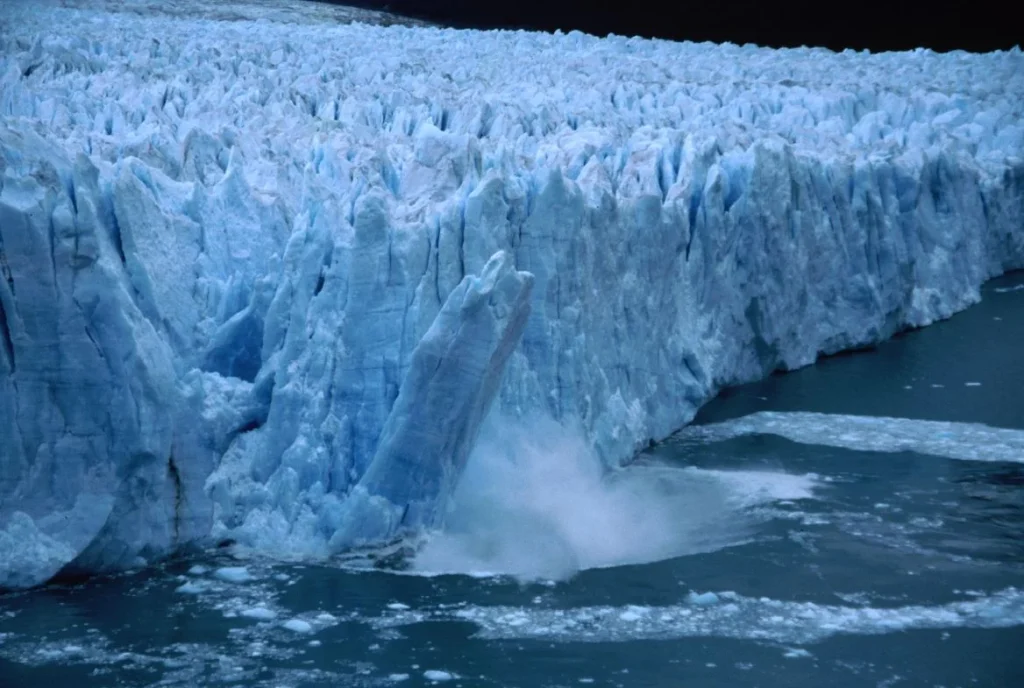
For many first-time visitors, a Perito Moreno Glacier day is the clearest way to experience the Argentine Andes without committing to a remote trek or a high-altitude crossing. Give the excursion a full day of daylight. El Calafate is 80 kilometres from Perito Moreno Glacier, and the park’s access window changes with the season, so transport plans should leave room for the drive, viewpoint time, and the return journey.
Plan around the glacier corridor’s seasonal access window
For the Perito Moreno and Corredor Mitre section, published access runs from 8:00 to 18:00 between September 1 and April 30, with visitors allowed to stay until 20:00. Between May 1 and August 31, access runs from 9:00 to 16:00, with stays allowed until 18:00. These operating details can change, so check them shortly before travel and arrange your return transport around the current timetable.
Use the right base for each activity
El Calafate is the practical base for south-zone activities, while El Chaltén is the place to base yourself for north-zone hiking. Reaching trekking areas, boat trips, and horseback-riding options requires onward transport. Options listed for the park include a private or rental car, remis or taxi-style transfer, guided excursion, and public transport. Puerto Bandera, a departure point for some water-based activities, lies 47 kilometres from El Calafate.
Make weather checks part of the plan
In Los Glaciares, weather can change rapidly in every season. Check road and trail conditions before setting out, even when the morning starts calmly. Warm layers, waterproof outerwear, and suitable trekking footwear belong in your daypack because the conditions can shift during a glacier visit or a hike. Leave room in the itinerary for weather disruption instead of packing each day to the minute.
Winter driving demands proper equipment
Winter adds a serious road-planning requirement. In Los Glaciares, approved chains and/or studded tires are mandatory on park roads because snow, frost, and ice can affect driving conditions. Travelers using a vehicle should confirm the current requirements and make sure the vehicle is equipped before heading toward the park. Guided or arranged transport can simplify this part of a winter visit.
Know the hiking registration and camping rules
Hiking in Los Glaciares takes more preparation during the colder part of the year. Registration at a park information centre or online is mandatory for climbing and remote-area trekking. It is also required for trails from May through September. This does not rule out a shoulder-season or winter trip, but it does mean that route choice, weather checks, and registration should be settled before you begin walking.
Reserve overnight camps rather than arriving spontaneously
Overnight trekking needs advance organisation. The De Agostini, Capri, and Poincenot campgrounds require reservations, so do not treat a backcountry night as an improvised extension of a day hike. Confirm your campsite booking, registration requirements, and current trail conditions before you leave El Chaltén. A reserved overnight can create a more spacious hiking plan, but only when the logistics are already in place.
Budget for the park day, transport, and activities separately
Park admission is only one line in an Andes budget. As of June 1, 2026, the published general daily entry fee for Los Glaciares National Park is ARS 50,000, with lower listed rates for Argentine residents, provincial residents, and students. Transport from El Calafate, lodging, guides, boat excursions, equipment, and food are separate costs. Recheck the current fee before travel because park prices can change.
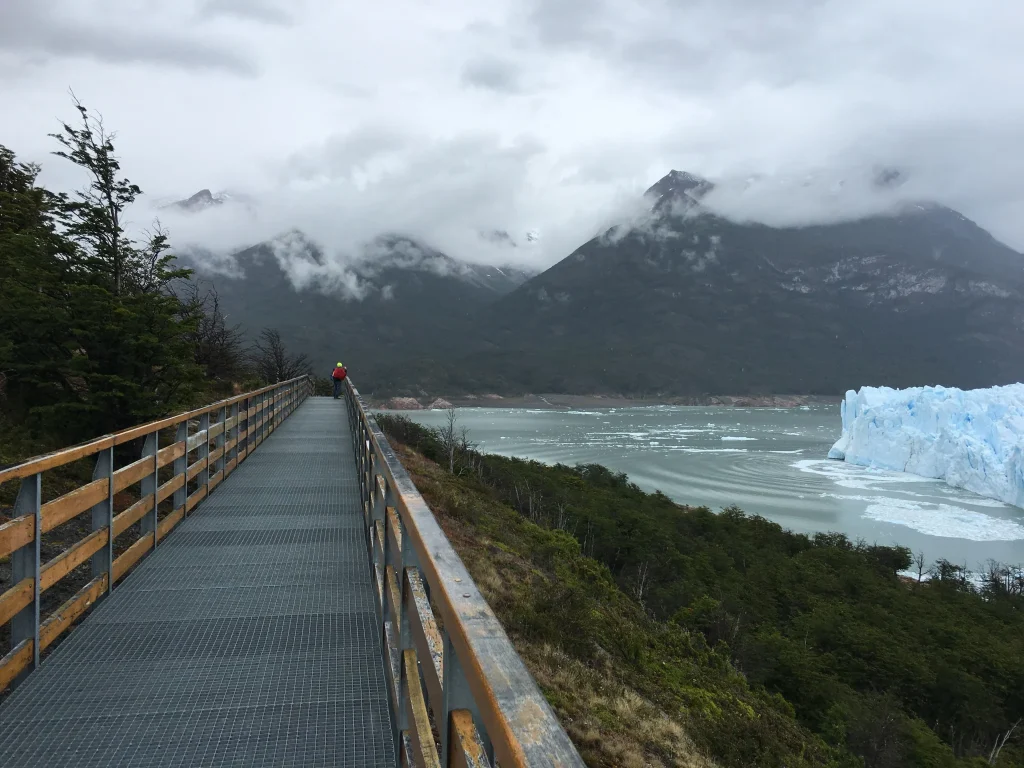

For visitors with disabilities, the Los Glaciares fee policy lists an access-charge exemption and accepts a valid equivalent document from a traveler’s country of residence. Fee relief and route access are separate considerations. At Perito Moreno, the walkways use metal grating, and the park recommends ankle-supporting trekking footwear to reduce the risk of falls. Consider this surface when planning the most comfortable way to experience the viewpoints.
Pack for changing conditions, not just the forecast
A sensible Andes daypack for Los Glaciares starts with warm insulating layers, a waterproof outer layer, and trekking footwear that supports the ankles. Add the practical essentials you need to stay out through a full daylight excursion. Keep these items easy to reach rather than buried in luggage, especially when moving between El Calafate and the park. Conditions can change faster than a neatly planned morning suggests.

Keep the first day flexible
Avoid making your first full day a chain of non-refundable commitments. This is particularly useful when your plan includes altitude or weather-sensitive activities. A flexible opening day gives you space to settle into the region, check conditions, and adjust onward plans without losing the central experience you came for.
Match the itinerary to your first-trip priorities
A focused plan usually delivers more than a rushed attempt to cover every type of Andes landscape. Use this simple framework to decide where to put your time.
| Trip priority | A practical first-trip focus | Key planning point |
|---|---|---|
| High-elevation scenery | Build around the Andean Crossing | The route reaches 4,500 metres and requires physical effort and readiness for height. |
| Glacier viewing | Base in El Calafate for Perito Moreno Glacier | Allow a full daylight outing and check the seasonal corridor access window. |
| Day hiking or overnight trekking | Base in El Chaltén for the north zone | El Chaltén and El Calafate are 200 kilometres apart; seasonal registration and campsite reservations can apply. |
A strong first Andes trip has one clear centre of gravity
For first timers, the best Andes plan is focused, weather-aware, and honest about distances. Choose a high-altitude crossing if you are prepared for the physical commitment. Choose Los Glaciares if glacier viewpoints or Patagonian hiking are the priority, then use the correct base and leave enough time for conditions to shape the day. Confirm the operational details close to departure, pack for a rapid change in weather, and let one well-planned region set the pace.
Frequently asked questions
Which part of the Argentine Andes should first-time visitors choose?
Choose one region based on the experience you want most: a high-altitude crossing, glacier viewing, or hiking. The Andean Crossing and Los Glaciares involve very different logistics, and Los Glaciares itself is divided between El Calafate in the south zone and El Chaltén in the north.
How high is the Andean Crossing in Argentina?
The official Andean Crossing reaches 4,500 metres above sea level. It requires physical effort and readiness for height, so allow acclimatisation time and keep plans flexible.
Do I need to register to hike in Los Glaciares National Park?
Yes, registration is mandatory for climbing and remote-area trekking, and it is also required for trails from May through September. Registration can be completed at a park information centre or online.
How should I plan a visit to Perito Moreno Glacier?
Base yourself in El Calafate and allow a full daylight excursion for the Perito Moreno and Corredor Mitre area. El Calafate is 80 kilometres from the glacier, and published access hours change between the warmer and colder seasons.
How much is entry to Los Glaciares National Park?
The published general daily entry fee is ARS 50,000 as of June 1, 2026. This is the park-entry cost only, so budget separately for transport, lodging, food, guides, equipment, and any excursions.
Perito Moreno Glacier is reached from El Calafate as a full daylight excursion by Christof Berger, CC BY-SA 3.0.

More bookable experiences
Three tours to compare
Review current provider details before booking. Discover Andes may earn a commission at no extra cost to you.
Continue exploring
More practical guides selected from the Discover Andes library.
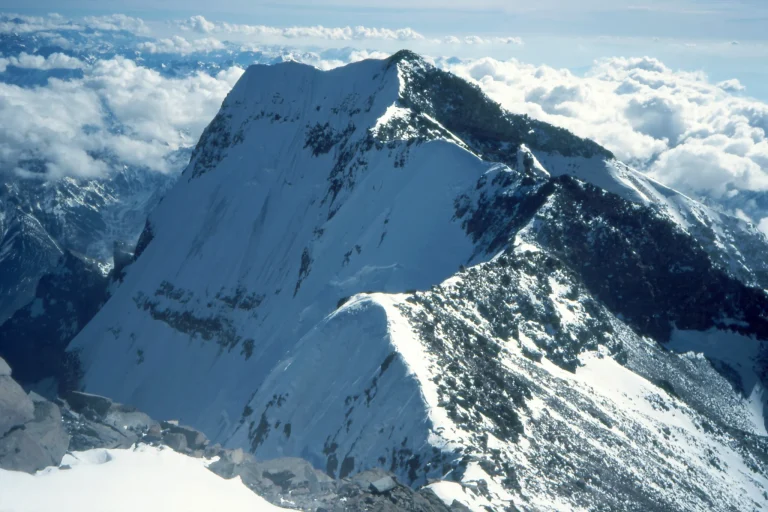
Andes Photography Guide
Plan a stronger Argentina Andes photography trip with a flexible Aconcagua base, current protected-area entry costs, winter road…
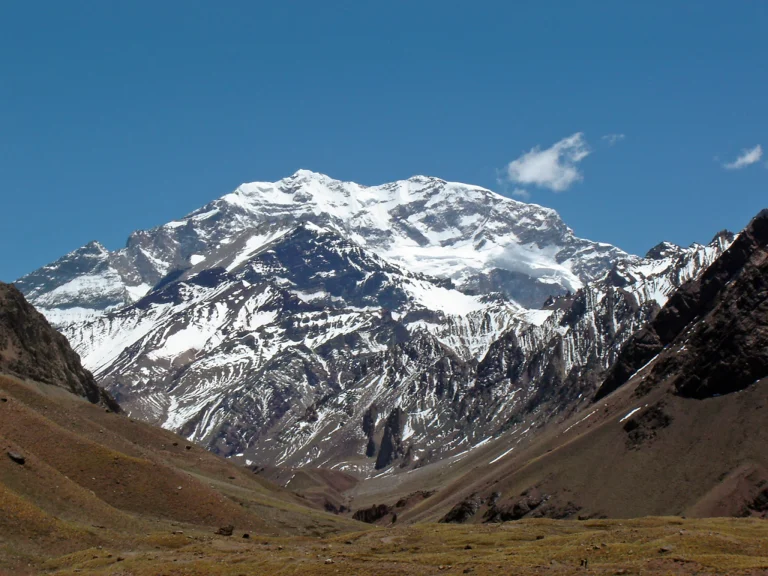
The Andes Itinerary Without a Car
Plan a practical car-free Andes escape from Mendoza, using a guided Alta Montaña day trip, a flexible third…
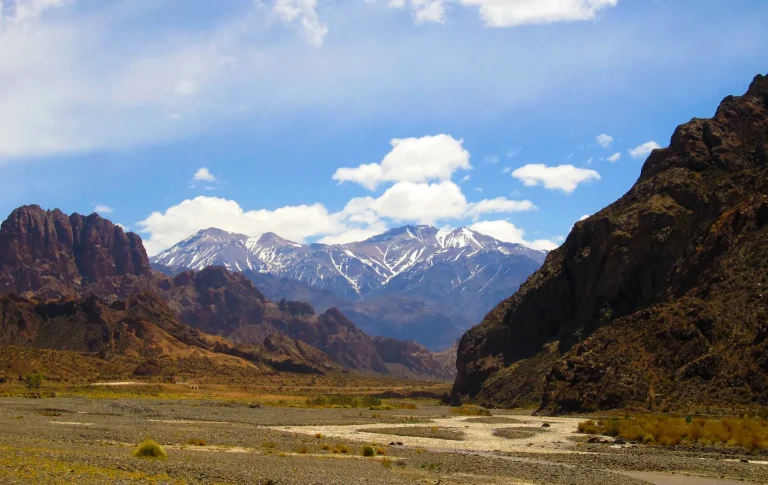
The Andes Weather by Month
Plan an Argentine Andes trip month by month, with clear distinctions between Mendoza’s foothills, the high Andes, winter…
Best Time to Visit the Andes
The best time to visit Argentina’s Andes depends on the region and the trip. Compare seasons for Patagonia,…